Nevis, a small island nestled in the Caribbean, is a paradise that offers not only stunning beaches but also a commitment to sustainability and environmental conservation. With its lush landscape, pristine azure waters, and vibrant marine life, Nevis has become a beacon for eco-friendly tourism. The island has been dedicated to preserving its natural beauty and ecological integrity, promoting practices that protect its unique ecosystem. In an era where sustainable tourism is increasingly important, Nevis’ efforts in maintaining its beaches as eco-friendly destinations set a pioneering example for similar locales worldwide. This introduction outlines the challenges and solutions that the island has embraced, specifically focusing on its renowned beaches and their natural allure. The endeavor to protect and preserve these delicate ecosystems involves a collaborative effort from local authorities, businesses, and communities. It’s crucial to explore how these stakeholders contribute to crafting an environmentally conscious coastal experience, integrating eco-friendly practices into tourism and daily life. Recognizing the intrinsic value of its natural resources, Nevis offers a blueprint for balancing tourism and conservation to create enduring benefits for both its residents and visitors. Today’s discussion will delve deeply into the methods employed by Nevis to preserve its spectacular beaches’ natural beauty while promoting eco-friendly tourism.
Conservation Efforts and Eco-Friendly Initiatives
Nevis stands out as a frontrunner in Caribbean eco-tourism by implementing strategic conservation efforts. The island’s government and various eco-conscious organizations have collaborated to create policies that safeguard the environment. One of the primary initiatives is the regulation of development projects, ensuring that any construction on or near the beaches adheres to strict environmental standards. This minimizes the ecological footprint of tourism-related infrastructure. Furthermore, Nevis promotes sustainable energy, particularly solar power, to reduce reliance on fossil fuels and minimize carbon emissions, thus protecting its air and water quality. Public education campaigns about environmental responsibility are essential in fostering a culture of sustainability among locals and tourists alike. These campaigns highlight the importance of conserving water and energy, controlling waste, and supporting eco-friendly businesses, encouraging visitors to participate actively in conservation efforts.
Preservation of Marine Life
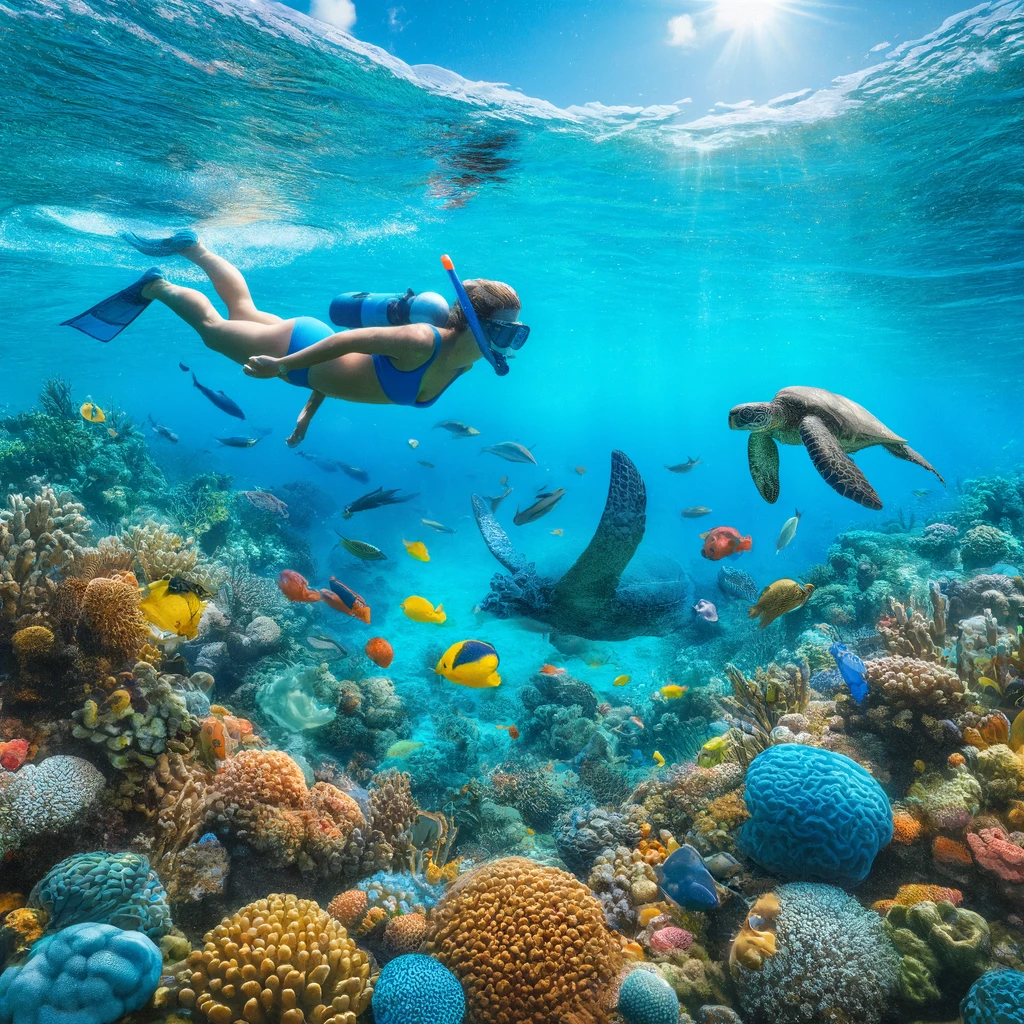
Marine life conservation is a cornerstone of Nevis’ eco-friendly policies, reflecting a profound commitment to protecting its rich underwater ecosystems. Local marine parks are meticulously managed to sustain diverse sea life species, critical habitats, and coral reefs, with strict guidelines to prevent overfishing, pollution, and damage from boats or tourists. Scuba divers and snorkeling enthusiasts visiting Nevis are encouraged to engage in eco-friendly practices, ensuring they do not disturb marine environments by touching corals or feeding wildlife. Dedicated marine reserves also focus on rehabilitating sea turtle populations, with the island regularly hosting educational workshops about marine conservation emphasizing species protection. Nevis further supports the monitoring of water quality surrounding its beaches, crucial for maintaining a healthy marine ecosystem and offering safe environments for both human recreation and wildlife habitats.
Sustainable Tourism Practices
Sustainable tourism on Nevis goes beyond preserving natural beauty; it embodies a comprehensive approach to minimizing environmental impacts while maximizing economic and social benefits. Accommodations on the island often integrate green practices, including water-saving technologies, waste reduction programs, and locally sourced building materials. Many resorts encourage guests to reuse towels and linens, reducing water and energy consumption. Eco-friendly tours are popular among visitors, offering activities that range from guided nature hikes to educational sessions on local ecology, which imbues tourists with a deeper understanding of the need to conserve environmental heritage. The promotion of locally made products and traditional crafts provides tourists with authentic cultural experiences, while supporting the island’s economy sustainably, creating value and income for local artisans. These combined efforts amplify awareness and action toward sustainable tourism and island preservation.
Community Participation and Education
Community involvement is a fundamental aspect of the campaign for eco-friendly beaches in Nevis. Local residents play pivotal roles in participating in beach clean-up initiatives, organized regularly to remove litter and debris that can harm local ecosystems. Schools on the island incorporate environmental education into their curricula, teaching students the importance of conservation from an early age. Volunteer programs have been established to engage both locals and visitors in practical conservation activities, fostering a shared sense of responsibility. Additionally, community-based workshops and seminars emphasize sustainable living practices, empowering residents with the knowledge needed to make eco-friendly choices. Informal networks and collaborations with international environmental organizations allow for the sharing of resources and expertise, contributing significantly to ongoing conservation efforts. Through these multifaceted educational programs and community-driven initiatives, Nevis is building a knowledgeable, proactive population committed to sustaining the island’s natural beauty.
Impact of Climate Change and Adaptive Strategies
Nevis’ approach to eco-friendly beaches is, in part, a response to the looming threat of climate change, which poses significant risks to coastal environments worldwide. Rising sea levels, increased storm frequency and intensity, and ocean acidification present challenges to maintaining pristine beach habitats. In counteracting these issues, Nevis has undertaken adaptive strategies focused on resilience and mitigation. Coastal defense projects, such as mangrove rehabilitation and dune restoration, are vital in protecting shorelines from erosion and storm surges while also serving as carbon sinks. These natural buffers also provide habitats for various species, bolstering biodiversity. The island invests heavily in research programs dedicated to exploring innovative solutions relevant to climate change impacts on beaches. By collaborating with academic institutions and international bodies, Nevis positions itself at the forefront of climate action, embracing technology and traditional ecological knowledge to preserve its coastal treasures for future generations.
Conclusion
Nevis exemplifies how a small island can have a monumental impact on sustainable and eco-friendly practices, proving that dedication to environmental stewardship can coexist alongside thriving tourism. The conservation practices on Nevis represent a successful integration of preserving marine life, maintaining sustainable tourism, and engaging community participation. Their model proves invaluable for other regions seeking to balance ecological preservation with economic viability. Nevis’ strategies reflect a proactive approach to combating climate change while promoting education and awareness among its citizens and visitors. This symbiotic relationship between nature and humanity ensures that the island’s beaches remain unspoiled sanctuaries of natural beauty. Through conscious effort and unwavering commitment to ecological standards, Nevis not only protects its environmental assets but also enriches the experiences of those who visit. It offers an inspiring vision for future development, where ecological integrity and tourism can sustain each other in perfect harmony. Nevis’ ongoing dedication to preserving its eco-friendly beaches serves as a testament to what can be achieved when collective efforts aim to safeguard our planet’s dwindling natural treasures. The island’s legacy of preserving its delicate coastal ecosystems and promoting sustainable tourism practices epitomizes its role as a leader in ecological conservation within the Caribbean and globally.
Frequently Asked Questions
1. What makes Nevis’ beaches eco-friendly?
Nevis’ beaches are considered eco-friendly because of the island’s strong commitment to environmental conservation and sustainable practices. This includes preserving the natural habitat, protecting the coral reefs, and maintaining clean and safe beaches for both marine life and visitors. The local government and environmental organizations actively work together to monitor and ensure minimal human impact on the natural environment. Initiatives such as garbage-free beach policies, restricted areas during turtle nesting seasons, and educational programs focused on environmental awareness further enforce this commitment. The island’s emphasis on sustainable development in tourism projects also contributes to maintaining the balance between leisure and conservation, ensuring that Nevis remains a pristine destination for future generations.
2. How does Nevis promote sustainable tourism?
Nevis promotes sustainable tourism through various strategic initiatives aimed at protecting the island’s natural resources while offering immersive experiences for tourists. Eco-friendly accommodations, ranging from resorts to guesthouses, are built with sustainable materials and operate using renewable energy wherever possible. Many establishments also adhere to water conservation practices and waste reduction initiatives, promoting recycling and composting to limit ecological footprints. The island encourages tourists to engage in low-impact activities such as hiking, snorkeling, and participating in guided tours that educate about local wildlife and ecosystems. Additionally, local authorities enforce strict regulations regarding the construction and operation of tourist facilities to prevent any adverse impacts on the environment. Educational campaigns are frequently conducted to enhance the awareness of both locals and visitors about the importance of conserving Nevis’ unique ecosystem.
3. Are there any specific programs in place at Nevis’ beaches to protect marine life?
Yes, Nevis has implemented several programs specifically designed to protect marine life at its beaches. One significant initiative is the marine conservation program which focuses on the protection of coral reefs and the overall health of marine ecosystems. Programs such as coral planting and rehabilitation efforts aim to restore damaged areas and promote biodiversity. Additionally, there are sea turtle conservation projects that monitor nesting sites, ensuring they are protected during critical nesting and hatching periods. Volunteers and conservationists work diligently to secure beach areas to prevent disturbances caused by human activities. Tourists are encouraged to participate in awareness programs that focus on the importance of respecting marine life, which includes guidelines on behaviors to avoid, such as feeding wild animals or removing shells and corals. Such measures help maintain the rich biodiversity for which Nevis’ waters are famed.
4. What can visitors do to support Nevis’ efforts in preserving its natural beauty?
Visitors can support Nevis’ efforts in multiple ways. First, by being mindful and respectful of nature and adhering to established guidelines when visiting natural areas, such as not littering, staying on designated paths, and avoiding disturbing wildlife. Participating in eco-friendly activities is another way to contribute positively, such as choosing tours and activities that are known for practicing sustainable methods. Additionally, tourists can opt to stay at environmentally-conscious accommodations, thereby supporting businesses that prioritize sustainability. On a more engaged level, visitors can volunteer with local conservation groups during their stay or donate to ecological preservation projects run by these organizations. Finally, spreading awareness and sharing positive experiences on social media platforms encourages others to consider sustainable practices when visiting Nevis or any other destination.
5. Why is it important for islands like Nevis to focus on eco-friendly tourism?
For islands like Nevis, focusing on eco-friendly tourism is critical to preserving their delicate ecosystems, which are often vulnerable to environmental changes and human activities. Since islands typically have limited land and resources, sustainable management helps to ensure that their natural beauty and biodiversity are maintained for future enjoyment. The tourism industry is a significant part of Nevis’ economy, and sustainable tourism ensures that the island can continue to offer what makes it uniquely attractive without depleting or damaging its natural resources. By focusing on eco-friendly tourism, Nevis not only protects its environment but also builds resilience against the impacts of climate change, such as rising sea levels and extreme weather events. This ensures that both the environment and the local communities continue to thrive economically and culturally. Through sustained and responsibly managed tourism, visitors can continue to experience the island’s stunning beaches and rich natural heritage while minimizing their ecological impact.