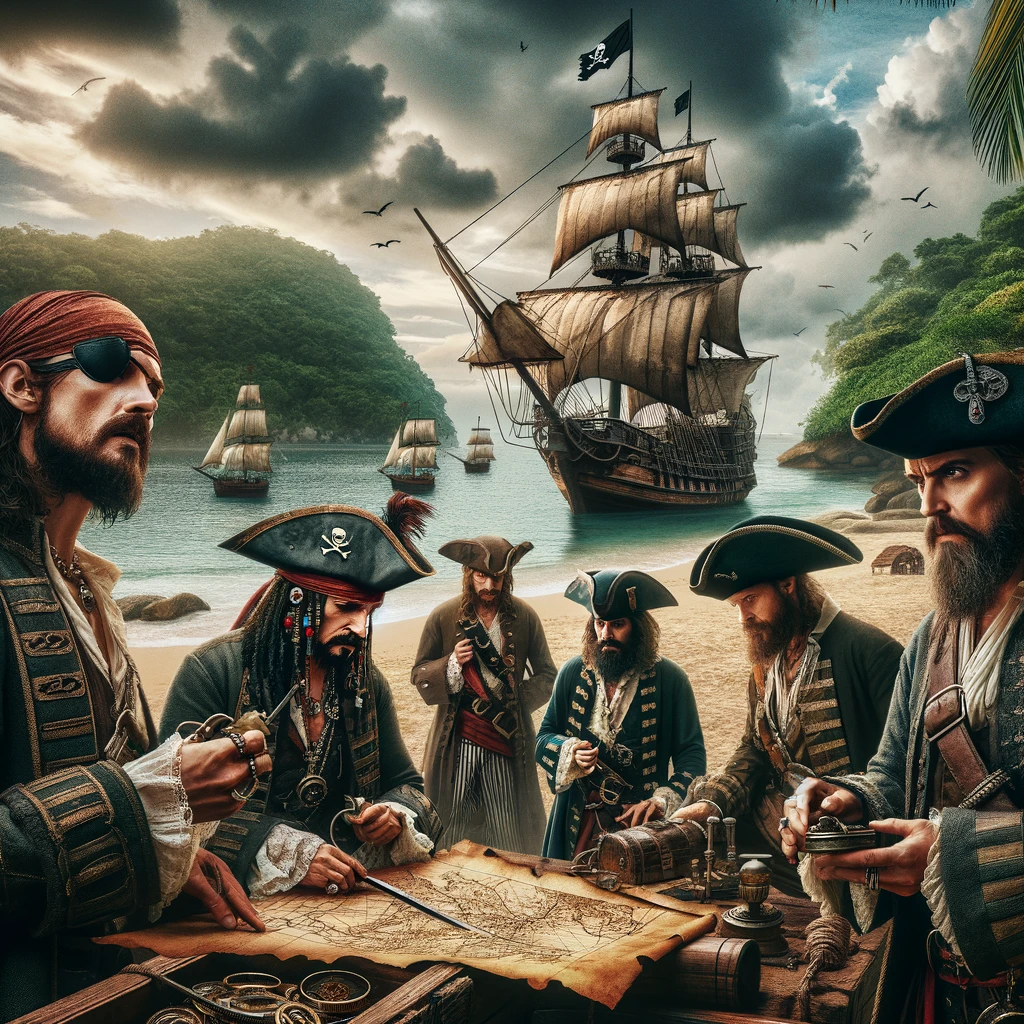
The Caribbean, including the idyllic islands of Nevis and St. Kitts, was once the domain of legendary pirates. These seafaring rogues have inspired countless tales, blurring the lines between myth and reality. This article explores the factual accounts and popular myths surrounding these enigmatic figures of Nevis.
Early Beginnings
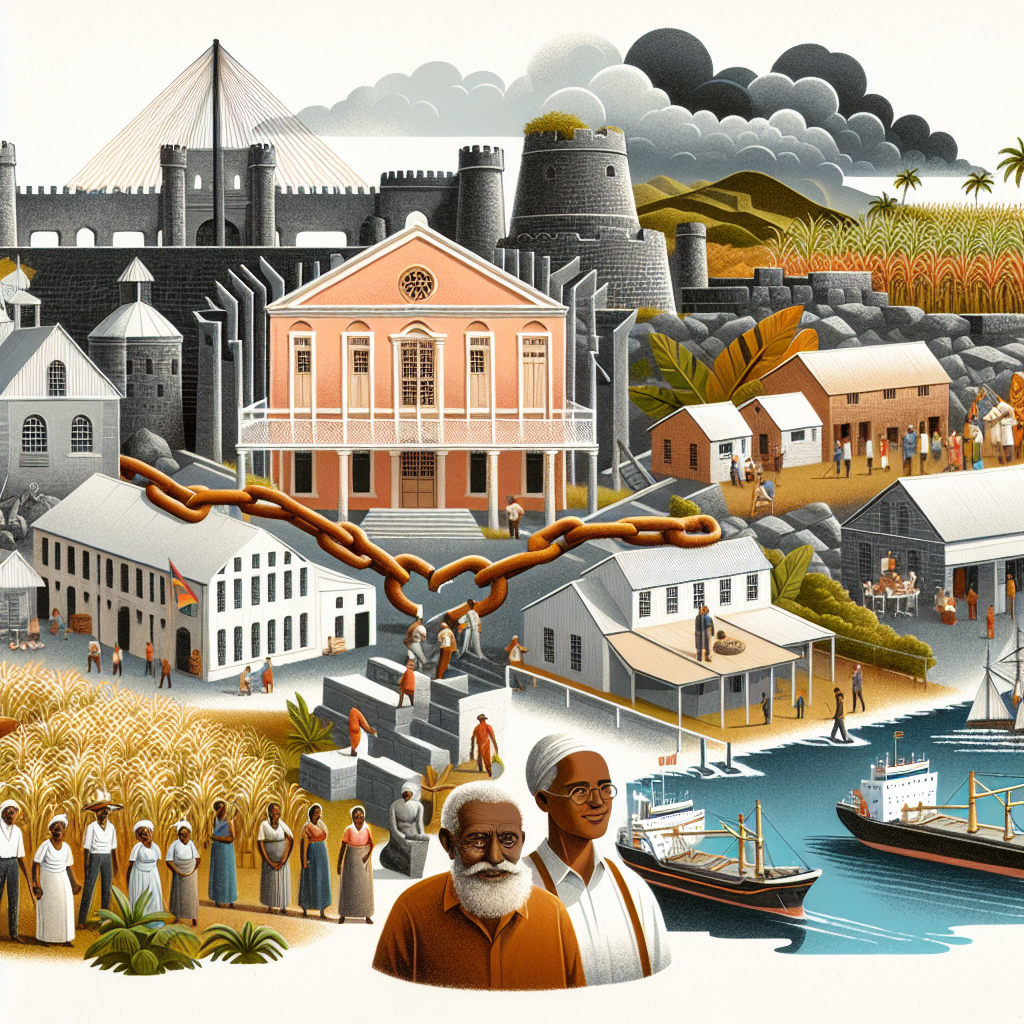
Long before the infamous age of piracy, Nevis was settled in 1628, following the earlier settlement of St. Kitts in 1623. These islands became hubs for European settlers, initially focusing on tobacco farming before switching to sugar cane due to competition from North American colonies. This economic shift led to significant wealth, attracting the attention of pirates and foreign powers alike. The islands’ strategic position made them prime targets for raids and attacks, particularly from the French and Spanish. In 1629, a devastating Spanish raid resulted in significant destruction and the capture of inhabitants (Island Profiles).
The Golden Age of Piracy
The Golden Age of Piracy (1690-1730) saw the Caribbean waters swarming with pirates, including the waters around Nevis. One of the most notorious pirates who frequented the Caribbean during this time was Blackbeard. In late 1717, Blackbeard and his crew captured the French slaveship La Concorde near Martinique, which he renamed Queen Anne’s Revenge. The ship, now a symbol of Blackbeard’s might, traversed the Caribbean, including areas near St. Vincent, St. Lucia, Nevis, and Antigua (QAR Online).
Tortuga’s Buccaneers and Anthony Hilton
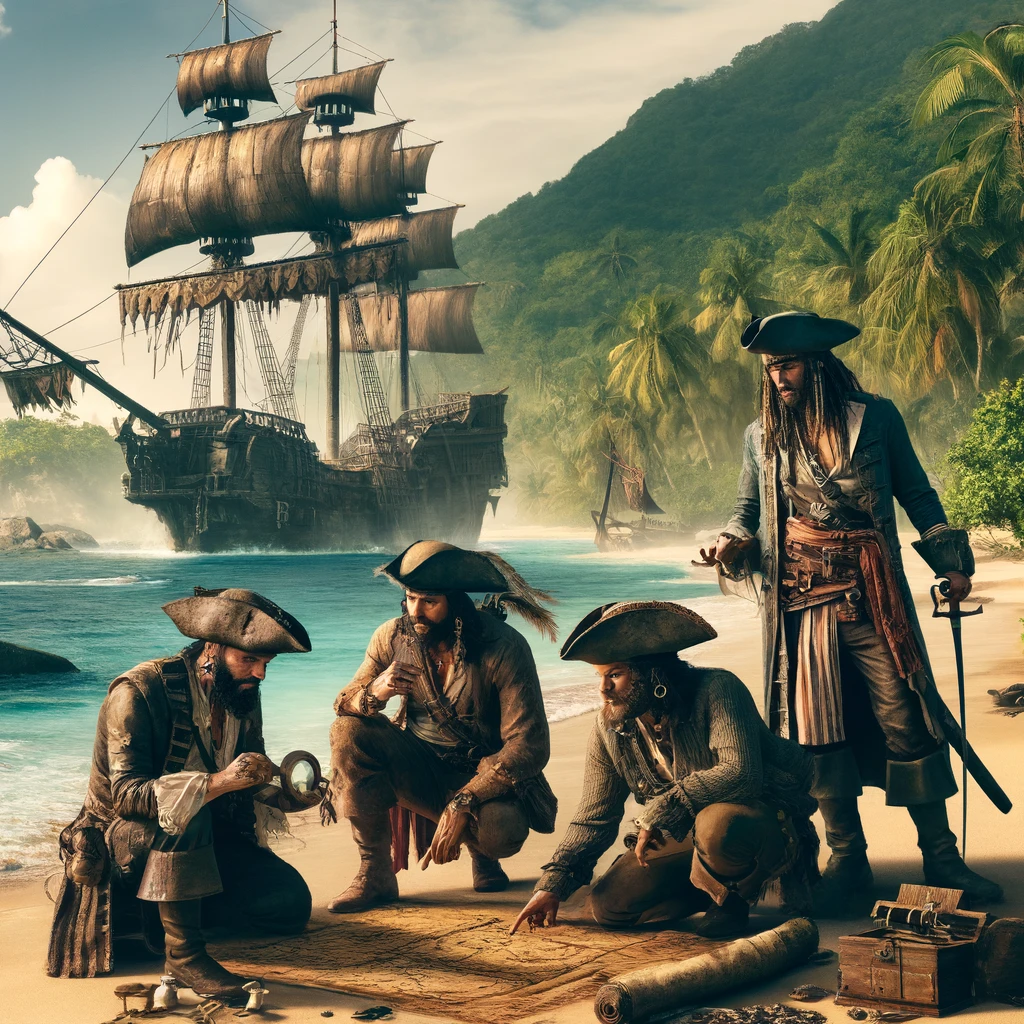
In the 17th century, the nearby island of Tortuga became a haven for pirates, many of whom were planters or former indentured servants. They frequently raided Spanish ships for tools and laborers needed for plantation building. Anthony Hilton, a survivor of an attack on St. Kitts and Nevis and a former governor of Nevis, was a key figure during this period. His leadership in Tortuga was marked by efforts to achieve legal recognition for the colony, turning away from piracy towards a plantation-based economy (Affiliate WCU).
Piracy and the Plantation Economy
Piracy in the Caribbean, including Nevis, was not merely for wealth accumulation; it was deeply intertwined with the plantation economy. Buccaneers in Tortuga, for instance, used piracy as a means to establish their plantations. This symbiotic relationship between piracy and agriculture was a characteristic of Caribbean colonial life during this era (Affiliate WCU).
Blackbeard’s Downfall and Legacy
Blackbeard’s reign of terror included blockading ports like Charleston and terrorizing the seas. His end came in 1718 when Queen Anne’s Revenge and another ship were grounded off the coast of North Carolina, marking the end of his fearsome career (QAR Online).
Myth vs. Reality
Many tales of pirates like Blackbeard have been exaggerated over the years. While they did commit acts of violence and banditry, their lives were often less glamorous and more brutal than depicted in popular culture. The reality of piracy was a harsh life, with constant threats from rival pirates, navies, and the harsh marine environment.
The Legacy of Piracy in Nevis
Today, the legacy of these pirates lives on in Nevis through folklore, historical sites, and cultural memory. Their impact on the island’s history is undeniable, shaping Nevis’s identity and its stories.
The Influence of Nevis in the Caribbean
Nevis, due to its strategic location and agricultural wealth, played a significant role in the geopolitics of the Caribbean. The island’s history is marked by various European powers vying for control, leading to a complex interplay between colonialism, piracy, and local governance. These geopolitical dynamics influenced the activities of pirates in the region, as they exploited these conflicts for their gain.
Pirate Raids on Nevis
Throughout the 17th and 18th centuries, Nevis faced several pirate raids. The lucrative sugar plantations and its location made it an attractive target. While not every pirate attack was documented in detail, historical records from the period indicate that Nevis, like many Caribbean islands, was no stranger to these fearsome sea raiders. Such raids were part of the broader pattern of piracy in the Caribbean, where no island was immune to the threat of pirates.
Legendary Figures and Tall Tales
The Caribbean is awash with tales of legendary pirate figures, some of whom had direct or indirect connections to Nevis. These stories have often been embellished over time, feeding into the mystique surrounding these maritime outlaws. The line between historical fact and fiction can be blurry, making it challenging to discern the true nature of these pirates’ activities around Nevis.
The End of the Pirate Era
The decline of piracy in the Caribbean coincided with stronger naval presence and changing political circumstances. By the mid-18th century, the era of high piracy was coming to an end. The implementation of treaties, improved naval patrols, and the stabilization of colonial governments contributed to this decline. Nevis, alongside other Caribbean islands, transitioned into a period of relative peace and stability, though it remained an important player in regional politics and the global economy.
The Cultural Impact of Piracy on Nevis
Piracy has left an indelible mark on the culture and history of Nevis. From folklore to historical sites, the legacy of this era continues to influence the island’s identity. Tourists and locals alike are drawn to the stories of swashbuckling pirates and dramatic sea battles, a testament to the enduring fascination with this chapter in Nevis’s history.
Separating Myth from Reality
In exploring the history of Nevis and its connection to piracy, it’s crucial to separate the romanticized myths from the harsh realities. The life of a pirate was often brutal and short, marked by violence, hardship, and constant danger. While the legends of buried treasure and daring escapades capture the imagination, the true story of piracy is much more complex and grounded in the historical context of the Caribbean’s colonial past.
Preserving Nevis’s Pirate History
Today, efforts are underway to preserve and understand the history of piracy in Nevis. Archaeological excavations, historical research, and preservation of maritime sites are contributing to a more nuanced understanding of this era. These efforts ensure that the legacy of the pirates, stripped of myths and legends, continues to be a vibrant part of Nevis’s heritage.
Conclusion
The legendary pirates of Nevis, a blend of fact and fiction, are a captivating element of the island’s rich history. Understanding their true impact requires looking beyond the myths to see the complex interplay of economics, politics, and social dynamics that defined the era. Today, Nevis embraces this legacy, celebrating its unique place in the annals of Caribbean piracy, while acknowledging the darker aspects of this fascinating period.
References
- Queen Anne’s Revenge Project. (n.d.). Blackbeard’s Story and Facts. Retrieved from www.qaronline.org
- Tucaksegee Valley Historical Review. (n.d.). Pirates and Plantations: Exploring the Relationship between Caribbean Piracy and the Plantation Economy During the Early Modern Period. Retrieved from affiliate.wcu.edu
- Wikipedia. (n.d.). History of Saint Kitts and Nevis. Retrieved from en.wikipedia.org
- Island Profiles. (n.d.). The Mother Colony – A Short Journey Through St. Kitts and Nevis’ History. Retrieved from islandprofiles.com