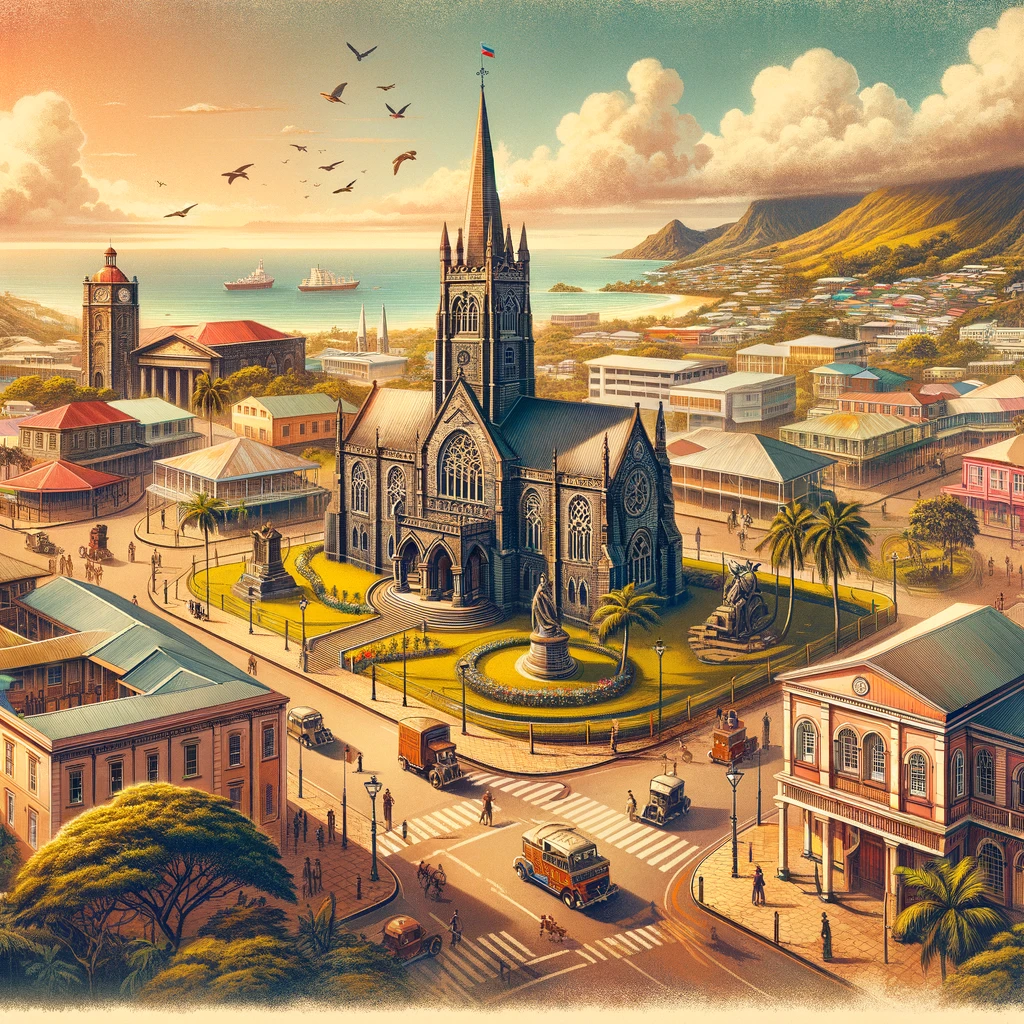
Saint Kitts, part of the Federation of Saint Kitts and Nevis, is not only an island paradise but also a treasure trove of history and culture. Among the rich heritage of this stunning Caribbean locale are its historical churches—beautiful architectural marvels that are as significant for their religious importance as for their contribution to the cultural fabric of the islands. These churches provide a window into the past, offering insight into the colonial history, architectural styles, and enduring faith of the Kittitian people. In this exploration, we journey through time to discover some of the most iconic historical churches of Saint Kitts, delving into their stories, architecture, and roles within the community.
Travelers to Saint Kitts will find that these sacred structures are much more than places of worship. They are, in many ways, living history books, their walls narrating tales of colonial conquest, struggles for freedom, and the profound spirituality that has anchored the island’s inhabitants through centuries of change. From the majestic, colonial-era edifices to more modest chapels situated in tranquil villages, each church on the island has a unique story to tell. Whether you’re a history buff, an architecture enthusiast, or simply someone who appreciates the serene beauty of an old church, Saint Kitts has something to offer.
In this article, we will guide you through the history and architectural brilliance of some of the most noteworthy churches on Saint Kitts. We’ll explore their origins, examine their designs, and reflect on their significance both in the past and today.
St. George’s Anglican Church
One of the most prominent historical churches in Saint Kitts is St. George’s Anglican Church, located in Basseterre. The current structure was erected in 1869, but the roots of the church go much deeper, tracing back to the early 18th century. The church is a prime example of Gothic Revival architecture, characterized by its pointed arches, ribbed vaults, and flying buttresses. As you approach, you’re greeted by an imposing bell tower that stands as a sentinel over the city.
The interior of St. George’s is just as breathtaking as its exterior. The nave is spacious and filled with natural light streaming through stained glass windows that depict various biblical scenes. One can’t help but feel a sense of awe walking through its aisles, with the high vaulted ceilings amplifying echoes of hymns sung over centuries. The wooden pews, worn smooth by generations of worshippers, add to the church’s timeless ambiance.
St. George’s Anglican Church is not just a place of spiritual importance but also a cornerstone of the community. Over the years, it has hosted countless ceremonies, from weddings and baptisms to funerals and community gatherings. It stands as a testament to the enduring faith and resilience of the people of Saint Kitts, weathering everything from hurricanes to social upheavals.
Visitors today are often struck by the beauty and tranquility of the church, making it a must-see for anyone exploring Basseterre. Regular services are held, and visitors are always welcome to join and experience the spirituality that has been nurtured here for generations.
St. Barnabas Anglican Church
Nestled in the heart of the rural community of St. Paul’s is St. Barnabas Anglican Church, another gem in the religious and architectural landscape of Saint Kitts. The church dates back to the mid-19th century and is one of the oldest standing structures in the area. Unlike the grandiose St. George’s in Basseterre, St. Barnabas is more modest in design but equally rich in history.
This charming church is built primarily of local stone and wood, materials that have weathered the test of time. Its architectural style is simpler, reflecting the practical needs and resources of its rural congregation. The churchyard is peaceful, with graves dating back to the 1800s, offering a quiet place for reflection and a poignant reminder of the community’s long history.
The interior of St. Barnabas is warm and inviting, with wooden beams and traditional pews that bear the marks of age and use. Although it may not have the same opulence as some of its urban counterparts, it exudes a sense of sincerity and devotion that is palpable the moment you step inside. The church also features a small, but beautiful, stained glass window above the altar that catches the morning sun in a dazzling array of colors.
St. Barnabas Anglican Church continues to serve as a focal point for the local community. It’s a place where people gather not just for worship, but for social events, community meetings, and support networks. Its enduring presence is a testament to the resilience and faith of the people who built it and who continue to preserve it for future generations.
Immaculate Conception Co-Cathedral
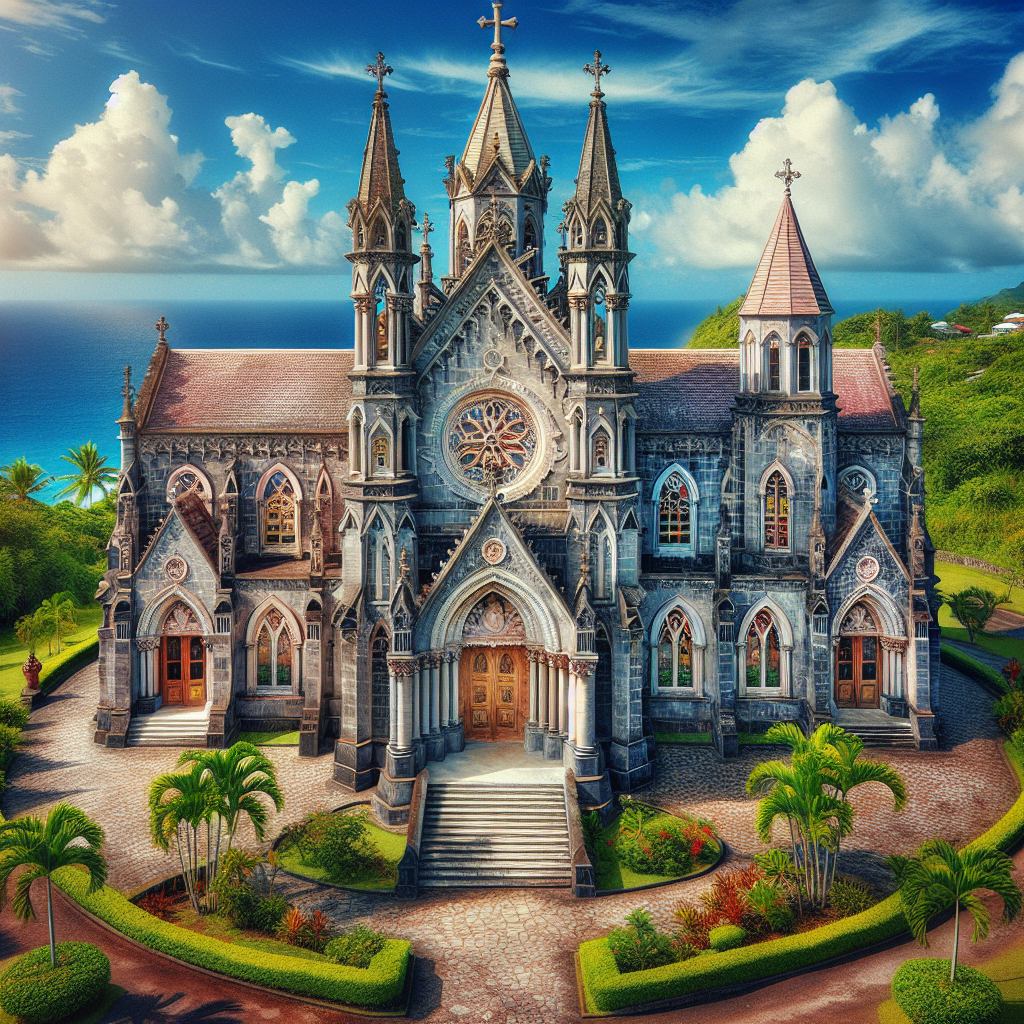
The Immaculate Conception Co-Cathedral, situated in the heart of Basseterre, is another remarkable religious landmark. This Roman Catholic Church is relatively modern compared to other historical churches on the island, with its construction completed in 1928. However, what it lacks in age, it makes up for in architectural splendor and historical significance.
The co-cathedral is built in the Romanesque Revival style, a nod to the European influences that have shaped much of the Caribbean’s architectural heritage. Its facade is adorned with intricate stone carvings, and the twin bell towers are visible from various points across the city. The co-cathedral’s spacious interior can accommodate hundreds of worshippers, and it features beautiful wooden pews, an ornate altar, and a collection of stained glass windows that are nothing short of works of art.
One of the most striking features of the Immaculate Conception Co-Cathedral is its pipe organ, a magnificent instrument that fills the space with rich, resonant music during services and special events. The church also houses several statues and religious icons that add to its spiritual and aesthetic appeal.
The co-cathedral plays a vital role in the spiritual life of the local Catholic community and is also a center for charitable activities and community service. Visitors are welcome to attend Mass and other religious ceremonies, providing an opportunity to experience the deep faith and vibrant culture of the island’s Catholic population.
The Chapel at Brimstone Hill Fortress
Brimstone Hill Fortress, a UNESCO World Heritage Site, is one of the most famous landmarks in Saint Kitts, and within its walls lies the small but historically significant chapel. The fortress itself is a remarkable example of 17th and 18th-century military architecture, and the chapel has a similar historical gravitas.
The chapel at Brimstone Hill was used by British soldiers stationed at the fortress and offers a unique glimpse into the spiritual lives of 18th-century military men. While it is no longer in active use as a place of worship, the chapel’s well-preserved interior, with its stone walls and simple wooden furnishings, transports visitors back in time.
One of the most interesting aspects of this chapel is its dual purpose. Aside from serving as a place of worship, it was often used as a makeshift hospital and meeting room. This multifunctionality reflects the practical needs of the soldiers during their long stays at the fortress, offering a fascinating look at how spaces were adapted to meet various needs.
Today, the chapel is part of the larger Brimstone Hill Fortress National Park, attracting thousands of visitors each year. It serves as a poignant reminder of the fort’s storied past and the faith that sustained those who served there.
Conclusion
The historical churches of Saint Kitts are more than just architectural wonders; they are living monuments to the island’s rich and diverse cultural heritage. Each church tells a story of faith, resilience, and community, reflecting the unique history and spirit of the Kittitian people.
Whether it’s the grandeur of St. George’s Anglican Church, the rustic charm of St. Barnabas, the decorated splendor of the Immaculate Conception Co-Cathedral, or the fortified history within Brimstone Hill Fortress Chapel, these sacred sites offer invaluable insights into the past while continuing to serve their communities in the present.
For visitors, these churches provide not only a feast for the eyes but also a chance to connect deeply with the local culture. As you explore Saint Kitts, take the time to visit these historical churches, attend a service, or simply sit in quiet reflection within their walls. You’ll find that these spaces offer a unique and enriching addition to any travel experience.
The churches of Saint Kitts remind us of the enduring power of faith and the remarkable ability of communities to preserve their cultural treasures. They are truly architectural wonders and a testament to the island’s storied history and vibrant culture. As we continue to celebrate and protect these sacred spaces, we ensure that future generations will likewise be able to admire and learn from these invaluable historical treasures.