Saint Kitts is often celebrated for its stunning beaches, vibrant festivals, and lush mountainous landscapes, but beneath its picturesque surface lies a rich tapestry of history. One of the most fascinating windows into the island’s past can be found in its historical cemeteries. These resting places tell stories not only of the individuals laid to rest but also of the cultures, conflicts, and communities that have shaped Saint Kitts over centuries. As stones weather and inscriptions fade, the tales of love, resilience, tragedy, and triumph remain etched in the landscape, waiting to be discovered by those interested in more than just sun and sand.
Old Road Cemetery: The Cradle of the Nation
The Old Road Cemetery is one of the oldest cemeteries on the island, located near the first English settlement in the Caribbean, established in 1623. This cemetery offers a profound connection to the early colonial period, representing the cradle of Saint Kitts’ modern nationhood. The gravestones here range from simple, unmarked stones to elaborate epitaphs, reflecting the diverse social strata of early colonial society. Here lies a blend of history, from settlers to slaves, and the inscriptions tell tales of pioneering adventure, hardship, and the melding of cultures.
Saint George’s Anglican Church Cemetery: A Patchwork of Eras
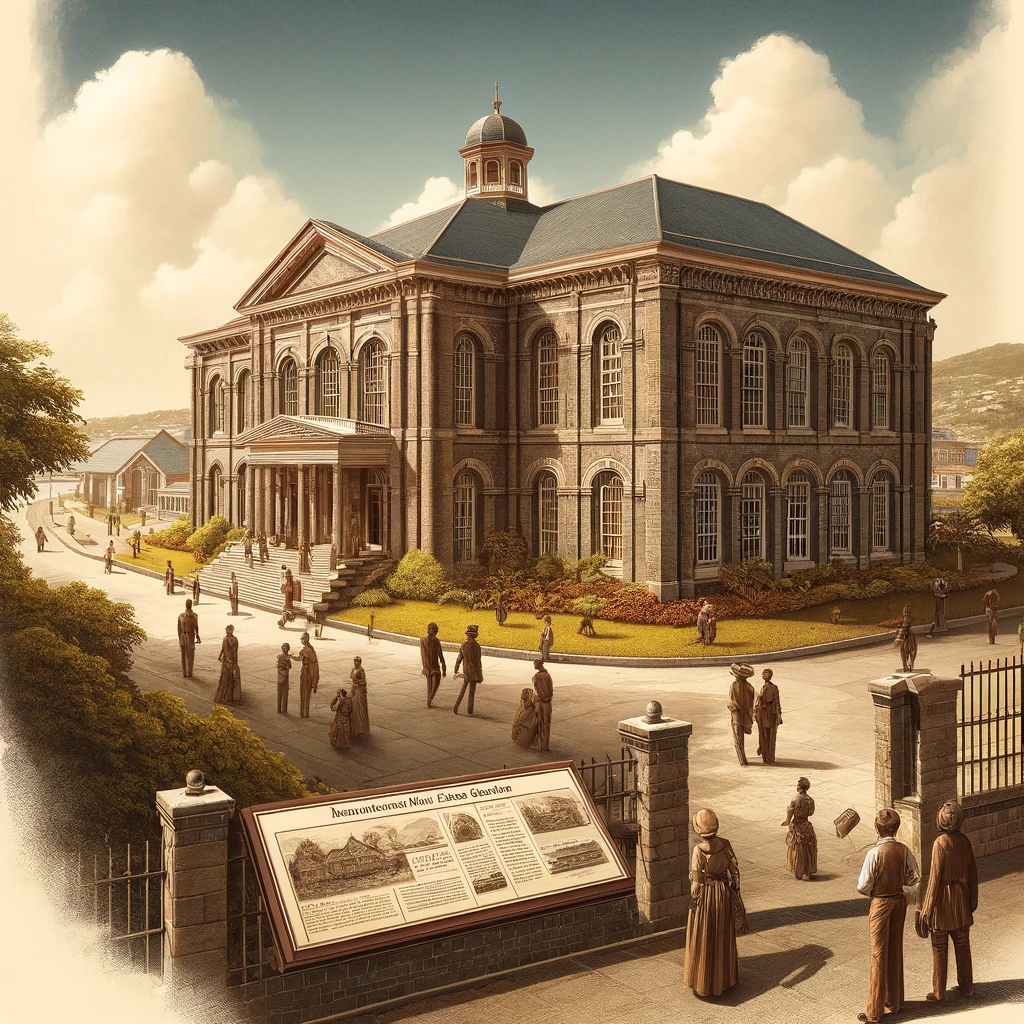
Situated in Basseterre, the capital of Saint Kitts, Saint George’s Anglican Church Cemetery is another significant historical site. The church itself, rebuilt after being destroyed multiple times by earthquakes, hurricanes, and fires, stands as a testament to the island’s resilience. The cemetery, with tombstones dating back to the 17th century, serves as a silent witness to the island’s multifaceted history. Each gravestone, with its unique epitaph and design, reflects changing funerary customs and artistic trends over the centuries. Walking through this cemetery is akin to flipping through a historical scrapbook, providing insights into the lives of the influential and everyday residents alike.
Middle Island Cemetery: The Burial Place of a Founding Father
Middle Island Cemetery holds a special place in Saint Kitts’ history as it is the burial site of Sir Thomas Warner, the island’s first European settler. Warner arrived on Saint Kitts in 1623 and established the first successful English colony in the Caribbean. His tomb, along with those of his descendants and fellow settlers, offers a direct link to the island’s colonial origins. The cemetery, perched on a hill overlooking the Caribbean Sea, offers not only a spiritual connection to the past but also breathtaking views, making it a poignant and reflective place to visit.
Jewish Cemetery: A Testament to Religious Diversity
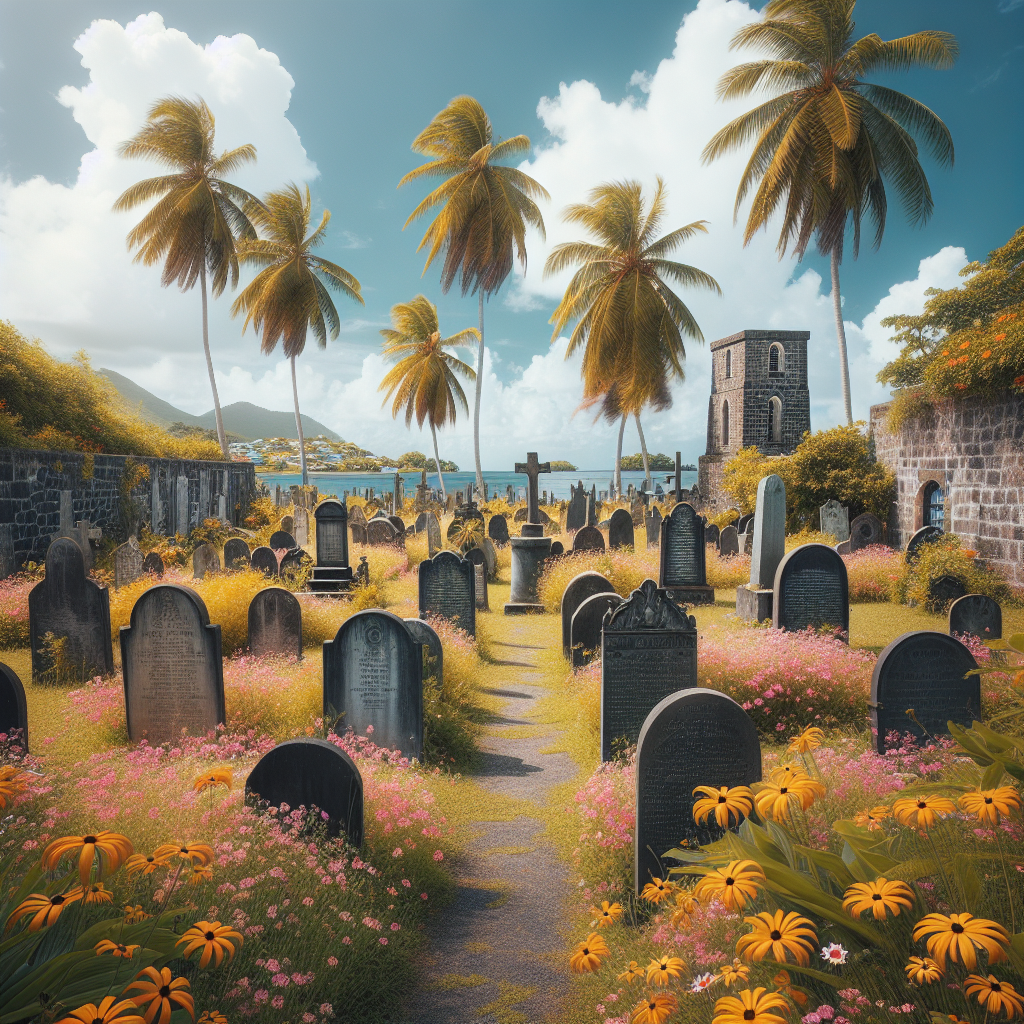
Saint Kitts’ Jewish Cemetery, located in Basseterre, is a poignant reminder of the island’s once-thriving Jewish community. Sephardic Jews, fleeing persecution in Brazil and other parts of the New World, settled in Saint Kitts in the 17th and 18th centuries. The small but significant cemetery, with its Hebrew inscriptions and distinct gravestone designs, provides a glimpse into the lives and traditions of these early Jewish settlers. It is one of the oldest Jewish cemeteries in the Caribbean and stands as a testament to the religious and cultural diversity that has characterized Saint Kitts’ history.
The Impact of Historical Cemeteries on Tourism
In recent years, there has been a growing interest in heritage tourism, and Saint Kitts’ historical cemeteries are increasingly recognized as valuable cultural assets. Tourists seeking to understand the island’s history often find these cemeteries to be both evocative and enlightening. Guided tours and educational programs have been developed to provide insights into the stories behind the stones. These initiatives help preserve and promote the cemeteries, ensuring that they remain accessible and informative for future generations. By exploring these cemeteries, visitors gain a deeper appreciation of Saint Kitts beyond its beaches and resorts, connecting with the island’s enduring legacy.
Conclusion
Saint Kitts is a beautiful island with a complex and fascinating history, much of which can be explored through its historical cemeteries. These cemeteries are more than just places of rest; they are repositories of stories and symbols of the island’s past. From the early colonial settlers to the Jewish community and beyond, each cemetery offers unique insights into the lives, struggles, and successes of those who helped shape Saint Kitts. As you walk among the stones, you become a part of this ongoing narrative, cherishing and preserving the legacy of those who came before. For those interested in history and culture, these cemeteries provide a profound connection to the heart of Saint Kitts.