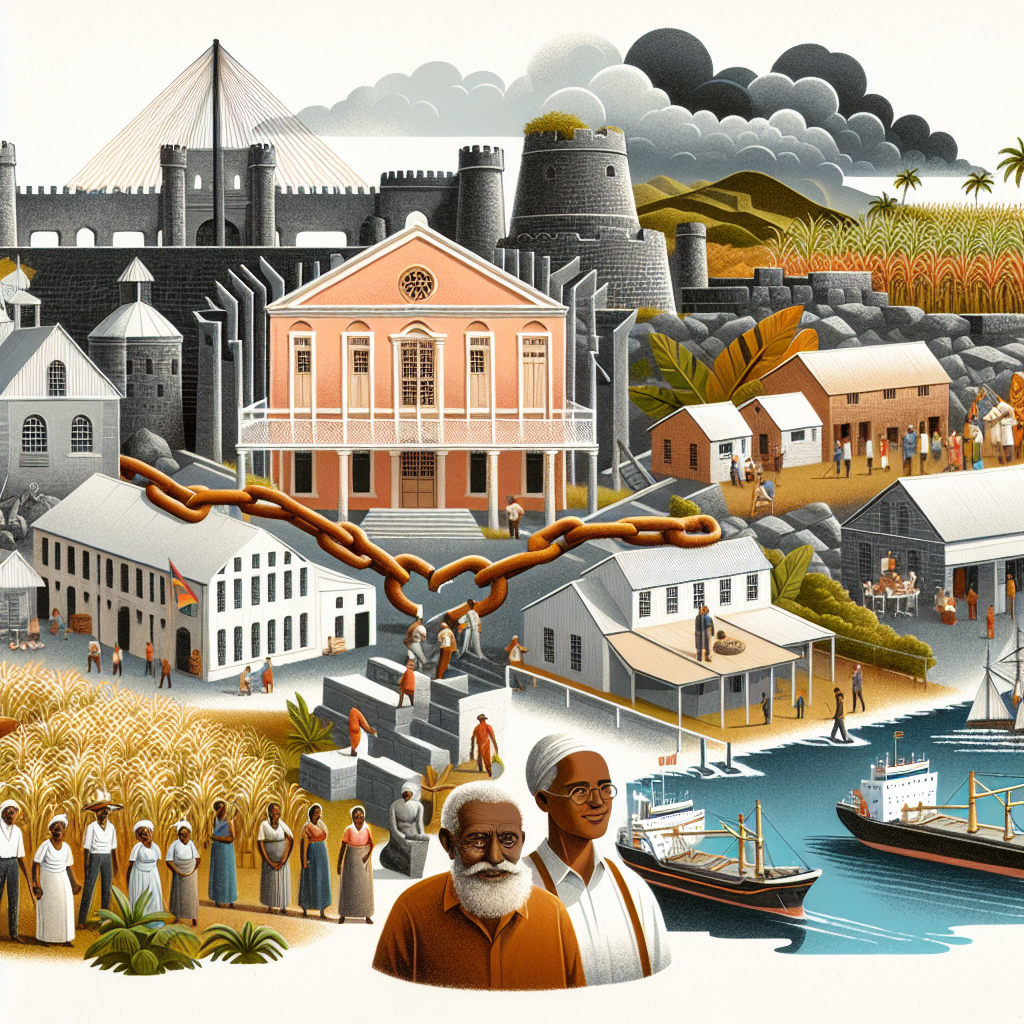
The Anglican Church holds a significant place in the historical and cultural tapestry of Saint Kitts. From its early establishment during colonial times to its enduring presence in contemporary society, the church stands as a symbol of resilience, faith, and community spirit. Initially introduced by British colonists, Anglicanism has since become an integral part of the island’s identity. This article delves into the rich history and cultural significance of the Anglican Church in Saint Kitts, offering insights into its evolution, architectural grandeur, and enduring legacy.
With the arrival of European settlers in the 17th century, Saint Kitts became one of the first Caribbean islands to adopt Christianity. The Anglican Church soon emerged as the dominant religious institution, playing a critical role in the social and political development of the island. Over centuries, the church has adapted to the changing times, reflecting the shifts in Saint Kitts’ cultural landscape. This historical journey is not just about religious practices, but also involves remarkable stories of adaptation, survival, and community cohesion amidst various socio-political changes.
Today, the Anglican Church continues to be a cornerstone of Saint Kitts’ cultural fabric. Its influence extends beyond spiritual guidance, encompassing education, social services, and community development. The church’s historical buildings, adorned with exquisite architecture and rich heritage, stand as testaments to its enduring presence. These structures draw both worshippers and tourists, offering a glimpse into the island’s past while remaining active centers of community life.
As we explore the Anglican Church’s journey in Saint Kitts, we will uncover the pivotal moments, influential figures, and cultural impacts that have shaped its development. From the establishment of the first church to its role in modern society, this comprehensive examination aims to provide a deeper understanding of the church’s significance. Join us on this fascinating voyage through time, discovering how the Anglican Church has woven itself into the very fabric of Saint Kitts’ history and culture.
Early Establishment and Colonial Influence
The early establishment of the Anglican Church in Saint Kitts is intertwined with the island’s colonial history. The British colonists, who arrived in the early 1600s, brought with them not only their customs and traditions but also their religious affiliations. The Church of England, known as the Anglican Church, quickly took root, establishing the first church buildings and missionary activities soon after their arrival.
The initial years were marked by the construction of simple, makeshift structures, reflecting the settlers’ need for immediate places of worship. These early buildings, often made from wood and other readily available materials, were the precursors to the more permanent and elaborate churches that would follow. The Church of England provided not just spiritual comfort but also a semblance of social order and governance, reinforcing British cultural and religious ideologies.
The 18th century saw the rise of more substantial church buildings, characterized by impressive architectural designs and more durable construction materials. This period also marked the establishment of formal parishes, each with its own church and resident clergy. The Anglican Church played a pivotal role in the colonists’ lives, becoming a center for community gatherings, social events, and administrative functions.
However, the church’s history during this time was not without its challenges. The harsh realities of colonial life, including conflicts with indigenous populations, rival European powers, and the brutal institution of slavery, cast a shadow over its early years. Despite these adversities, the Anglican Church remained a steadfast presence, adapting to the evolving social and political landscape of the colony.
One of the significant milestones in the church’s early history was the establishment of St. George’s Anglican Church in Basseterre, the capital of Saint Kitts. Built in the early 1700s, St. George’s stands as one of the oldest and most iconic Anglican churches on the island. Its rich history, architectural beauty, and enduring legacy make it a cornerstone of Saint Kitts’ religious and cultural heritage.

The Role of the Anglican Church in Education and Social Development
As the Anglican Church solidified its presence in Saint Kitts, it began to extend its influence beyond religious practices, particularly in the realms of education and social development. The church recognized the importance of education as a means to uplift the community and ensure the continuity of its religious and cultural teachings. Thus, during the 18th and 19th centuries, the Anglican Church spearheaded the establishment of schools and educational programs across the island.
These efforts were initially aimed at providing basic literacy and religious instruction to the children of European settlers. However, over time, the church’s educational initiatives expanded to include the children of freed slaves and other local populations. One of the notable institutions established by the Anglican Church was the St. Kitts-Nevis Grammar School, which has played a significant role in the island’s education system for many years.
The church’s involvement in education was not limited to academic instruction. It also emphasized moral and ethical teachings, instilling values of discipline, respect, and community service. This holistic approach to education helped shape a generation of individuals who would go on to become influential figures in various sectors of Saint Kitts’ society, including politics, business, and the arts.
In addition to education, the Anglican Church has been actively involved in social development initiatives aimed at improving the quality of life for the island’s residents. Through various charitable programs and community outreach efforts, the church has addressed issues such as poverty, healthcare, and social inequality. These initiatives have included the establishment of clinics, orphanages, and other social services, often in collaboration with local and international organizations.
The Anglican Church’s commitment to social development is perhaps best exemplified by its response to natural disasters and other crises. Whether it was providing shelter and assistance during hurricanes or supporting community rebuilding efforts in the aftermath, the church has consistently demonstrated its dedication to the well-being of the people of Saint Kitts. This unwavering commitment has earned the Anglican Church a place of respect and admiration within the community.
Architectural Significance and Heritage Sites
The Anglican Church’s architectural legacy in Saint Kitts is a testament to its historical and cultural significance. The island is home to several Anglican churches and heritage sites that showcase a range of architectural styles, from simple colonial structures to grand Gothic Revival designs. These buildings not only serve as places of worship but also as important markers of the island’s history and identity.
One of the most iconic architectural landmarks is St. George’s Anglican Church in Basseterre. Originally built in 1670, the church has undergone several reconstructions due to damage from natural disasters over the centuries. The current structure, which dates back to the late 19th century, features a stunning Gothic Revival design, characterized by pointed arches, intricate stained glass windows, and a majestically tall spire. St. George’s stands as a symbol of resilience and continuity, embodying the spirit of the Anglican Church in Saint Kitts.
Another notable architectural gem is St. Thomas’ Anglican Church, located in the parish of Middle Island. Built in 1702, St. Thomas’ is one of the oldest Anglican churches in the Caribbean. Despite its age, the church has been remarkably well-preserved, retaining many of its original features, including wooden pews, stone walls, and a beautifully carved pulpit. The church’s historical significance is further highlighted by its association with Thomas Warner, the English explorer who established the first permanent European settlement in the Eastern Caribbean.
In addition to these prominent churches, numerous smaller Anglican chapels and mission houses dot the landscape of Saint Kitts. These structures, often situated in rural areas and small communities, provide insights into the everyday lives and worship practices of the island’s inhabitants. They are also reminders of the Anglican Church’s efforts to reach out to all corners of the island, ensuring that its message of faith and community was accessible to everyone.
The preservation of these architectural treasures is a priority for both the Anglican Church and heritage organizations in Saint Kitts. Efforts are continually being made to maintain and restore these historic buildings, recognizing their invaluable contribution to the island’s cultural heritage. These preservation endeavors often involve collaboration with international conservation groups and rely on funding from various sources, including government grants and private donations.
Modern-Day Relevance and Community Impact
In contemporary Saint Kitts, the Anglican Church continues to play a vital role in the lives of many residents. While the island’s religious landscape has diversified over the years, the Anglican Church remains a significant and influential institution. Its modern-day relevance is evident in various aspects of community life, from religious worship to education, social services, and cultural events.
Today, the Anglican Church in Saint Kitts is characterized by a vibrant and active congregation that participates in a wide range of religious and community activities. Regular worship services, Sunday schools, bible study groups, and youth programs are central to the church’s spiritual mission. These activities provide opportunities for individuals of all ages to engage in spiritual growth, fellowship, and community service.
The church’s commitment to education continues through its support of schools and educational initiatives. Anglican-affiliated schools on the island strive to provide high-quality education that balances academic excellence with moral and ethical teachings. Partnerships with other educational institutions and organizations further enhance the church’s impact on the island’s education system, ensuring that students receive well-rounded and meaningful learning experiences.
In the realm of social services, the Anglican Church remains a cornerstone of community support. It operates various charitable programs, including food banks, clothing drives, and assistance for the elderly and vulnerable populations. These initiatives address immediate needs while also promoting long-term community development and resilience. The church’s collaborative efforts with local and international partners amplify its reach and effectiveness.
The Anglican Church’s role in cultural preservation and celebration is also noteworthy. It hosts and participates in numerous cultural events, including festivals, concerts, and historical commemorations. These events provide platforms for showcasing the island’s rich cultural heritage, fostering a sense of pride and unity among the residents. The church’s historical buildings and sites often serve as venues for these cultural activities, further highlighting their importance as community landmarks.
Moreover, the Anglican Church actively engages in interfaith dialogue and cooperation, recognizing the diverse religious landscape of modern-day Saint Kitts. Through partnerships with other religious organizations and participation in interfaith events, the church promotes a spirit of understanding, respect, and collaboration. This inclusive approach reflects the church’s commitment to fostering harmony and mutual support within the broader community.
Conclusion
The history of the Anglican Church in Saint Kitts is a testament to its enduring influence and significance on the island. From its early establishment during colonial times to its multifaceted role in contemporary society, the church has consistently adapted to the changing needs and dynamics of the community. Its contributions to education, social development, architectural heritage, and cultural preservation are invaluable, cementing its status as a cornerstone of Saint Kitts’ historical and cultural identity.
As we reflect on this rich history, it is evident that the Anglican Church’s legacy extends far beyond its religious functions. It embodies the spirit of resilience, community, and continuity that defines Saint Kitts, offering a sense of stability and unity amidst the island’s evolving landscape. The church’s historical buildings and heritage sites stand as tangible reminders of this legacy, inviting both locals and visitors to explore and appreciate the island’s unique cultural heritage.
Looking towards the future, the Anglican Church in Saint Kitts remains committed to its mission of spiritual guidance, community support, and cultural preservation. Its ongoing efforts to address contemporary challenges, foster community development, and promote interfaith understanding are crucial for the island’s continued growth and prosperity. As a living institution, the church continues to evolve, drawing strength from its rich history and adapting to the needs of modern society.
In conclusion, the Anglican Church’s journey in Saint Kitts is a remarkable story of faith, resilience, and community impact. It is a story that continues to unfold, shaping the island’s present and future while honoring its past. By understanding and appreciating this journey, we gain a deeper insight into the cultural and historical fabric of Saint Kitts, recognizing the Anglican Church’s enduring legacy as a vital part of the island’s identity.