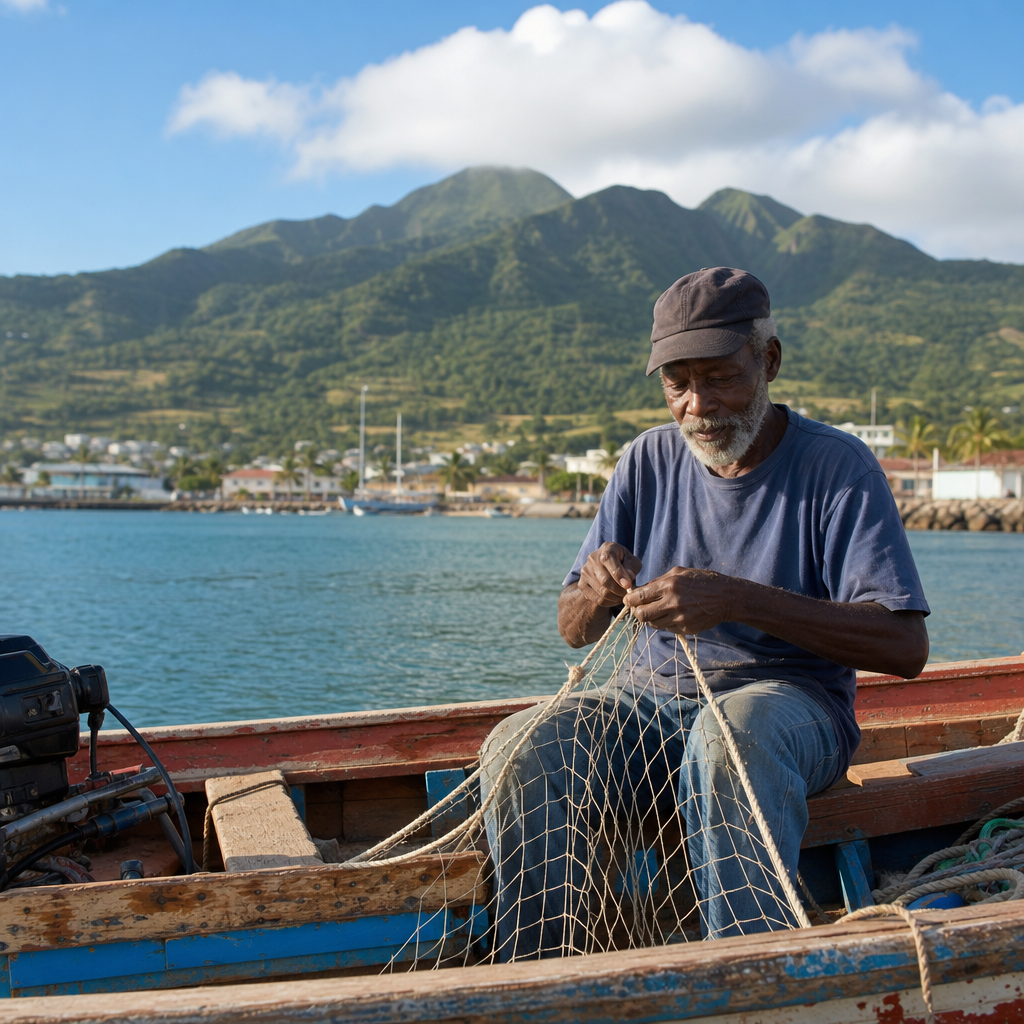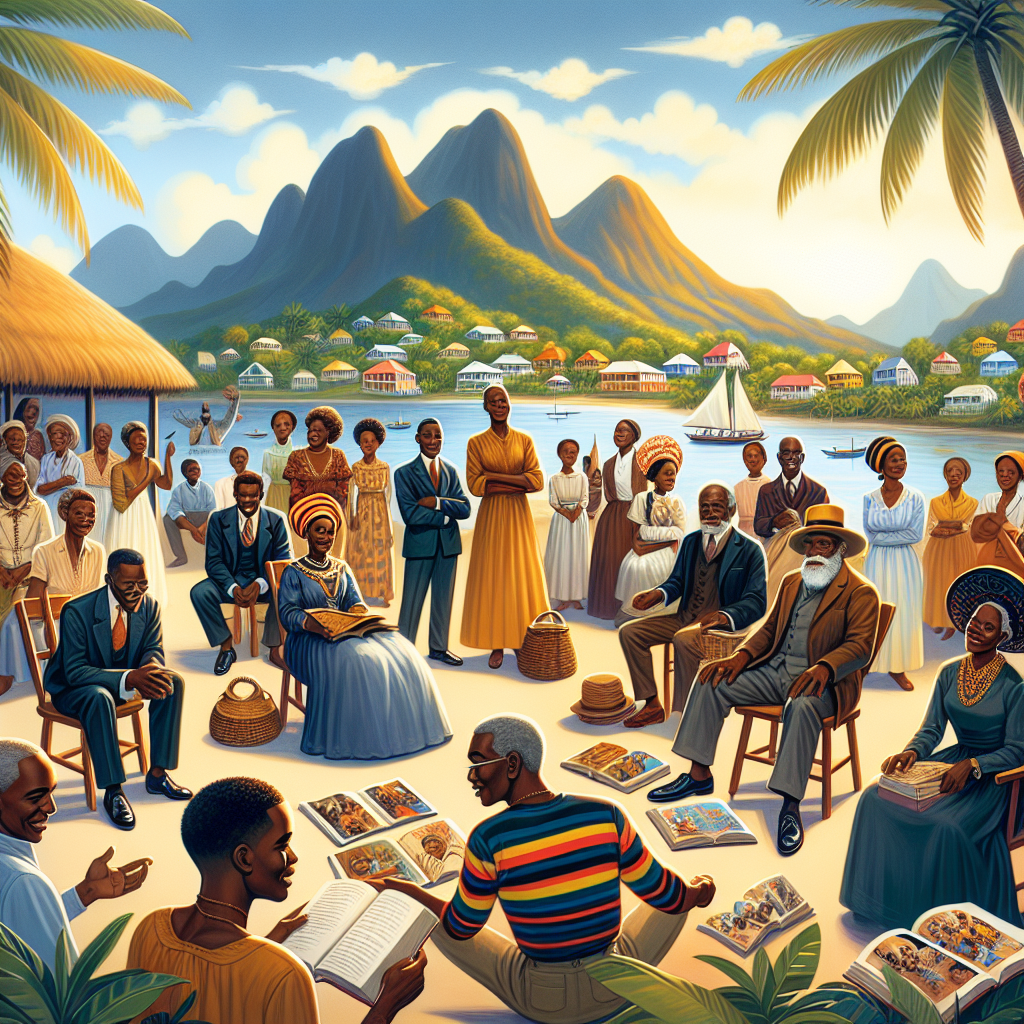
Every February, the twin-island nation of Saint Kitts and Nevis joins with the global community in celebrating Black History Month. This month-long observance honors the rich cultural heritage, notable achievements, and significant contributions of the African diaspora. Given the islands’ unique historical tapestry woven with African legacies, Black History Month serves as a pivotal time for both reflection and celebration.
Saint Kitts and Nevis, nestled in the Caribbean Sea’s azure waters, has a history that dates back to indigenous Amerindian peoples, but the islands’ narrative shifted drastically with the arrival of Europeans and Enslaved Africans. Today, approximately 90% of the Kittitian and Nevisian population is of African descent, deeply influencing the cultural and social fabric of these islands. Black History Month provides a meaningful opportunity to delve into these contributions and ensure that the stories of those who came before are not forgotten.
In this article, we will explore the origins of Black History Month and how it is commemorated in Saint Kitts and Nevis. We’ll highlight key events, historical sites, local heroes, and the collective call to keep the legacy of African history alive. This month is not just about looking back but also about drawing lessons applicable to present and future generations.
Understanding Black History Month
Black History Month, also known as African-American History Month in the United States, originated in 1926 as “Negro History Week” thanks to the efforts of historian Carter G. Woodson and the Association for the Study of Negro Life and History. It was established during the second week of February to coincide with the birthdays of Abraham Lincoln and Frederick Douglass, both key figures in the anti-slavery movement. Over time, the observance expanded to a month and spread across the globe, including regions with significant populations of African descent.
In Saint Kitts and Nevis, Black History Month isn’t just an import—it’s a crucial period for retelling the islands’ history and maintaining the cultural heritage carried by generations of African-descended peoples. The observance underscores the resilience, ingenuity, and duality of the African identity woven into the Kittitian and Nevisian fabric. It’s a time for educational events, performances, public lectures, and discussions that explore the historical context and current impact of the African legacy on the islands.
Key Events and Celebrations
Saint Kitts and Nevis hosts a series of culturally immersive events during Black History Month to educate and inspire. School programs are designed to teach students about the African roots of many local traditions and the significance of black pride. Teachers incorporate special lessons and facilitate discussions that emphasize historical milestones, prominent African descendants, and their influences.
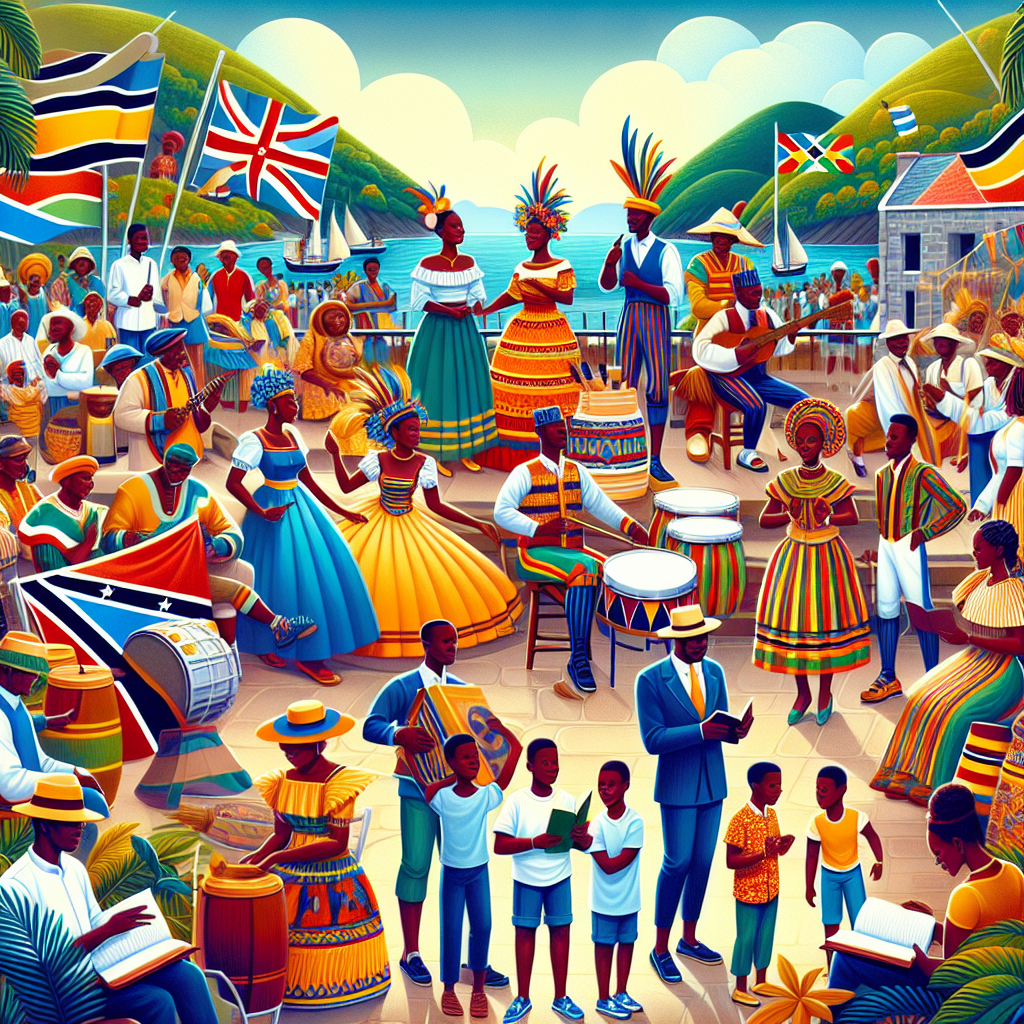
Cultural organizations often schedule public lectures, featuring historians and researchers who present their findings on topics ranging from the Transatlantic Slave Trade to post-emancipation society. Traditional music and dance performances highlight African rhythmic influences that remain evident in genres such as calypso and soca. Likewise, storytelling sessions recount folktales and historical narratives, ensuring that the oral traditions of African cultures are kept alive.
A highlight of the month is often the African-inspired fashion shows, where local designers display creations that mix traditional African garments with Caribbean aesthetics. Another significant event is the food festival, where attendees can indulge in dishes that reflect African culinary traditions blended with Caribbean flavors, showcasing the legacy of African cuisine.
Historic Sites and Tours
The celebration of Black History Month in Saint Kitts and Nevis also includes organized tours of historic sites pivotal in the African journey. Brimstone Hill Fortress, a UNESCO World Heritage site, is among the most significant. Built by enslaved Africans in the 17th and 18th centuries, it serves as a stark reminder of the fortitude and resilience of enslaved people.
Another notable site is the Spooner’s Estate, an old sugar plantation turned heritage site that brings to light the vital role of African labor in the plantation economy. Here, visitors can witness the ruins of cane-processing facilities and learn about the harsh realities faced by enslaved Africans who labored there.
Museums like the National Museum of Saint Kitts also play a role in these tours, featuring exhibits on the African diaspora’s history and cultural legacy. Similarly, the Alexander Hamilton House on Nevis, home to the Founding Father of the United States born on the island, also serves educational purposes by highlighting his interactions with the enslaved people and the contrast between their lived experiences.
Local Heroes and Influencers
Black History Month also shines a spotlight on the local heroes and influencers who have emerged from Saint Kitts and Nevis, making significant contributions to both local and international stages. Individuals like Sir Robert Llewellyn Bradshaw, the first Premier of St. Kitts and one of the most influential political figures in the Caribbean, are celebrated for their leadership and dedication to social justice.
The cultural icons include musicians such as King Ellie Matt, whose commanding contributions to calypso music reverberate throughout the Caribbean. Their artistic contributions demonstrate the enduring influence of African roots in creative expressions and enrich the cultural landscape.
Acknowledging writers and intellectuals like Caryl Phillips, who has garnered international acclaim for his works that often explore themes of identity and displacement, helps provide a rounded sense of the profound impact African descendants from Saint Kitts and Nevis have had across various fields.
Educational Outreach
An essential aspect of Black History Month in Saint Kitts and Nevis is the focus on educational outreach. Schools and universities incorporate the month’s theme into their curriculums, offering students deeper insights into African history and its implications on their current cultural identity. This increases awareness, understanding, and appreciation of the struggles and triumphs experienced by African ancestors.
Workshops and seminars organized by educational institutions cover a variety of topics, from the history of slavery and colonialism to the Afro-Caribbean migration patterns. These forums frequently invite community elders to share their personal experiences and stories, bridging the gap between generations and ensuring that history is passed down in its most authentic form.
Digital platforms and social media have also become increasingly pivotal in these educational initiatives, with podcasts, webinars, and virtual tours making black history accessible to a wider audience. This modern approach allows various aspects of black history and culture to reach global followers, making the observance more inclusive and far-reaching than ever.
Reflections and the Way Forward
As Black History Month culminates, it invites everyone to reflect on what has been learned and ponder ways to carry forward the lessons of the past. For the people of Saint Kitts and Nevis, this reflection often translates into a renewed commitment to preserving and promoting their rich cultural heritage.
Discussions during the month frequently delve into ongoing issues such as racial inequality, social justice, and economic disparity. These conversations strive to create actionable plans to address these challenges, promoting a more equitable society. The legacy of African ancestors becomes a guiding light in the modern quest for social reform and community development.
Community service initiatives often arise from these reflections. Projects that aim to uplift marginalized communities, provide educational resources, and promote cultural activities are common outcomes. Black History Month serves not just as a time of remembrance but as a catalyst for active change and progress within Saint Kitts and Nevis.
Conclusion
Black History Month in Saint Kitts and Nevis is a vibrant, reflective, and educational period that honors the extensive and profound impact of African heritage on the islands’ cultural, social, and political landscapes. Through a multitude of events, historic tours, and educational initiatives, the legacy of African ancestors is celebrated and preserved, inspiring future generations.
This observance highlights the strength, resilience, and creativity of African-descended peoples, ensuring their stories are heard, their contributions are acknowledged, and their history is kept alive. It is a powerful reminder of the significance of understanding and appreciating our collective past to build a brighter and more inclusive future.