Nevis, a major island in the Federation of Saint Kitts and Nevis, is often recognized for its stunning natural beauty, rich heritage, and vibrant culture. Yet, beneath its scenic landscapes and hospitable ambiance lies a turbulent and pivotal chapter in history—Nevis’ significant involvement in the Caribbean slave trade. This small, 36-square-mile island played a crucial role during a dark period when human lives were commodified and exploited for economic gain. In unraveling the story of Nevis’ part in the Caribbean slave trade, we delve into a past riddled with injustice and human suffering but also marked by resilience and strength.
Understanding Nevis’ role in the slave trade involves acknowledging the strategic importance of the Caribbean in the triangular trade that connected Africa, Europe, and the Americas. Enslaved Africans were forcibly brought across the Atlantic in harrowing conditions, stripped of their freedom and identities to contribute to the economic prosperity of European colonizers. In Nevis, the sugar plantations that dotted the island’s landscape became critical economic engines, fueled by the relentless labor of enslaved people.
This article provides a comprehensive exploration of the manifold aspects tied to Nevis’ involvement in the slave trade, breaking down complex historical nuances into digestible narratives. From detailing the everyday life of slaves on the island to the eventual abolitionist movements, we aim to paint a fuller picture of a history that should neither be forgotten nor sanitized. By examining Nevis’ role in the Caribbean slave trade, we hope to pay tribute to the strength and resilience of those who endured unimaginable hardship while also fostering a deeper understanding of a significant period that has shaped the island’s cultural and historical identity.
The Genesis of Nevis’ Involvement in the Slave Trade
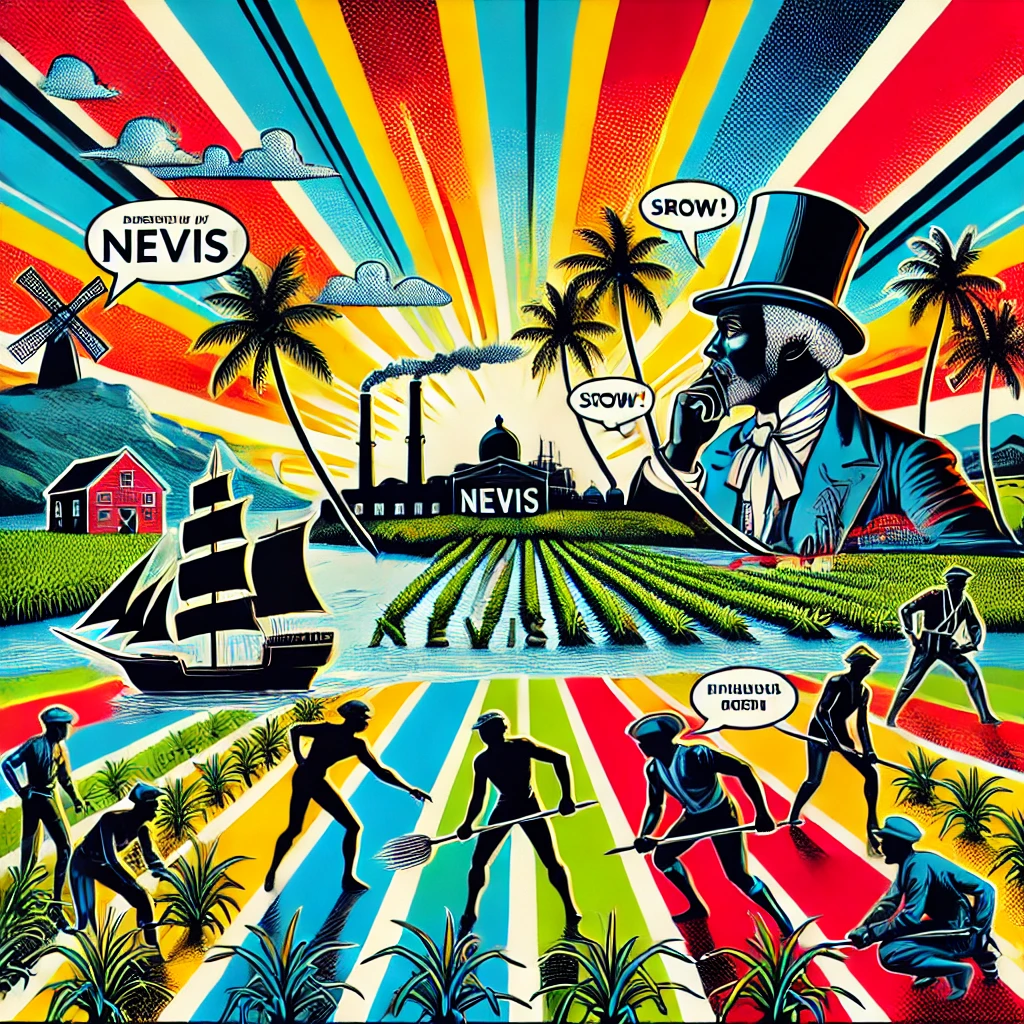
The initiation of Nevis into the machinations of the transatlantic slave trade can be traced back to the early 17th century. The island, first colonized by the British in 1628, quickly rose in prominence due to its conducive agricultural environment—a boon for sugar cultivation. Sugar cane quickly became the lifeblood of Nevis’ economy, transforming the island into one of the wealthiest British colonies in the Caribbean. However, the profitability of sugar came at a tremendous human cost.
The labor-intensive nature of sugar cultivation necessitated a sizable and dependable labor force, which indigenous populations and European settlers could not provide. The solution, as seen by European powers at the time, was the importation of enslaved Africans. Captured and sold in coastal West Africa, these individuals were transported across the Atlantic Ocean under brutal conditions in voyages often lasting several weeks. The few who survived the treacherous journey were sold at slave markets upon their arrival in Nevis.
By the late 1600s, the African slave population on Nevis vastly exceeded that of European settlers, fundamentally reshaping the island’s demographic and social structures. Enslaved Africans were subjected to harsh living conditions, grueling work hours, and systematic dehumanization designed to break their spirits while maximizing productivity for plantation owners. The fertile grounds and the burgeoning sugar industry turned Nevis into a pivotal cog in the machinery of the Caribbean slave trade, deeply embedding the island into a global system marked by unfathomable cruelty.
The Everyday Life of Enslaved People on Nevis
Life for enslaved people on Nevis was an unending struggle marked by physical toil, emotional torment, and social isolation. From dawn till dusk, they labored on the sugar plantations, performing backbreaking tasks such as cutting cane, maintaining fields, and operating the mills that processed the sugar. Women, men, and even children were not spared the harsh realities of plantation life, as everyone was expected to contribute to the relentless pace demanded by the sugar industry.
Living conditions were abysmally poor. Enslaved individuals resided in rudimentary huts often spaced near the plantations to allow for immediate supervision. These accommodations offered scant protection from the elements and minimal comfort. Health care was almost non-existent, and the enslaved people were left to fend for themselves when it came to issues of illness or injury, leading to frequent fatalities from diseases and untreated conditions.
Despite the extreme hardships, the African communities on Nevis managed to retain elements of their cultural heritage. They forged a unique socio-cultural landscape, blending traditional African rituals, music, and spiritual beliefs with the new realities imposed upon them. This cultural resilience served as a means of psychological survival, offering a semblance of hope and community amid the relentless brutality they faced daily. Family ties, although strained by the threat of separation and sale, remained a cornerstone of their existence, providing emotional support and a sense of identity.
Resistance and Rebellion: Acts of Defiance
Contrary to visions of resigned submission, many enslaved people on Nevis engaged in acts of resistance, ranging from subtle defiance to outright rebellion. Resistance took numerous forms, such as working slowly, sabotaging equipment, or feigning illness to disrupt the plantation’s operations. These acts, while often met with severe punishment, reflected the undying human spirit’s quest for dignity and autonomy.
On several occasions, Nevis also witnessed more organized forms of rebellion, albeit less frequent and generally suppressed with ruthless efficiency by colonial authorities. These organized acts of defiance were crucial awareness campaigns for the enslaved communities themselves and alerted the wider world to the inhuman conditions on the island. The memory of these resistances has since become an integral part of Nevis’ historical narrative, symbolizing the resilience and unyielding quest for freedom among its enslaved population.
Enslaved people also turned to cultural resistance as a tool for defiance. Folktales, songs, and spiritual practices often contained hidden messages of resistance and hope. These cultural expressions served multiple functions: preserving a sense of identity rooted in African traditions, acting as covert communication channels, and sustaining the communal spirit among enslaved populations. The traditions birthed from these acts of cultural resistance have endured and remain embedded in Nevisian culture today.
Abolition and Freedom: The End of an Era?
The wheels toward the abolition of slavery were set in motion through a combination of international pressures, economic changes, and relentless advocacy from both within and outside the colony. By the late 18th and early 19th centuries, the British abolitionist movement gained momentum, galvanized by the relentless campaigning of figures like William Wilberforce and the profound testimonies of formerly enslaved individuals such as Olaudah Equiano.
In Nevis, the changing economic circumstances also contributed to the decline of slavery. The profitability of sugar plantations began to wane due to competition, soil exhaustion, and the increasing inefficiency of a labor system reliant on forced servitude. The British Parliament enacted the Abolition of the Slave Trade Act in 1807, which outlawed the trade within the British Empire. However, it wasn’t until the Slavery Abolition Act of 1833 that enslaved people across the British colonies, including Nevis, were granted freedom, albeit with an “apprenticeship” system that delayed full emancipation until 1838.
The immediate aftermath of abolition was fraught with challenges. Freed individuals had to navigate a landscape still controlled by the very people who had enslaved them, often facing limited opportunities and continued exploitation under differing guises. Despite these challenges, the end of legal slavery marked a critical turning point, allowing formerly enslaved individuals to start rebuilding their lives, reclaiming their identities, and laying down the foundations for their descendants. The transformative impact of abolition is a legacy that continues to resonate, reminding us of the resilience and courage displayed by those who endured and overcame tremendous suffering.
The Legacy of the Slave Trade in Modern Nevis
The echoes of Nevis’ involvement in the Caribbean slave trade resonate through the island’s contemporary culture and society. Though the physical scars might have faded, the psychological and cultural marks of such a history remain. Understanding the legacy of the slave trade on Nevis is essential to appreciating the island’s complex identity today.
The lingering socio-economic disparities can often be traced back to the colonial and slave trade eras. Many communities still grapple with the remnants of systemic inequalities that had their roots in centuries of exploitation and oppression. Yet, it’s not all a tale of ongoing struggle; there’s a significant aspect of regeneration, cultural revival, and historical reclamation happening on the island.
Nevis honors its past through various monuments, museums, and cultural festivals. Sites such as the Cottle Church, built in 1824 (the first church where slaves were allowed to worship alongside plantation owners), serve as poignant reminders of the island’s multifaceted history. The Nevis Heritage Village and the Alexander Hamilton House also provide valuable insights into the daily lives of both the colonial elite and enslaved individuals.
Cultural events and festivals, such as the Emancipation Day celebrations, offer opportunities for reflection and remembrance, celebrating the resilience and contributions of enslaved Africans and their descendants. These events are not merely acts of remembrance but powerful affirmations of identity and cultural pride, reinforcing a narrative that acknowledges past injustices while looking forward to a more inclusive future.
Acknowledging and Educating: A Path Forward
Moving forward, the continued education and acknowledgment of Nevis’ role in the Caribbean slave trade are imperative. Comprehensive education programs in schools and public forums can ensure that this dark chapter is neither forgotten nor ignored. By teaching the younger generations about the complexities and brutalities of the past, we instill an understanding that is key to forging a more just and equitable future.
Public discourse and academic research also play crucial roles in uncovering less-explored aspects of the slave trade and its lasting impact on Nevisian society. Scholarships, historical documentaries, and written accounts from the descendants of enslaved individuals enrich the collective understanding, adding layers of nuance and depth to the narrative.
Tourism offers another avenue for education and enlightenment. Tourists looking to understand the full scope of Nevis’ history increasingly seek experiential visits that go beyond the island’s natural beauty to delve into its historical realities. Guided tours that offer detailed accounts of the slave trade, visits to plantations, and interactive exhibits can serve as eye-opening experiences, prompting reflections on human rights, dignity, and justice.
Ultimately, acknowledging Nevis’ role in the Caribbean slave trade fosters a deeper appreciation of the significant strides made towards equality and justice. It’s about ensuring that the stories of those who suffered and resisted are woven into the collective memory, honored, and learned from, enabling a more comprehensive and empathetic understanding of history.
Conclusion
Nevis’ involvement in the Caribbean slave trade is a complex and multifaceted narrative that encapsulates immense human suffering, incredible resilience, and the enduring quest for freedom. From the early days of sugar plantations to the harrowing experiences endured by enslaved Africans, the island’s history is inextricably linked to this dark chapter. By exploring various aspects, from the horrific daily realities faced by enslaved people to their acts of resistance and the eventual abolition of slavery, we gain a richer understanding of Nevis’ historical landscape.
The legacy of the slave trade continues to shape Nevis’ contemporary culture, reminding us of the importance of acknowledging and educating future generations about this significant period. By honoring the memories of those who endured and resisted, Nevis ensures that their stories are never forgotten. Through education, public discourse, and tourism, the island is paving the way for enlightenment and reflection, fostering a deeper appreciation of the strides made towards equality and justice.
As we look back on Nevis’ role in the Caribbean slave trade, we are reminded not only of the profound impact of this history but also of the unyielding spirit of those who lived through it. Their resilience and strength continue to inspire, guiding Nevis towards a future where the memories of the past are honored, and the lessons learned are used to build a more just and inclusive society.