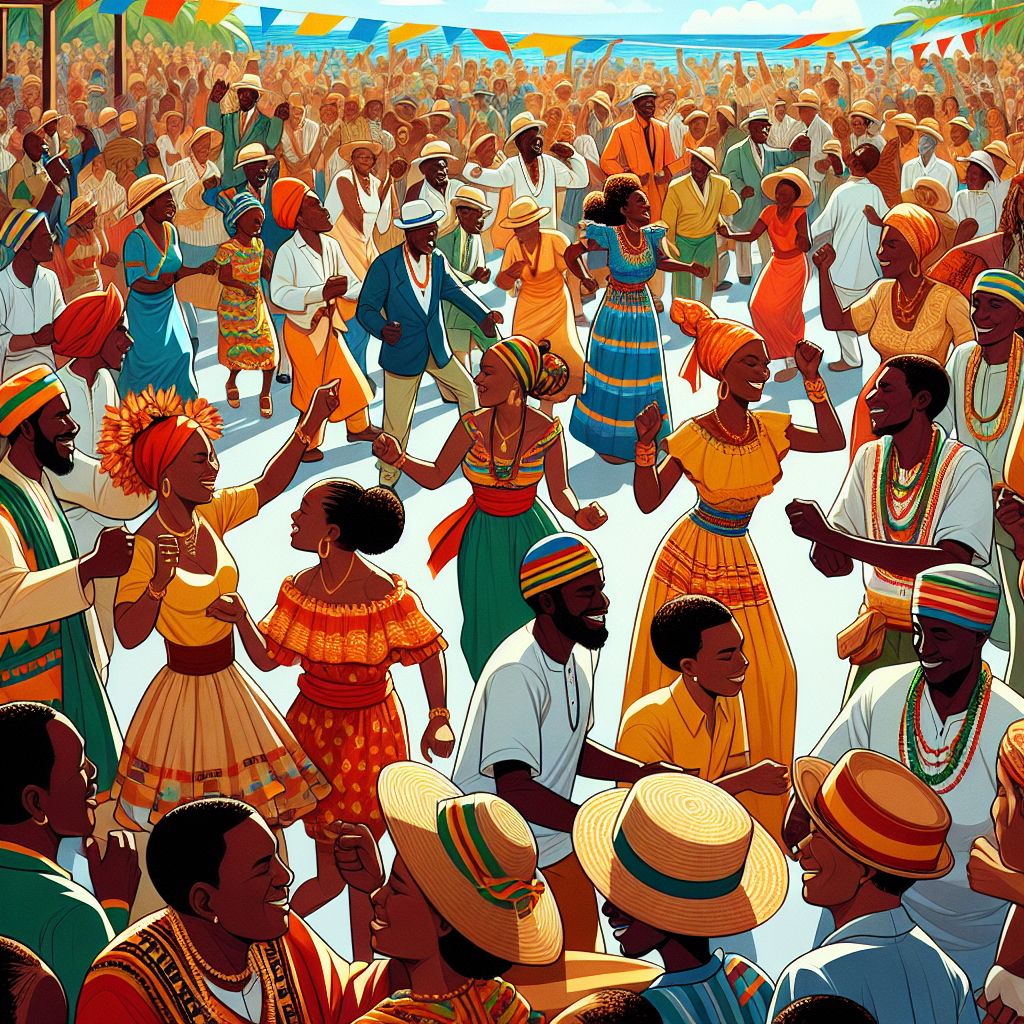
Emancipation Day is a momentous occasion in Saint Kitts and Nevis, celebrated annually on August 1st. This day commemorates the abolition of slavery in the British Empire in 1834, and it holds profound significance for the people of Saint Kitts and Nevis. The observance is a confluence of historical reflection, cultural expressions, and communal celebrations, making it a vibrant and pivotal episode in the nation’s calendar. The significance of Emancipation Day extends beyond mere remembrance; it is a celebration of freedom, resilience, and the rich cultural heritage of the Kittitian and Nevisian people.
The history of Emancipation Day is deeply interwoven with the island’s colonial past, the transatlantic slave trade, and the indomitable spirit of the enslaved Africans who toiled on the sugar plantations. Understanding this historical context is essential to fully appreciate the profound importance of Emancipation Day. It is not just about commemorating the abolition of slavery; it is about acknowledging the struggles and sacrifices of those who fought for freedom and the enduring legacy they left behind.
This article delves into the rich history and cultural observance of Emancipation Day in Saint Kitts and Nevis. It explores the origins of the day, the historical context surrounding it, how it has been celebrated through the years, and its significance in contemporary society. By examining the multifaceted aspects of Emancipation Day, we gain a deeper understanding of its enduring importance in Saint Kitts and Nevis.
Historical Context of Emancipation Day
The history of Emancipation Day in Saint Kitts and Nevis traces back to the days of colonial rule and the inhumane transatlantic slave trade. During the 17th and 18th centuries, the islands were among the wealthiest in the British Caribbean due to their prolific sugar plantations, which relied heavily on the labor of enslaved Africans. The brutal conditions endured by the enslaved population are a somber reminder of this dark period in history.
The movement towards emancipation gained momentum in the 19th century, driven by a combination of factors, including the tireless efforts of abolitionists, economic changes, and persistent resistance from the enslaved population. The British government eventually enacted the Slavery Abolition Act in 1833, which came into effect on August 1, 1834. This legislation legally freed over 800,000 enslaved Africans in the British colonies, including those in Saint Kitts and Nevis.
It’s important to note that the path to emancipation was not straightforward or immediate. Initially, the newly freed individuals were subjected to a period of “apprenticeship,” which required them to continue working for their former masters for a set number of years. This system was met with opposition and was eventually abolished in 1838, marking the true beginning of freedom for the formerly enslaved populations.
The historical context of Emancipation Day in Saint Kitts and Nevis is a testament to the resilience and endurance of the African ancestors who played a crucial role in shaping the islands’ cultural and social landscape. Their legacy is honored and remembered through the annual observance of Emancipation Day.
Evolution of Emancipation Day Celebrations
Over the years, the celebration of Emancipation Day in Saint Kitts and Nevis has evolved to become a vibrant and inclusive event that reflects the islands’ rich cultural heritage. Initially, the observance was a solemn affair, with communities gathering to honor the sacrifices and struggles of their ancestors. However, as the years passed, the celebrations expanded to incorporate various cultural expressions, transforming the day into a jubilant and festive occasion.
The evolution of Emancipation Day celebrations is a testament to the dynamic nature of cultural practices. Traditional forms of expression, such as drumming, dancing, and storytelling, have been preserved and integrated into the festivities. Additionally, new elements, such as parades, concerts, and cultural exhibitions, have been introduced, providing a platform for showcasing the islands’ vibrant cultural heritage.
The celebrations now encompass a wide range of activities, from religious services and educational programs to music, dance, and culinary events. These activities serve to educate the younger generations about their history and heritage, ensuring that the legacy of the ancestors continues to be honored and remembered. The inclusion of various cultural expressions in the celebrations also highlights the diversity and richness of Kittitian and Nevisian culture.
The evolution of Emancipation Day celebrations reflects the broader societal changes in Saint Kitts and Nevis. It demonstrates the community’s resilience and ability to adapt and innovate while preserving the core values and traditions that define their cultural identity.

Significance of Emancipation Day in Contemporary Society
In contemporary Saint Kitts and Nevis, Emancipation Day holds profound significance as a symbol of freedom, unity, and cultural pride. The day is not just a historical commemoration; it is a celebration of the values and principles that define the nation’s identity. It serves as a reminder of the struggles and sacrifices of the ancestors and the enduring legacy of their fight for freedom.
Emancipation Day provides an opportunity for the community to come together and reflect on the shared history and heritage. It fosters a sense of unity and solidarity, as people from all walks of life participate in the celebrations. The day also serves as a platform for promoting cultural awareness and education, encouraging the younger generations to learn about their history and heritage.
The significance of Emancipation Day extends beyond the local community. It resonates with the broader Caribbean and African diaspora, serving as a reminder of the shared history and struggles of people of African descent. It is a day of collective remembrance and celebration, highlighting the contributions and achievements of the African ancestors.
In contemporary society, Emancipation Day serves as a powerful reminder of the importance of freedom, equality, and justice. It underscores the need to continue the fight against all forms of oppression and discrimination, ensuring that the values and principles of the ancestors are upheld and honored.
Cultural Expressions During Emancipation Day
Cultural expressions are a central component of Emancipation Day celebrations in Saint Kitts and Nevis. These expressions, deeply rooted in African traditions and heritage, serve to honor and preserve the cultural identity of the Kittitian and Nevisian people.
Music and dance play a pivotal role in the celebrations. Traditional drumming, soca, reggae, and calypso performances reflect the islands’ rich musical heritage. These performances not only provide entertainment but also serve as a form of storytelling, conveying the history and experiences of the ancestors.
Art and craft exhibitions showcase the creativity and talent of local artisans. These exhibitions often feature traditional African art forms, such as mask-making, pottery, and weaving, highlighting the cultural connections between the past and present. Culinary events, featuring traditional dishes such as goat water, conch fritters, and johnny cakes, provide a taste of the islands’ culinary heritage.
Theatrical performances and storytelling sessions offer a poignant reflection on the history and legacy of the ancestors. These performances often reenact historical events and personal narratives, providing a powerful and engaging way to educate and inspire the audience.
Cultural expressions during Emancipation Day celebrations provide a vibrant and dynamic showcase of the islands’ rich cultural heritage. They serve to honor the ancestors, educate the younger generations, and celebrate the diversity and resilience of the Kittitian and Nevisian people.
Emancipation Day Observances Around the Islands
Emancipation Day observances in Saint Kitts and Nevis vary across the islands, reflecting the diverse cultural practices and traditions of the communities. While the core elements of the celebrations, such as music, dance, and storytelling, are common to all, each island and community adds its unique touch to the festivities.
In Saint Kitts, the capital city of Basseterre often hosts the largest and most vibrant celebrations. The streets come alive with parades, music, and dance, culminating in a grand cultural festival. The city’s historical sites, such as the Brimstone Hill Fortress and Independence Square, provide a poignant backdrop for the celebrations.
In Nevis, the celebrations are often more intimate and community-focused. The island’s rich cultural heritage is showcased through traditional performances, craft exhibitions, and culinary events. The Nevisian observances often include educational programs and workshops, providing an opportunity for the community to learn about their history and heritage.
The observances on the smaller communities and rural areas are marked by a strong sense of community and tradition. Local churches, schools, and community centers often host events, providing a platform for the community to come together and celebrate their heritage. These observances often feature traditional rituals and practices, reflecting the unique cultural identity of each community.
Emancipation Day observances across the islands provide a diverse and dynamic showcase of the cultural heritage of Saint Kitts and Nevis. They reflect the rich tapestry of traditions and practices that define the islands’ cultural identity and provide a poignant reminder of the shared history and legacy of the ancestors.
Conclusion
Emancipation Day in Saint Kitts and Nevis is a profoundly significant observance that commemorates the abolition of slavery and celebrates the rich cultural heritage of the Kittitian and Nevisian people. The day is marked by a confluence of historical reflection, cultural expressions, and communal celebrations, making it a vibrant and pivotal episode in the nation’s calendar.
The historical context of Emancipation Day, rooted in the colonial past and the transatlantic slave trade, serves as a poignant reminder of the struggles and sacrifices of the ancestors. The evolution of the celebrations, incorporating traditional and contemporary cultural expressions, reflects the dynamic nature of cultural practices and the resilience of the community.
In contemporary society, Emancipation Day holds profound significance as a symbol of freedom, unity, and cultural pride. It provides an opportunity for the community to come together, reflect on their shared history and heritage, and promote cultural awareness and education. The day also resonates with the broader Caribbean and African diaspora, highlighting the shared history and struggles of people of African descent.
The cultural expressions during Emancipation Day celebrations, from music and dance to art and culinary events, provide a vibrant and dynamic showcase of the islands’ rich cultural heritage. The observances across the islands, reflecting the diverse cultural practices and traditions of the communities, provide a poignant reminder of the shared history and legacy of the ancestors.
As we celebrate Emancipation Day in Saint Kitts and Nevis, we honor the resilience and endurance of the African ancestors who played a crucial role in shaping the islands’ cultural and social landscape. Let us continue to celebrate their legacy, promote cultural awareness, and uphold the values and principles they fought for, ensuring that their sacrifices are remembered and honored for generations to come.