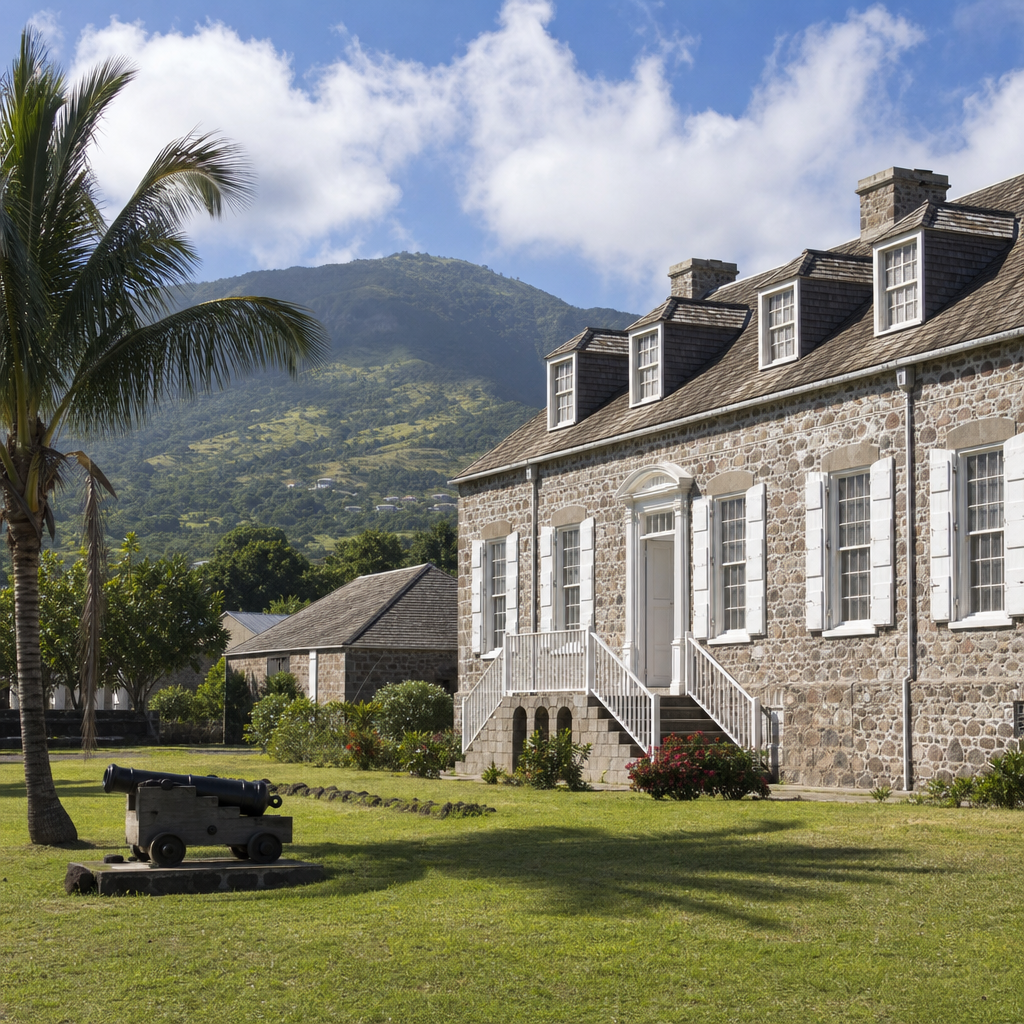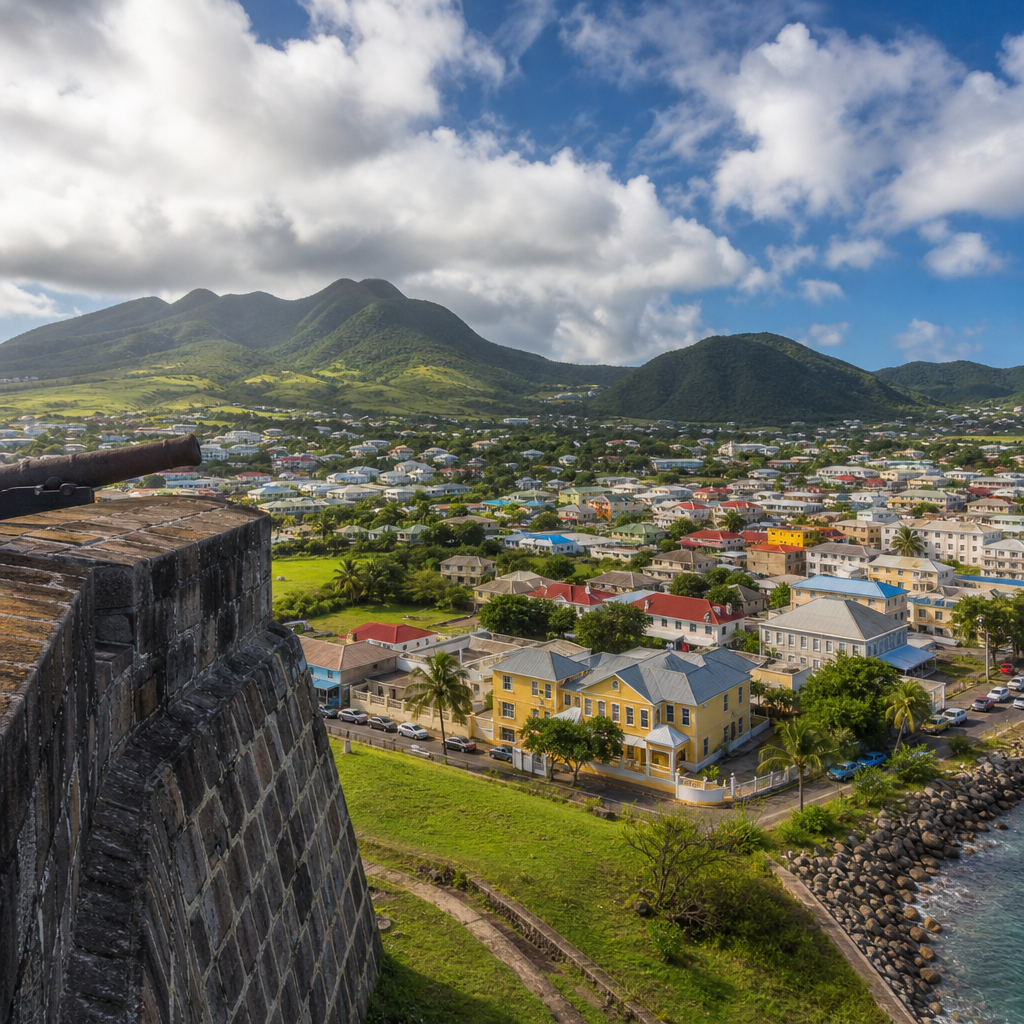
Nestled in the heart of the Caribbean, Saint Kitts and Nevis hold a special place in the annals of history. Particularly, Nevis, the smaller of the two islands, boasts a rich historical tapestry that is both captivating and unique. As we celebrate independence, let’s embark on a journey through some of the key historical events that have shaped Nevis.
Early Encounters and Settlements
Our story begins in 1493, when Christopher Columbus, on his second voyage, sighted what is now known as Saint Kitts and Nevis. The Carib people originally inhabited these islands. The English, led by Sir Thomas Warner, established the first successful English colony in the West Indies at Old Road on Saint Kitts in 1623. French colonization soon followed, adding to the cultural diversity of the islands.
Colonial Rivalry and Strategic Importance
The 17th and 18th centuries saw Nevis at the center of colonial rivalry due to its strategic location and valuable sugar plantations. The French and the British frequently contested for control over the islands. In 1804, during the Napoleonic Wars, French Admiral Édouard Thomas Burgues de Missiessy and General La Grange exacted ransoms from both Nevis and Saint Kitts, indicating the islands’ significant value to colonial powers.
Religious and Social Landscape
The religious and social landscape of Nevis is a testament to its diverse colonial history. The Roman Catholic religion was practiced by the French settlers, while the Church of England was predominant among the English. Interestingly, a Jewish synagogue existed on Nevis as early as 1684. The Moravian Church and the Methodist Church were also established in the 18th century, highlighting the religious pluralism of the island.
End of Slavery and Social Changes
A pivotal moment in Nevis’ history was the abolition of the slave trade in the British Empire in 1807, followed by the outlawing of slavery in 1834. This led to the emancipation of thousands of slaves on the islands, marking a significant social and economic shift. The subsequent years were challenging, with natural disasters like hurricanes, droughts, and a cholera epidemic, impacting the population and the sugar industry.
Towards Independence
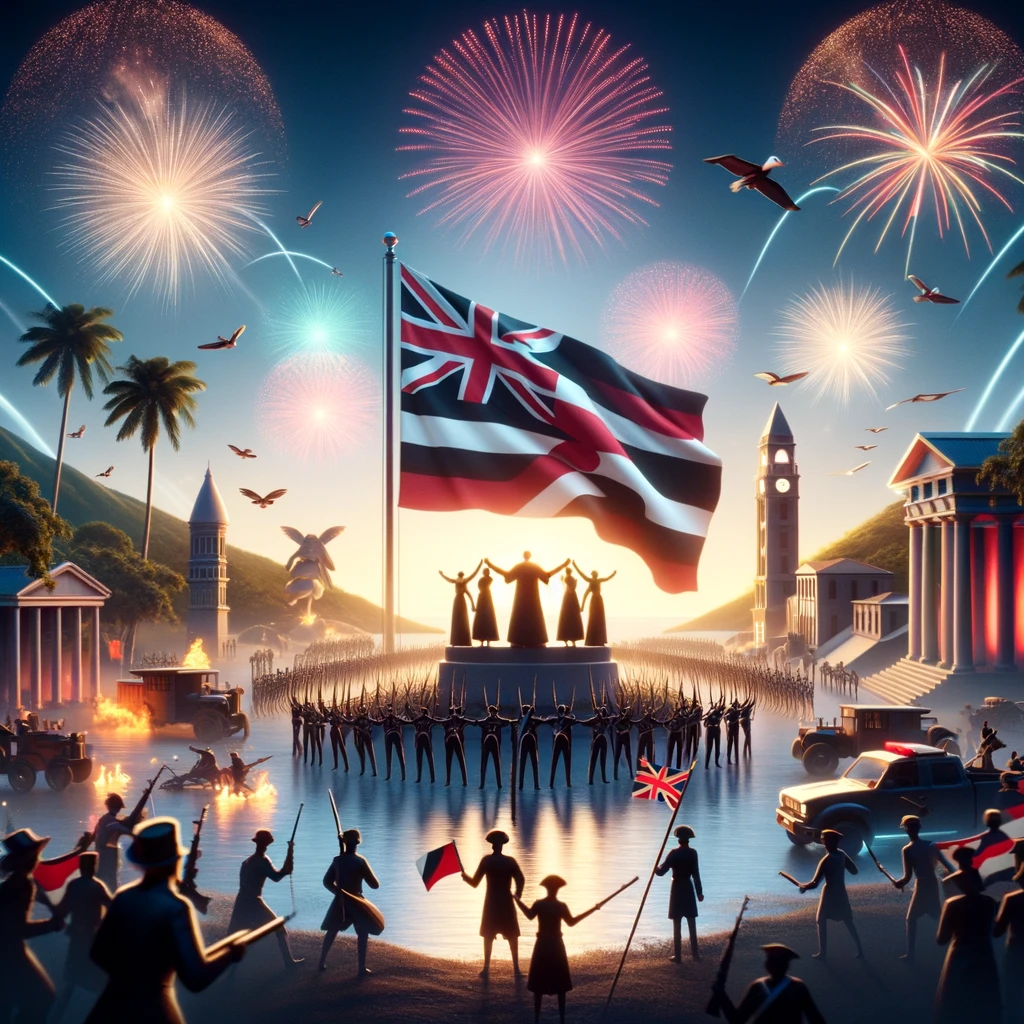
As the 20th century progressed, the drive for self-governance and independence gained momentum. Saint Kitts and Nevis, along with Anguilla, became a self-governing state in association with Great Britain in 1967. Eventually, on September 19, 1983, Saint Kitts and Nevis achieved full independence from the United Kingdom, heralding a new era for the islands.
Cultural Melting Pot
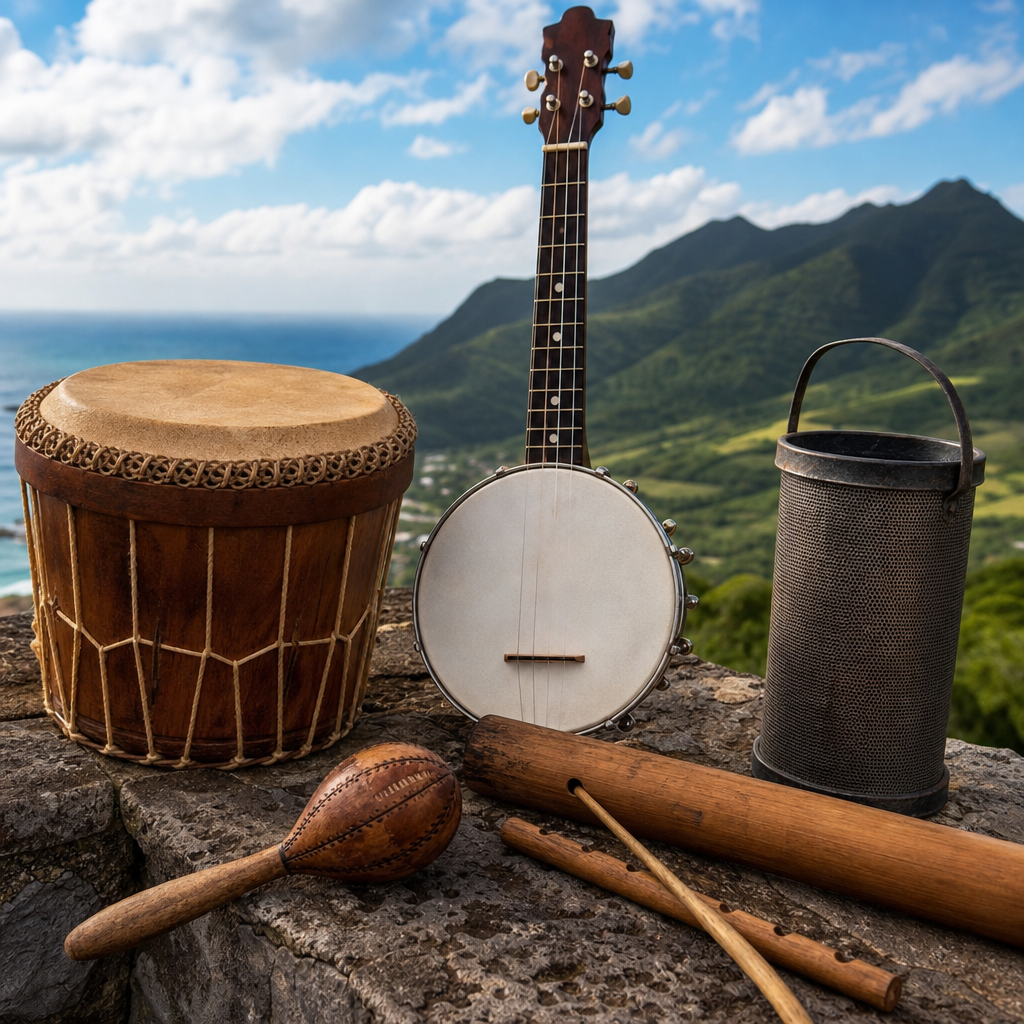
The culture of Nevis is a vibrant blend of African, British, and Caribbean influences. Traditional West Indian cuisine, with its mix of seafood, meats, and fresh produce, defines the culinary landscape. Goat water stew and cook-up are just a couple of the traditional dishes that reflect the island’s cultural diversity.
Artistically, the island’s craftsmen and women create beautiful pottery, wood carvings, and other crafts that embody the islands’ rich heritage and natural beauty. Performances arts, particularly music and dance, play a significant role in Nevisian culture, with events like the annual Carnival and Culturama showcasing the island’s festive spirit.
Nature’s Bounty
Apart from its rich history and culture, Nevis is blessed with stunning natural landscapes. From the challenging hike to the summit of Mount Liamuiga to the pristine beaches, the island offers a range of experiences for nature lovers.

A Nation of Festivals and Traditions
Nevis’ calendar is dotted with festivals and traditions that celebrate its rich cultural heritage. The most famous of these is the annual Carnival, held in December and January. This exuberant event features colorful parades, masquerades, and music, symbolizing the island’s spirit. Each costume, dance, and song during the Carnival tells a story of the island’s past and its vibrant present.
Another noteworthy event is the Culturama festival. Held in late July to early August, it celebrates the emancipation of slaves in the 1830s. This festival is an excellent display of the island’s music, dance, and folklore, allowing both locals and visitors to immerse themselves in the cultural depth of Nevis.
Sports: A Reflection of Colonial Influence
Reflecting its British colonial past, cricket is the most beloved sport in Nevis. It is played both as a serious sport and a leisurely pastime across the islands. Horse racing is also a popular sport, particularly in Nevis, where the events are not just about the sport but also about community gatherings with music and food, exemplifying the island’s communal spirit.
Education and Literacy
Nevis boasts a high literacy rate, with education being a significant focus. The island’s schools and colleges, influenced by the British educational system, provide a solid foundation for its youth. The emphasis on education has been instrumental in shaping a skilled workforce and has played a vital role in the island’s development post-independence.
Economy and Development
The economy of Saint Kitts and Nevis, once heavily reliant on sugar production, has diversified over the years. Today, it includes tourism, export-oriented manufacturing, and financial services. The decline in sugar prices and the competition from other regions hastened this transition, steering the economy towards more sustainable sectors.
Tourism is now a major contributor to the economy, with the islands’ natural beauty, historic sites, and rich culture attracting visitors from around the world. The government’s initiatives in promoting eco-tourism and preserving the islands’ natural habitats have further enhanced their appeal as a tourist destination.
Independence: A New Beginning
The independence of Saint Kitts and Nevis in 1983 was more than just a political event. It marked the beginning of a new chapter in the islands’ history, fostering a sense of national identity and pride. The transition to a self-governing nation has allowed Nevis to chart its own course, focusing on sustainable development and cultural preservation.
Modern Challenges and the Way Forward
Like many island nations, Nevis faces its set of challenges, including environmental concerns, economic fluctuations, and the need for sustainable development. The government and the people of Nevis are actively engaged in addressing these issues, striving to balance economic growth with environmental stewardship.
Conclusion
As we look back on the history of Nevis, from its early days of colonial rule to its current status as an independent nation, we see a story of resilience, cultural richness, and communal spirit. The celebration of independence is not just about remembering the past; it’s about appreciating the present and looking forward to a bright future. Nevis continues to stand as a testament to the enduring spirit of its people and the enchanting allure of its culture and heritage.