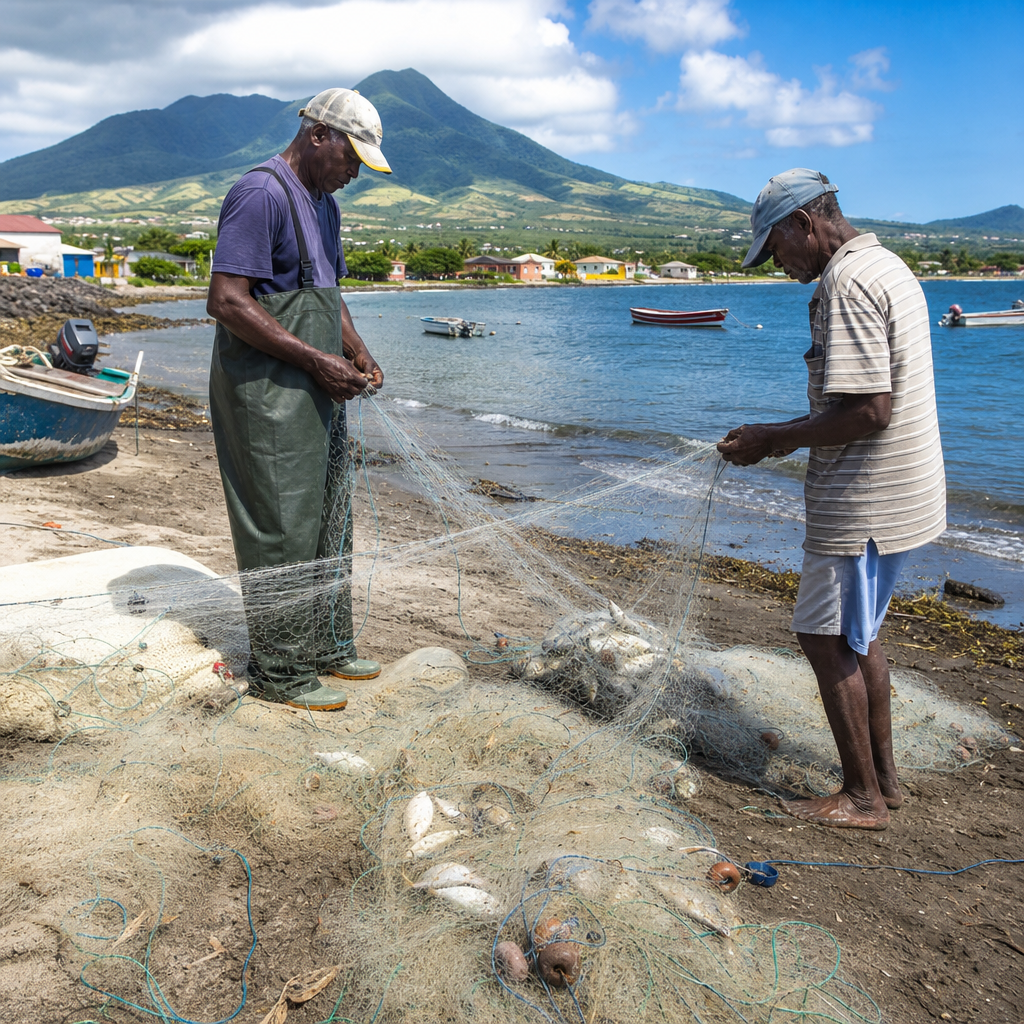
Nestled in the West Indies, Saint Kitts and Nevis is a dual-island nation rich in history and culture. The story of this unique Caribbean paradise is deeply intertwined with a blend of indigenous, African, European, and Asian influences, making it a melting pot of traditions and heritage. From the verdant landscapes of Saint Kitts to the pristine beaches of Nevis, the islands offer a kaleidoscope of experiences that exhibit both historical depth and cultural vibrancy.
Understanding the cultural heritage of Saint Kitts and Nevis requires delving into its past, a journey that brings to life the intricate narratives of colonialism, slavery, and independence. Throughout this article, we will explore how the cultural heritage of this island nation is preserved and cherished, ensuring that future generations are able to appreciate and learn from the rich tapestry of its history.
Travel enthusiasts and history buffs alike will find themselves enchanted by the myriad cultural landmarks, festivals, and traditions that paint a vivid picture of life in Saint Kitts and Nevis. This article aims to provide a comprehensive guide to understanding and experiencing the cultural legacy of this beautiful nation, offering insights into its preservation efforts and highlighting the importance of safeguarding its unique heritage.
Join us as we embark on a fascinating exploration of Saint Kitts and Nevis, uncovering the elements that contribute to its distinct cultural identity and celebrating the endeavors to maintain its historical essence amidst modern advancements.
The Historical Tapestry of Saint Kitts and Nevis
The story of Saint Kitts and Nevis begins long before European explorers set foot on its shores. The islands were initially inhabited by the Carib and Arawak peoples, who developed their own vibrant cultures and societies. These early inhabitants left behind a legacy of artifacts and rock carvings that can still be found on the islands today.
The arrival of Christopher Columbus in 1493 marked the beginning of European interest in the islands. Colonization efforts by both the British and the French led to a turbulent history of territorial disputes, slave trade, and plantation economies. Saint Kitts, known as the “Mother Colony of the West Indies,” became a central hub for European powers vying for control in the Caribbean.
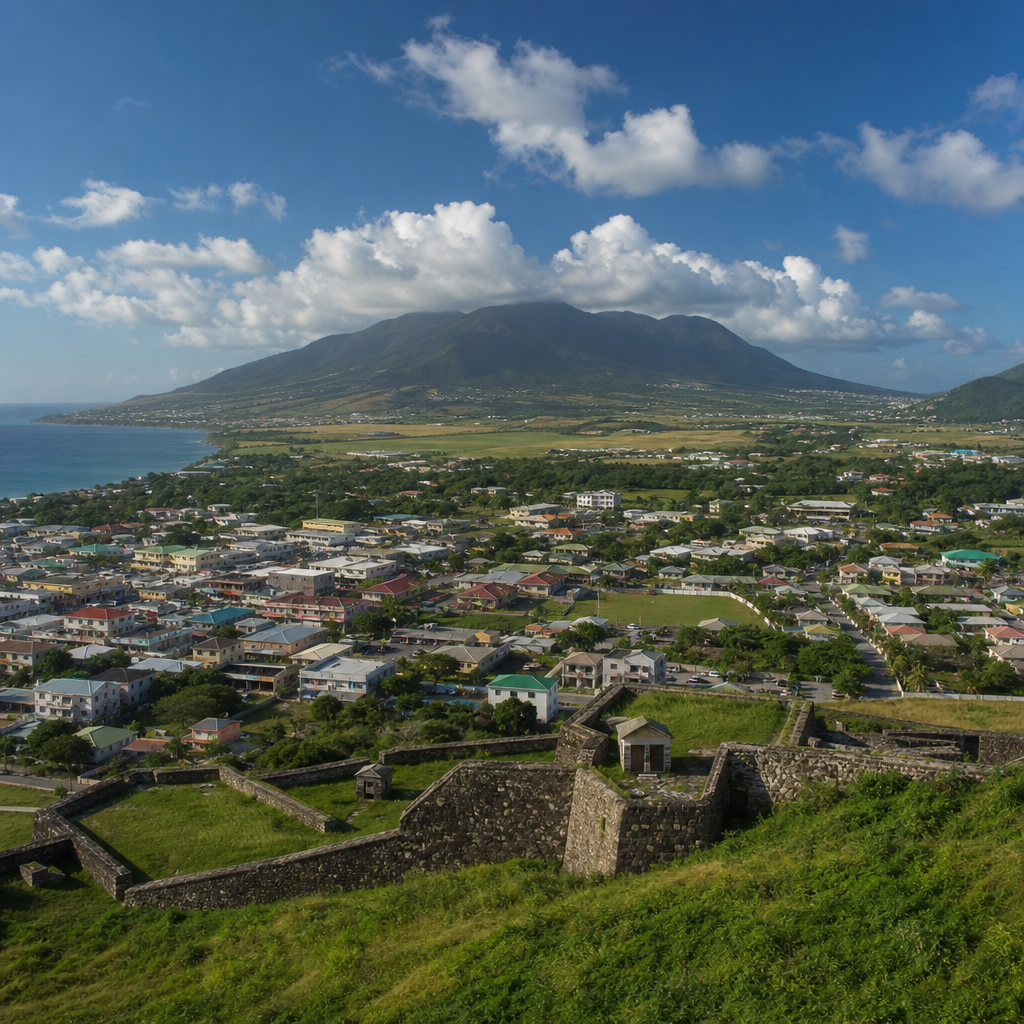
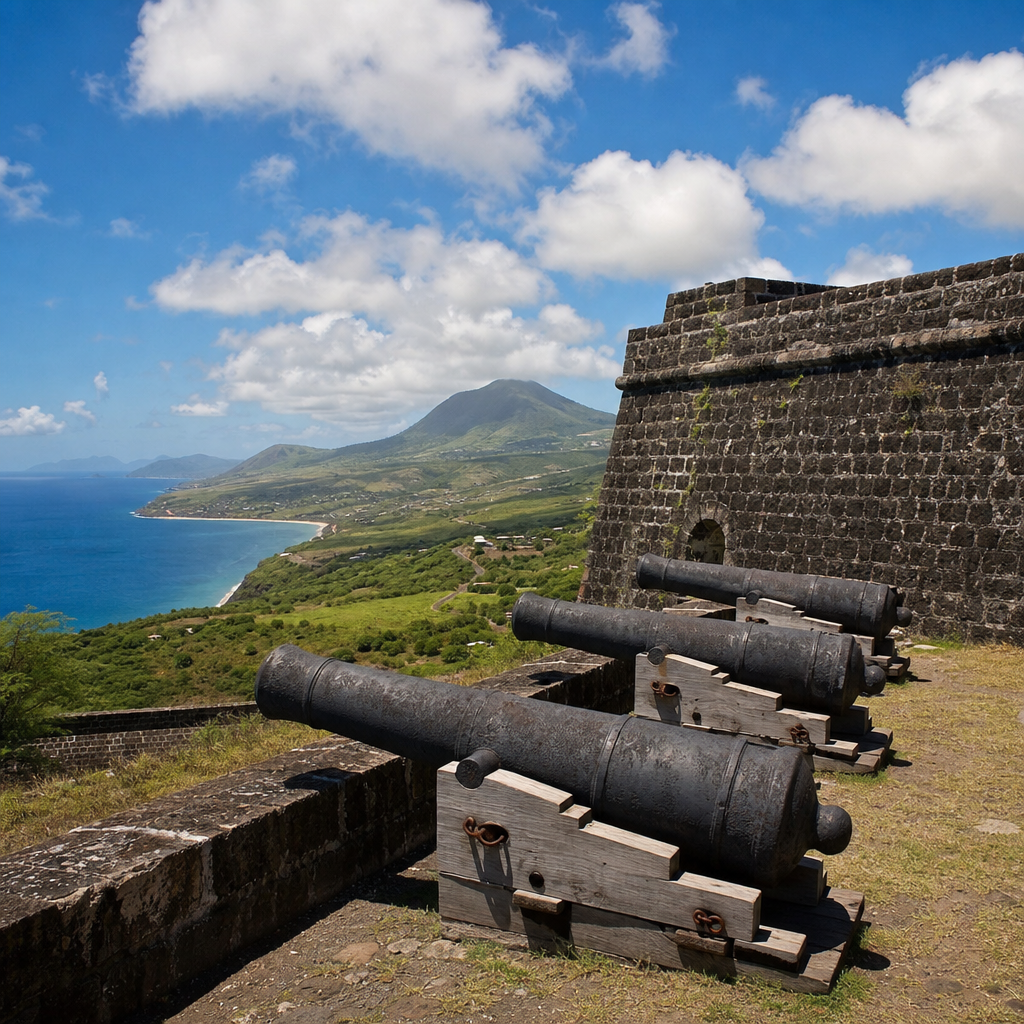
The impacts of colonialism are still evident in the architecture and place names across the islands. Brimstone Hill Fortress, a UNESCO World Heritage site, stands as a testament to the strategic military importance of Saint Kitts. This imposing structure offers panoramic views of the island and serves as a poignant reminder of the colonial era.
The emancipation of enslaved Africans in 1834 marked a significant turning point in the history of Saint Kitts and Nevis. The legacy of slavery and the contributions of African descendants are deeply embedded in the cultural fabric of the islands, influencing everything from music and dance to cuisine and religious practices. Today, the islands celebrate this diverse heritage through various cultural events and festivals that honor their collective past.
Cultural Landmarks and Heritage Sites
Saint Kitts and Nevis boast a plethora of cultural landmarks and heritage sites that offer a glimpse into their storied past. One of the most significant is the aforementioned Brimstone Hill Fortress, often referred to as the “Gibraltar of the West Indies.” Built by African enslaved people under British command, this fortress highlights the resilience and skill of its builders and stands as a symbol of endurance.
Another notable site on Saint Kitts is the Romney Manor, home to the Caribelle Batik. This historic estate dates back to the early 17th century and offers visitors an opportunity to witness the traditional art of batik-making, a craft that has been preserved and passed down through generations. The lush botanical gardens surrounding the manor add to the charm of this cultural attraction.
In Nevis, the Bath Hotel and Spring House is a must-visit for history enthusiasts. As the first hotel built in the Caribbean in 1778, it attracted notable guests including Lord Nelson and Alexander Hamilton. The nearby hot springs, believed to have therapeutic properties, continue to draw visitors seeking relaxation and rejuvenation.
These cultural landmarks and heritage sites not only serve as tourist attractions but also play a crucial role in preserving and promoting the history and culture of Saint Kitts and Nevis. Through careful conservation efforts and educational initiatives, these sites ensure that the stories of the past remain alive for future generations to learn from and appreciate.
Festivals and Cultural Celebrations
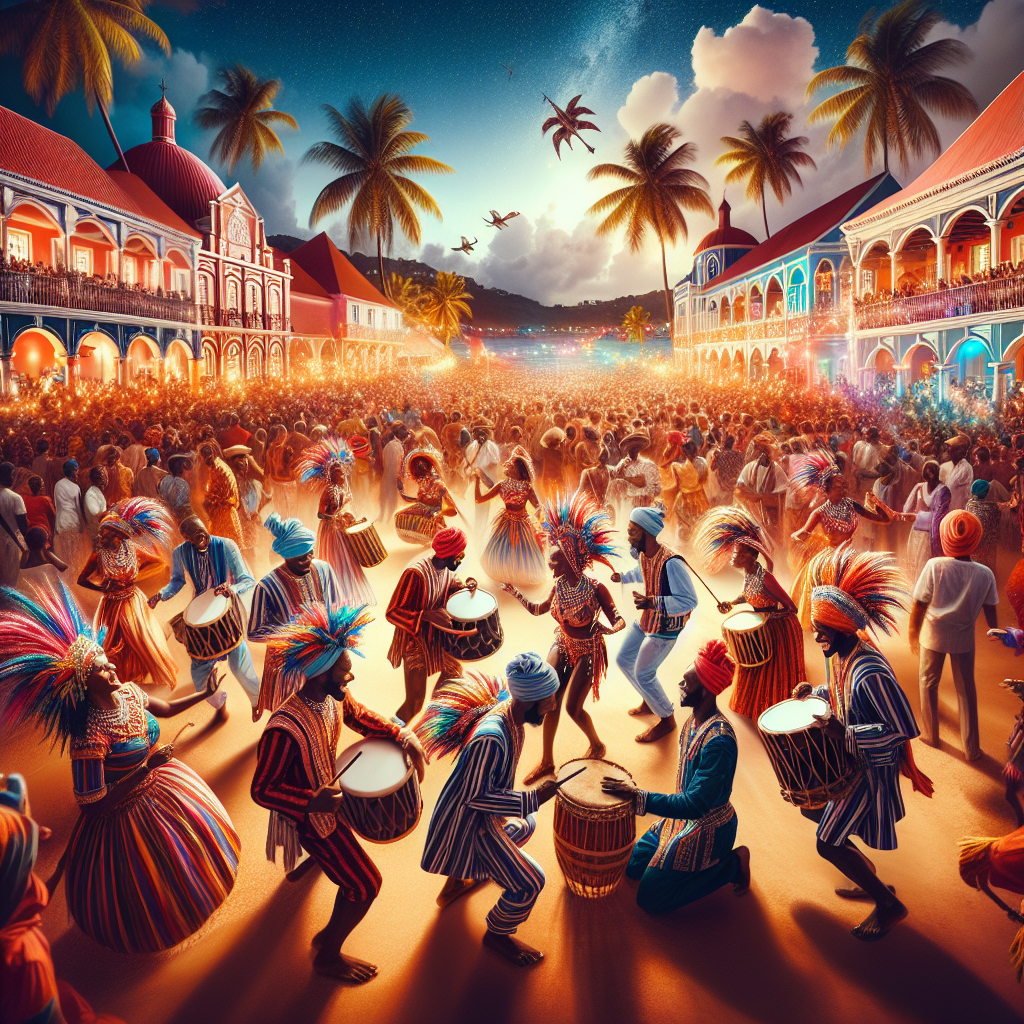
Festivals and cultural celebrations in Saint Kitts and Nevis are vibrant expressions of the islands’ rich heritage. These events bring together communities, both local and international, in a shared celebration of culture, music, dance, and culinary delights.
The Saint Kitts Music Festival, held annually in June, is one of the Caribbean’s premier music events. It features an eclectic mix of genres, including soca, reggae, jazz, and Calypso, drawing renowned artists from around the world. This festival is not just a musical extravaganza but a reflection of the diverse cultural influences that shape the islands.
Culturama, celebrated in Nevis every August, is another major cultural event. This festival showcases traditional music, dance, literary arts, and pageantry, offering a unique insight into the island’s heritage. Culturama commemorates the emancipation of enslaved Africans and celebrates the resilience and creativity of the Nevisian people.
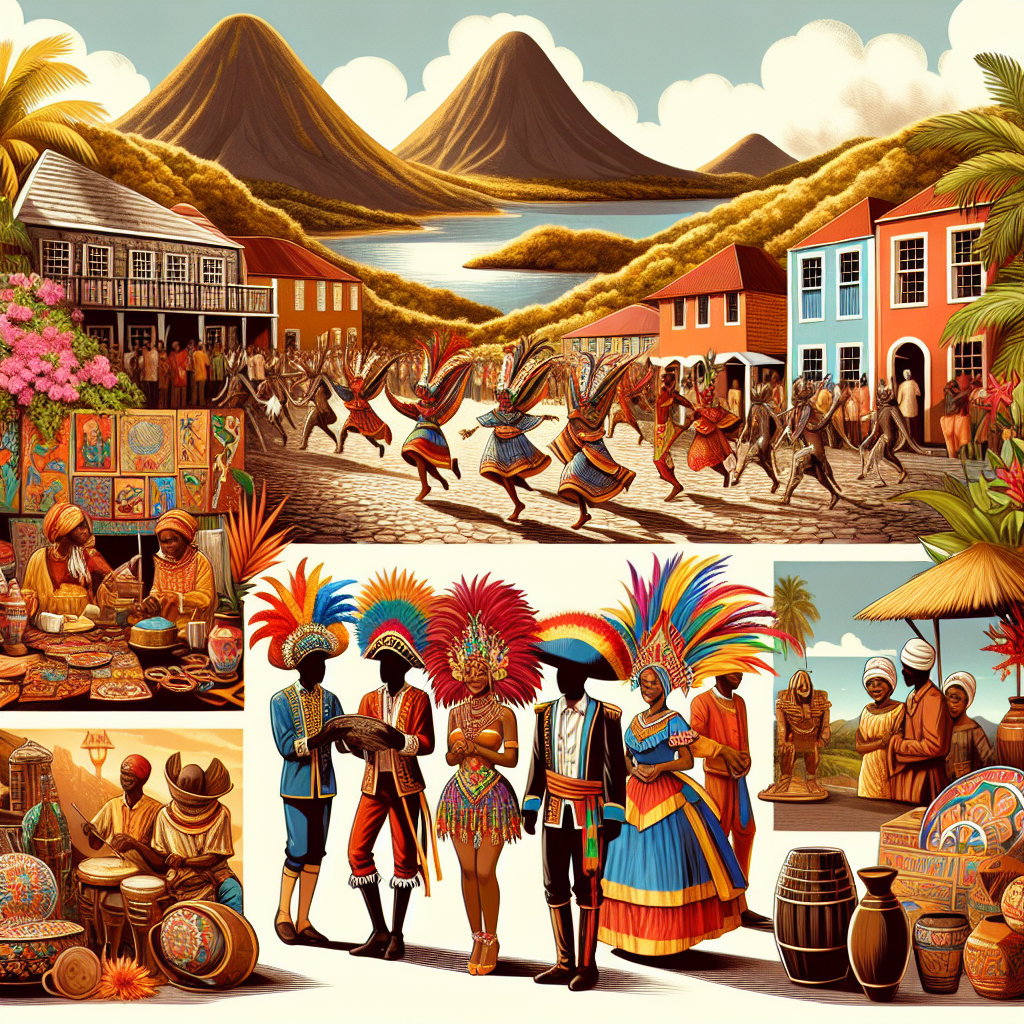
Christmas in Saint Kitts is marked by the spectacular Sugar Mas, a carnival that captures the spirit of the islands through colorful parades, elaborate costumes, and infectious music. This event, which runs from December to early January, highlights the creativity and exuberance of Kittitians and Nevisians alike.
These festivals and cultural celebrations are more than just entertainment; they serve as vital platforms for cultural expression and preservation. Through these events, the people of Saint Kitts and Nevis share their stories, traditions, and heritage with the world, fostering a sense of pride and unity.
Preserving Ancestral Traditions
A significant aspect of cultural preservation in Saint Kitts and Nevis involves the continuation of ancestral traditions. These practices, often rooted in African heritage, encompass a wide range of cultural expressions, including storytelling, music, and culinary arts.
Music and dance hold a special place in the hearts of the people. Traditional forms like the Big Drum Dance and the Masquerade dance are integral parts of cultural celebrations and community gatherings. These dances, characterized by vibrant costumes and rhythmic drumming, are not only entertaining but also a means of keeping the stories and customs of ancestors alive.
Storytelling, another cherished tradition, serves as a medium for passing down legends, folklore, and historical events. Elders in the community often share tales that have been transmitted through generations, ensuring that younger generations remain connected to their roots.
Culinary traditions also play a crucial role in cultural preservation. The islands’ cuisine is a flavorful blend of African, European, and indigenous influences. Signature dishes such as goat water, a hearty stew, and black pudding, a blood sausage, are not only culinary delights but also hold historical significance. Preserving these recipes and cooking methods is a testament to the resilience and creativity of the island’s people.
By maintaining these ancestral traditions, Saint Kitts and Nevis continue to honor their past while fostering a sense of identity and continuity. These cultural practices are vital in keeping the island nation’s unique heritage alive in a rapidly changing world.
The Role of Education and Academia
Education and academia play a pivotal role in the preservation of cultural heritage in Saint Kitts and Nevis. Through academic research, educational programs, and community initiatives, the stories and traditions of the islands are documented, studied, and disseminated.
The University of the West Indies (UWI) and other local educational institutions are instrumental in promoting cultural studies and heritage preservation. These institutions offer courses in Caribbean history, culture, and heritage management, preparing students to contribute to the preservation efforts.
Cultural centers and museums across the islands also serve as important educational resources. The National Museum of Saint Kitts, housed in the former Treasury Building, provides a comprehensive overview of the island’s history, from its indigenous roots to the colonial era and beyond. Exhibits on slavery, sugar plantation economy, and post-emancipation society offer valuable insights into the island’s past.
Community outreach programs and workshops further enhance cultural education. These initiatives often involve collaboration with local artists, historians, and cultural practitioners who share their expertise and experiences. By engaging with the community, these programs ensure that cultural knowledge is accessible to all, fostering a greater appreciation for the islands’ heritage.
The integration of cultural education into the school curriculum is also crucial. Teaching children about their heritage from an early age instills a sense of pride and responsibility towards cultural preservation. Through storytelling, music, art, and field trips to historical sites, students gain a deeper understanding of their roots.
In essence, education and academia are the cornerstones of cultural preservation in Saint Kitts and Nevis. They provide the necessary tools and knowledge to document, study, and cherish the rich cultural heritage of the islands, ensuring its transmission to future generations.
Challenges and Future Directions
Despite the robust efforts to preserve the cultural heritage of Saint Kitts and Nevis, several challenges persist. Modernization and globalization pose significant threats to traditional lifestyles and practices. The influx of foreign influences and the rapid development of tourism can sometimes overshadow local culture and heritage.
Climate change is another pressing issue, as rising sea levels and extreme weather events threaten historical sites and cultural landmarks. Protecting these sites requires not only physical conservation but also strategic planning and international cooperation.
Moreover, there is an ongoing need for funding and resources to support preservation initiatives. Cultural preservation often relies on government support, international aid, and community involvement. Ensuring sustainable funding mechanisms is essential for the long-term success of these efforts.
Future directions for cultural preservation in Saint Kitts and Nevis should focus on fostering community engagement and participation. Empowering local communities to take an active role in preservation efforts can create a sense of ownership and responsibility towards their heritage. Encouraging youth involvement through educational programs and cultural initiatives is also vital in sustaining cultural practices.
Leveraging technology can enhance preservation efforts. Digital archiving, virtual tours, and interactive exhibits can make cultural heritage more accessible and engaging for a global audience. Social media platforms can also be used to raise awareness and promote cultural events and initiatives.
In conclusion, while there are challenges to preserving the cultural heritage of Saint Kitts and Nevis, there are also immense opportunities. Through collaborative efforts, innovative approaches, and a commitment to heritage preservation, the islands can continue to celebrate and safeguard their rich cultural legacy for generations to come.
Conclusion
The cultural heritage of Saint Kitts and Nevis is a testament to the islands’ rich and diverse history. From the ancient civilizations of the Carib and Arawak to the colonial influences of Europe and the enduring legacies of African descendants, the cultural tapestry of these islands is woven with threads of resilience, creativity, and unity.
Preserving this heritage requires a concerted effort from all sectors of society. Cultural landmarks and heritage sites must be conserved and protected, festivals and celebrations must be supported and promoted, and ancestral traditions must be cherished and passed down. Education and academia play a vital role in documenting and disseminating cultural knowledge, while community engagement and participation ensure that preservation efforts are sustainable and impactful.
As modernization and globalization continue to shape the world, it is essential to strike a balance between embracing the new and preserving the old. The cultural heritage of Saint Kitts and Nevis is a source of identity, pride, and inspiration for its people. By honoring and safeguarding this heritage, the islands can continue to share their unique story with the world.
Whether you are a traveler seeking to immerse yourself in the culture of Saint Kitts and Nevis, a history enthusiast eager to delve into the past, or a local resident dedicated to preserving your heritage, the journey towards cultural preservation is one of discovery, appreciation, and celebration. Through collective efforts and a shared commitment, the cultural legacy of Saint Kitts and Nevis will continue to thrive, enriching the lives of those who call these islands home and inspiring all who visit.