Saint Kitts and Nevis, this enchanting dual-island nation, offers more than just exquisite beaches and stunning landscapes. It’s a place rich with history and culture that has spanned over centuries, starting from the days of the indigenous Kalinago people, through European colonization, to its current status as a thriving independent nation. In this article, we’ll delve into one of the most fascinating ways through which the past is preserved and celebrated on the island: historical reenactments.
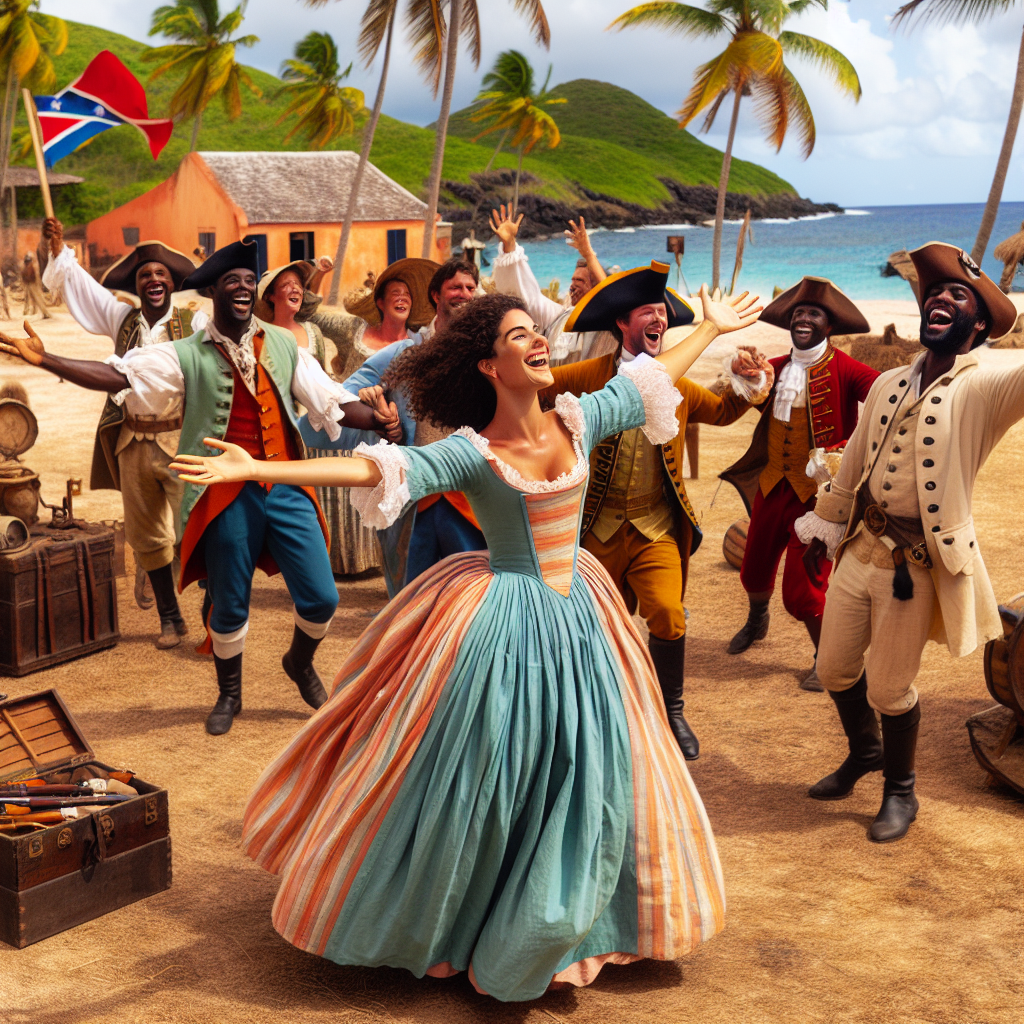
Reenactments offer a unique lens through which visitors and locals alike can glimpse into the past. They are living history events where participants dress in period clothing and act out significant events. These reenactments go beyond simple performances; they are educational experiences that convey the struggles, victories, and everyday lives of those who came before us. Saint Kitts and Nevis, with its rich colonial history and diverse cultural heritage, provides the perfect backdrop for such activities.
Engaging in these reenactments can be both entertaining and enlightening. They help bridge the gap between the present and the past, making history tangible and accessible. So, buckle up as we take you on a journey through various historical reenactments that bring the history of Saint Kitts and Nevis to life.
Colonial Period Reenactments
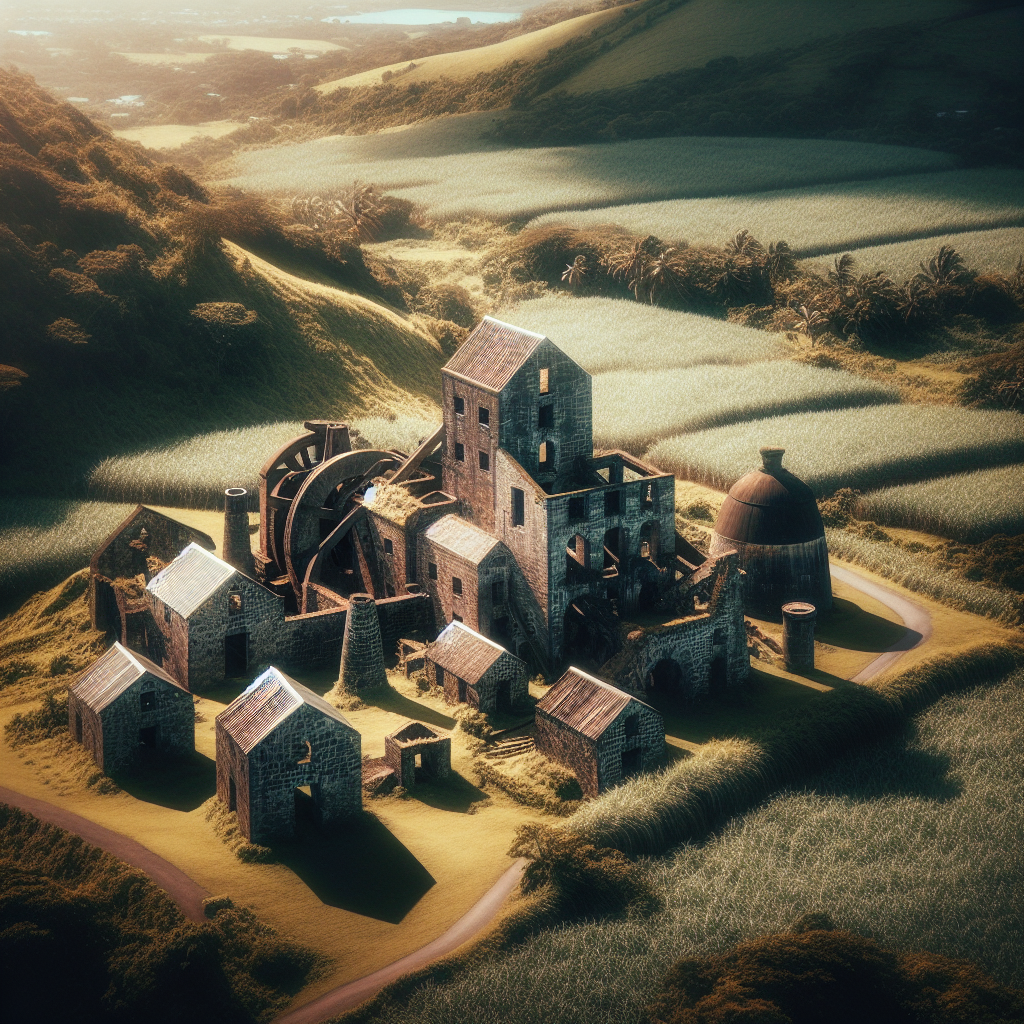
One of the most prominent eras represented in reenactments on Saint Kitts is the colonial period, deeply marked by European influence. The Brimstone Hill Fortress, known as the “Gibraltar of the West Indies,” is a key location for such events. This fortress, constructed by the British using African slave labor, stands as a testament to the island’s colonial past and is a UNESCO World Heritage Site.
Historical reenactments at Brimstone Hill often include depictions of battles between European powers vying for control over the lucrative sugar plantations. Actors clad in 18th-century military attire engage in mock skirmishes, complete with musket fire and cannon blasts. These events offer an immersive experience, complete with guided tours that explain the historical significance of each enacted scene.
The reenactments here are not just for show; they serve an educational purpose. Schools often organize trips for students to witness these events, providing a vivid, interactive supplement to their history lessons. For tourists, these reenactments offer a deeper understanding of how the colonial period shaped the social, economic, and political landscape of Saint Kitts and Nevis.
Slave Rebellions and Emancipation
The story of Saint Kitts and Nevis is one of resilience and struggle, particularly evident in the history of slavery. Reenactments depicting slave rebellions and the journey to emancipation are both powerful and poignant. One of the most notable events is the annual reenactment of the 1834 Emancipation Proclamation, which ended slavery in the British Empire.
These reenactments involve locals and sometimes descendants of the enslaved people who lived on the island. They recreate scenes of plantation life, the harsh conditions slaves endured, and the courageous acts of resistance they undertook. The aim is not just to entertain but to educate and honor the memory of those who suffered and fought for freedom.
Audiences are often moved by these performances, as they are not just actors telling a story; they are conveying the lived experiences of their ancestors. Such reenactments serve as a somber reminder of the past, ensuring that the struggles and stories of the enslaved are never forgotten.
Amerindian Heritage Reenactments
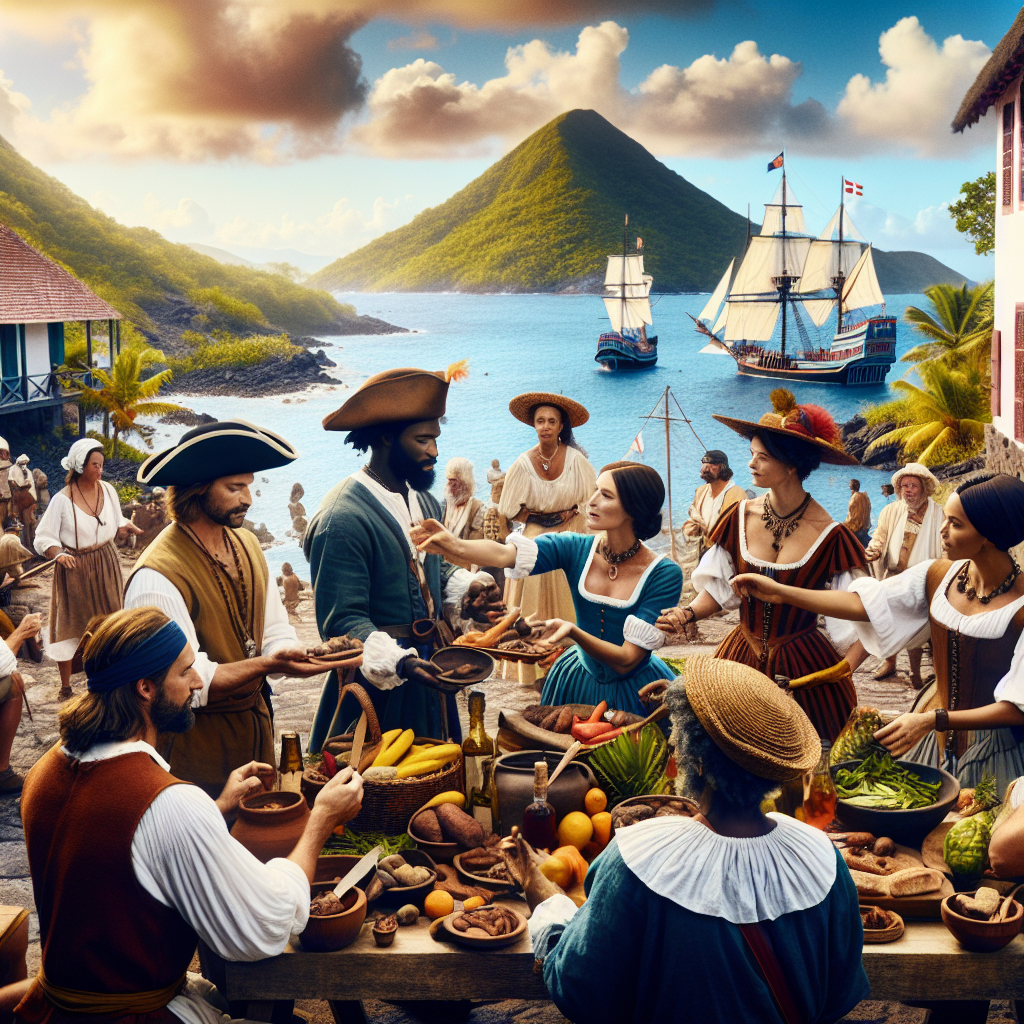
Before the European settlers, the Kalinago people inhabited Saint Kitts and Nevis. Reenactments of the Kalinago way of life provide a glimpse into the island’s pre-colonial history. These events are particularly significant as they honor the contributions and culture of the island’s original inhabitants, which are often overshadowed by colonial history.
These reenactments typically feature traditional Kalinago attire, crafts, and ceremonies. Visitors can watch demonstrations of weaving, pottery-making, and other traditional crafts, as well as participate in Kalinago dances and songs. Storytellers narrate the legends and folklore of the Kalinago, bringing their traditions and beliefs to life.
Such events underscore the rich cultural tapestry of Saint Kitts and Nevis, highlighting the importance of preserving and celebrating the island’s indigenous heritage. They offer a deeper understanding of the island’s history, one that predates European colonization.
Modern History Reenactments
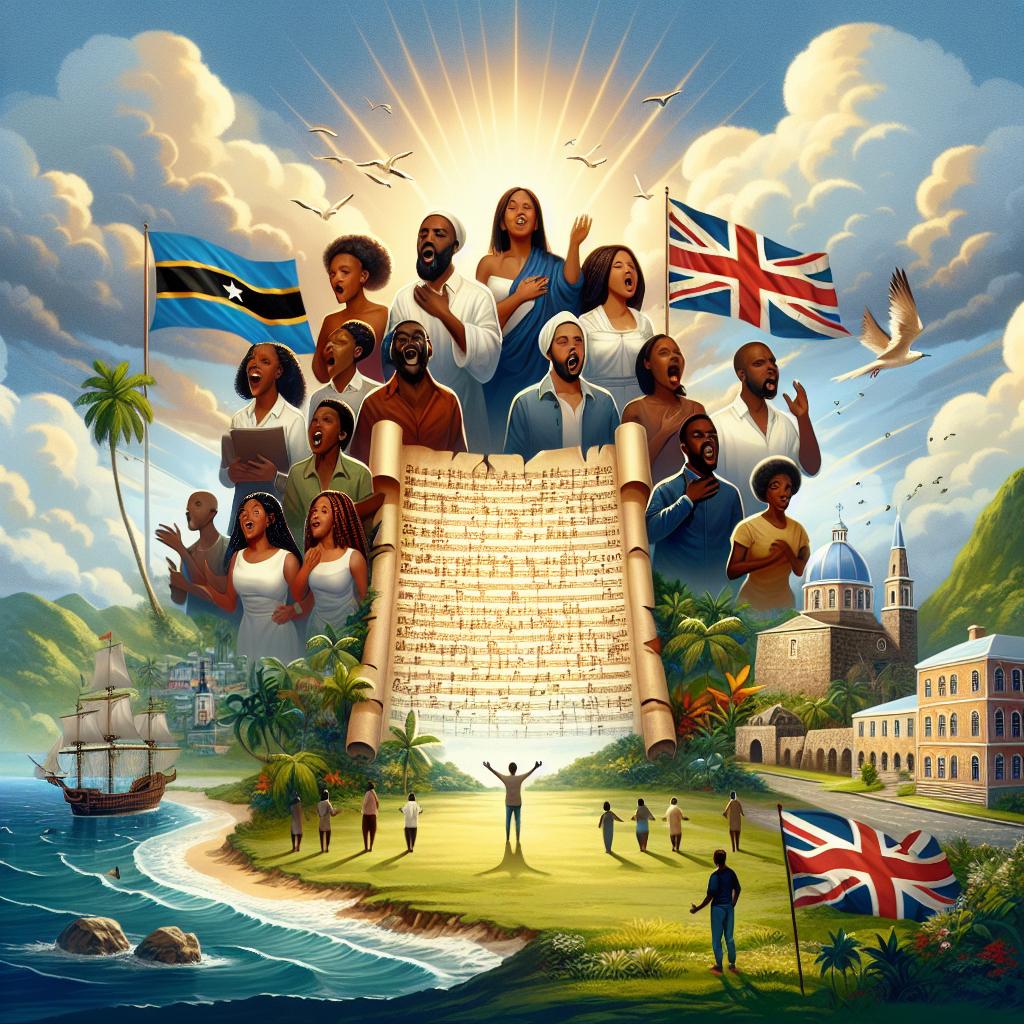
While much focus is understandably placed on the earlier periods of Saint Kitts and Nevis’ history, modern history is also brought to life through reenactments. These events often cover significant 20th-century events, such as the push for independence from British colonial rule, which was achieved in 1983.
Reenactments of the independence movement often feature speeches by historical figures, protests, and celebrations that marked the nation’s break from colonial rule. They provide context to the political and social changes that took place during this transformative period. Participants, often dressed in attire from the 1960s and 70s, recreate the fervor and excitement of the time, offering a dynamic portrayal of a pivotal moment in the nation’s history.
Festivals and Cultural Celebrations
In addition to historical reenactments, Saint Kitts and Nevis celebrate their rich cultural heritage through various festivals and events. One such event is the Culturama Festival in Nevis, held annually in August. This festival is a vibrant display of the island’s culture, featuring music, dance, and traditional costumes.
During Culturama, visitors can witness reenactments of historical events, but also take part in cultural activities that highlight the island’s Afro-Caribbean heritage. The festival serves as a living history lesson, blending the past with contemporary celebrations. It’s a time when tradition and modernity meet, offering a unique insight into the island’s evolving cultural landscape.
Other notable events include the Saint Kitts Music Festival and the National Carnival, which also incorporate elements of historical reenactments. These festivals provide vibrant contexts for experiencing the island’s history and culture, making them must-see attractions for anyone visiting Saint Kitts and Nevis.
Conclusion
Reenactments in Saint Kitts and Nevis serve as powerful tools for preserving and celebrating the island’s rich history and culture. They offer an engaging and immersive way to understand the island’s past, from the colonial era to the fight for emancipation, the indigenous Kalinago heritage, and the journey to independence. Each reenactment is not just a portrayal but a tribute to the people and events that have shaped the nation.
Through these events, history is not confined to the pages of books or the walls of museums; it is brought to life, offering a deeper connection to the past. For locals, these reenactments provide a sense of pride and identity, while for visitors, they offer a unique and informative experience that enriches their understanding of Saint Kitts and Nevis.
In a rapidly changing world, the importance of remembering and honoring the past cannot be overstated. The reenactments in Saint Kitts and Nevis are a testament to the island’s commitment to preserving its history and culture, ensuring that future generations can learn from and be inspired by the stories of those who came before them.