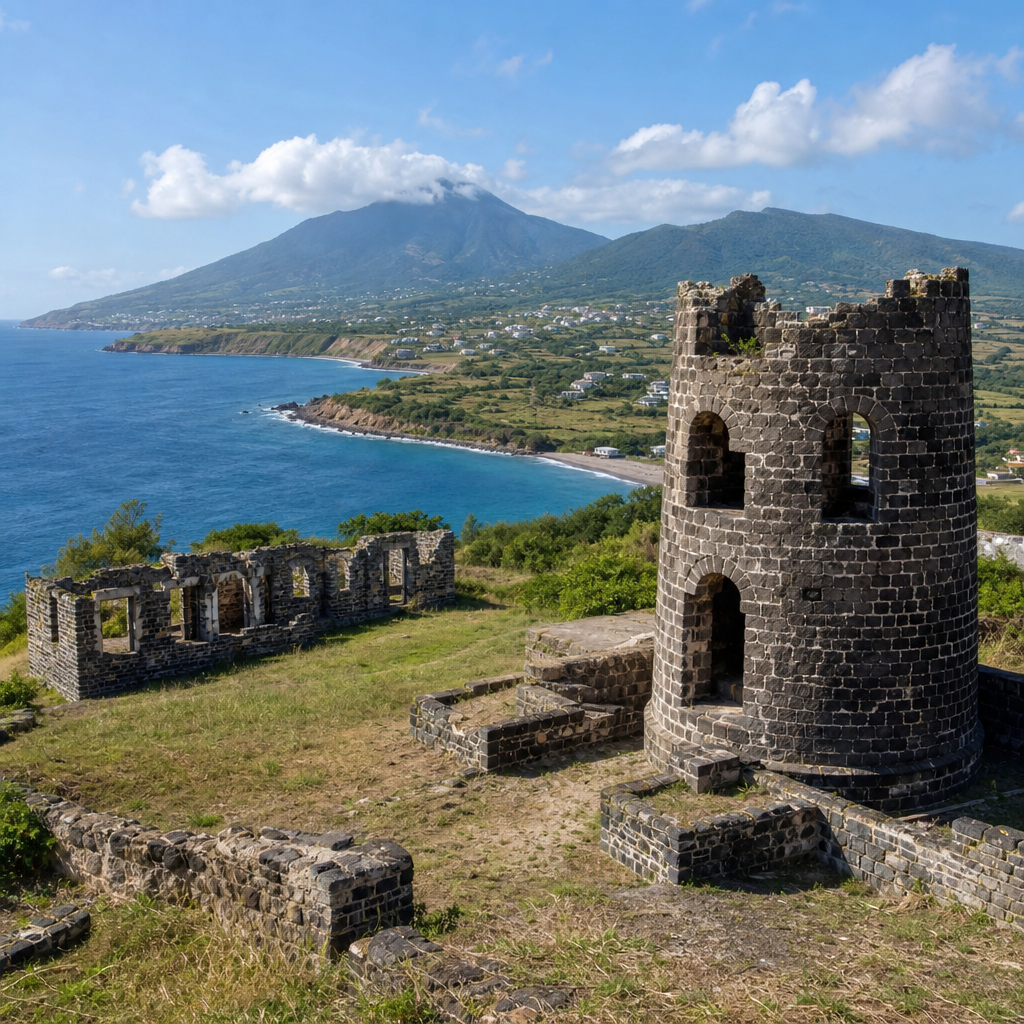
Nevis, the smaller of the two islands comprising the Federation of Saint Kitts and Nevis, is often revered for its stunning landscapes, pristine beaches, and the breathtaking sight of Nevis Peak. However, the charm of Nevis goes beyond its natural beauty; it lies in the island’s rich history, which is intricately tied to the sugar industry that once thrived here. Nevis’ sugar mills stand today as the remnants of a prosperous era – silent stone ghosts that tell the tales of centuries past.
The history of sugar mills on Nevis dates back to the late 17th century when the island became one of the leading sugar producers in the Caribbean. The introduction of sugar cane from Brazil transformed the economy of Nevis, catapulting it into immense wealth and making it a central player in the transatlantic sugar trade. These mills were the backbone of this thriving industry, where sugar cane was crushed to extract the juice, which was then boiled down into sugar.
Today, these mills are no longer in use for their original purpose; nonetheless, they have become iconic symbols of Nevisian heritage. They dot the landscape, capturing the imagination of visitors who are keen to delve into the history and culture of the island. The ruins of these sugar mills evoke a sense of nostalgia and provide a tangible connection to the past, offering an intimate glimpse into the lives of those who lived and worked there during the height of the sugar industry.
The Rise of the Sugar Industry
The rise of the sugar industry on Nevis began in earnest in the latter half of the 17th century. Sugar cane cultivation turned into a highly profitable venture, attracting European settlers and investors. The island’s fertile soil and favorable climate made it an ideal location for growing sugar cane, and soon hundreds of sugar mills sprang up across Nevis.
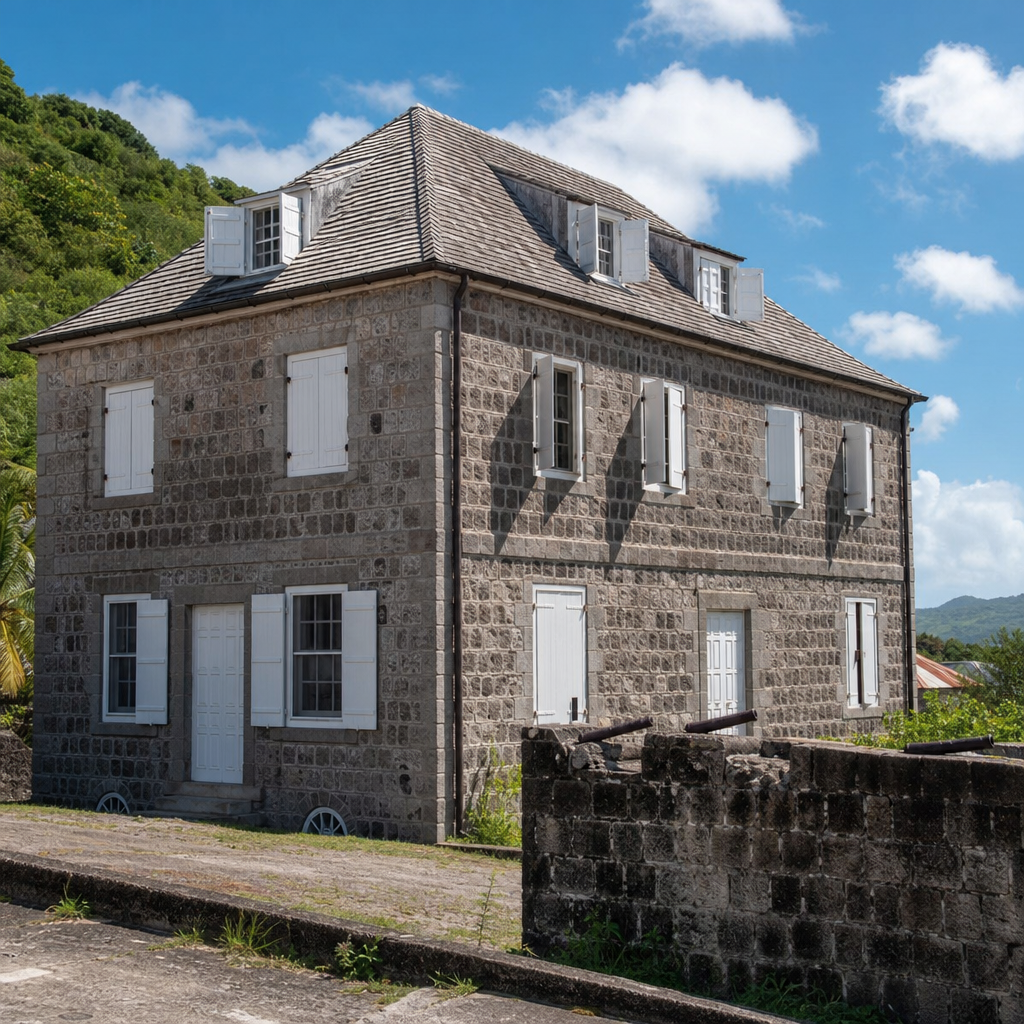
These mills were not just mechanical structures but also served as social and economic hubs. The construction of a sugar mill was a significant undertaking, requiring immense labor and resources. The plantation owners, often wealthy European settlers, built grand homes overlooking their mills. The labor force consisted mainly of enslaved Africans who worked under harsh conditions to cultivate, harvest, and process the sugar cane.
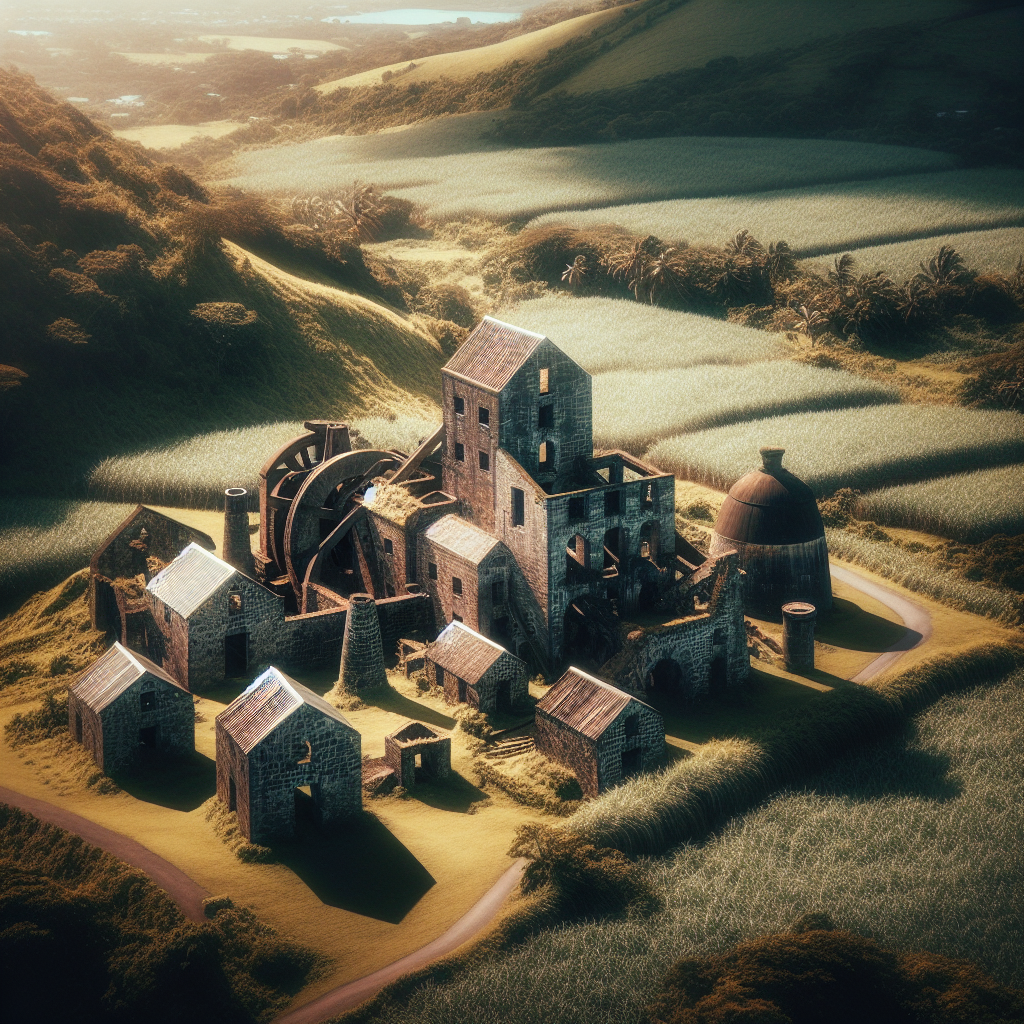
The sugar mills of Nevis were some of the most advanced of their time, utilizing technology that was cutting-edge during the 17th and 18th centuries. The mills employed wind or animal power to crush the cane, extracting the valuable juice which was then boiled in large copper pots. The boiling houses, where this transformation took place, often stood adjacent to the mills and are equally significant to Nevis’ sugar heritage.
In their prime, Nevis’ sugar mills produced vast quantities of sugar, molasses, and rum, commodities that were shipped across the Atlantic to Europe and North America. This trade brought great wealth to the island and significantly impacted the social and economic landscape of Nevis, leading to the construction of roads, ports, and other infrastructure that facilitated the sugar trade.
Architectural Marvels of the Sugar Mills
The architecture of Nevis’ sugar mills is a fascinating subject in itself. These structures were ingeniously designed to utilize the natural elements and the available technology of their time. Windmills harnessing the strong Caribbean winds and animal-powered mills demonstrate engineering ingenuity and adaptation to the environment.
Wind-powered mills were the most iconic, characterized by tall, cylindrical stone towers. These towers had large wooden sails that caught the wind, turning the mechanisms inside to crush the sugar cane. Some mills also employed horizontal windmills, a less common but notable variant. Animal-driven mills often used oxen or mules harnessed to rotating horizontal arms to perform the same task.
The mill towers and boiling houses were typically built from local volcanic stone, lending them durability and a rugged elegance that has helped many survive to this day. The thick walls provided the necessary strength to withstand the constant vibrations and mechanical stresses of the milling process. Visiting these structures today, it’s easy to be awed by the craftsmanship and resilience of these edifices that have stood the test of time.
Interiors, where the machinery once operated, are now often overgrown with vegetation, creating a picturesque scene that suggests nature’s reclamation of industry. The juxtaposition of human ingenuity and natural beauty is striking, offering ample opportunities for photography and historical reflection.

The Impact on Local Culture
Beyond their economic importance, sugar mills have had a profound effect on the culture of Nevis. The island’s history with sugar cane cultivation and processing has left an indelible mark on its identity, influencing local traditions, cuisine, and even folklore.
The sugar mills were integral to community life, serving as gathering points where laborers and their families came together. The harsh realities of life on the sugar plantations – particularly for the enslaved Africans who formed the backbone of the labor force – have also inspired poignant narratives, songs, and oral histories that are still passed down through generations today.
Moreover, the legacy of sugar and the mills has cemented a historical consciousness among the people of Nevis. Visitors to the island will find that this heritage is celebrated and preserved, not just in the ruins themselves, but in museums, historical tours, and local festivals. The Annual Culturama Festival, for example, often features events that highlight the island’s history, including its sugar industry roots.
Food is another area where the influence of the sugar mills can be tasted. Recipes and methods for making traditional Nevisian sweets, such as sugar cakes and guava cheese, trace their origins back to the days when sugar production was at its peak. The knowledge and skills passed down from those times still inform the rich culinary traditions continued by modern Nevisians.
Exploring the Mills Today
For visitors to Nevis today, the sugar mills offer a unique window into the past. Many of the mills are accessible and make for fascinating exploration spots. Belmont Estate, one of the island’s most famous sites, showcases a wonderfully preserved mill along with an in-depth historical display that provides context and insights into the plantation’s operational days.
Another notable location is New River Estate, which features extensive ruins of a sugar mill, boiling house, and other plantation buildings. Walking among these ruins conjures up vivid images of the bustling activity that once filled these spaces and affords a deeper appreciation of the historical significance of the sugar mills.
Several guided tours are available, providing expert commentary and background information that enrich the experience. Guides often include stories of the mills’ heyday, tales of resilience and struggle among the workers, and facts about the technical aspects of the sugar production process.
Moreover, many of these historical sites are set amidst stunning scenery, making the visit doubly rewarding. Imagine exploring ancient stone structures while surrounded by lush greenery and the distant view of azure waters – it’s a truly unique way to experience the history and natural beauty of Nevis simultaneously.
Preservation and Challenges
While the sugar mills stand today as historical treasures, their preservation is not without challenges. The harsh tropical environment, with its high humidity, frequent storms, and lush vegetation, poses continual threats to the structural integrity of these ruins.
Efforts to preserve the mills involve regular maintenance and restoration work, often guided by historical preservation societies and local government initiatives. These efforts aim to stabilize the structures and prevent further degradation, ensuring that future generations can continue to learn from and appreciate these historical artifacts.
Funding and resources for preservation can be limited, presenting another significant challenge. It often falls to a combination of public funding, private donations, and international heritage grants to support the conservation work. Engaging the local community and fostering a sense of pride and ownership over these historical sites is also critical for sustainable preservation efforts.
Sustainability is a key focus, with initiatives aimed at balancing tourism with conservation. Responsible tourism practices are encouraged, with visitors being educated on the importance of safeguarding these sites. Guided tours often emphasize the need to respect and protect the ruins, ensuring they remain an enriching part of Nevis’ heritage for years to come.
Conclusion
The sugar mills of Nevis are not merely remnants of an industrial past but are emblematic of the island’s rich and complex history. These structures, once the heart of Nevis’ economy, now serve as poignant reminders of the island’s journey through time. They invite us to reflect on the era of sugar’s dominance, the lives of those who worked within this industry, and the enduring legacy left behind.
From their architectural marvels to their cultural significance, Nevis’ sugar mills offer a captivating glimpse into the past. Exploring these mills today allows visitors to step back into history, gaining a deeper understanding of the island’s heritage while appreciating the natural beauty that surrounds these ancient structures.
As efforts to preserve these historical sites continue, the sugar mills of Nevis remain an integral part of the island’s identity. They bridge the gap between past and present, standing as testament to the resilience of Nevis’ people and their dedication to preserving their cultural heritage. For anyone visiting Nevis, the sugar mills are a must-see, offering a unique and enriching experience that connects the island’s illustrious history with its vibrant present.