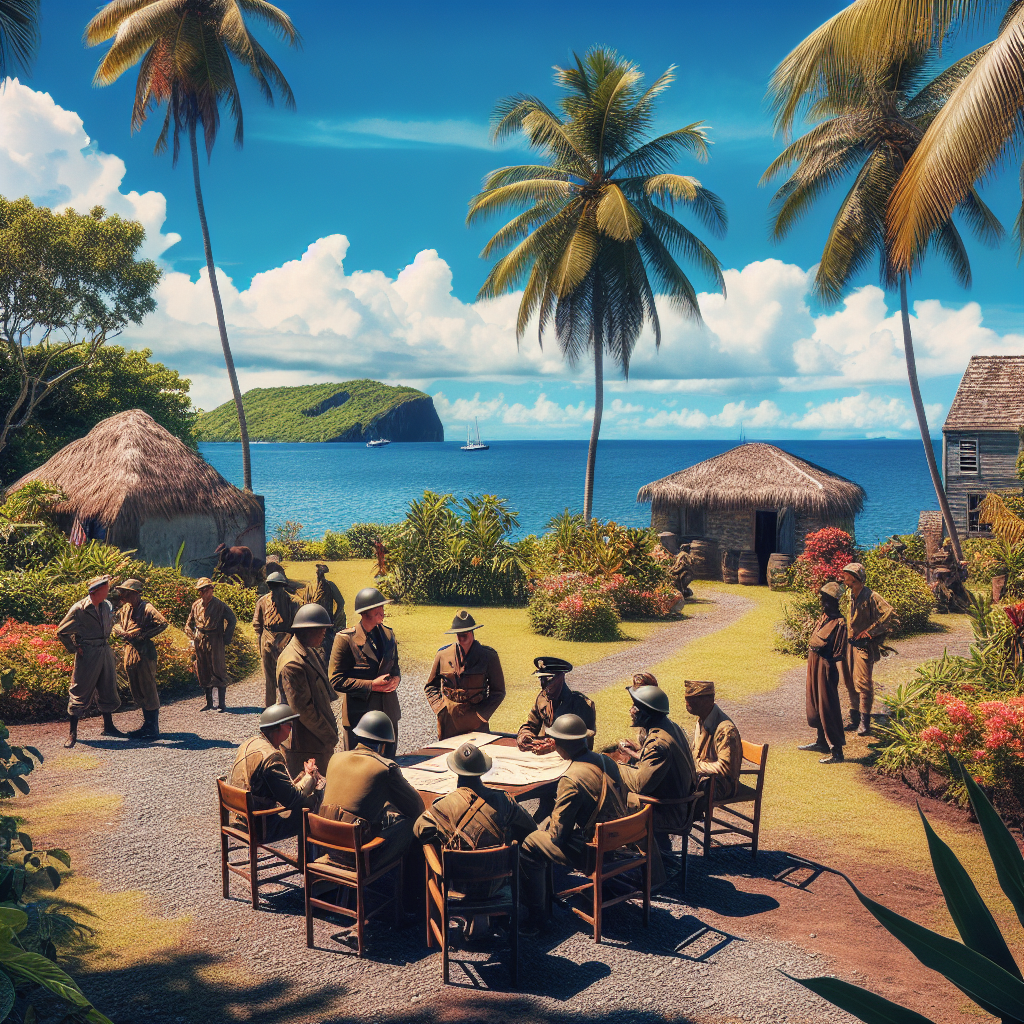
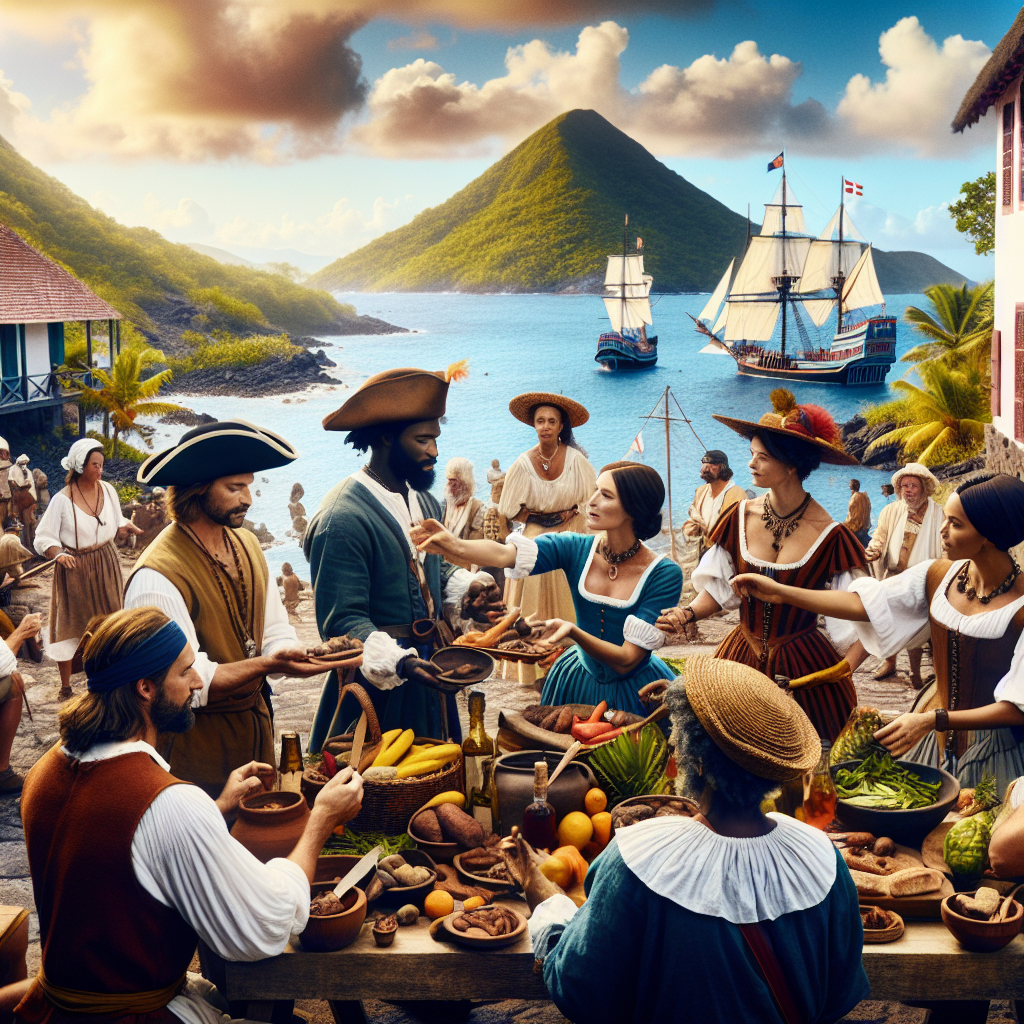
The enchanting island of Nevis, smallest of the two-island nation Saint Kitts and Nevis, boasts a multifaceted history rich with colonial legacy. First discovered by European settlers in the 15th century, Nevis quickly became a coveted gem for both the British and French empires. These centuries of European rule have left an indelible mark on the culture, architecture, and heritage of the island. Whether you are a history enthusiast, culture buff, or merely a curious traveler, uncovering the colonial past of Nevis provides a deep understanding of its present-day charm.
The struggles for dominance between the British and the French on the island of Nevis spanned from the 1600s to the mid-1700s. This tumultuous period included battles, treaties, and the intermittent exchange of power. However, beyond the political and military turmoil, these colonial powers left behind an eclectic array of cultural influences that are palpable even today. The architecture of Nevis reflects a blend of British and French styles, while the local cuisine, language, and traditions echo the cultural confluence.
In this article, we delve into the profound effects of British and French colonial rule on Nevis, exploring how these influences shaped the island’s societal norms, architectural landscape, and cultural practices. As we traverse through time, we shall unravel the distinct yet intertwined legacies left by these two European giants on this captivating Caribbean island.
British Colonial Influence in Nevis
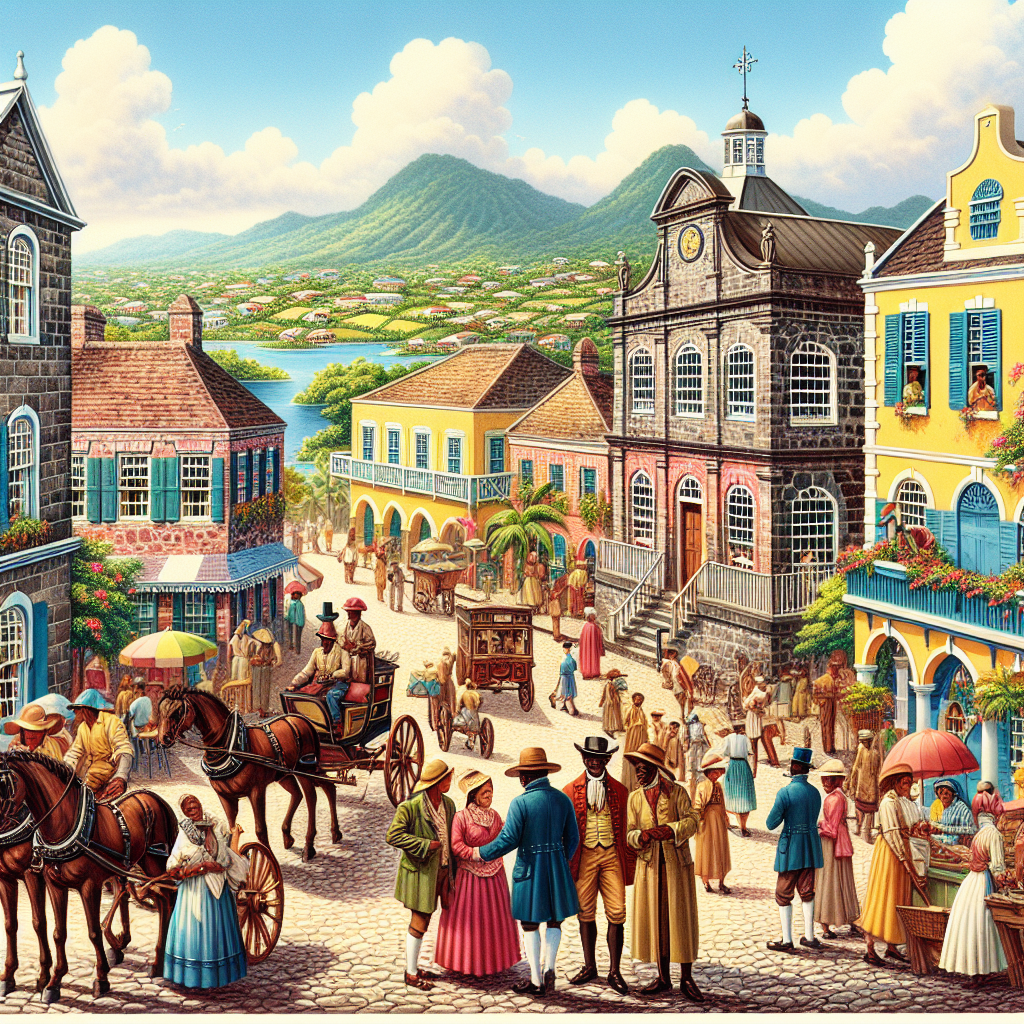
The British colonial presence began in earnest in the early 1600s when the English established their first settlement. Recognizing the strategic location and fertile land of Nevis, the British quickly set up plantations to cultivate sugarcane, which became the island’s economic lifeblood. One of the most notable remnants of British rule is the proliferation of Georgian-style architecture, which can still be seen in Charlestown, the island’s capital.
Sugar plantations brought prosperity to Nevis but came at a considerable human cost. The British relied heavily on the transatlantic slave trade, importing countless African slaves to work the plantations. This influx of African slaves significantly influenced the demographic and cultural composition of Nevis. Today, the Afro-Nevisian culture—steeped in music, dance, and folklore—bears testament to this period in history.
Education and religion were other areas heavily influenced by British colonial practices. The Anglican Church established in Nevis remains a pivotal institution, and the island’s educational system was modeled on British lines. Institutions like the Bath Hotel, once the Caribbean’s first tourist resort, reflect the British ethos of leisure and governance, offering glimpses into the colonial elite’s lifestyle.
French Colonial Influence in Nevis
French attempts to establish dominance over Nevis were marked by periodic incursions, raids, and short-lived occupations. Unlike their British counterparts, the French colonial efforts did not primarily focus on long-term settlement but on asserting control and exploiting resources. Despite their ephemeral dominance, the French impact on the island’s heritage is notable.
Traces of French influence can be discerned in the linguistic remnants and culinary traditions on Nevis. While English remains the official language, some French Creole words seeped into the local dialect, depicting the intercultural exchanges between the islanders and the French. Moreover, the island’s cuisine showcases a fusion where French culinary techniques meet Caribbean ingredients, creating unique dishes that tantalize the taste buds.
The French presence can also be seen in place names and family lineages, with some locations bearing French-inspired names that have persisted through centuries. The St. James Anglican Church, initially established under French rule before British reclamation, remains a historical landmark revealing the layered colonial narrative of the island.
The Tug of War: Anglo-French Conflicts
The 17th and 18th centuries bore witness to the great geopolitical chess game between Britain and France, and Nevis was not spared. The island’s strategic location made it a prize worth fighting over, and numerous battles ensued. Perhaps the most significant was the Battle of Nevis in 1706 during the War of Spanish Succession, where a French fleet inflicted severe damage on the British settlements. These conflicts significantly affected the local population, disrupting daily life and fostering a culture of resilience among the Nevisians.
The Treaty of Utrecht in 1713 marked a pivotal moment, securing British control over Nevis, and ending French ambitions in the short term. However, the shadow of French attempts lingered. The alternating control underscored the islanders’ adaptive spirit, as they navigated through the changing colonial policies while maintaining a semblance of continuity in their daily lives.
The legacy of these conflicts is embedded in historical sites like Fort Charles, an old British fortification that stands as a monument to the island’s militarized past. These sites are not just relics but are cradles of stories that continue to be told, through guided tours and community narratives, preserving the island’s turbulent but rich history.
Architectural Heritage
The architectural heritage of Nevis is a fascinating mosaic of British and French colonial stylistic elements. The island’s buildings eloquently narrate the colonial story through their design and structure. Georgian architecture, predominantly brought by the British, is characterized by its symmetry, classic proportions, and decorative elements like sash windows and fanlights. The Charlestown Methodist Church and the Nevis Historical Museum, housed in a former Georgian mansion, are prime examples of this enduring architectural style.
Contrastingly, while more subtle, French architectural traces also exist, particularly in the older Catholic churches and some private residences. These structures often feature elements like arched windows and detailed masonry that reflect Mediterranean influences. The blend of Caribbean and European styles results in a unique architectural identity that distinguishes Nevis from other Caribbean islands.
Restoration efforts over the years have aimed to preserve and celebrate this architectural heritage. Heritage trails and guided tours offer visitors an immersive experience, walking them through streets lined with these historical edifices, each narrating tales from the colonial past. The seamless blend of British formality and French flair in architecture continues to intrigue both scholars and tourists alike.
Cultural Festivities and Traditions
The cultural fabric of Nevis is woven with threads of British and French traditions, harmoniously intertwined with African influences. One of the island’s most vibrant celebrations is Nevis Culturama, held annually to celebrate the freedom from slavery. This festival is a melting pot of music, dance, and culinary arts, reflecting the island’s diverse cultural heritage.
British influences are prominent in traditional practices such as horse racing and cricket. The Indian Castle Race Track hosts regular horse races, a sport deeply embedded in British aristocratic culture. Similarly, cricket matches at Grove Park bring the community together, highlighting the enduring popularity of this British pastime.
French culinary traditions have left an indelible mark on the island’s food culture. Dishes like conch stew and goat water, with their rich flavors and intricate preparations, show the blend of European techniques and local ingredients. The island’s festivals often feature culinary fairs where this diverse gastronomical heritage is showcased, offering a taste of Nevis’s historical journey.
Modern Nevis: Colonial Legacy in Contemporary Life
The legacies of British and French colonialism are not just historical footnotes but active influences in contemporary Nevisian life. The education system, healthcare, and legal practices still bear the hallmarks of British colonial administration. English common law, for example, continues to be the foundation of the legal system in Nevis.
Tourism, a vital part of Nevis’s economy, heavily leans on its colonial heritage. Sites like the Montpelier Plantation & Beach and the Golden Rock Inn, originally sugar plantations, have been transformed into luxury resorts. These establishments offer visitors an opportunity to experience the colonial aristocracy’s lifestyle while indulging in modern comforts.
Furthermore, the enduring cultural legacy manifests in local crafts, storytelling, and community rituals, preserving the essence of the island’s rich history. Organizations and institutions are actively involved in preserving and promoting this cultural heritage, ensuring that the stories of colonial Nevis are not lost to time.
Conclusion
Nevis stands as a living testament to the complex tapestry woven by its colonial past. The interplay of British and French influences has created a unique cultural and historical landscape that continues to shape the island’s identity. From architectural marvels and culinary delights to cultural festivities and educational practices, the imprints of colonialism are inescapable yet enriching.
Understanding the British and French colonial influences on Nevis offers a deeper appreciation of the island’s multifaceted heritage. It invites travelers and scholars alike to explore beyond the picturesque beaches and delve into the socio-historical narratives that define Nevis. In embracing its colonial past, Nevis offers a richer, more layered experience that goes beyond the ordinary.
As we look to the future, preserving and celebrating this colonial heritage remains essential. It not only honors the island’s history but also enriches its cultural present, offering a bridge of continuity in an ever-evolving world. The story of Nevis is a fascinating chronicle of resilience, adaptation, and cultural synthesis, inviting everyone to partake in its journey.