The enchanting melodies of Nevis hold more than just rhythmic allure; they carry the essence of the island’s past struggles, resistance, and eventual liberation. In the charming Caribbean haven of Nevis, music has always played a pivotal role in the cultural and political tapestry of its people. From the days of colonial oppression to the celebrations of independence, the island’s rich musical traditions have been both a source of solace and a powerful tool of resistance.
The history of Nevis, one of the two islands that form the Federation of Saint Kitts and Nevis, is deeply intertwined with the brutality of colonialism and the resilience of its people. Music, in its myriad forms, has been a constant companion in this journey. It was through the vibrant sounds of folk songs, spirituals, and dances that the people of Nevis kept their spirit alive and communicated messages of hope, resistance, and unity.
This article explores the profound role that music played in Nevis’ liberation movements, providing insight into how melodies and rhythms became instruments of social change. From the times of slavery and the struggle for emancipation to the fight for political independence, Nevisian music has continuously fostered a spirit of resistance and empowerment among its people.
The Power of Folk Music
Folk music in Nevis is a tapestry woven with the threads of African, European, and indigenous influences. During the dark days of slavery, folk music served as a clandestine form of communication among the enslaved population. The simplicity and repetitive nature of folk melodies made them ideal for conveying messages about planned revolts, news of escaped slaves, and even instructions to navigate escape routes.
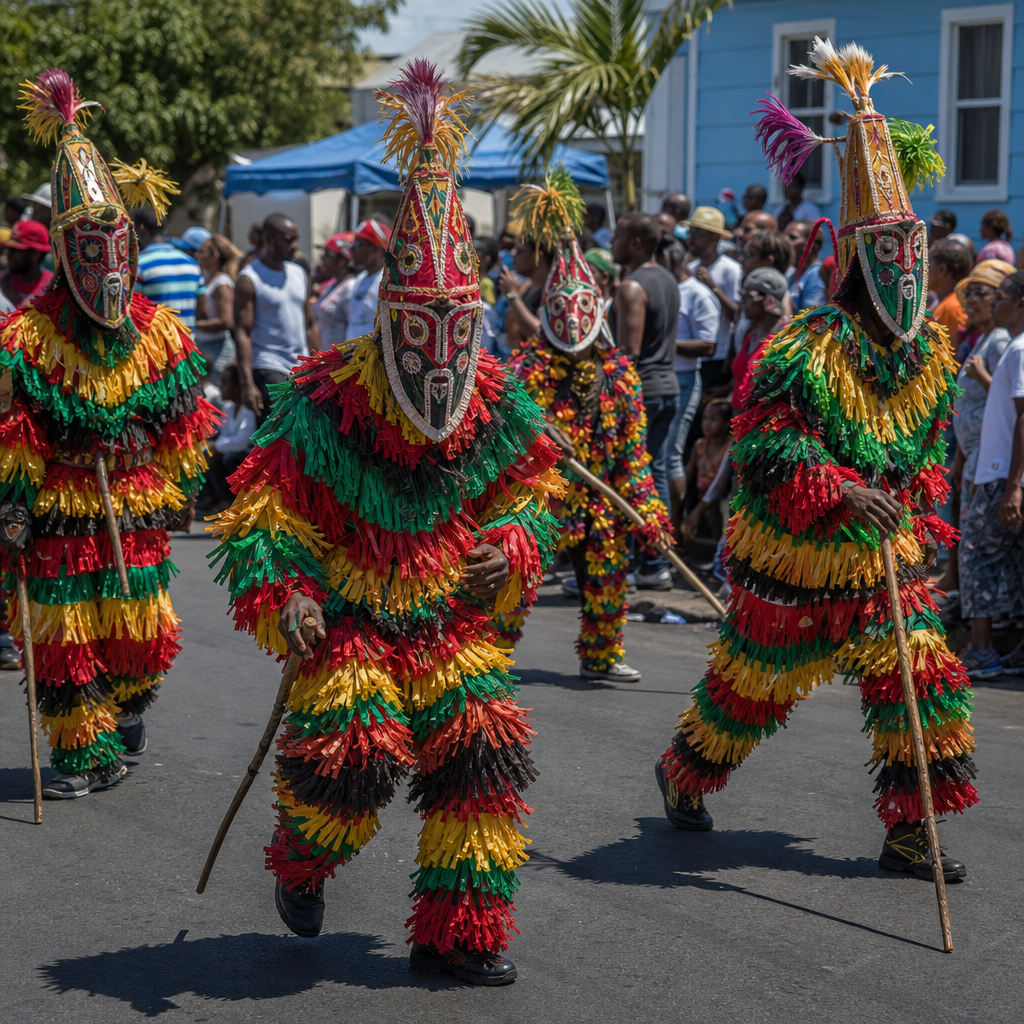
Songs like “John Canoe” and “Calypso” carried double meanings that allowed slaves to express their longing for freedom under the guise of innocent entertainment. The powerful beats of drums, an instrument that was an intrinsic part of African heritage, were used not just for music but also for signaling and coordination among the enslaved community. The drum’s rhythm became a heartbeat of resilience, pounding against the oppressive silence imposed by colonial masters.
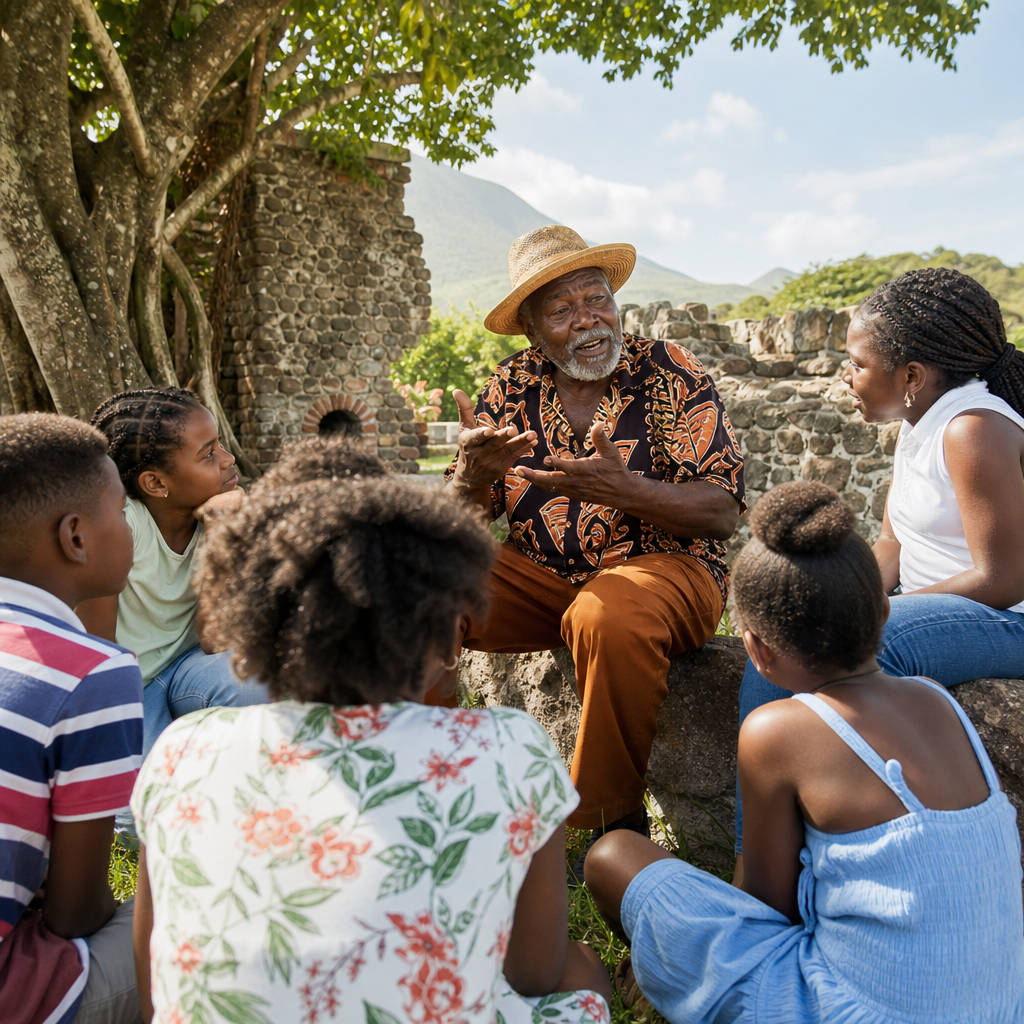
Even after the abolition of slavery, folk music continued to be a vital component of Nevisian culture. It provided a sense of identity and continuity, reminding the people of their collective history and the strength they garnered through music. Folk songs became a means of preserving oral history, ensuring that future generations would hear the tales of their ancestors’ struggles and triumphs.
The Role of Spirituals and Hymns
The influence of Christian missionaries during colonial times introduced hymns and spirituals to Nevis. These forms of music quickly became interwoven with the local culture, taking on unique characteristics that reflected the African heritage of the island’s inhabitants. Spirituals and hymns offered consolation and a semblance of hope to the oppressed, providing a sacred space where they could express their yearnings for liberation.
Despite the seemingly submissive nature of religious hymns, many contained subversive messages of resistance. The lyrics of these songs often contained coded language that alluded to the desire for freedom and the rejection of their oppressors. The sanctuary of churches became a rare place where people could gather and subtly plan acts of resistance, all while singing hymns that gave them strength and courage.
During the 20th century, spirituals and hymns continued to play a significant role in the socio-political landscape of Nevis. They were used as anthems during protests and gatherings, uniting people with their powerful messages of faith and resilience. The inherent spirituality of these songs instilled a sense of moral righteousness in the fight for freedom and justice, further galvanizing the community.
Calypso: The Voice of Protest
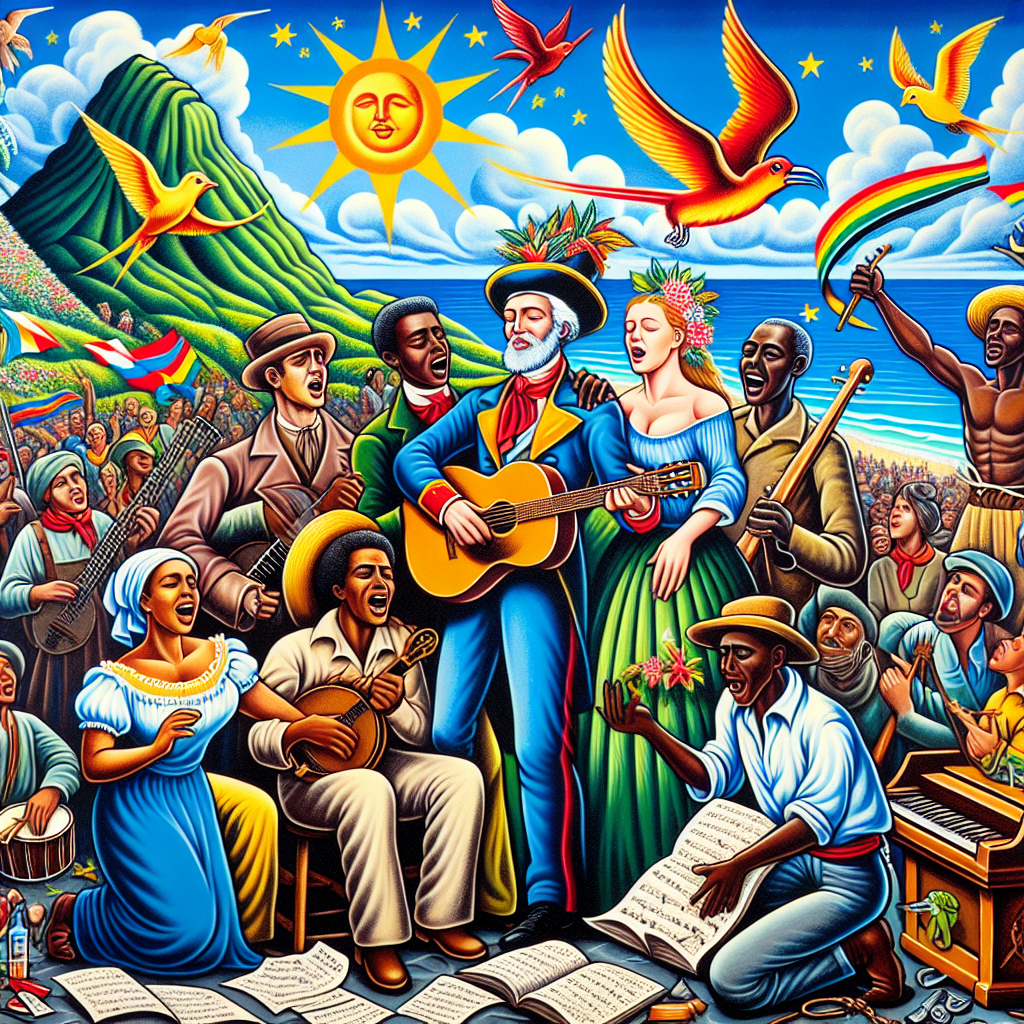
By the mid-20th century, Calypso emerged as one of the most influential musical genres in Nevis and the wider Caribbean. Characterized by its witty lyrics and infectious rhythms, Calypso became a powerful medium for political commentary and social critique. Calypsonians, as the performers of this genre are known, used their music to highlight the social injustices and political issues faced by the people of Nevis.
The birth of Calypso can be traced back to the island’s African roots, where storytelling was an integral part of the culture. Calypsonians would use their platform to address contentious issues, often criticizing the colonial authorities and advocating for the rights of the disenfranchised. Songs like “Rum and Coca Cola” by the Andrews Sisters brought attention to the exploitation of Caribbean people by American servicemen stationed on the islands during World War II.
Calypso’s role in the liberation movement was undeniable. It provided a voice to the voiceless, enabling ordinary Nevisians to speak out against corruption, inequality, and oppression. The genre’s satirical nature allowed it to circumvent censorship laws, making it a resilient form of resistance. Even today, Calypso continues to be a significant aspect of Nevisian culture, offering an avenue for social and political expression.
Soca and the Politics of Dance
Derived from Calypso, Soca is another musical genre that gained immense popularity in Nevis during the latter half of the 20th century. Soca, which combines the infectious rhythms of Calypso with elements of soul music and Indian music, is known for its upbeat tempo and danceable beats. However, beneath the surface of its celebratory vibe lies a potent political undercurrent.
Soca music often addresses themes of unity, resistance, and empowerment. During the period leading up to Nevis’ independence in 1983, Soca songs became anthems of hope and motivation for the people. The genre’s energetic rhythms inspired the masses to remain steadfast in their quest for self-determination, providing a sense of unity and purpose.
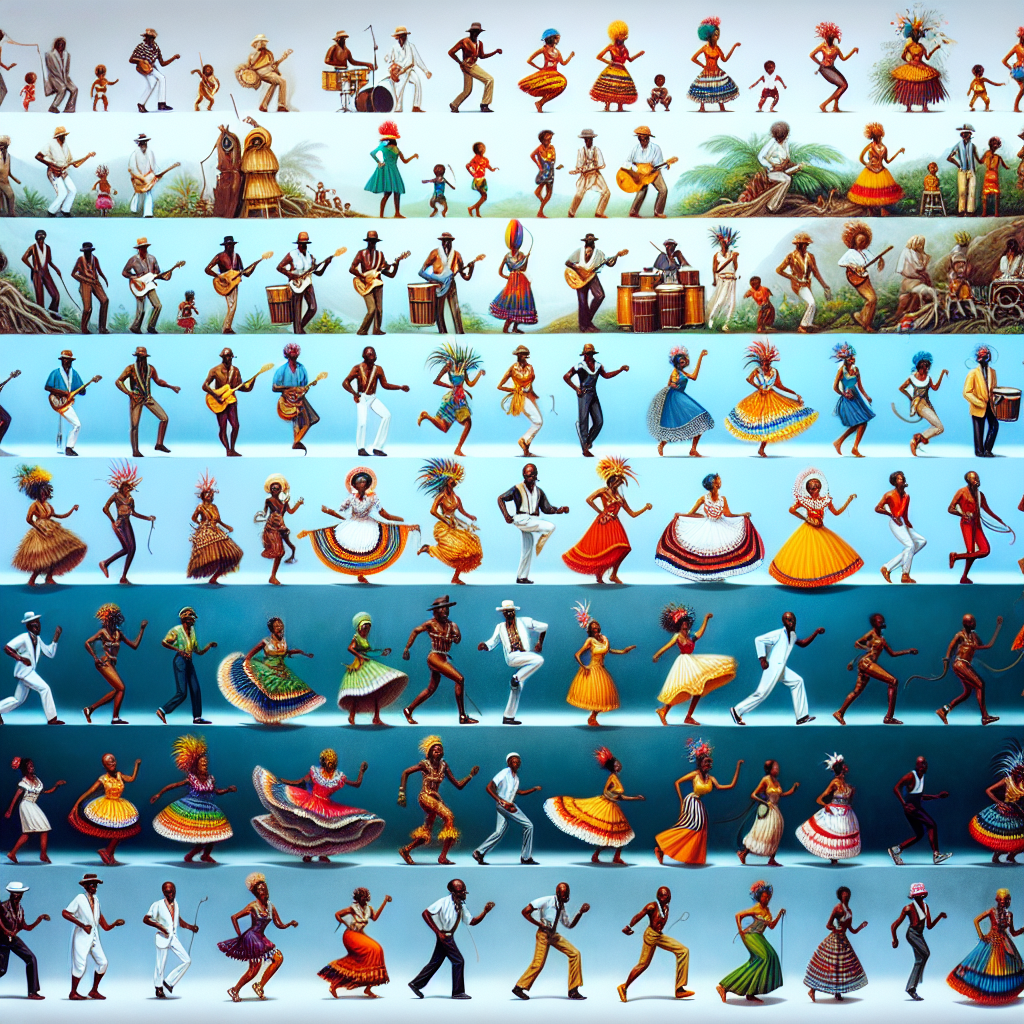
The power of Soca extends beyond its musicality; its associated dances also play a crucial role in the cultural and political landscape of Nevis. Soca dance events became gatherings where people could express their solidarity and resilience through movement. Just as drums were a heartbeat of resistance during the era of slavery, Soca dances became a form of physical and emotional liberation, embodying the spirit of independence.
Modern Music and Cultural Preservation
In contemporary Nevis, music continues to be a dynamic force in both cultural preservation and social activism. The advent of reggae brought a new dimension to the island’s musical heritage, with artists like Bob Marley gaining international acclaim for their songs of resistance and social justice. Nevisian reggae artists have followed suit, using their music to address modern issues such as systemic corruption, environmental degradation, and economic inequality.
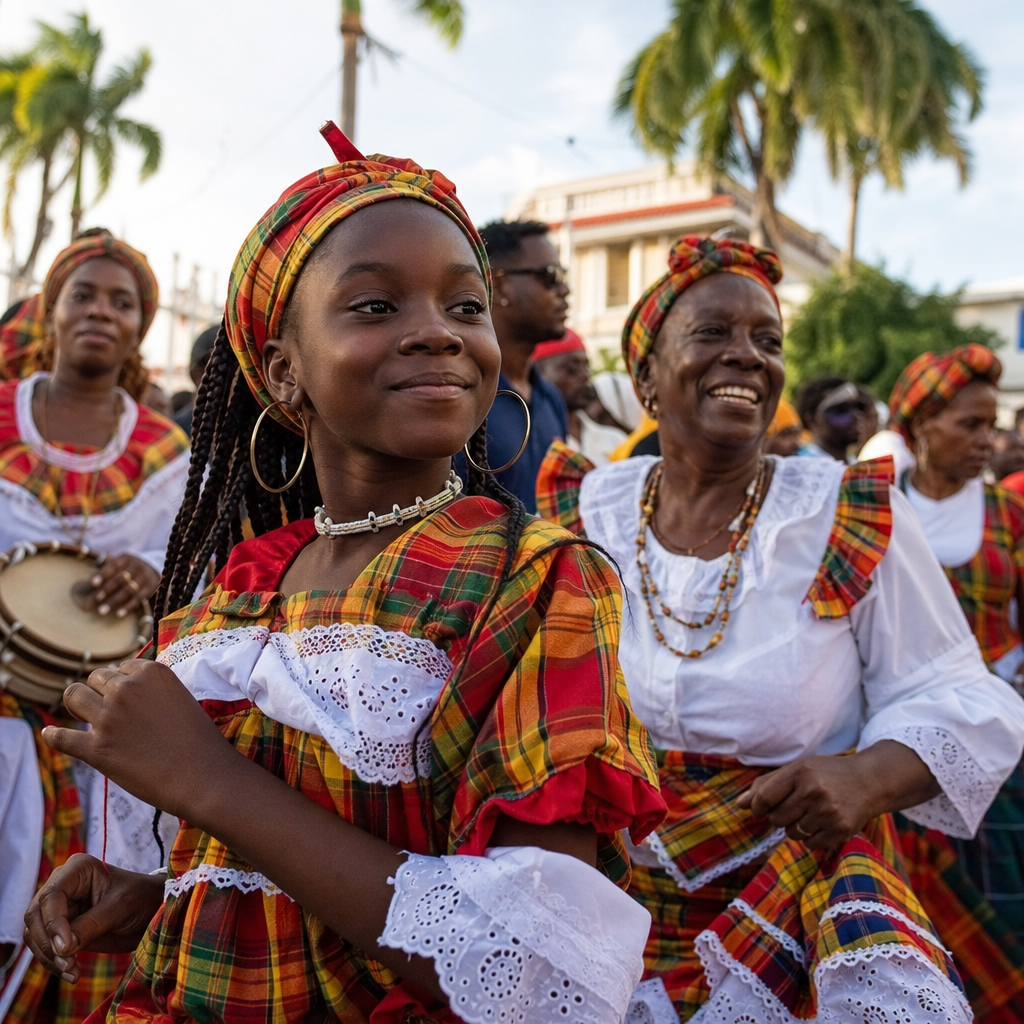
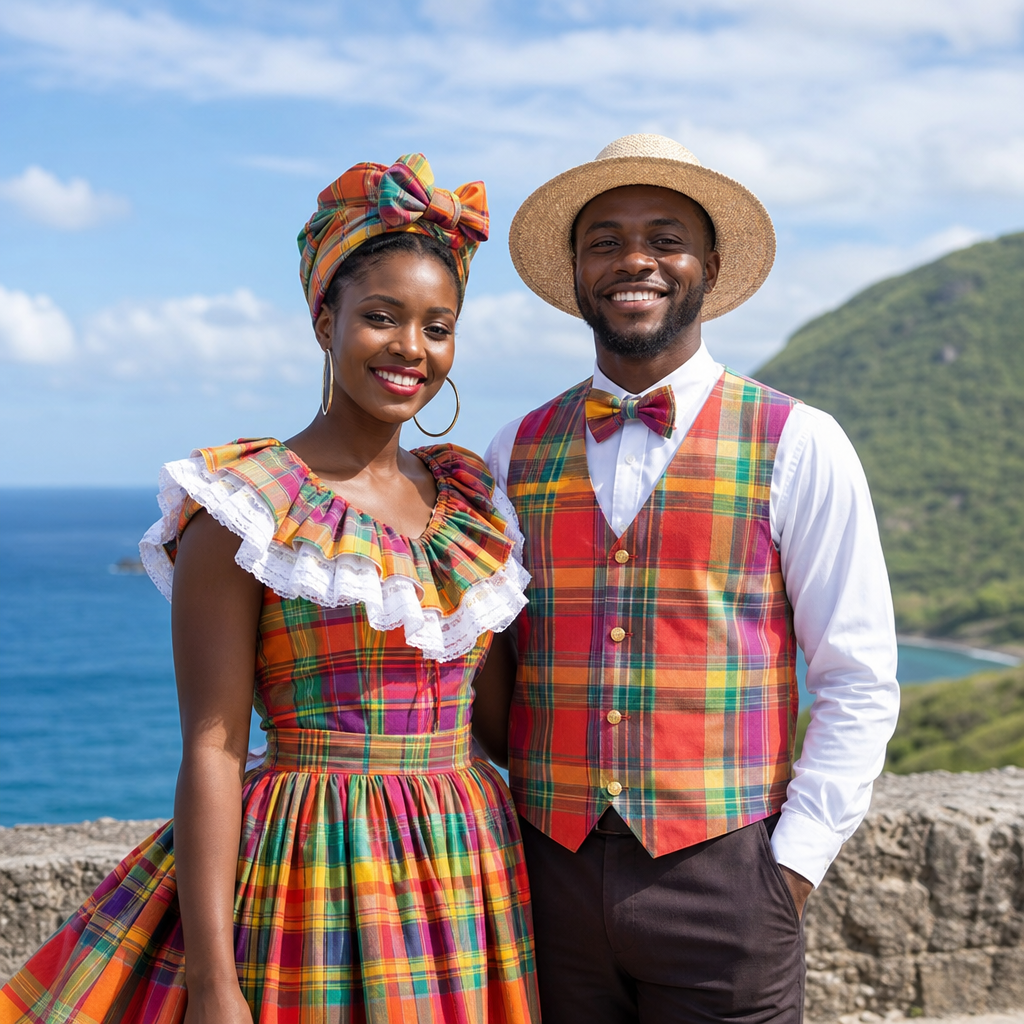
The preservation of traditional music remains a crucial endeavor for many Nevisians. Efforts are made to ensure that folk songs, spirituals, and even the time-honored drumming techniques are passed down through generations. Music festivals and cultural events provide platforms for showcasing these rich traditions, fostering a sense of pride and continuity among the people.
Additionally, modern technology has enabled the preservation and dissemination of Nevisian music on a global scale. Digital recordings, online streaming platforms, and social media have made it possible for Nevisian musicians to reach international audiences, ensuring that the island’s musical heritage is both preserved and celebrated beyond its shores.
Conclusion
The role of music in Nevis’ liberation movements is a testament to the island’s indomitable spirit and cultural resilience. From the plaintive folk songs that veiled plans of rebellion to the vibrant calypso and soca rhythms that fueled the quest for independence, music has been an ever-present catalyst for change. This powerful art form has provided solace in times of despair, unity in moments of division, and empowerment in the face of oppression.
As Nevis continues to navigate its path of cultural and political evolution, the legacy of its musical heritage remains a guiding force. The island’s melodies are not merely sounds; they are the echoes of a people’s journey towards freedom and self-determination. Through the preservation and celebration of its musical traditions, Nevis not only honors its past but also inspires future generations to remain steadfast in the pursuit of justice and equality.
In every note, every beat, and every song, the story of Nevis’ struggle and triumph lives on, a poignant reminder of the transformative power of music. The island’s rich musical history serves as a beacon of hope and a testament to the unyielding spirit of its people, who have continually used music to dance, sing, and march their way to liberation.