Nestled in the crystal-clear waters of the Caribbean, Saint Kitts and Nevis beckon with their stunning natural beauty and a cultural tapestry woven with deep African threads. This article uncovers the vibrant cultural and historical influences that shape the twin-island nation, highlighting how African heritage intricately blends with other influences to create a unique cultural identity.
A Historical Perspective
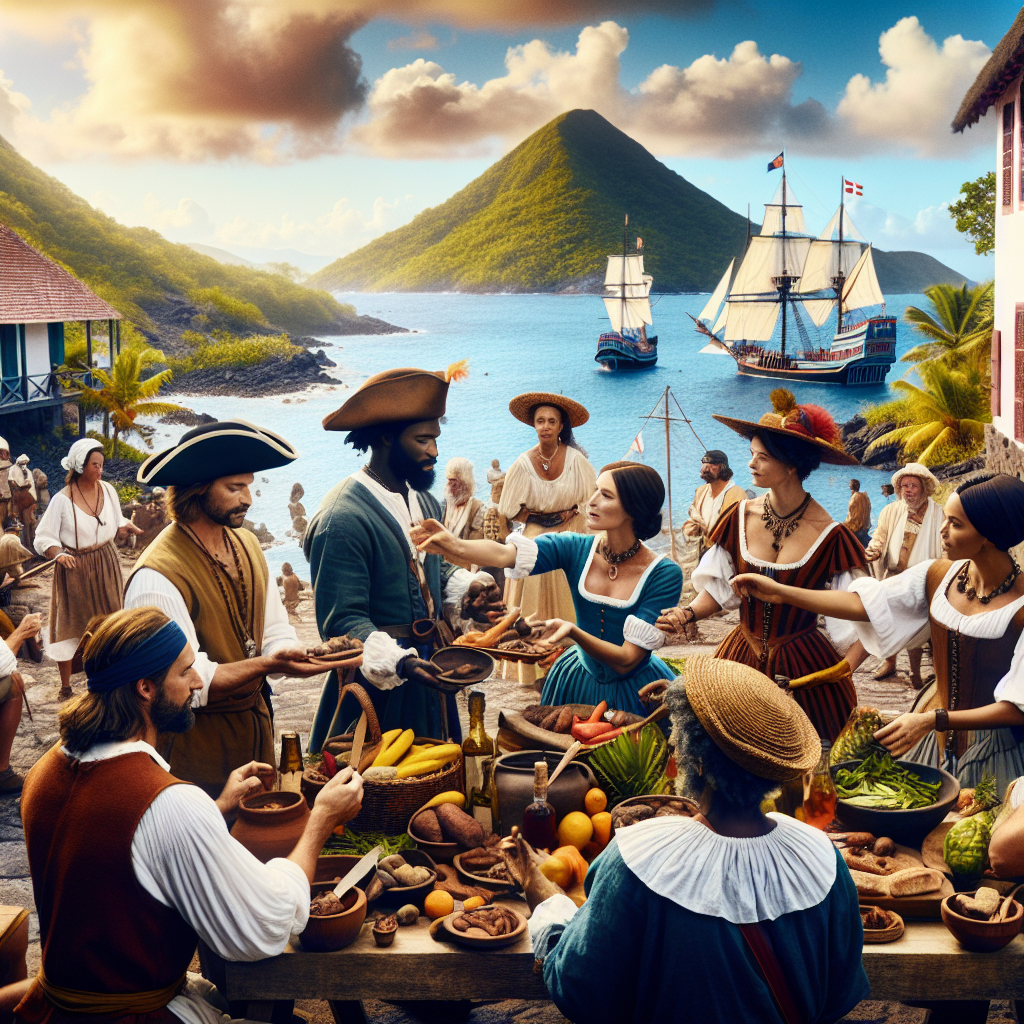
The first European encounter with the islands was by Christopher Columbus in 1493. However, the significant African influence began in the colonial period, primarily in the 18th and 19th centuries, when African slaves were brought to work on sugar plantations. Despite the harsh realities of slavery and colonialism, the indomitable spirit and cultural practices of these African ancestors have left an indelible mark on the islands’ culture).
Music and Festivals
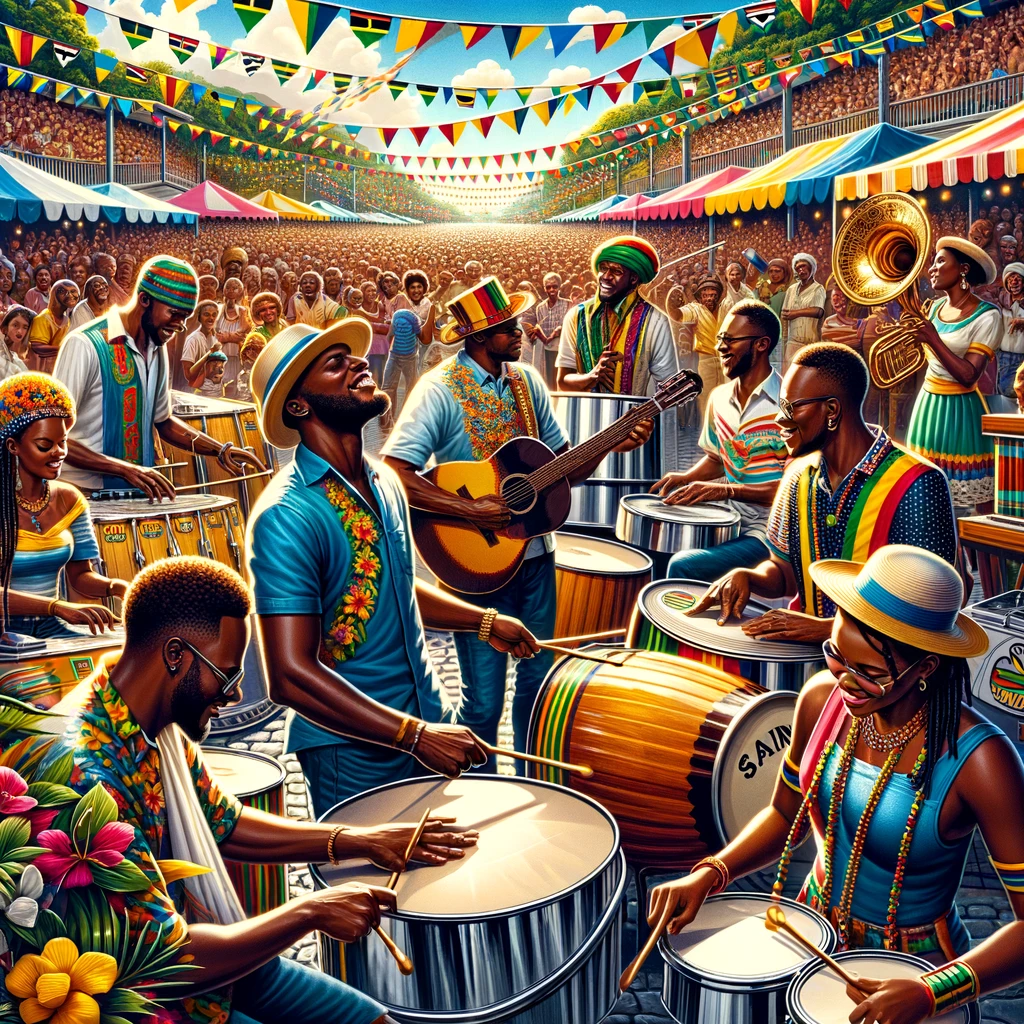
Music is a cornerstone of the islands’ cultural identity, with African influences prominently evident in various genres. Calypso, soca, and reggae reverberate through the streets, especially during vibrant festivals like the annual Carnival, a lively celebration with colorful parades and music, and the St Kitts Music Festival. Culturama on Nevis, an exuberant week-long festival, highlights the rich cultural heritage of the islands, showcasing a blend of African and Caribbean influences.
Cuisine: A Taste of Africa and the Caribbean
Saint Kitts and Nevis’ cuisine is a delicious testament to its African roots, fused with West Indian influences. Dishes like goat water stew, a local favorite, reflect African culinary traditions blended with Caribbean flavors. Rum, integral to the Caribbean, is beloved here, with the national drink, Cane Spirits Rothschild (CSR), distilled from fresh sugar cane.
Arts and Crafts: An African Legacy
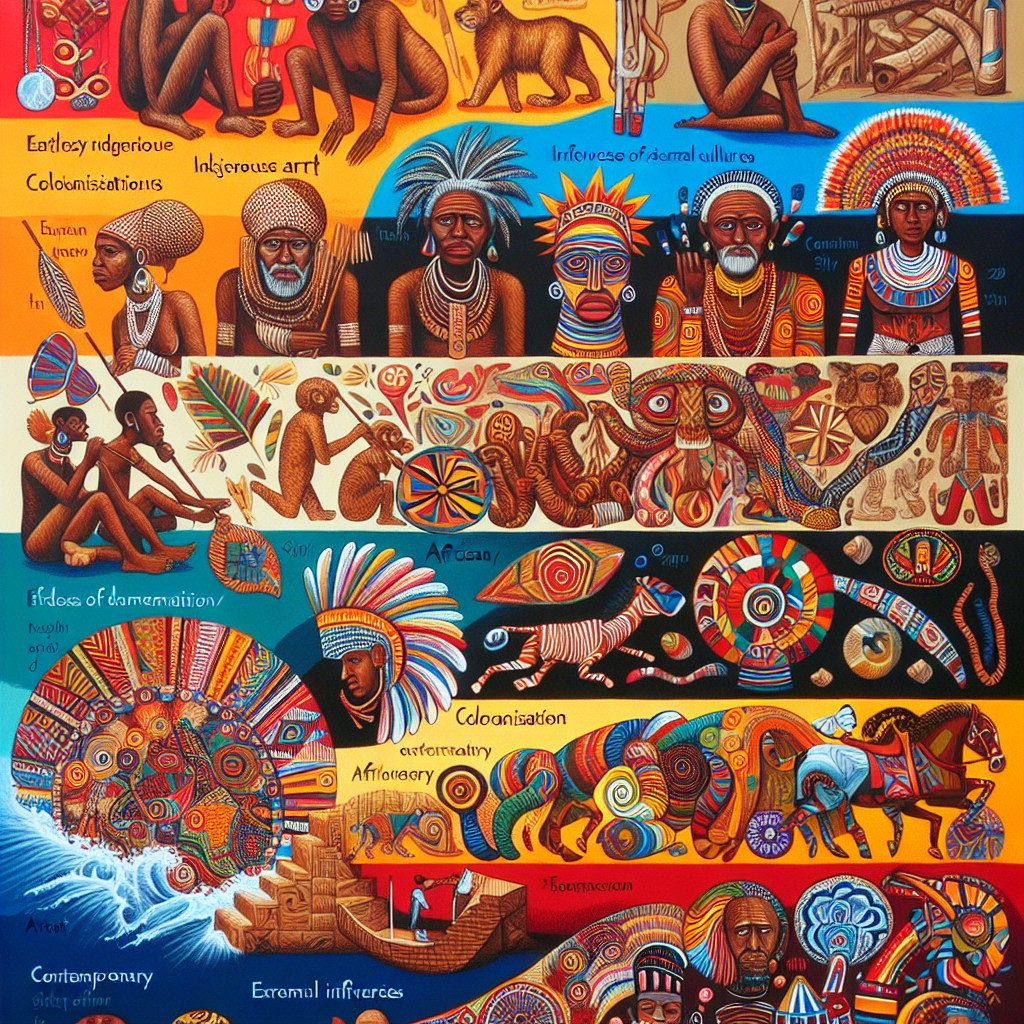
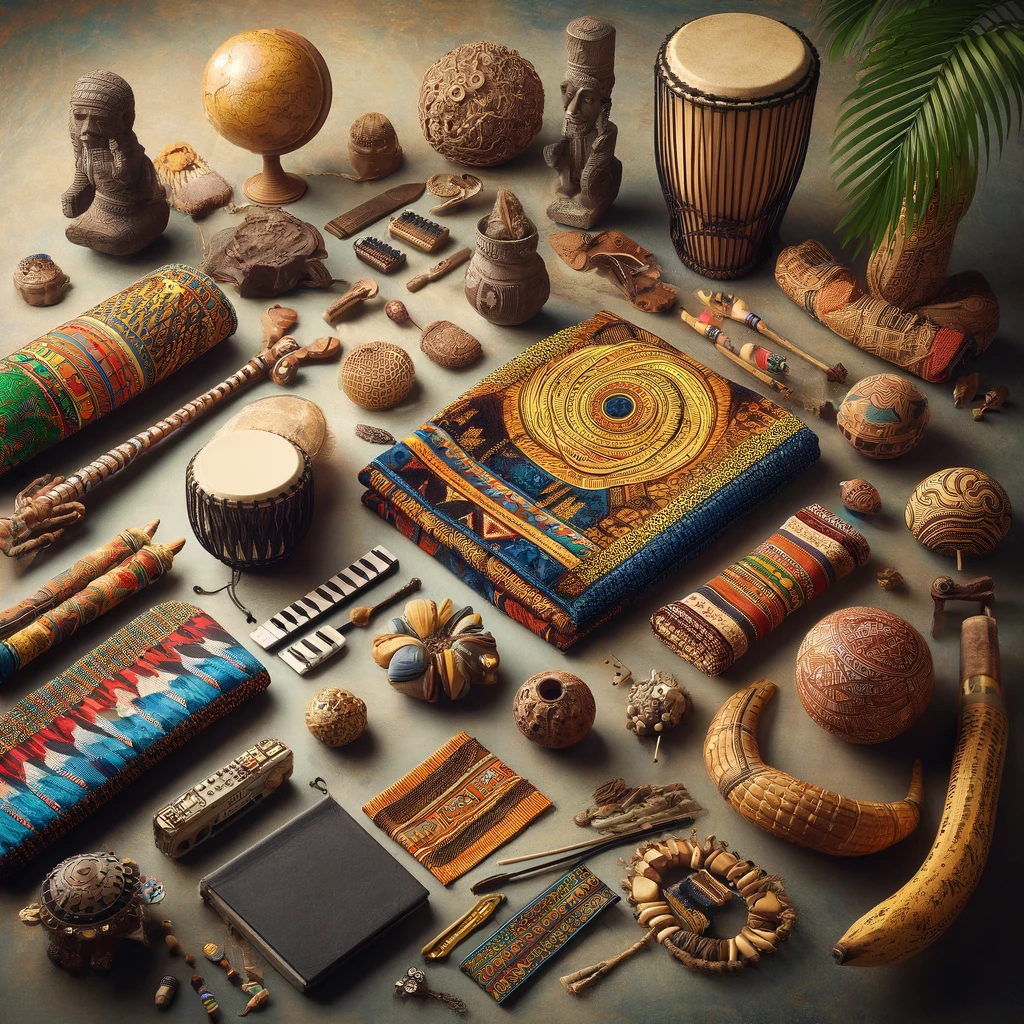
The islands’ art scene is vibrant, with pottery, paintings, and crafts that reflect both native and African influences. Red clay pottery, along with items like batiks and wooden carvings, illustrates the rich artistic heritage influenced by African artistic traditions.
Sports: A Colonial Hangover with African Flair
Cricket, the most loved sport, reflects the British colonial past but is played and celebrated with a distinctly Caribbean and African spirit. Horse racing on Nevis and other sports like soccer and mountain biking are popular, showcasing a blend of influences that define the islands’ cultural fabric.
Society and Family Structure
Traditionally patriarchal, the society is evolving with increased women’s participation in the workforce and politics. The family structure is generally characterized by consensual marriages, with a high value placed on children’s upbringing and the transmission of social values, a practice with roots in both African and British traditions.

Literature and Storytelling: Echoes of African Voices
The oral traditions of Africa have left a lasting imprint on the islands. Storytelling, a deeply rooted African tradition, has been a vital part of preserving history and culture in Saint Kitts and Nevis. This art form, often filled with lessons, folklore, and wisdom passed down through generations, has helped keep the African legacy alive, even during the hardships of slavery and colonial rule. While written literature has a more recent history, influenced by the colonial era and Christianity, it has grown to include diverse narratives that reflect the islands’ multifaceted identity.
Religion and Spirituality: Blending Traditions
Religious practices in Saint Kitts and Nevis also reflect a blend of African and European influences. Predominantly Christian due to European colonization, there are still elements of African spirituality in religious practices. This fusion is evident in religious music, worship styles, and the integration of African symbols and rituals, highlighting a syncretic blend that has evolved over centuries.
Festive Attire: A Colorful Legacy
The festive attire worn during carnivals and cultural celebrations is a flamboyant display of African heritage. Bright colors, intricate patterns, and elaborate headpieces often seen during these events are reminiscent of African tribal wear, adapted and reinvented in a Caribbean context. These costumes are not just for show; they symbolize the vibrancy and resilience of African culture amidst the islands’ tumultuous history.
Language: The Unspoken African Influence
The language spoken in Saint Kitts and Nevis, primarily English due to colonial influence, is interspersed with creole dialects. These dialects bear traces of African languages, mixed with English and other linguistic elements. This linguistic blend is a subtle yet profound reminder of the African ancestors who creatively preserved parts of their linguistic heritage against the odds of displacement and cultural suppression.
Economic Contributions: From Sugar to Tourism
The economic history of Saint Kitts and Nevis is steeped in the sugar trade, an industry largely built on the back of African slave labor. While sugar was the mainstay for centuries, the islands have transitioned to tourism as a primary economic driver. This shift not only represents a move away from a painful colonial past but also offers a platform to showcase the rich cultural heritage of the islands, much of which is attributed to African influences.
Preservation and Education: Keeping the Legacy Alive
Efforts to preserve and educate about the African roots of Saint Kitts and Nevis are vital in keeping the history and culture alive for future generations. Museums, cultural programs, and educational initiatives play a crucial role in this. They not only educate locals and tourists about the rich African heritage but also ensure that the stories, traditions, and cultural practices of African ancestors continue to be honored and remembered.
Embracing a Global Identity
Today, Saint Kitts and Nevis is a place where African heritage, British colonial influences, and Caribbean vibrancy converge to create a unique cultural identity. The people of these islands embrace their multiple heritages, proud of their African roots while acknowledging the myriad influences that shape their present. In this way, the culture of Saint Kitts and Nevis stands as a testament to the power of resilience, adaptation, and cultural fusion.
Conclusion
The exploration of the African roots of Saint Kitts and Nevis culture reveals a rich tapestry of history, resilience, and cultural dynamism. From music, cuisine, and art to language, sports, and religious practices, the African heritage pulsates through every facet of life in these islands. As Saint Kitts and Nevis continue to navigate their future, the enduring influence of their African ancestors remains a cornerstone of their cultural identity, a beacon of strength, and a source of enduring pride.