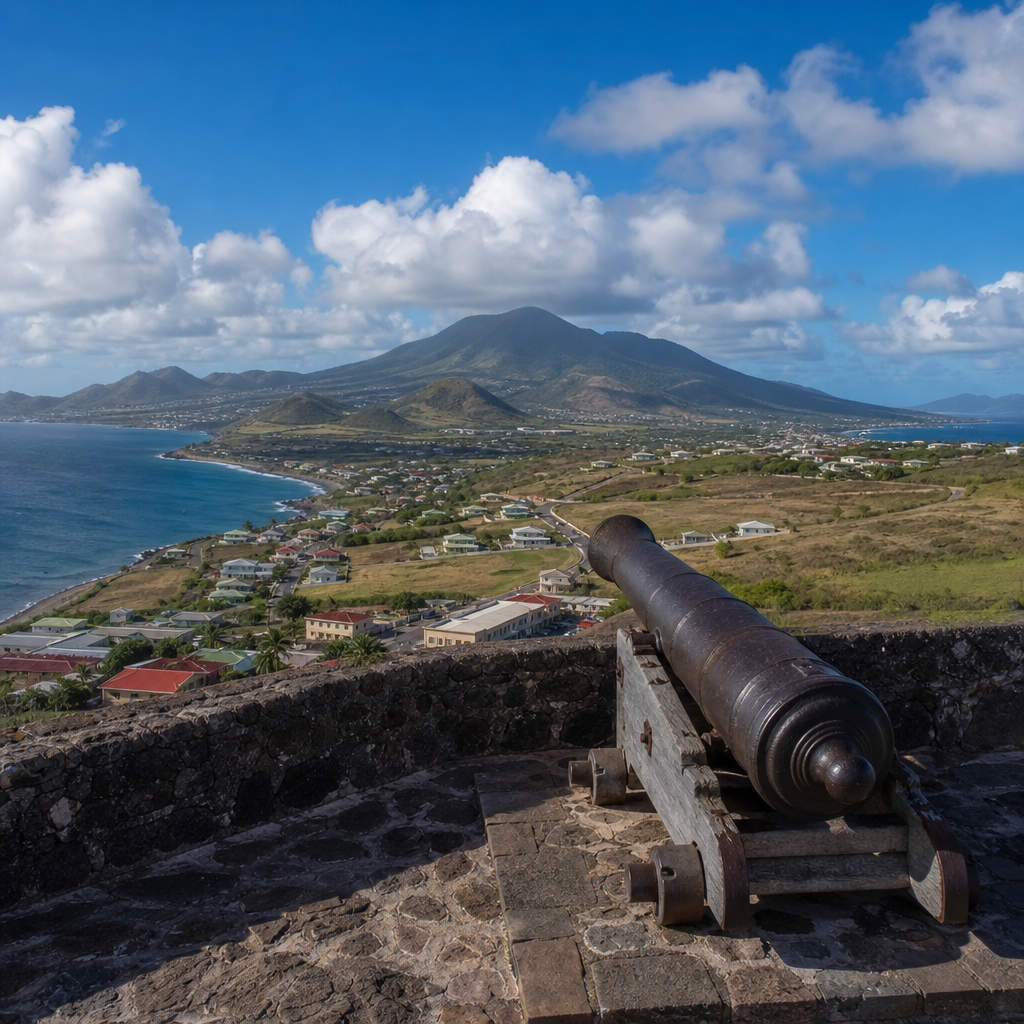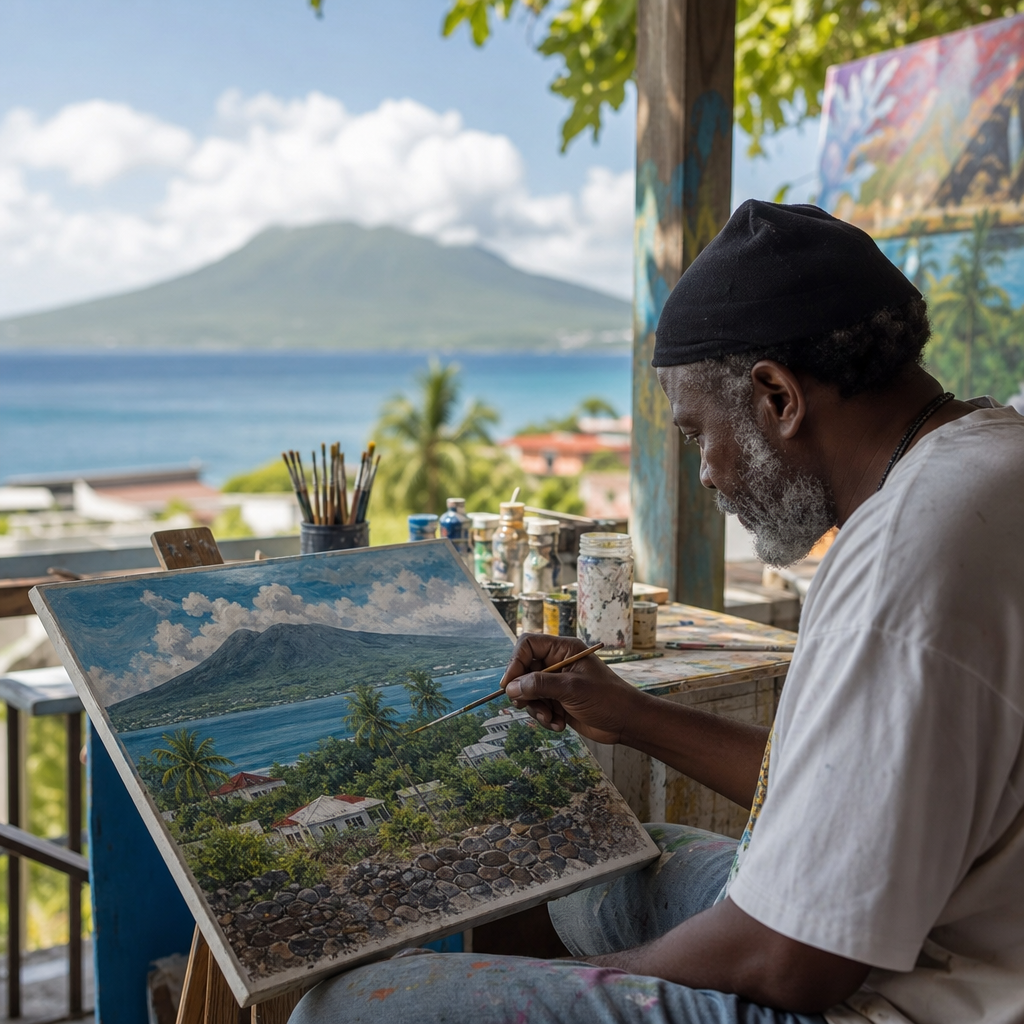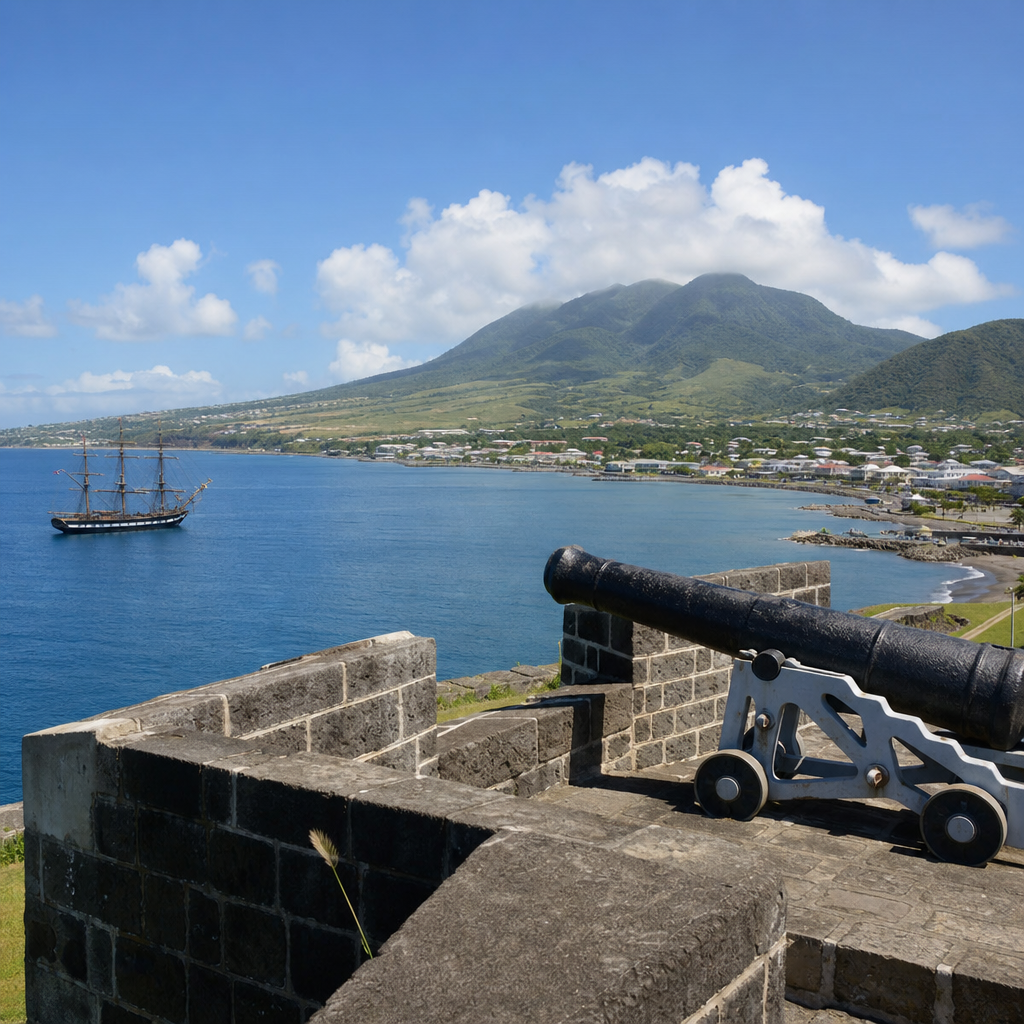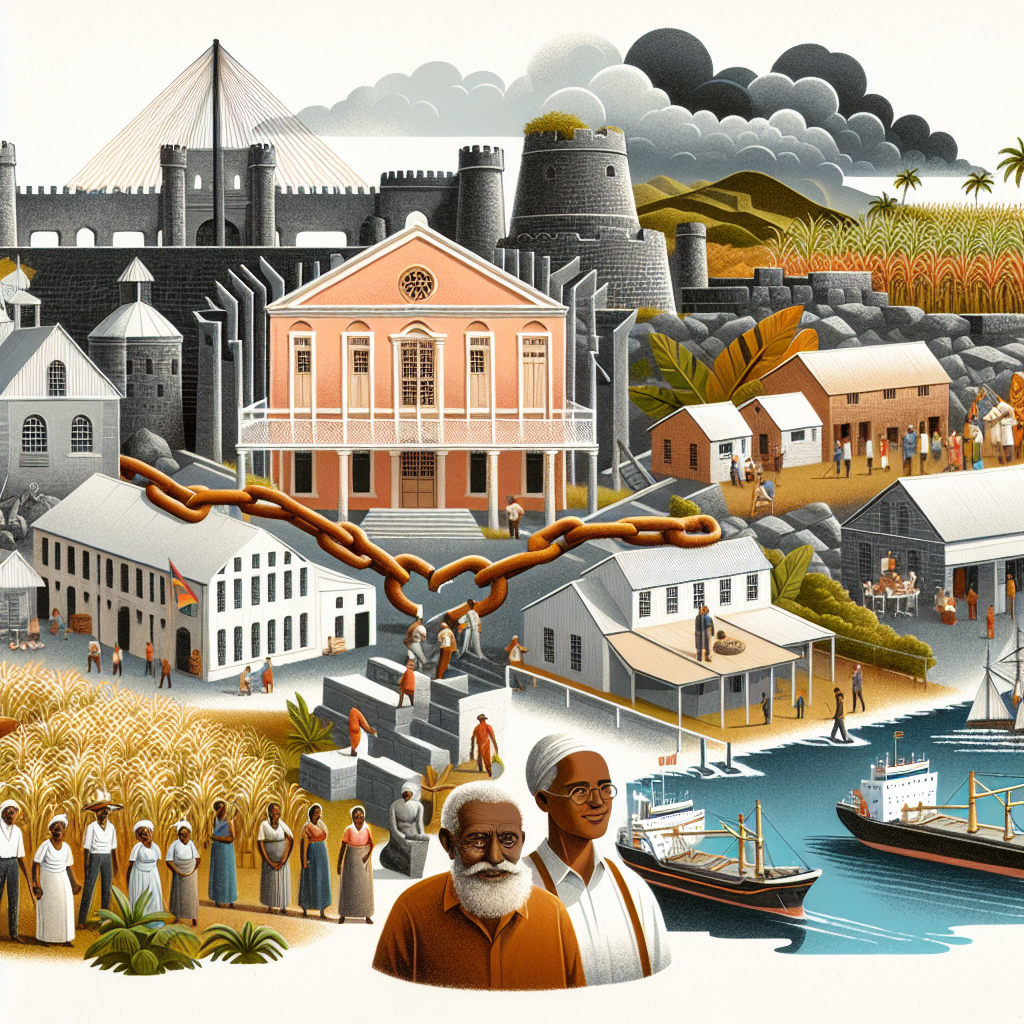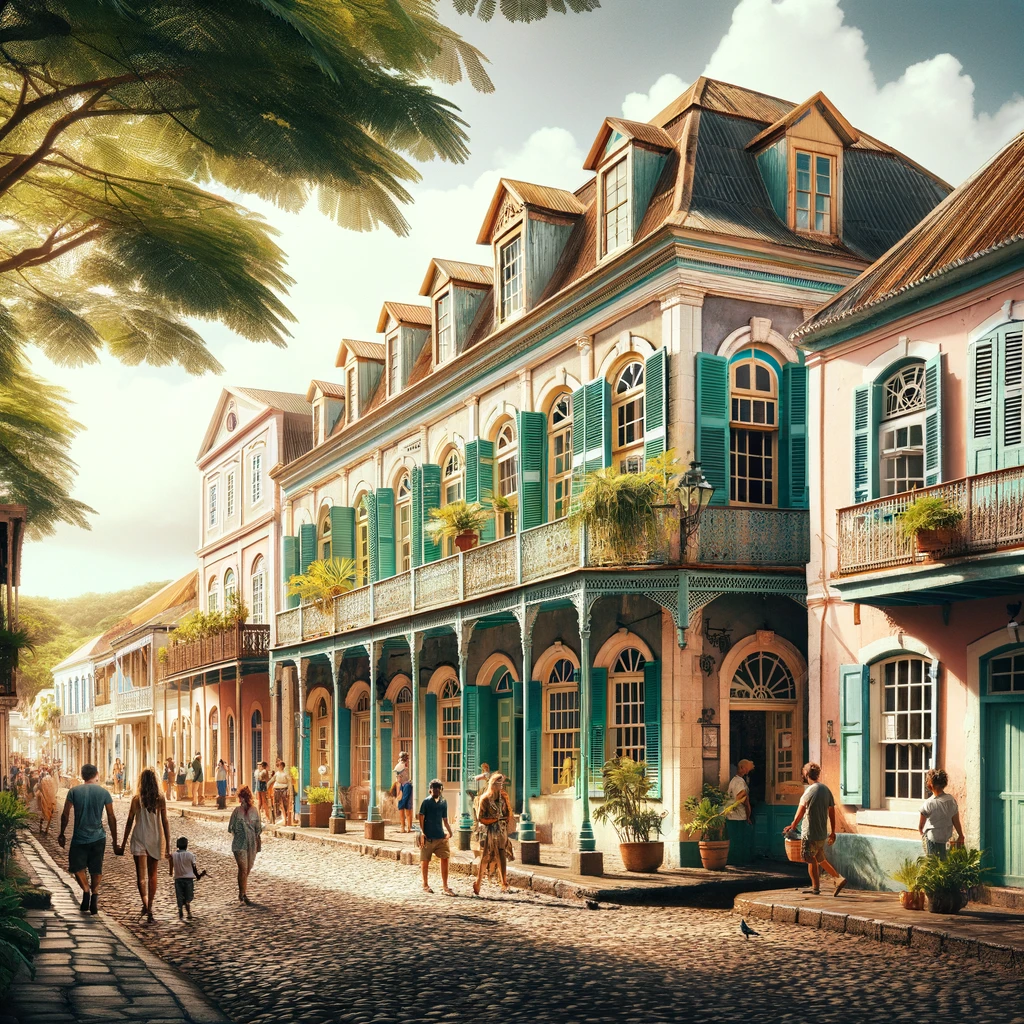
Nevis, an island in the Caribbean, is a treasure trove of history and culture, evident in its well-preserved colonial architecture. This article takes you on a virtual walking tour of Nevis, highlighting key historical sites and architectural gems.
A Historical Overview
Nevis, part of the Federation of Saint Kitts and Nevis, has a rich history shaped by colonial powers. By the late 18th century, it had become a bustling center due to its sugar plantations. The island’s historical narrative is intertwined with key figures like Admiral Horatio Nelson and Alexander Hamilton, who left indelible marks on its culture and architecture. The abolition of slavery in 1834 and subsequent events also significantly influenced Nevis’ development and architecture.
Charlestown: The Heart of Nevis’ Colonial Legacy
Begin your walking tour in Charlestown, the capital of Nevis. This town offers a vibrant mix of colonial architecture and local culture. As you stroll through the streets, you’ll encounter pastel-colored buildings and significant historical sites. The tour typically covers two miles and lasts about 1.5 hours, making it suitable for all ages and interests.
The Alexander Hamilton Museum
Your first stop is the Alexander Hamilton Museum. Hamilton, one of America’s founding fathers, was born in Nevis. His birthplace, a two-story Georgian building, now houses the museum and the Nevis House of Assembly. The building’s restoration after an earthquake in 1840 adds to its historical value.
Jewish Cemetery
Next, explore one of the Caribbean’s oldest Jewish cemeteries, dating back to the 1760s. This site offers a glimpse into the lives of Sephardic Jews who contributed significantly to the island’s sugar industry.
The Bath Hotel and Hot Springs
Visit the Bath Hotel, the first tourist hotel in the Caribbean. Built in 1778, it’s renowned for its hot springs, believed to have therapeutic properties. The hotel’s architecture reflects the colonial style prevalent during its construction.
Other Notable Sites
- Montpelier Plantation: The site where Admiral Horatio Nelson married Fanny Nisbet, offering insights into Nevis’ colonial history.
- Nevisian Heritage Village: This site showcases the evolution of Nevisian social history through housing styles from different periods.
- New River & Coconut Walk Estates: Explore these estate ruins to learn about the island’s sugar plantation history and view the remnants of Arawak Indian settlements.
- St. George’s Anglican Church (c.1842): This church is a must-visit for its historic graves and stunning architecture.
The Cultural Tapestry of Nevis
The walking tour is more than a journey through time; it’s an exploration of the diverse cultural tapestry of Nevis. The island’s architecture is a living narrative of its past, from the days of sugar plantations and slavery to its current status as a part of an independent nation. Each building, ruin, and monument tells a story of resilience, adaptation, and cultural fusion.

Exploring Nevis’ Colonial Past
As you continue your walking tour, immerse yourself in the layers of Nevisian history that paint a vivid picture of its colonial past.
The Horatio Nelson Museum
A pivotal character in Nevis’ history is Admiral Horatio Nelson. The Horatio Nelson Museum, established to honor his legacy, showcases the largest collection of Nelson relics in the Western Hemisphere. The museum commemorates his marriage to Frances Nisbet and hosts an annual anniversary tea, echoing Nevis’ historical ties to British naval history.
Montravers Estate
Step back in time at Montravers Estate, a site layered with history. Archaeological evidence traces its roots back to the 17th century, with ruins revealing stories of French invasions and the evolution of sugar plantations. The estate, once proposed as an artist’s colony, provides a glimpse into the lifestyle of the colonial era, further enriched by the preserved correspondence of the Pinney family.
Architectural Evolution
Nevis’ architecture is a testimony to its resilience. Following natural disasters like the 1835 hurricane, the island rebuilt and restructured, reflected in the evolving architectural styles. The Nevisian Heritage Village, for instance, showcases housing styles ranging from Carib Indian to colonial times, offering a living history of the island’s social evolution.
The Sugar Industry’s Influence
Sugar plantations were the backbone of Nevis’ economy. As you explore sites like the New River and Coconut Walk Estates, you’ll discover ruins of sugar mills and plantations that speak volumes about the island’s past. These estates also uncover evidence of pre-Columbian settlements, connecting Nevis’ history to its indigenous roots.
Religious Diversity
Reflecting its diverse colonial heritage, Nevis is home to various religious buildings. The St. George’s Anglican Church, dating back to 1842, is not just a place of worship but a repository of history, with many historic graves and headstones narrating tales of the island’s past residents.
Understanding Nevis Through Its Architecture
This walking tour is more than an architectural exploration; it’s a journey through Nevis’ historical soul. Every structure, from churches to cemeteries, tells a story of the island’s past, offering insights into the lives of those who shaped its destiny.
The Legacy of Slavery and Emancipation
The abolition of slavery in 1834 was a turning point for Nevis. The island navigated through challenging times, marked by natural disasters and economic shifts. The architecture of this period, with its changing styles and purposes, symbolizes the island’s struggle and triumph over adversity.
Post-Emancipation Developments
Following emancipation, Nevis underwent significant social and economic changes. The decline of the sugar industry led to a population shift, with many leaving the island. This period of transition is evident in the architectural remnants of the era, illustrating a shift from plantation-based economy to diverse agricultural and industrial pursuits.
Contemporary Nevis
Today, Nevis cherishes its colonial heritage while embracing modernity. The island boasts a range of accommodation, from luxury resorts like the Four Seasons to historical inns like the Hermitage and Golden Rock Inn. These establishments blend the island’s rich history with contemporary comfort, symbolizing Nevis’ journey through time.
A Cultural Melting Pot
Nevis’ colonial architecture is more than just structures; it’s a fusion of cultures and histories. From the influence of African slaves to European colonists and indigenous Caribs, the island’s history is a melting pot of traditions, reflected in its music, dance, and festivals, especially vibrant during Christmas time.
Conclusion
The walking tour of Nevis’ colonial architecture is a mesmerizing journey through time. It reveals the island’s rich history and cultural diversity through its well-preserved structures and ruins. As you walk the streets of Nevis, you’re not just witnessing the remnants of a bygone era; you’re experiencing the living history of a vibrant, resilient island that continues to captivate and inspire.
References
- Wikipedia – History of Saint Kitts and Nevis
- Nevis Tourism Authority – Nevis History
- Book Nevis LTD – Charlestown Walking Tour
- NIA (Nevis Island Administration) – About Nevis