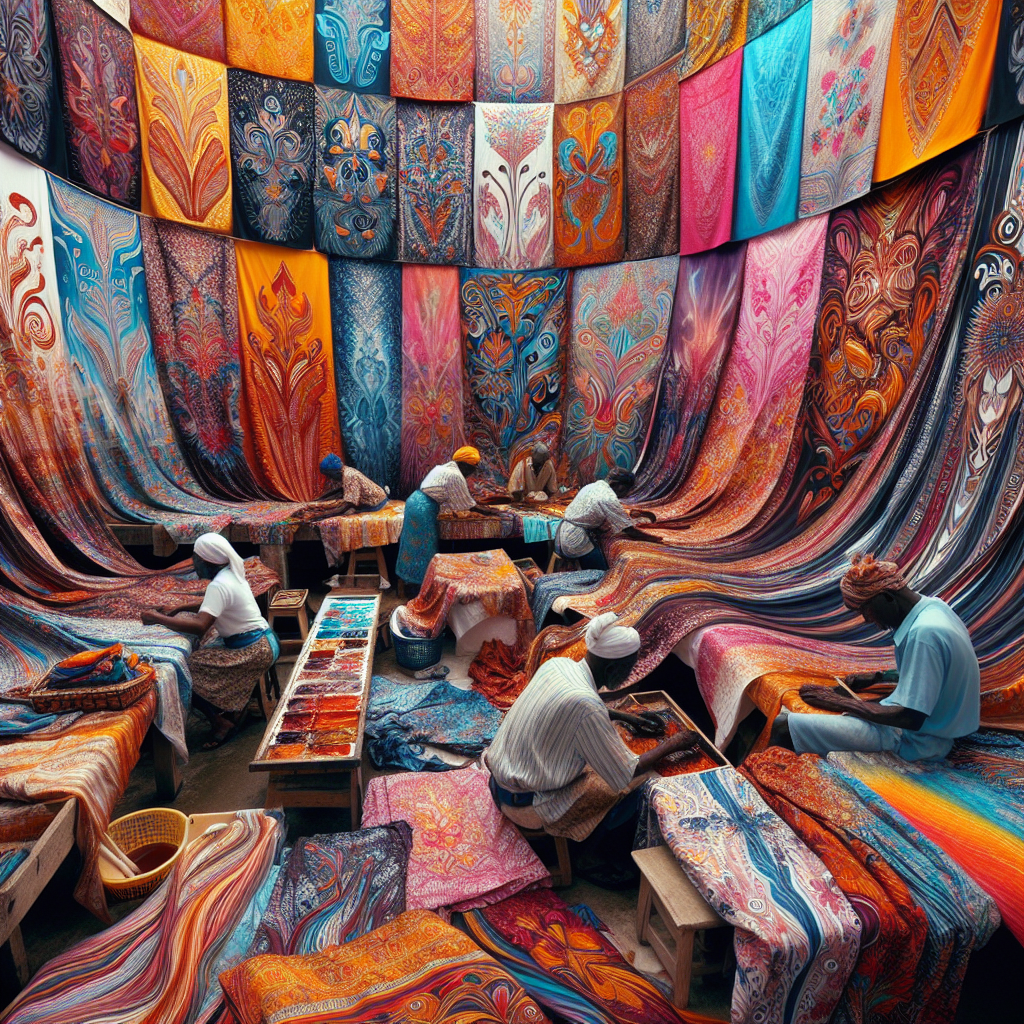
Saint Kitts and Nevis, the enchanting twin-island nation in the Caribbean, is celebrated for its lush landscapes, pristine beaches, and rich cultural heritage. Among the treasures of this captivating destination is an art form that weaves the vibrant threads of tradition and creativity: Batik fabric art. Batik, a technique of wax-resist dyeing applied to whole cloth, has become a significant part of the islands’ cultural tapestry. With roots tracing back centuries in various parts of Africa and Asia, Batik in Saint Kitts has blossomed uniquely, reflecting the island’s tropical charm and spirited culture.
When visiting Saint Kitts, immersing yourself in the local Batik tradition offers a deeper appreciation of the island’s artistic soul. This guide aims to take you on a journey through the history, techniques, and contemporary practices of Batik fabric art in Saint Kitts, along with practical tips and must-visit spots for an authentic Batik experience. Whether you’re an art enthusiast or a curious traveler, the world of Batik in Saint Kitts promises to leave you inspired and enriched.
The Historical Roots of Batik in Saint Kitts
While the technique of Batik originated in countries like Indonesia, the Caribbean region, including Saint Kitts, adopted and adapted this form of art, melding it with local artistic expressions. The history of Batik in Saint Kitts is a testament to the blending of cultures and the island’s dynamic colonial past. During the era of European colonization, trade routes between Africa, Europe, and the Caribbean brought with them a plethora of cultural influences.
African slaves and indentured servants introduced various traditional crafts and artistic practices, including Batik. Over time, the residents of Saint Kitts refined these techniques, infusing them with the vibrant colors and ecological motifs inspired by their surroundings. Palm leaves, tropical flowers, and marine life frequently appear as motifs in Kittitian Batik, depicting the lush and abundant natural environment.
Today, Batik in Saint Kitts is not only a symbol of cultural heritage but also a thriving artistic expression that continues to evolve. Visiting artisans and local galleries offers a window into the living tradition of Batik, where each piece tells a story of the island’s past, present, and future.
Understanding the Techniques and Craftsmanship
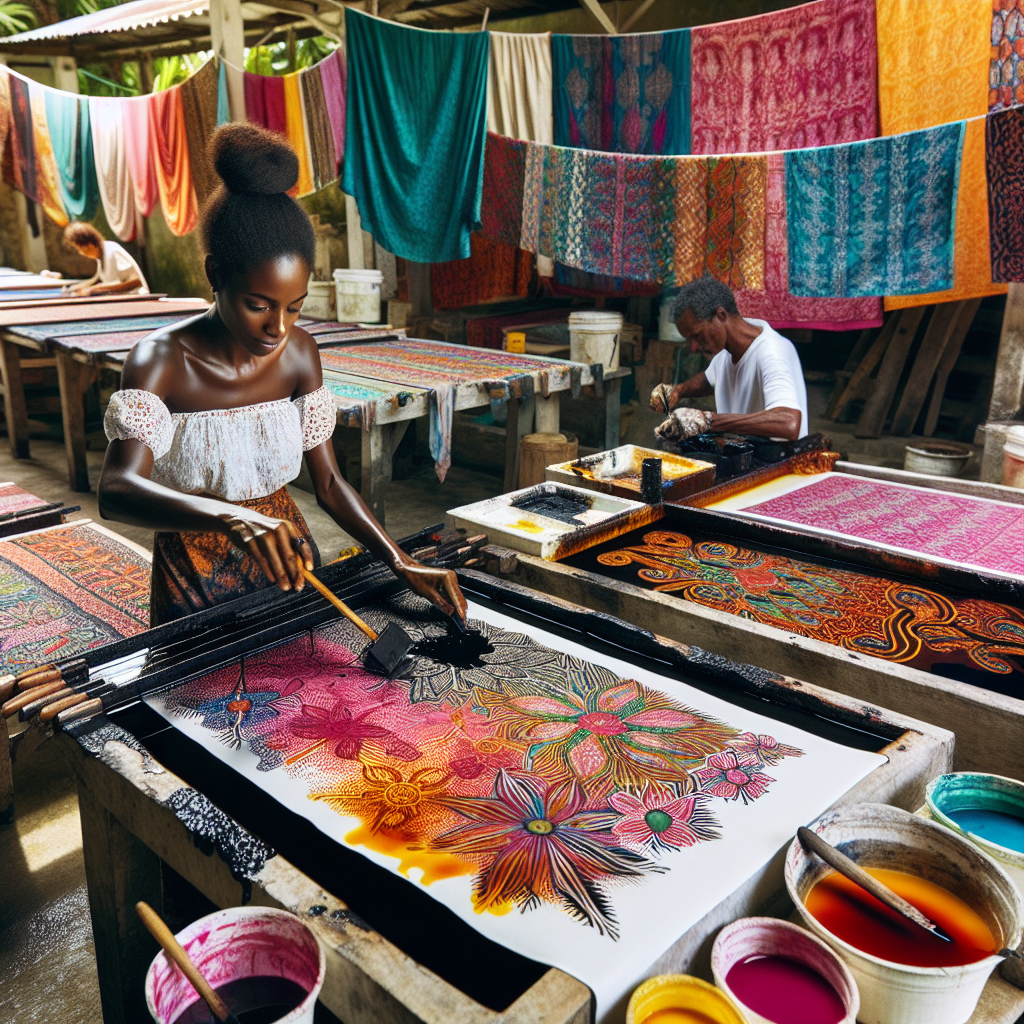
The process of creating Batik art is intricate and requires a skilled hand and a creative mind. The primary technique involves applying wax to the fabric, which acts as a resist to the dye, preventing the color from penetrating the material wherever the wax is applied. This process is repeated several times, using different colors and layers of wax, to produce intricate and colorful designs.
The tools of Batik artists are basic yet essential: a canting (a small copper container with a spout) for detailed designs, brushes, and stamps for larger patterns. The fabric, usually cotton or silk, is first washed and dried to remove impurities that might affect the dye. The artist then draws the design, freehand or using stencils, and applies wax following the pattern.
The dyeing process requires multiple stages, each adding a new layer of color. After each dye application, the fabric is boiled to remove the wax, revealing the pattern beneath. This complex, labor-intensive process results in the unique, textured appearance of Batik fabric, where no two pieces are exactly alike. The dedication and skill involved in Batik craft contribute to its status as a cherished art form in Saint Kitts.
Spotlight on Local Artisans and Batik Centers
To truly appreciate Batik fabric art in Saint Kitts, visiting local artisans and Batik centers is a must. These spaces not only showcase the beauty of Batik but also serve as educational hubs where visitors can learn about the art form’s history and techniques. One notable Batik center on the island is Caribelle Batik, located in Romney Manor.
Caribelle Batik is renowned for its stunning creations and beautiful gardens. The center offers guided tours where visitors can witness the Batik process firsthand and even try their hand at creating their own Batik piece. The artists at Caribelle Batik are skilled storytellers, sharing the journey of each piece from design to finished product.
Another gem is Gallery Yaa, which features Batik works by local artist Azeh Al-Amin. Her designs are celebrated for their modern interpretations of traditional themes, combining bold colors and contemporary motifs. Gallery Yaa also hosts workshops and exhibitions, fostering a deeper connection between visitors and the local art community.
Engaging with local artisans and visiting these centers not only supports the island’s creative economy but also offers a unique and immersive cultural experience. It’s a chance to take home a piece of Saint Kitts, woven with history, tradition, and the island’s vibrant spirit.
Tips for Buying and Caring for Batik Fabric
When purchasing Batik fabric in Saint Kitts, it’s essential to know how to recognize high-quality pieces and care for them properly. Authentic Batik is handmade, and its quality can be determined by several factors. Look for the intricate details and the richness of colors, which indicate the layers of dyeing and the skill involved in the process.
Inspect both sides of the fabric; true Batik is reversible, with the design visible on both sides. Feel the texture – authentic Batik tends to be softer due to the washing and waxing process. You might also encounter stamped or printed Batik, which, while beautiful, doesn’t have the same artisanal value as handmade pieces.
Caring for Batik fabric requires a gentle touch to maintain its beauty and longevity. Handwashing in cold water with mild detergent is recommended. Avoid wringing the fabric; instead, press it gently to remove excess water. Dry the fabric in the shade to preserve the colors. When ironing, use a low heat setting and a protective cloth to prevent direct heat from damaging the fabric.
By following these tips, you can ensure that your Batik pieces remain as vibrant and exquisite as the day you brought them home, serving as a lasting reminder of your journey through Saint Kitts’ rich artistic heritage.
Exploring Batik Beyond Fabric: Art, Fashion, and Home Décor
While Batik is traditionally associated with fabric, its application extends far beyond clothing. In Saint Kitts, artisans have embraced Batik to create a wide range of artistic and functional pieces, reflecting the versatility and creative potential of this art form.
Batik paintings are a popular medium, where the fabric becomes the canvas for artistic expression. These paintings often depict scenes of island life, nature, and folklore, capturing the essence of Saint Kitts in a unique and vibrant way. Collectors and art lovers can find these works in galleries and artisan markets across the island.
Fashion designers in Saint Kitts have also integrated Batik into their collections, creating stunning dresses, shirts, scarves, and accessories. The unique patterns and colors of Batik fabric bring an exotic flair to contemporary fashion, making these items highly sought after by both locals and tourists. Wearing Batik not only showcases traditional artistry but also supports the local creative industry.
For those looking to incorporate Batik into their homes, a variety of décor items are available. From cushion covers and table runners to wall hangings and tapestries, Batik adds a touch of Caribbean charm to any space. These pieces serve as beautiful reminders of the island’s culture and the artisans’ craftsmanship, infusing your home with warmth and color.
Exploring the diverse applications of Batik in Saint Kitts reveals the endless possibilities of this art form. It highlights how tradition and innovation can come together to create something truly special, enriching the cultural landscape of the island.
Conclusion: Celebrating the Timeless Beauty of Batik in Saint Kitts
The art of Batik in Saint Kitts is more than a craft; it’s a vibrant tapestry of the island’s history, culture, and creativity. By exploring this unique art form, visitors can connect with the essence of Saint Kitts, understanding the stories woven into each piece of fabric.
From its historical roots to the meticulous techniques and contemporary interpretations, Batik reflects the resilience and ingenuity of the people of Saint Kitts. Whether you’re admiring a Batik painting, wearing a hand-dyed garment, or bringing home a décor item, each piece embodies the spirit of the island.
Your journey into the world of Batik in Saint Kitts offers a deeper appreciation for the island’s artistic heritage and the talented artisans who keep this tradition alive. It’s an invitation to celebrate and preserve a cultural legacy that continues to inspire and captivate.
So, the next time you find yourself in Saint Kitts, take the time to explore its Batik treasures. Visit the artisans, learn about the techniques, and immerse yourself in the colors and patterns that tell the story of this beautiful island. By doing so, you become part of Saint Kitts’ rich tapestry, carrying a piece of its artistic soul with you wherever you go.