Positioned within the glittering Caribbean, Nevis stands out not just for its idyllic beaches but also for its profound historical legacy. At the heart of this legacy are the historical plantation tours that offer an immersive window into the island’s past. Nevis’ plantations were once the pinnacle of sugar production, shaping the island’s economy and culture. Today, these sites provide an insightful journey, combining the stunning beauty of Nevis with a poignant exploration of history.
Introduction
Nevis, renowned for its serene landscapes and pristine beaches, holds a trove of historical treasures within its boundaries. Nestled in the heart of the Caribbean, this small yet captivating island is steeped in colonial history, with numerous plantations that once thrived during the sugar boom of the 17th and 18th centuries. These plantations played a pivotal role in shaping the socio-economic fabric of Nevis, and today they stand as silent witnesses to a bygone era.
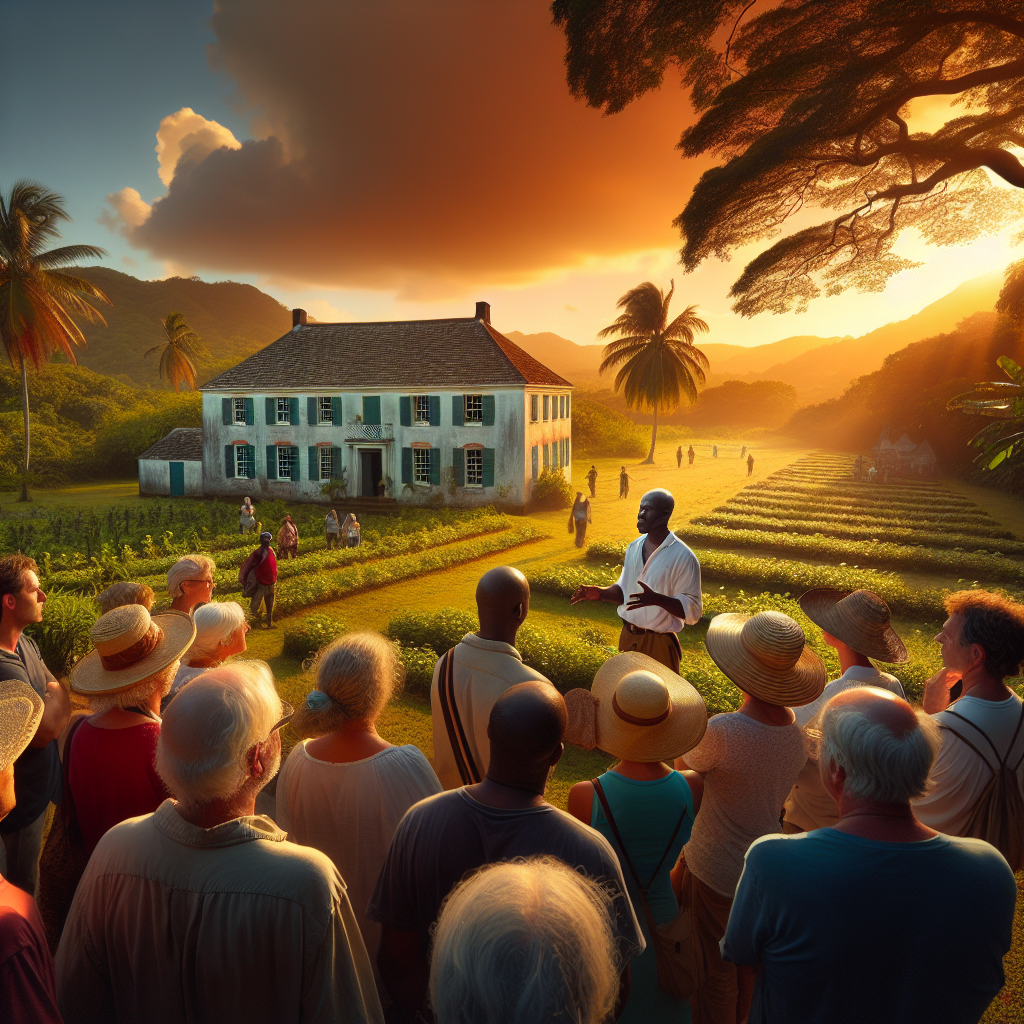
As you embark on a historical plantation tour in Nevis, you are not just stepping into a picturesque locale; you are delving deep into a rich and complex history that molded this unique island. These tours encapsulate the very essence of Nevis’ past, offering visitors an intimate view of the island’s journey through time. From the well-preserved architecture to the hauntingly beautiful landscapes, every corner of these plantations tells a story.
Understanding the significance of these plantations goes beyond mere interest in history. It provides a deeper appreciation of the resilience and culture of the people of Nevis. Discovering the stories of the enslaved people who worked the land, and the colonialists who built their fortunes on it, adds layers of depth to your visit. Whether you’re a history buff, a culture enthusiast, or simply a curious traveler, the plantation tours offer a unique perspective that enriches your overall Nevis experience.
Montpelier Plantation and Beach
Montpelier Plantation and Beach stands as an exquisite example of how historical landmarks can be seamlessly woven into luxurious modern experiences. Nestled amidst 60 acres of lush foliage, this former sugar plantation offers a glimpse into the past while providing contemporary amenities. Established in the 1740s, Montpelier Plantation has been meticulously preserved and repurposed, allowing visitors to enjoy the grandeur of the colonial era with a touch of modern sophistication.
The plantation’s history is vividly reflected in its architecture and landscape. The main house, with its elegant Georgian design, still retains many of its original features, offering a tangible connection to the 18th century. The surrounding grounds, once bustling with the activity of sugar production, are now tranquil gardens that invite reflection and exploration. Guided tours provide detailed narratives about the plantation’s past, shedding light on the lives of those who lived and worked there.
Aside from its historical significance, Montpelier Plantation offers a unique culinary experience. The onsite restaurant, Indigo, combines traditional Caribbean flavors with contemporary culinary techniques, providing a dining experience that is both rooted in tradition and innovative. The plantation’s commitment to sustainability and local sourcing adds another layer of authenticity to your visit. Whether you’re lounging by the pool, exploring the botanical gardens, or savoring a gourmet meal, Montpelier Plantation and Beach offers a multifaceted experience that encapsulates the essence of Nevis.
Nisbet Plantation Beach Club
Nisbet Plantation Beach Club is not merely a resort; it is a living piece of history. This plantation, established in the late 18th century, is the only one on Nevis that has direct beach access, offering a unique blend of historical charm and coastal beauty. The estate, once a thriving sugar plantation, has been transformed into an elegant resort that honors its historical roots while providing modern comforts.
The plantation’s history is meticulously preserved in its architecture and ambiance. The Great House, built in 1778, is a remarkable example of colonial architecture and serves as the resort’s centerpiece. Guests can explore the estate through guided tours that provide insights into its storied past, including tales of its most famous resident, Fanny Nisbet, the wife of Admiral Horatio Nelson. The tours also highlight the plantation’s role in the island’s sugar industry, offering a comprehensive look at its economic and social impact.
In addition to its historical tours, Nisbet Plantation Beach Club offers an array of activities that highlight the natural beauty of Nevis. From snorkeling in the crystal-clear waters to hiking through lush rainforests, the resort provides ample opportunities to connect with the island’s vibrant ecosystem. The resort’s commitment to sustainability and conservation further enhances the experience, allowing guests to enjoy the natural environment while contributing to its preservation. Whether you’re interested in history, nature, or simply relaxation, Nisbet Plantation Beach Club offers a rich and diverse experience.

The Hamilton Estate
The Hamilton Estate, named after the illustrious American statesman Alexander Hamilton, is one of Nevis’s most historically significant sites. Although Hamilton was born in Charlestown, the capital of Nevis, the estate provides a deeper understanding of the colonial life that shaped Hamilton’s early years. This once-thriving sugar plantation offers a fascinating glimpse into the island’s past, with well-preserved ruins that tell the story of Nevis’s colonial era.
The estate, established in the 18th century, played a pivotal role in the island’s sugar industry. Today, visitors can explore the remnants of the sugar mill, the boiling house, and other structures that were essential to the plantation’s operations. Guided tours provide detailed historical context, highlighting the estate’s economic importance and the harsh realities of plantation life. These tours offer a balanced perspective, acknowledging both the achievements and the suffering associated with the plantation system.
In addition to its historical tours, the Hamilton Estate is also a testament to the island’s natural beauty. The estate is surrounded by lush greenery and offers stunning views of the Caribbean Sea, providing a picturesque backdrop for exploration. The estate’s commitment to preservation ensures that visitors can experience Nevis’s history in a setting that remains relatively untouched by modern development. Whether you’re a history enthusiast or a nature lover, the Hamilton Estate offers a multifaceted experience that enriches your understanding of Nevis.
The New River and Coconut Walk Estates
The New River and Coconut Walk Estates are two of Nevis’s most intriguing historical sites, offering a unique blend of history, culture, and natural beauty. These adjacent estates played significant roles in the island’s sugar industry and today, they provide a fascinating glimpse into the past. The estates, established in the 18th century, are home to some of the most well-preserved ruins on the island, including sugar mills, boiling houses, and windmills.
The New River Estate, once one of the island’s largest sugar producers, offers a comprehensive look at the plantation system. Guided tours provide detailed insights into the estate’s history, including its economic contributions and the lives of the people who lived and worked there. Visitors can explore the well-preserved ruins, including the sugar mill and the windmill, which are among the best-preserved examples on the island. The estate’s rich history is brought to life through informative displays and knowledgeable guides, offering a well-rounded perspective on Nevis’s colonial past.
The nearby Coconut Walk Estate offers a different yet equally enriching experience. This estate, known for its coconut palms and sugar production, provides a unique blend of natural beauty and historical significance. Visitors can explore the ruins of the sugar mill and the boiling house, as well as the remnants of the estate’s coconut processing facilities. The estate’s lush landscapes and stunning views of the Caribbean Sea provide a picturesque backdrop for exploration, making it an ideal destination for history enthusiasts and nature lovers alike.
Conclusion
Historical plantation tours in Nevis offer a unique and enriching experience that goes beyond mere sightseeing. These tours provide a deep dive into the island’s past, offering insights into the socio-economic fabric of Nevis during the colonial era. From the lush landscapes of Montpelier Plantation and Beach to the coastal beauty of Nisbet Plantation Beach Club, each site offers a unique perspective on Nevis’s history.
The Hamilton Estate and the New River and Coconut Walk Estates further enrich the experience with their well-preserved ruins and detailed tours. These sites offer a comprehensive look at Nevis’s sugar industry and its impact on the island’s history. The guided tours provide valuable context, highlighting both the achievements and the suffering associated with the plantation system. By acknowledging the complex history of these plantations, visitors gain a deeper understanding of Nevis’s past and its enduring legacy.
Whether you’re a history enthusiast, a nature lover, or simply a curious traveler, the plantation tours in Nevis offer a multifaceted experience that enriches your stay. These tours provide a unique opportunity to explore the island’s history, culture, and natural beauty, offering a well-rounded perspective on this captivating Caribbean destination. By delving into the past, visitors can gain a deeper appreciation of Nevis’s present and its bright future.