Picture this: the infectious beat of steel drums, a kaleidoscope of colors parading under the Caribbean sun, and the unmistakable joy that vibrates through the streets of Saint Kitts. Welcome to Carnival in Saint Kitts, an event that lights up February every year and creates memories that will stay with you forever.
Carnival is not just a festival; it’s a celebration of life, culture, and heritage. Spanning several weeks, the festivities kick off in late January and continue with gusto into February. As one of the most anticipated events on the island, the Carnival attracts both locals and tourists in droves. The epicenter of this vibrant celebration is the capital city of Basseterre, but don’t be surprised if you find smaller celebrations spreading out to different parts of the island.
The origin of Carnival in Saint Kitts dates back to the early 19th century, influenced by African and French traditions. Over time, it has evolved into a multicultural fiesta that encapsulates the spirit of unity and joy. From grand parades to electrifying music shows, masquerade parties to culinary delights, every aspect of Saint Kitts’ Carnival promises to leave you in awe.
Whether you are a first-time visitor or a seasoned Carnival lover, this comprehensive guide will walk you through everything you need to know to maximize your experience. From tips on what to wear and where to stay, to the must-see events and hidden gems, consider this your ultimate roadmap to the exuberance that is Carnival in Saint Kitts.
Getting There and Accommodation
Planning your trip to Saint Kitts in time for Carnival starts with booking your flights. The Robert L. Bradshaw International Airport (SKB) serves as the main gateway to the island. If you’re flying in from the United States, Canada, or Europe, you’ll find several direct flights as well as connecting flights through major Caribbean hubs like Antigua and San Juan.
When it comes to accommodation, you’ll be spoilt for choice. During Carnival season, the island’s hospitality industry pulls out all the stops to welcome visitors. From luxury resorts like the Park Hyatt and Four Seasons to budget-friendly guesthouses and Airbnb options, there’s something to suit every pocket.
For the best Carnival experience, consider staying in or near Basseterre, as the capital becomes the heart of all activities. Book your stay well in advance because places fill up quickly during this peak travel time. If you’re looking for a more tranquil setting, areas like Frigate Bay offer beautiful beachfront options while still being a short drive from the action.
Don’t forget to arrange local transport once you’re on the island. Renting a car or using a taxi service can be handy, especially if you plan to explore areas beyond Basseterre. Another fun, but less conventional, option is to use the island’s local “dollar buses” for an adventurous ride.
Events and Activities
The Carnival calendar is packed with an array of events that cater to all tastes and age groups. It all starts with the Calypso Tent shows, where local singers and bands compete, offering a mesmerizing display of musical talent and lyrical creativity. Don’t miss the Calypso Monarch competition, a centerpiece of the festival that crowns the best of the best.
One of the major highlights is the Grand Parade, also known as J’ouvert or Jouvert. This energizing event usually takes place in the early hours of the first morning. Revelers, covered in body paint and powdered dyes, dance through the streets to the intoxicating rhythms of Soca, Calypso, and Steelpan music. It’s an experience you will cherish long after the music fades.
The Children’s Carnival, known as Junior Carnival, is another must-see. It’s a smaller, yet equally animated version of the adult events, featuring young paraders in imaginative costumes. It’s a wonderful demonstration of how the Carnival spirit is passed down through generations.
For those who love pageantry, the Miss Caribbean Talented Teen Pageant and the National Queen Pageant showcase the grace, beauty, and cultural knowledge of the young women of Saint Kitts. These events are filled with music, dance, and plenty of glamour.

Food and Drink
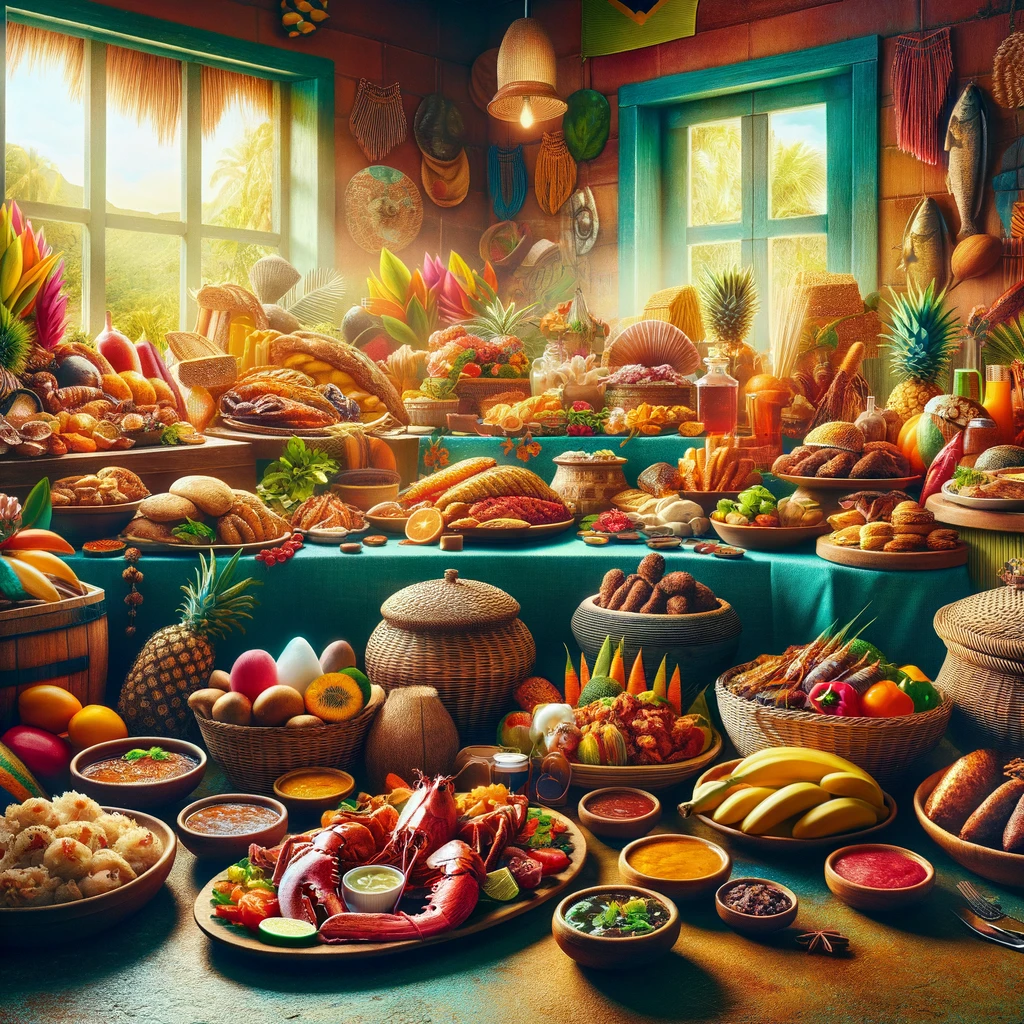
Saint Kitts Carnival isn’t just a feast for the eyes and ears; it’s a culinary journey too. During the festivities, street vendors pop up all over Basseterre, serving mouth-watering Caribbean dishes. Don’t leave without trying local favorites like goat water, conch fritters, saltfish, and Johnny cakes. These foods are not only delicious but also hold cultural significance.
If you’re a fan of seafood, you’re in for a treat. Freshly grilled lobster, snapper, and mackerel are typically on offer, bringing the flavors of the sea right to your plate. These dishes are often paired with sides like rice and peas, plantains, and breadfruit.
Be sure to pair your meals with some of Saint Kitts’ traditional beverages. The island’s famous black rum punch is a Carnival favorite, featuring a rich blend of local rum and tropical fruit juices. For a non-alcoholic option, local fruit juices made from mango, tamarind, and passion fruit are incredibly refreshing.
Sit back, sip on your drink, and enjoy the live music that frequently accompanies Carnival dining. Many restaurants and bars host bands playing reggae, calypso, and soca throughout the season, making meal times a sensory delight.
What to Wear
When it comes to dressing for Carnival in Saint Kitts, think vibrant, comfortable, and practical. The tropical climate means it will be hot and possibly humid, so lightweight and breathable fabrics are your best friends.
For the Grand Parade and J’ouvert festivities, participants often wear colorful, flamboyant costumes complete with feathers, sequins, and beads. These are usually custom-made or can be rented from local vendors. However, even if you’re not participating, bright and festive attire is encouraged.
Footwear is another important consideration. Comfortable walking shoes or sandals are essential, especially if you plan to be on your feet for long periods. Forget about high heels or uncomfortable footwear; practicality trumps fashion during Carnival.
Remember to pack a hat, sunscreen, and sunglasses to protect yourself from the strong tropical sun. A small backpack or fanny pack can be handy for carrying essentials like water, a portable charger, and some cash. With the right attire, you’ll be ready to fully immerse yourself in the Carnival spirit.
Safety Tips
Like any major event, safety is paramount when attending Carnival in Saint Kitts. Firstly, it’s advisable to travel in groups, especially at night. Be mindful of your belongings; pickpocketing can happen in crowded areas, so keep valuables secure and avoid flashing expensive items.
Stay hydrated. The combination of sun, dancing, and celebrating can quickly lead to dehydration. Carry a water bottle with you and take frequent breaks to drink water. Alcohol can add to dehydration, so balance your intake with plenty of water.
Make sure you maintain local contacts and know the locations of medical facilities. The island’s hospitals and clinics are well-equipped, but knowing where to go in case of an emergency can save valuable time. Local emergency numbers should be stored in your phone.
Lastly, familiarize yourself with the local culture and customs. Respect the traditions and be mindful of how you interact with locals. A little cultural sensitivity goes a long way in ensuring a positive Carnival experience.
Local Culture and Etiquette
Understanding and respecting local culture is key to a fulfilling Carnival experience. The people of Saint Kitts are known for their warmth and hospitality, but it’s important to be aware of local etiquette. Greetings are a big part of Kittitian culture; a simple “Good Morning” or “Good Afternoon” goes a long way.
Carnival is a time for celebration, but it’s also deeply rooted in tradition and cultural pride. Participate with enthusiasm but show respect for the history and significance behind each event. Whether it’s a masquerade parade or a local musical competition, remember that these are important cultural expressions.
If you’re visiting local homes or small establishments, it’s customary to remove your shoes before entering. Always ask for permission before taking pictures of people, particularly performers. Most will be happy to oblige, but it’s polite to ask.
Tipping is customary in Saint Kitts, especially in restaurants and for service staff. A tip of 10-15% of the bill is considered standard. By showing respect and courtesy, you’ll not only have a more enjoyable experience but also connect more deeply with the vibrant culture of Saint Kitts.
Conclusion
In closing, Carnival in Saint Kitts is more than an event; it’s a captivating experience that encapsulates the essence of Caribbean culture. With its rich history, vibrant parades, delectable cuisine, and warm-hearted locals, it’s no wonder this festival draws visitors from all corners of the globe.
Whether you’re a Carnival enthusiast or a curious first-timer, our guide aims to prepare you for the adventure of a lifetime. From the electric energy of J’ouvert mornings to the grandeur of the Queen Pageant, each moment of Carnival in Saint Kitts is a testament to the island’s indomitable spirit and cultural wealth.
So mark your calendars, book your flights, and prepare yourself for an unforgettable February in Saint Kitts. Dance to the rhythm of the steel drums, savor the flavors of Caribbean cuisine, and immerse yourself in a tradition that celebrates life with unmatched exuberance. When you return home, you won’t just have memories—you’ll carry with you the spirit of Carnival, a reminder of the vibrant island that stole your heart.
Saint Kitts Carnival awaits you, promising joy, laughter, and a sense of community that transcends borders. See you in February, where every beat, and every flavor, and every smile will remind you that life is truly a celebration.