If you’re a history buff looking to add some fascinating historical sites to your travel itinerary, look no further than Saint Kitts. This Caribbean gem is not just about sun-kissed beaches and lush landscapes; it’s also a treasure trove of history. From the bustling European colonization of the 17th century to the battles and fortresses that shaped its history, Saint Kitts offers a wealth of fascinating historical sites that will captivate any history enthusiast.
Saint Kitts, along with its sister island Nevis, forms the Federation of Saint Kitts and Nevis. Originally inhabited by the indigenous Kalinago people, this island nation has seen European colonization, African slavery, and eventually, a move towards independence. Each chapter in its tumultuous history has left indelible marks that can still be explored today.
Brimstone Hill Fortress National Park
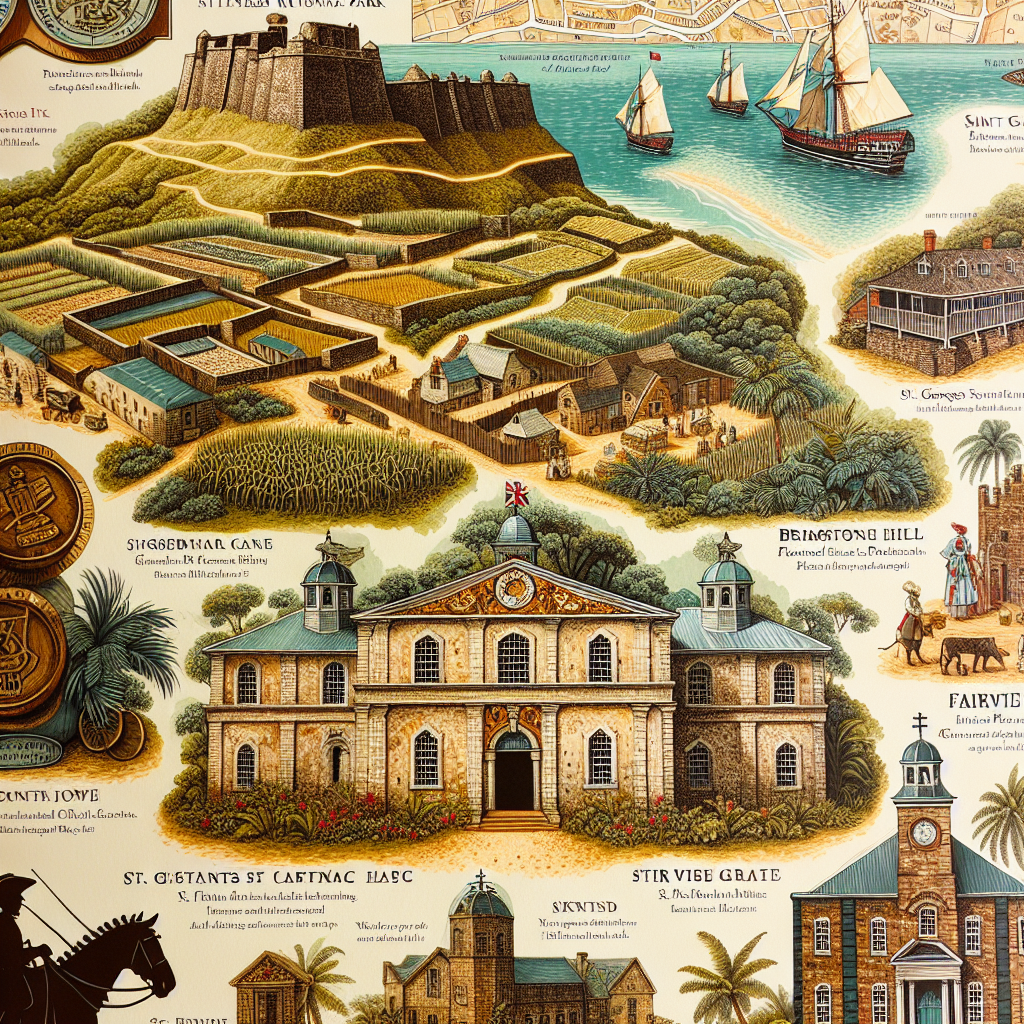
Perhaps the crown jewel of Saint Kitts’ historical sites is Brimstone Hill Fortress National Park. Often dubbed as the “Gibraltar of the Caribbean,” this UNESCO World Heritage Site offers an in-depth look into the island’s military history. The fortress was primarily used by the British during the 17th and 18th centuries and stands as a symbol of their control over the region.
As you explore the fortress, you’ll come across well-preserved structures including barracks, fortifications, and sentry posts. The panoramic views of the coastline from Brimstone Hill are nothing short of spectacular, making it a great spot for both history and nature lovers alike. The site’s museum offers valuable insights and artifacts, covering everything from historical weaponry to the everyday lives of the soldiers who once guarded this strategic stronghold.
Independence Square
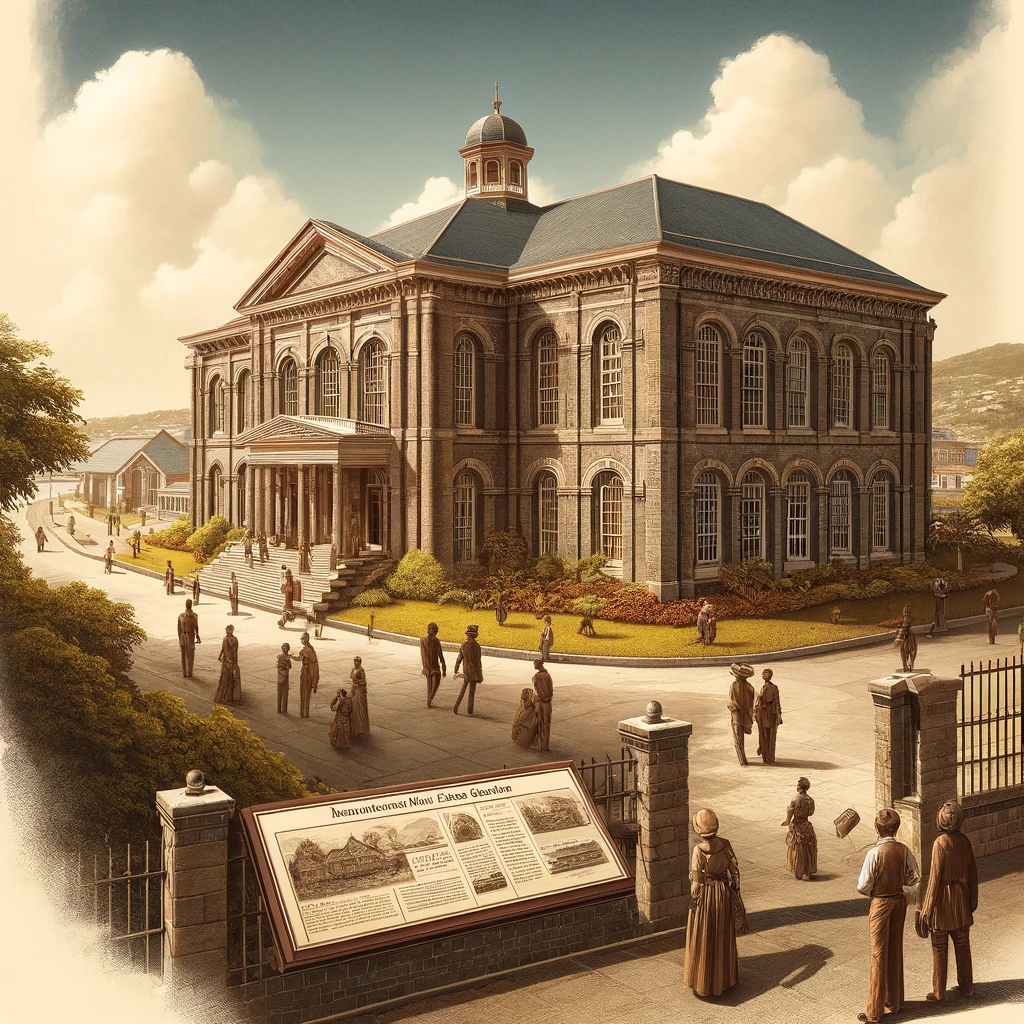
Independence Square in Basseterre, the capital of Saint Kitts, is another must-visit site for history enthusiasts. Originally known as Pall Mall Square, it was the central place for slave auctions during the 18th and early 19th centuries. The site has since been transformed into a solemn yet beautiful reminder of a dark period in the island’s history. Enclosed by historical buildings, including the courthouse and various old churches, the square serves as a poignant reminder of the struggles and resilience of those who came before.
Today, Independence Square has evolved into a park with a central fountain, offering both locals and tourists a chance to reflect on the past while enjoying the serene surroundings. Walking tours often include stops at the square, providing a valuable historical context to this now peaceful spot.

St. George’s Anglican Church
No historical journey through Saint Kitts is complete without a visit to St. George’s Anglican Church. This imposing stone structure can trace its roots back to the early 18th century. The church has faced numerous challenges over the years, including multiple hurricanes and even an earthquake, but it has been meticulously restored each time.
Inside, you’ll find beautifully stained-glass windows and plaques that tell the stories of influential figures in the island’s religious history. The churchyard is equally fascinating, home to graves dating back several centuries. St. George’s Anglican Church serves as both a place of worship and an important historical landmark, reflecting the island’s colonial and post-colonial stages.
Wingfield Estate
Wingfield Estate, located in the heart of the island, is an intriguing site that history buffs shouldn’t miss. This 17th-century sugar plantation offers a rare glimpse into the island’s past as a major sugar producer. The estate features the ruins of a once-thriving sugar mill, aqueducts, and a rum distillery, each telling a unique story of the people who lived and worked there.
Guided tours are available, offering invaluable insights into the plantation’s operations and its role in the broader history of Saint Kitts. The Wingfield Estate is also home to lush gardens and is situated near the rainforest, which adds a natural beauty to your historical exploration. This combination of history and nature makes the Wingfield Estate a rich educational experience for visitors.
Black Rocks
For a touch of ancient geological history, the Black Rocks site on the island’s Atlantic coast offers a dramatic and awe-inspiring view. These volcanic rock formations were created by a lava flow from Mount Liamuiga, the island’s highest peak. The juxtaposition of the rugged, dark rocks against the bright blue sea makes for an incredibly picturesque scene.
While Black Rocks might not offer artifacts or monuments like other historical sites on this list, it provides a natural history lesson on the volcanic origins of Saint Kitts. Further enhancing its appeal, the area is equipped with information boards that explain the geological processes behind these striking formations. Black Rocks adds yet another layer to your historical journey, expanding your understanding of the island beyond human history.
Berkeley Memorial
Located in the heart of Basseterre, the Berkeley Memorial stands as one of Saint Kitts’ most recognizable landmarks. Erected in 1883, this intricately designed cast-iron clock and drinking fountain commemorates Thomas Berkeley Hardtman Berkeley, a former president of the General Legislative Council of the Leeward Islands.
The memorial is a remarkable example of Victorian architecture and has been meticulously preserved over the years. It sits at the center of a roundabout, surrounded by various historic buildings and bustling local commerce. Visiting the Berkeley Memorial provides a deeper understanding of Saint Kitts’ colonial era and its transition into the modern age.
Conclusion
Whether you’re a seasoned historian or simply a curious traveler, Saint Kitts offers a wealth of historical sites that paint a vivid picture of the island’s past. From the militaristic grandeur of Brimstone Hill to the tragic histories memorialized in Independence Square, each site on the island tells a unique story. The architectural beauty of St. George’s Anglican Church and the hard-won preservation of sites like Wingfield Estate provide additional context to the island’s complex history. Even natural sites like Black Rocks contribute to a fuller understanding of Saint Kitts’ geological and human past.
These historical sites collectively offer a comprehensive view of Saint Kitts’ journey through time, from its geological formation to its current status as an independent nation. Each site provides a unique opportunity for reflection, education, and appreciation. So pack your bags, put on your walking shoes, and set out to explore the rich historical tapestry that awaits you in Saint Kitts.