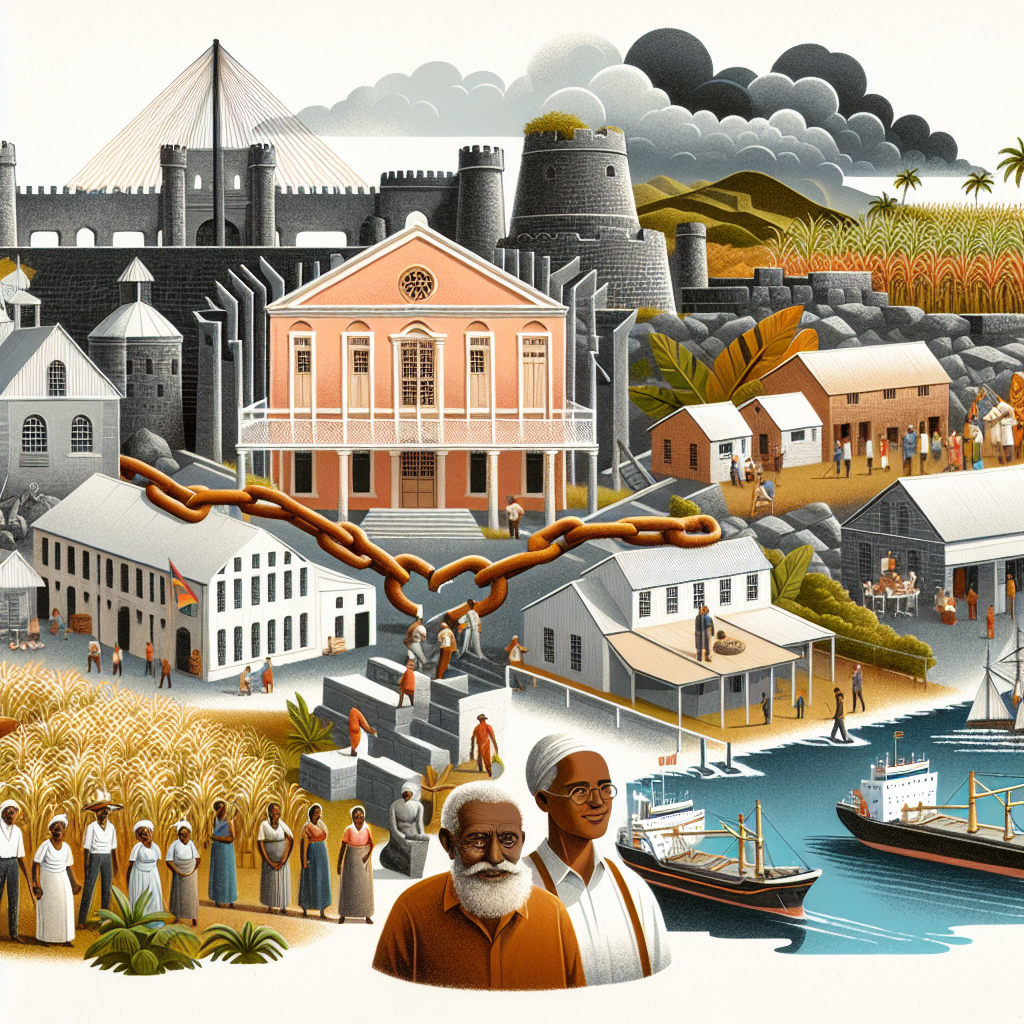
Saint Kitts and Nevis, a twin-island nation in the Caribbean, radiates a unique charm defined by sun-drenched beaches, lush landscapes, and a fascinating history. One of the cornerstones of this history is the island of Saint Kitts, which stands as a testament to a number of pivotal battles that shaped its destiny. This guide seeks to delve into the heart of Saint Kitts’ battle-scarred past and bring forth not just the tales of conflict, but also the significance of these sites today. Whether you are a history buff, a casual traveler, or someone intrigued by the echoes of the past, Saint Kitts holds invaluable treasures waiting to be explored.
Saint Kitts was one of the first Caribbean islands to be settled by Europeans in the early 17th century. This early colonization set the stage for numerous conflicts primarily between European powers, particularly the French and the British, vying for control of the island and its lucrative sugar plantations. The control of Saint Kitts oscillated several times between these two powers, resulting in a series of historic battles that have left an indelible mark on the island’s landscape and cultural fabric.
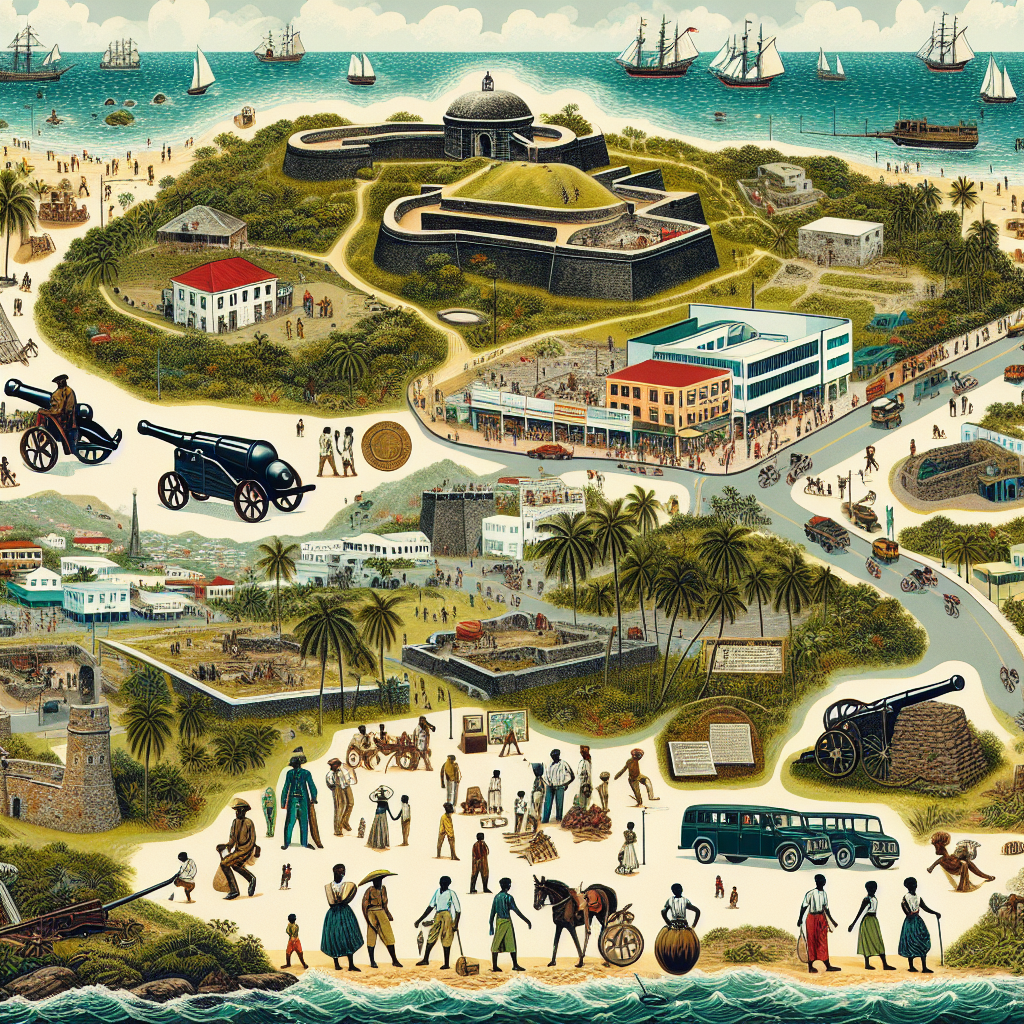
As we journey through Saint Kitts’ past, we will visit the significant sites where these historic battles unfolded. From the imposing Brimstone Hill Fortress, often referred to as the “Gibraltar of the West Indies”, to the now tranquil beaches that once saw fierce naval clashes. Each location tells a story of bravery, strategy, and the relentless human spirit.
Let’s embark on this historical journey and uncover the profound legacies left behind by these epic encounters, and how these battle sites have transformed into some of the most compelling travel destinations in Saint Kitts today.
Brimstone Hill Fortress National Park
When discussing the historic battles of Saint Kitts, it’s impossible to overlook Brimstone Hill Fortress, a UNESCO World Heritage site that stands as a monumental symbol of colonial military architecture. Constructed by African slaves under the direction of British engineers, this fortress served as the stronghold of British defense efforts against French forces during the 17th and 18th centuries.
The Great Siege of 1782 is one of the most noteworthy battles associated with Brimstone Hill. During this conflict, a French force led by Admiral de Grasse overpowered the British, capturing the fortress after a month-long siege. Despite this defeat, the British later regained control of the island through the Treaty of Paris in 1783, a testament to the oscillating power dynamics between these two European powers.
Today, Brimstone Hill Fortress offers visitors an immersive experience into this turbulent past. The fortress boasts well-preserved barracks, cannons, and commanding walls that provide panoramic views of the Caribbean Sea. Visitors can walk through the expansive grounds, explore the meticulously restored structures, and delve deep into the museum exhibits that recount the lives of soldiers, the strategic importance of the site, and the broader geopolitical context of the era. The site’s elevated position also offers breathtaking vistas of the surrounding landscapes, making it not just a historical treasure but also a natural gem.
Frigate Bay
Frigate Bay, known today for its vibrant beach scene, was another crucial battleground in Saint Kitts’ storied past. Situated on the southeastern coast of the island, this area played a significant role in the constant tug-of-war between French and British forces. It was the site of the pivotal Battle of Frigate Bay in 1782, which coincided with the Great Siege of Brimstone Hill.
The Battle of Frigate Bay was a naval engagement where the French fleet under Admiral de Grasse again clashed with British naval forces. The bay’s strategic location near the island’s main settlements made it a vital point of control. The battle resulted in a decisive French victory and showcased the tactical naval maneuvers characteristic of the era.
Fast forward to today, and Frigate Bay paints a very different picture. The battlegrounds have given way to sandy shores dotted with bars, restaurants, and resorts. It’s a hub for both locals and tourists, offering a lively nightlife and various water sports. However, the echoes of its historical significance can still be felt. Informational plaques dot the area, giving visitors insights into the bay’s war-torn past. The serene azure waters now provide a peaceful contrast to the turbulent history, reminding visitors of the resilience and continual transformation of the island.
Bloody Point
Moving further down the historical timeline, Bloody Point marks a site of early indigenous conflict and later colonial clashes. Located just west of the capital, Basseterre, this area is named in remembrance of a brutal massacre that occurred in 1626. Before European colonization, Saint Kitts was inhabited by the Carib people. The massacre saw the death of thousands of Carib warriors who had resisted British and French settlement on the island.
The tragic history embedded in Bloody Point’s name serves as a somber reminder of the island’s turbulent past. According to local lore, the river ran red with blood for days following the massacre, hence its macabre name. European settlers then solidified their control over the island, paving the way for centuries of colonial rule.
Today, Bloody Point doesn’t reveal its violent past at a mere glance. It remains a quiet and often overlooked historical site, offering a unique charm to those interested in the deeper, often darker chapters of history. Tourist guides in the area provide enriching tours that delve into the pre-colonial era, the Carib resistance, and the shifts in power that followed. This site stands as an important testament to the indigenous peoples’ struggle before the colonial era’s dawn.
Old Road Town
An exploration of Saint Kitts’ historical battles is incomplete without mentioning Old Road Town, the first British settlement established by Sir Thomas Warner in 1624. This town is often heralded as the birthplace of British colonialism in the Caribbean, and it quickly became a focal point for many early skirmishes between European powers.
Old Road Town was central to British efforts to expand and consolidate control over Saint Kitts, making it a frequent target for French forces. The settlement witnessed numerous raids and small-scale battles, particularly during the 1620s and 1630s as both powers vied for dominance. The town’s strategic location enabled the British to establish a foothold on the island and served as a launching pad for their colonial ambitions throughout the Caribbean.
In its current state, Old Road Town retains much of its historical charm. Visitors can explore ruins that date back to the early colonial period, such as the remains of the first churches and homes. The town’s scenic coastal views are an added draw, making it a picturesque spot for both history enthusiasts and casual sightseers. Old Road Town’s legacy is celebrated in annual festivals and cultural events that strive to preserve and showcase its historical significance, ensuring that the stories of early colonial encounters are not forgotten.
Black Rocks
Black Rocks, located on the northeastern coast of Saint Kitts, though known for its magnificent volcanic rock formations, is an essential historical site tied to colonial conflicts. The area is a reminder of the island’s volcanic origins and how its unique geography played a role in its defense tactics during times of war.
During the numerous clashes between French and British forces, Black Rocks served as a natural refuge and defensive position. The rugged terrain made it difficult for enemy troops to advance, which gave the defending forces a significant advantage. The strategic importance of this area cannot be overstated, as it offered a natural fortification during the island’s various sieges and skirmishes.
Today, Black Rocks is a tourist haven, known for its striking views of the Atlantic Ocean and the awe-inspiring rock formations created by ancient lava flows from Mount Liamuiga. The historical significance is subtly woven into the natural beauty of the area. Informational placards and guided tours are available to educate visitors about the site’s role in the island’s defense history. The juxtaposition of natural splendor and historical depth makes Black Rocks a must-visit location for those seeking to understand the full spectrum of Saint Kitts’ storied past.
Conclusion
The historic battles of Saint Kitts serve as a powerful reminder of the island’s profoundly tumultuous past and the remarkable resilience of its people. Each site, from the towering Brimstone Hill Fortress to the serene yet storied beaches of Frigate Bay, offers more than just scenic beauty; they offer a window into the dynamic and often bloody history that shaped modern Saint Kitts.
Visiting these historic battle sites provides a comprehensive understanding of the island’s colonial legacy. It highlights the strategic importance of Saint Kitts to European powers, the indigenous resistance, and the evolving geopolitical landscape of the Caribbean. These sites stand as monuments to the past, offering rich educational experiences for those who wish to understand the broader historical context of the region.
As Saint Kitts continues to grow as a prime travel destination, the preservation and commemoration of these sites ensure that the sacrifices and struggles of the past are not forgotten. The transformation of these battlegrounds from places of conflict to sites of reflection and education is a testament to the enduring spirit of the island.
Whether you are tracing the steps of colonial soldiers at Brimstone Hill, exploring the early settlement narratives in Old Road Town, or simply enjoying the tranquil beaches of Frigate Bay, the echoes of the past resonate, reminding us of the profound historical tapestry that shapes the identity of Saint Kitts today. The island invites you to immerse yourself in its story, reflecting on how far it has come, and where it continues to head in the future.