Saint Kitts and Nevis, the dual-island nation nestled in the Caribbean, is rich in history and culture. The vibrant history of Saint Kitts in the 20th century is particularly intriguing, as it tells the story of a people striving for progress amidst changing political tides, economic shifts, and social transformations. This article delves into key historical events that shaped Saint Kitts from early 1900s to the late 1990s, highlighting the island’s passionate journey towards modernization, independence, and cultural resurgence.
The nation of Saint Kitts and Nevis, with Saint Kitts being the larger of the two islands, played a crucial role in the colonial history of the Caribbean. Over the 20th century, the island witnessed numerous pivotal moments, from the enduring impacts of colonial rule to achieving its sovereignty. These moments are essential in understanding the current social, political, and cultural fabric of the island.
The turn of the century was marked by the presence of colonial powers, primarily the British, who held significant control over the island’s administration and economy. The early 1900s saw Saint Kitts grapple with the implications of being a colonial outpost, embroiled in the larger geopolitical maneuvers of empire-building. However, the local population began to stir with nationalist sentiments, laying the groundwork for significant changes.
This introduction sets the stage by contextualizing the island’s historical background and summarizing the narrative of progress rooted in Saint Kitts’ 20th-century timeline. As we explore the century’s key events, we gain insight into the resilience and spirit of the Kittitian people, along with the dynamic trajectory of the nation.
The 1925 Labour Rebellion
One of the landmark events in the early 20th century was the Labour Rebellion of 1925. Economic disparities and harsh working conditions in the sugar plantations incited widespread discontent among the labor force. This period was challenging for many Kittitians who worked long hours for minimal wages under oppressive conditions reminiscent of colonial exploitation.
Led by figures such as Thomas Manchester, a labor leader, the workers organized strikes demanding better wages and working conditions. The rebellion was met with fierce resistance from the colonial government, which responded with force to suppress the unrest. Despite the immediate brutal crackdown, this event ignited a sustained movement for workers’ rights across the island.
The Labour Rebellion of 1925 significantly altered the political landscape of Saint Kitts. It fueled the growth of the labor movement and laid the foundation for future political parties dedicated to advocating for workers’ rights and broader social reforms. The seeds of trade unionism planted during this period continued to grow, influencing the island’s politics throughout the century.
Understanding the significance of the Labour Rebellion offers valuable insights into the early struggles against colonial rule and exploitation, setting the stage for the island’s path towards self-governance and independence.
World War II and Economic Shifts
The advent of World War II brought profound economic and social changes to Saint Kitts. The war disrupted global trade networks, including the crucial sugar industry that dominated the island’s economy. As sugar exports declined, the economic stress on the Kittitian society intensified.
However, the war also opened new avenues for economic diversification. The British colonial government, realizing the vulnerability of a mono-crop economy, began promoting alternative economic activities, including tourism and small-scale manufacturing. These efforts laid the groundwork for the diversification of the island’s economy in subsequent decades.
The period also saw significant social changes, with the war efforts bringing about greater mobilization of the local populace. Saint Kitts’ involvement in the war effort, although limited, brought the islanders closer to global issues and fostered a sense of participation in broader historical events.
The economic shifts and evolving social dynamics during and after World War II were pivotal in steering the island towards modernization. The gradual move away from a solely agrarian economy set the stage for future growth and development in Saint Kitts.

Path to Independence
The mid-20th century marked a period of intense political activity in Saint Kitts, as the island, along with Nevis, edged closer to independence. The political transformation gained momentum in the 1950s and 60s with the formation and rise of the Saint Kitts and Nevis Labour Party (SKNLP), under the leadership of Robert Llewellyn Bradshaw.
Bradshaw, a key nationalist figure, championed the cause of independence. He served as the Chief Minister of Saint Kitts and Nevis and later as the country’s first Premier. His persistent efforts in advocating for the rights of the Kittitian people against colonial dominion were instrumental in shaping the political landscape.
The road to independence was fraught with challenges, including negotiations with the British government and addressing internal political and social divisions. The island gained full internal self-government in 1967, a significant milestone in its journey towards complete sovereignty.
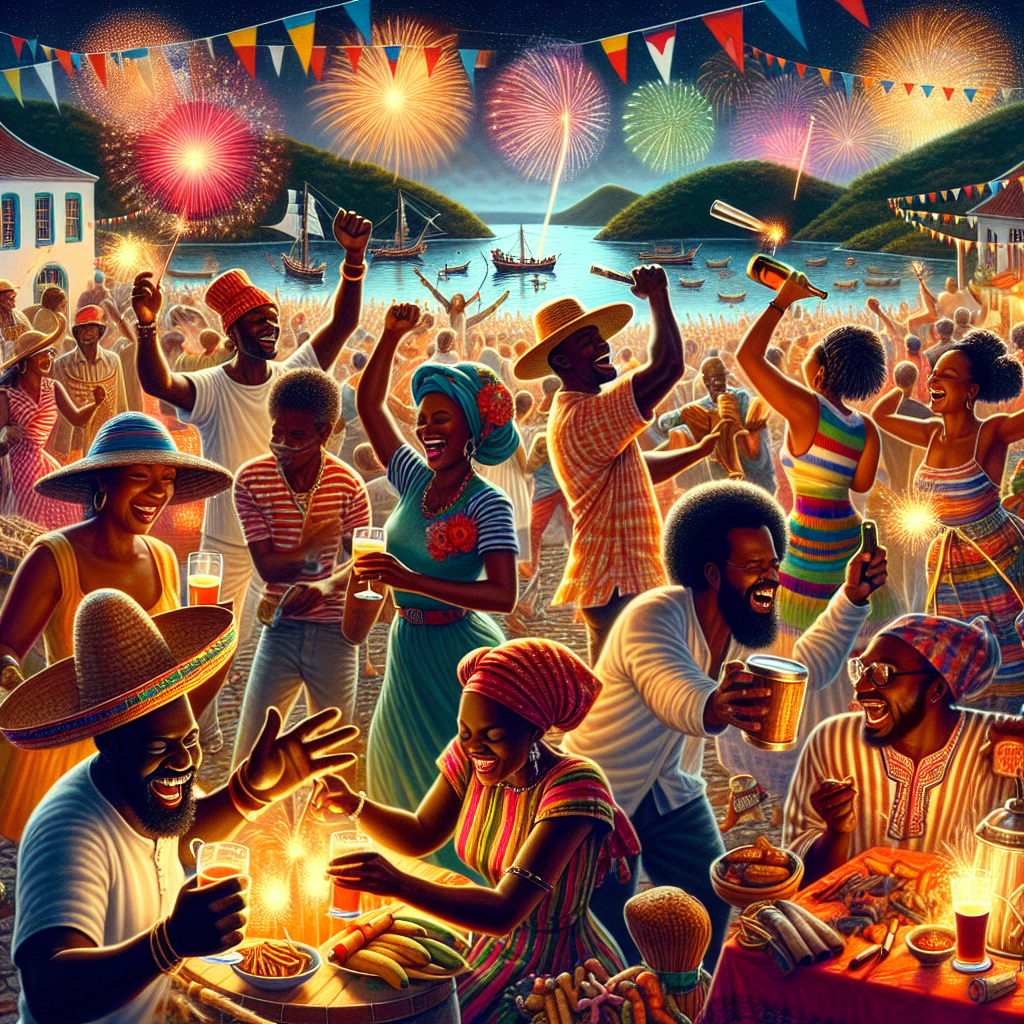
The culmination of these efforts came on September 19, 1983, when Saint Kitts and Nevis finally achieved full independence from Britain. The moment was celebrated with immense pride and joy, marking the start of a new era for the island nation.
The path to independence is a testament to the resilience and unity of the Kittitian people, defining their spirit of freedom and self-determination.
Post-Independence Development
The years following independence were critical for Saint Kitts as it embarked on a transformative journey of nation-building. The newly independent nation faced numerous challenges, including stabilizing its economy, developing its infrastructure, and fostering national unity.
The government of Saint Kitts and Nevis focused on diversifying the economy further, investing heavily in the tourism sector, which continues to be a vital component of the island’s economy. The picturesque island, with its stunning beaches and rich heritage, became a sought-after destination for travelers worldwide.
Education and healthcare also saw significant improvements, with the government prioritizing these sectors to enhance the quality of life for its citizens. Investments in infrastructure, including road networks, airports, and ports, facilitated better connectivity and boosted economic activities.
Additionally, the political landscape evolved with the establishment and growth of various political parties representing different ideologies, contributing to a vibrant democratic process. The development of legal and institutional frameworks further strengthened the nation’s governance.
The post-independence period was characterized by remarkable progress and development, reflecting Saint Kitts’ journey towards becoming a successful and stable sovereign nation.
Cultural Resurgence
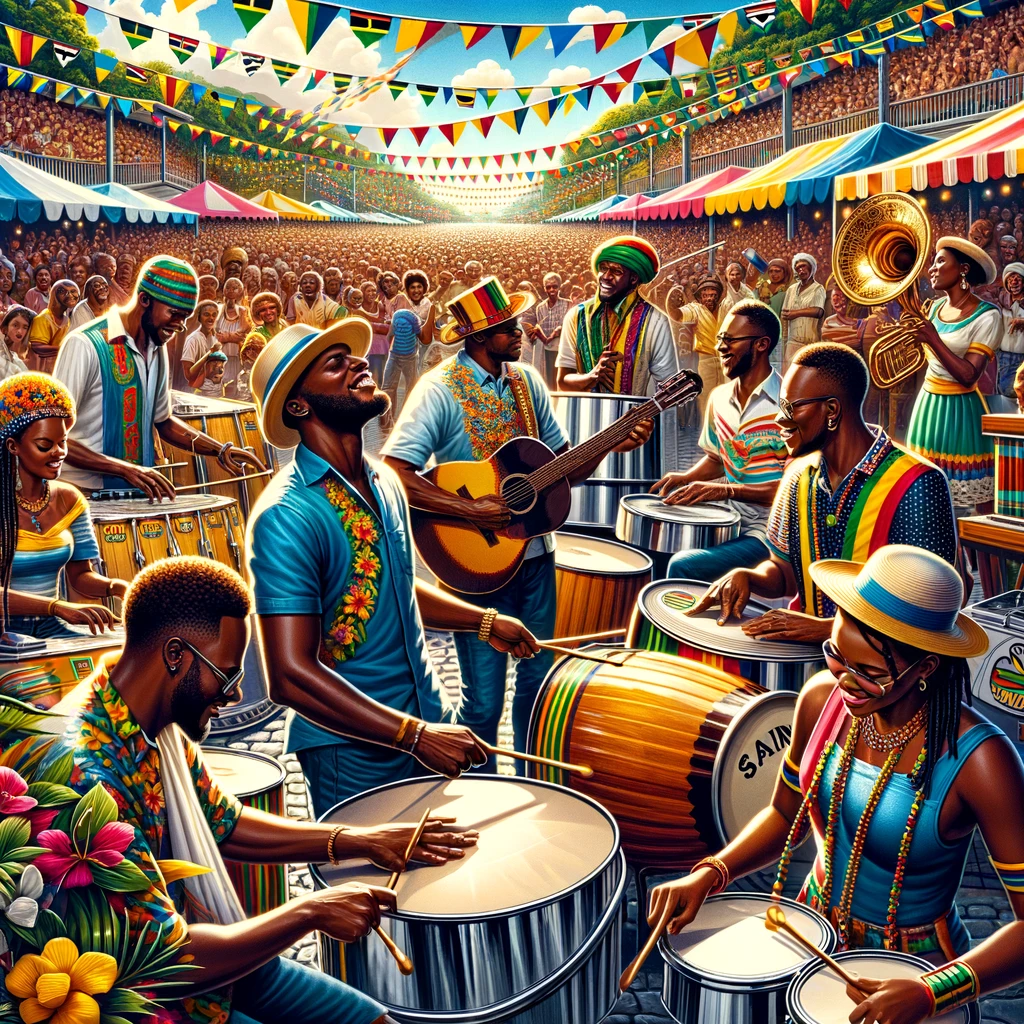
The cultural landscape of Saint Kitts flourished in the late 20th century, reflecting the island’s rich heritage and vibrant traditions. The promotion of cultural identity became a central theme, celebrating the arts, music, and festivals that embody the spirit of the Kittitian people.
The annual Saint Kitts Music Festival, launched in 1996, emerged as a significant cultural event, attracting international artists and audiences. The festival highlights diverse musical genres, including calypso, reggae, jazz, and gospel, showcasing the island’s rich musical heritage.
Heritage sites and museums also played a pivotal role in preserving and promoting the island’s history and culture. The Brimstone Hill Fortress, a UNESCO World Heritage site, and the National Museum of Saint Kitts are prominent landmarks that offer insights into the island’s storied past.
Traditional festivals, such as Carnival and Culturama, celebrated with great enthusiasm, reflect the island’s diverse cultural influences and community spirit. These festivals, characterized by vibrant parades, traditional music, and dance, are integral to the island’s cultural expression.
The cultural resurgence in Saint Kitts during the 20th century underscores the importance of preserving and celebrating identity and heritage, fostering a sense of pride and unity among the Kittitian people.
Conclusion
The 20th century was a period of profound transformation for Saint Kitts, marked by significant historical events that shaped the island nation’s identity. From the early struggles against colonial exploitation to the journey towards independence, each event played a crucial role in defining Saint Kitts’ trajectory.
The Labour Rebellion of 1925, the economic shifts during World War II, and the determined efforts towards achieving independence are milestones that highlight the resilience and determination of the Kittitian people. Post-independence, the nation embarked on a path of development, focusing on economic diversification, infrastructure, education, and healthcare, laying the foundation for a prosperous future.
The cultural resurgence of the late 20th century reflects the vibrant heritage and identity of Saint Kitts. The island’s rich traditions, music, and festivals continue to be celebrated with pride, showcasing the deep-rooted cultural connections of the Kittitian people.
Understanding these key historical events provides a comprehensive perspective on Saint Kitts’ dynamic journey through the 20th century. The island’s story is one of courage, resilience, and a relentless pursuit of self-determination, offering valuable insights into the cultural and historical fabric of this remarkable Caribbean nation.