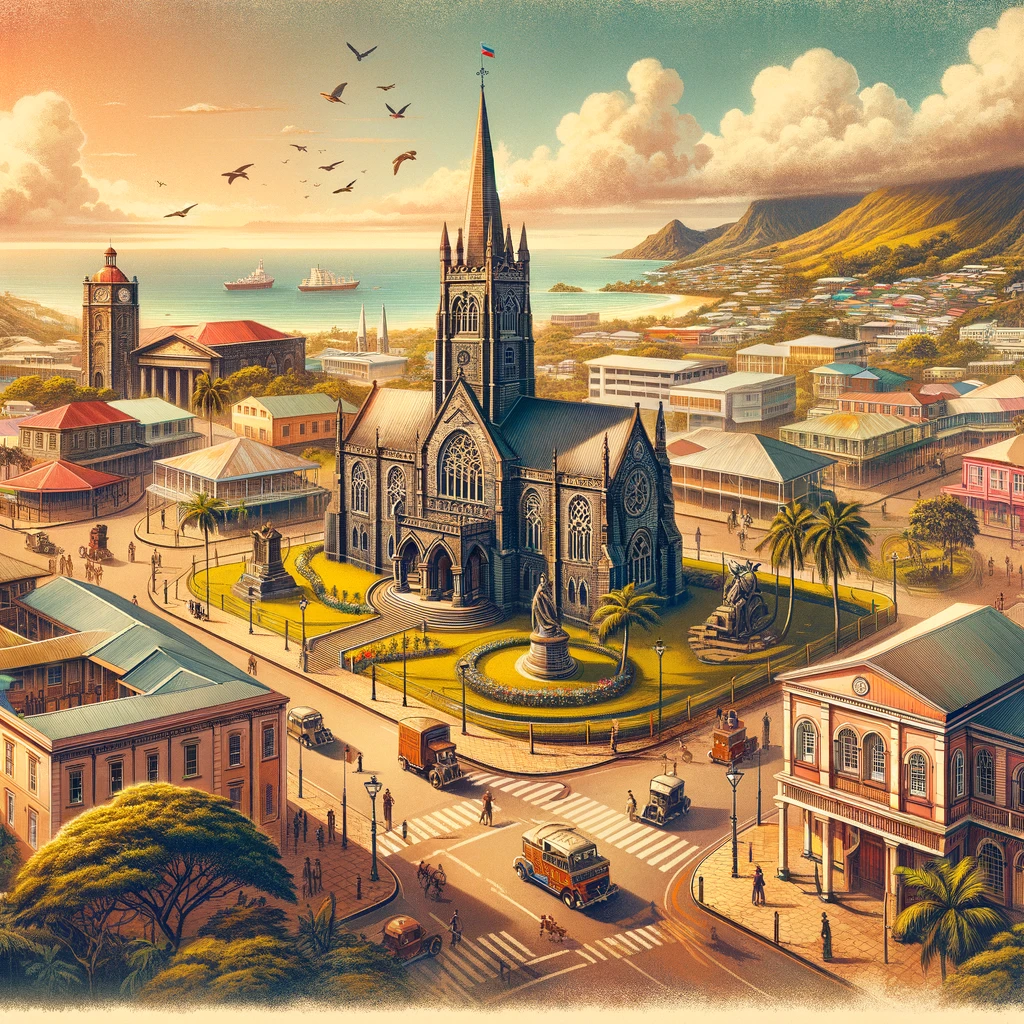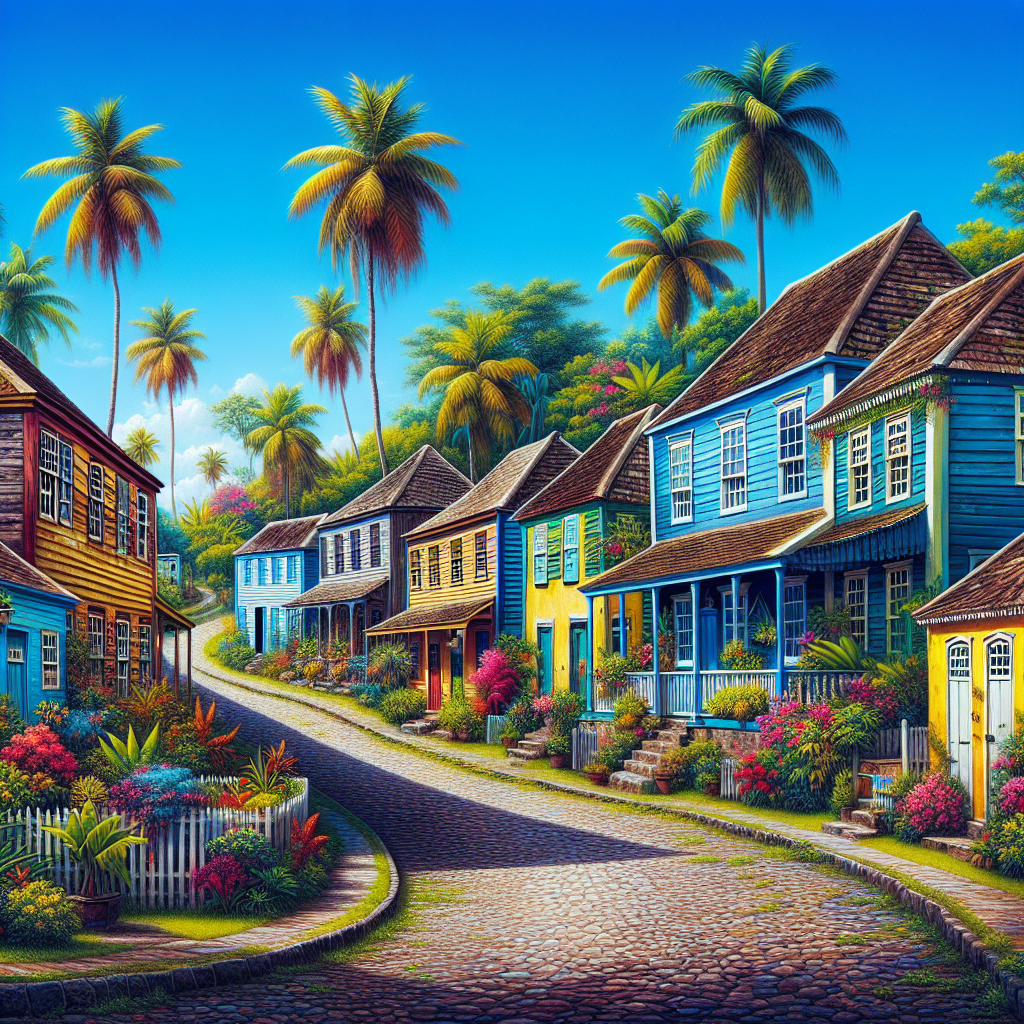
Nestled in the Caribbean Sea, the island of Nevis is a treasure trove of history and culture. One of the most notable aspects of Nevis’ historical landscape is its plantation houses. These architectural gems offer a fascinating glimpse into the island’s colonial past. From their construction during the sugar plantation era to their current status as cultural landmarks, Nevis’ plantation houses narrate tales of wealth, power, and an economy that once flourished on the backs of enslaved laborers. Today, these houses stand not just as relics of a bygone era but also as poignant reminders of a complex history that shaped the Caribbean island.
In this article, we will explore the storied past of Nevis’ plantation houses, diving into their origins, their role in the island’s economy, and their significance today. We’ll also touch upon the transformation of some of these once-private estates into public heritage sites and tourism destinations, reflecting the island’s ongoing efforts to preserve and share its rich history with the world. Whether you’re a history buff or simply curious about the Caribbean’s colonial past, join us as we unearth the echoes of the past found within Nevis’ historic plantation houses.
The Origins of Nevis Plantation Houses
The establishment of plantation houses in Nevis dates back to the 17th century, a time when European colonists were fiercely competing to control the lucrative sugar market. Wealthy planters constructed grand estates to not only demonstrate their financial success but also to manage their expansive agricultural operations. These properties were typically built on sloping terrain, providing sweeping views of the surrounding landscape—an ideal vantage point for overseeing the labor-intensive sugar production process.
Constructed primarily from locally-sourced materials such as limestone, these plantation houses boasted impressive architectural designs influenced by both European styles and tropical adaptations. The large, airy rooms and high ceilings were designed to keep interiors cool, while expansive verandas offered shade and a breeze. Many plantation houses featured elaborate gardens, cultivated by the enslaved workers as well, which became crucial for self-sufficiency and aesthetics.
The initial success of these plantations was built upon the backbreaking work of enslaved Africans, who toiled under brutal conditions. The stories contained within the walls of Nevis’ plantation houses are deeply intertwined with this painful legacy of forced labor and colonial exploitation. It is crucial to recognize and acknowledge this dark chapter of history as we celebrate the architectural and cultural heritage of these grand estates.
Economic Significance During the Sugar Era
The economy of Nevis during the 18th and early 19th centuries was almost entirely dependent on the production of sugar. Plantation houses were at the heart of this economic engine. These estates were not merely residential spaces; they were the operational hubs of vast agricultural enterprises that included sugar cane fields, mills, and processing facilities.
The sugar industry was incredibly profitable, turning Nevis into one of the wealthiest islands in the Caribbean for a time. This wealth was reflected in the opulence of the plantation houses, which featured imported European furnishings, fine art, and luxurious textiles. The affluent lifestyle of the plantation owners stood in stark contrast to the harsh realities faced by the enslaved laborers who made such wealth possible.
With the abolition of slavery in 1834 and the decline of the sugar industry, many plantation houses fell into disrepair. The economic downturn led to a significant transformation in the island’s social and economic structure. However, a select few plantation houses managed to survive the fall of the sugar industry, thanks to various adaptive reuse strategies, including conversion into inns, museums, and private residences.
A Glimpse into Modern Times
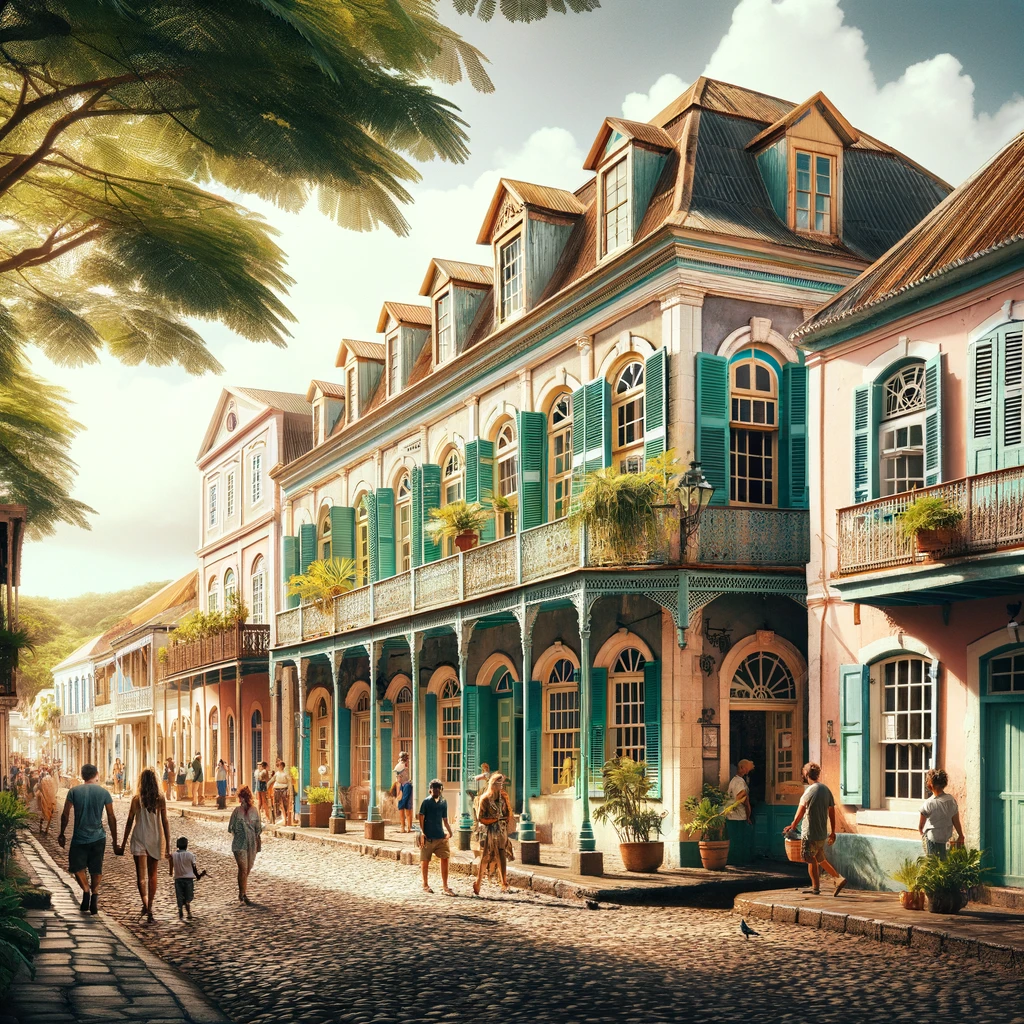
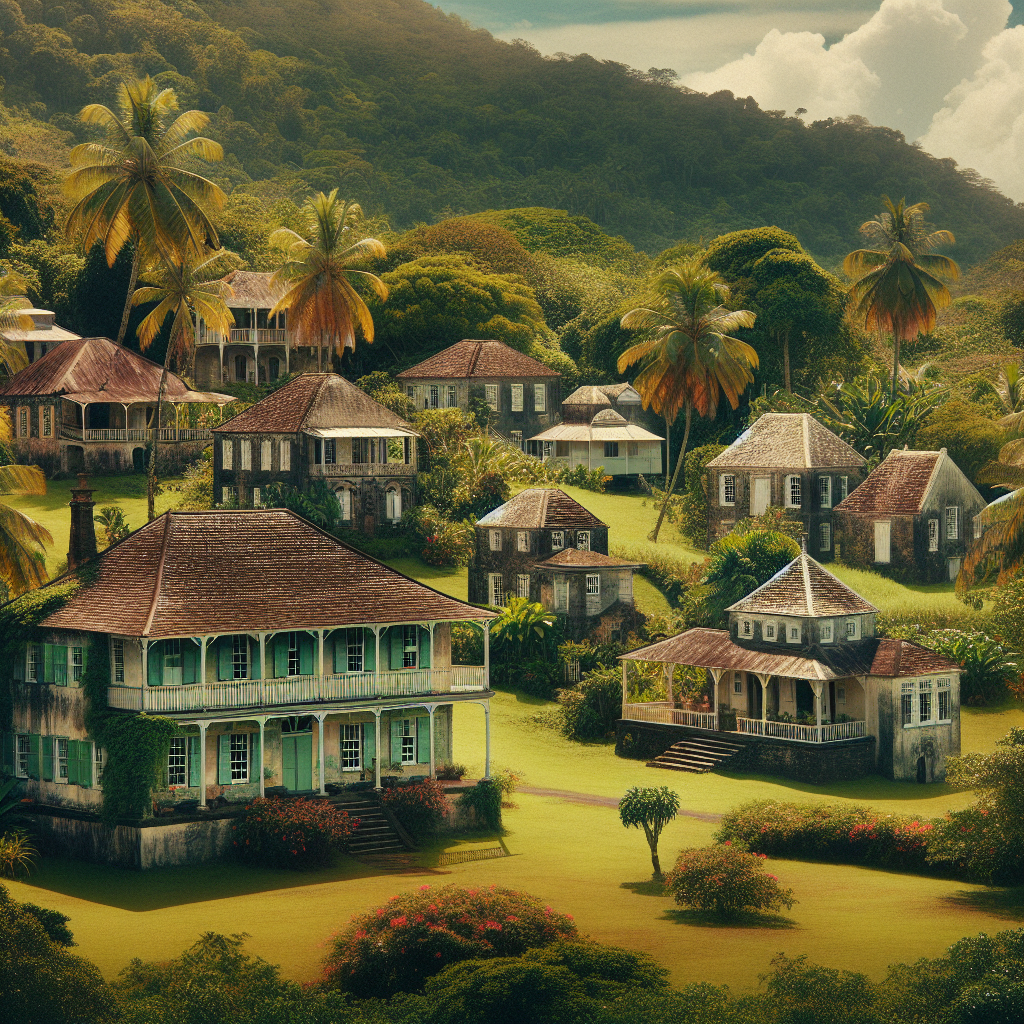
Today, Nevis’ plantation houses serve as more than historical monuments—they are cultural landmarks that provide valuable insights into the island’s past and present. Several of these estates have been meticulously restored and repurposed, offering a unique blend of historical charm and modern amenities.
Examples include the meticulously restored Nisbet Plantation, now functioning as a luxury resort. The Montpelier Plantation, another remarkable property, has been transformed into a boutique hotel offering an immersive historical experience for its guests. These modern adaptations provide an opportunity for tourists to experience the grandeur and elegance of the colonial era while enjoying modern comforts.
By visiting these plantation houses, guests can walk through history, exploring rooms furnished with period pieces, and experiencing the lush landscapes that have remained relatively unchanged for centuries. Guided tours often include educational components, elucidating the lives of both the plantation owners and the enslaved workers, thus fostering a deeper understanding of Nevis’ complex history.
Preservation Efforts and Historical Significance
Efforts to preserve Nevis’ plantation houses have been of paramount importance in maintaining the island’s cultural and historical heritage. Local government bodies, alongside private organizations and individuals, have invested significant resources into the restoration and maintenance of these properties.
Historical preservation initiatives aim not only to conserve the physical structures but also to document and share the stories encapsulated within their walls. This includes extensive archival research, oral history projects, and public education programs. Through these efforts, Nevis ensures that future generations have access to tangible links to their collective past.
Furthermore, these preservation efforts provide economic benefits through tourism. Restored plantation houses attract historians, architecture enthusiasts, and casual tourists alike, contributing to the local economy and fostering a community-wide appreciation for Nevis’ rich cultural heritage. Each visitor who steps into a plantation house walks away with a deeper understanding of the island’s past, intricately woven into the fabric of these historic estates.
Local Culture and Community Influence
The impact of plantation culture on the community of Nevis cannot be understated. The legacy of the plantation era has left an indelible mark on local traditions, cuisine, and social structures. From culinary practices that have evolved from plantation kitchens to folk tales passed down through generations, the echoes of the past continue to resonate in contemporary Nevisian culture.
Community engagement with these historical sites has also fostered a sense of pride and ownership among residents. Local artisans often collaborate with historical estates, creating crafts and artworks that reflect Nevis’ rich heritage. Festivals and events held at these plantation houses celebrate traditional music, dance, and cuisine, providing a meaningful bridge between the island’s past and present.
Moreover, educational programs targeting local schools ensure that young Nevisians grow up with a solid understanding of their history, promoting an informed and engaged citizenry. Through these various initiatives, the community takes an active role in preserving and perpetuating the cultural heritage of the plantation houses, ensuring that these historic sites remain vibrant and relevant.
Tourist Attractions and Must-Visit Estates
For those planning a visit to Nevis, several plantation houses stand out as must-see attractions. The Hermitage Plantation, one of the oldest wooden houses in the Caribbean, offers a unique glimpse into the architectural styles of the 17th century. Its well-preserved structure and traditional furnishings provide a rich and immersive historical experience.
Another notable site is the Golden Rock Plantation Inn, set within lush tropical gardens. This estate combines historical charm with natural beauty, offering stunning vistas and meticulously maintained grounds perfect for a leisurely stroll. Visitors can also dine at the estate’s renowned restaurant, savoring local dishes while surrounded by history.
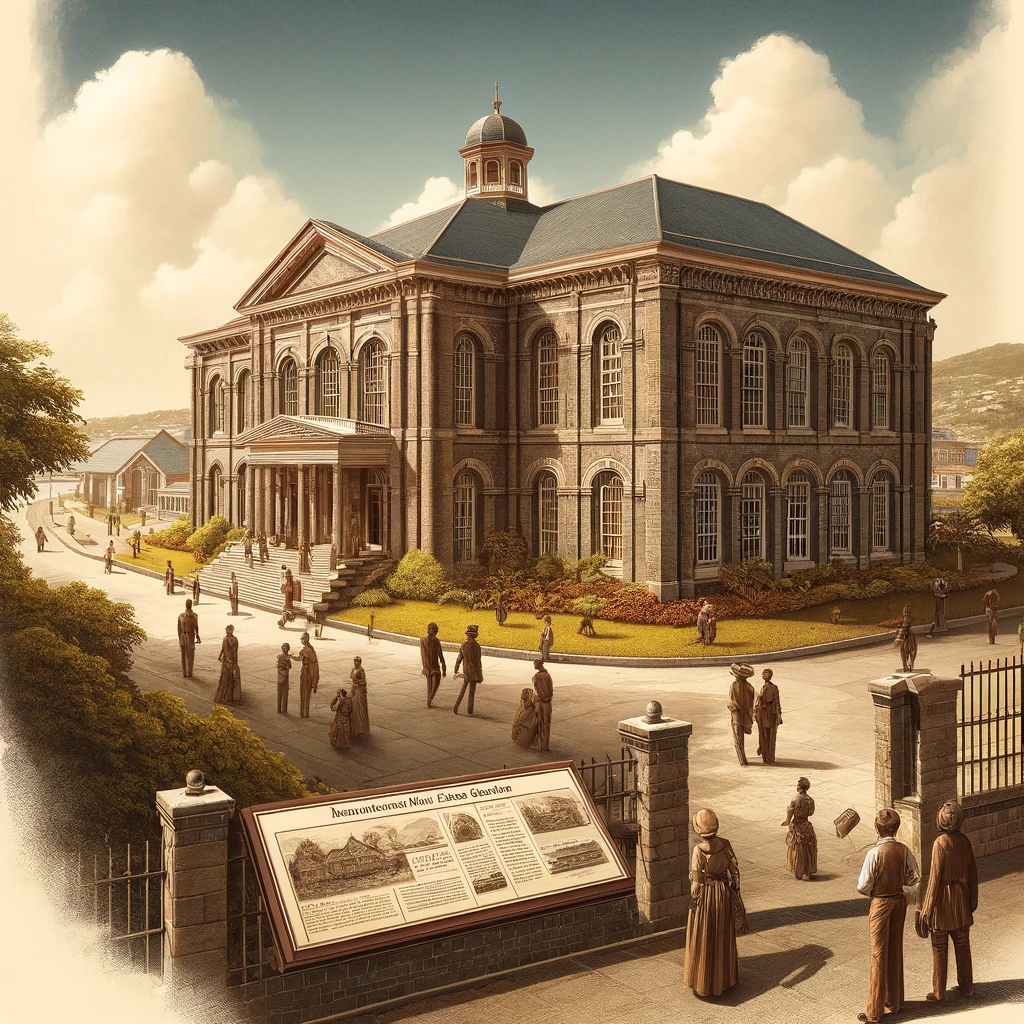
The New River Estate, now a historical park, offers an educational experience with its well-preserved sugar mill and informative displays detailing the history of the sugar industry on the island. Walking through this estate presents a vivid picture of life during the plantation era, making it an invaluable addition to any tourist itinerary.
These sites, among others, provide invaluable insights into Nevis’ past, offering tourists an opportunity to step back in time and experience the island’s history firsthand. Whether you’re exploring the grand halls of a restored plantation house or strolling through the lush gardens of an estate, every corner of these historic sites holds a story waiting to be discovered.
Conclusion
Nevis’ historic plantation houses are more than just architectural marvels—they are enduring reminders of a complex and multifaceted past. These estates serve as touchstones for understanding the island’s colonial history, the economic forces that shaped it, and the cultural legacies that continue to influence Nevisian society today.
As you explore the plantation houses of Nevis, you are not only experiencing the grandeur of a bygone era but also engaging with the narratives of resilience, innovation, and transformation that have defined the island’s journey. The preservation and adaptive reuse of these historic properties ensure that they remain vibrant parts of the community, fostering a deep connection between Nevis’ past and present.
Whether you’re a history enthusiast, a curious traveler, or someone seeking a serene escape, Nevis’ plantation houses offer a unique and enriching experience. Each visit to these historic sites provides a rare opportunity to connect with the island’s heritage, gaining insights that are as enlightening as they are inspiring. The echoes of the past resonate deeply within these walls, waiting for you to uncover their stories.
Frequently Asked Questions
1. What makes the plantation houses of Nevis historically significant?
Nevis’ plantation houses are iconic symbols of the island’s colonial past and an era fundamentally shaped by the sugar industry. Built primarily during the 18th and 19th centuries, these houses reflect the wealth and style of European plantation owners. Their historical significance lies in their architecture and the stories they embody, offering insights into the lives of colonists and the harsh realities faced by enslaved laborers who were integral to these estates. These plantation houses stand as silent witnesses to a bygone era, narrating tales of prosperity built upon the exploitation and suffering of many.
Furthermore, these houses were not just homes but hubs of economic and social activity. The estates functioned as both residential spaces and operational centers for the sugar plantations. Their design often incorporated elements suited to the tropical climate, with wide verandas, high ceilings, and strategically placed windows to allow for ventilation. Preserving these buildings helps keep alive the architectural and cultural heritage of Nevis, providing a tangible link to the past and an educational resource for future generations.
2. Are any of the plantation houses open for public visits, and if so, what can visitors expect to experience?
Yes, several plantation houses in Nevis have been restored and are open to the public, either as historical attractions or as parts of hotels and resorts. Visitors can expect a rich, immersive experience that includes guided tours providing detailed narratives of the property’s history and architecture. Walking through these estates, guests can explore well-preserved rooms adorned with period furniture and decor, envisioning the lives of those who resided there. Surrounding gardens and sugar mill ruins offer further context to the operational aspect of the plantations and the surrounding landscapes.
Furthermore, some plantation houses have been converted into boutique hotels or dining venues, allowing guests to not only view history but to experience it firsthand by staying overnight or enjoying a meal within a historical setting. These establishments often promote additional activities such as guided walks, cultural workshops, and presentations that delve deeper into the economic and cultural influences of the plantation era.
3. How have Nevis’ plantation houses been preserved and maintained over the years?
Preservation efforts for Nevis’ plantation houses have involved a combination of government initiatives, private investment, and the dedication of local heritage organizations committed to maintaining and restoring these important sites. Significant undertakings have been made to renovate and reinforce the structures while ensuring that the original architecture and aesthetic remain intact. These houses are often built from local stone and other materials chosen for their durability, which has aided their survival over the centuries.
Moreover, as tourism on the island has grown, several plantation houses have been converted into commercial properties. This transition has been beneficial, providing the necessary funding for ongoing maintenance and letting the history of these structures be shared with a broader audience. Dedicated caretakers and restorers work meticulously to preserve not just the physical structures but also the stories and cultural significance tied to each location. These efforts ensure that Nevis’ plantation houses continue to be quintessential elements of the island’s historical narrative.
4. What was the role of these plantation houses during the sugar plantation era?
During the height of the sugar plantation era, plantation houses in Nevis served as the operational and administrative centers of the sprawling estates. Anchoring a network of sugar cane fields, mill complexes, and worker quarters, these ‘great houses’ were occupied by the plantation owners or managers. They symbolized wealth and social status, often featuring elaborate architectural designs reflective of their occupants’ positions of power.
These houses were also important for hosting social events, serving as venues for parties, dinners, and gatherings that kept the social and economic wheels of the island turning. However, the grandeur of these plantation homes was built on a stark contrast with the living and working conditions of the enslaved Africans who toiled in the fields and factories. The story of plantation houses, therefore, is incomplete without acknowledging the brutal history of slavery and exploitation that powered Nevis’ sugar industry. This duality is a sobering but essential component of understanding the complete history wrapped within the walls of these structures.
5. How do Nevis’ plantation houses reflect the island’s cultural heritage today?
Today, Nevis’ plantation houses are vital cultural landmarks that reflect the island’s multifaceted heritage. They act as portals to the past, allowing both locals and visitors to gain deeper insights into how history has shaped the present cultural landscape. As part of cultural heritage tourism, these houses invite exploration not just of architectural beauty but of the complex narratives of colonialism, trade, and cultural exchange. They also serve as platforms for reviving and celebrating Nevisian traditions through events, educational programs, and art displays focused on local history and culture.
In addition to their historical value, plantation houses contribute to the cultural identity and pride of Nevis. They are frequently used for hosting festivals, cultural workshops, and community gatherings, thereby continually weaving their legacy into the everyday life of the island. By bridging the past with the present, the plantation houses of Nevis remain integral to understanding, preserving, and promoting its rich cultural tapestry.