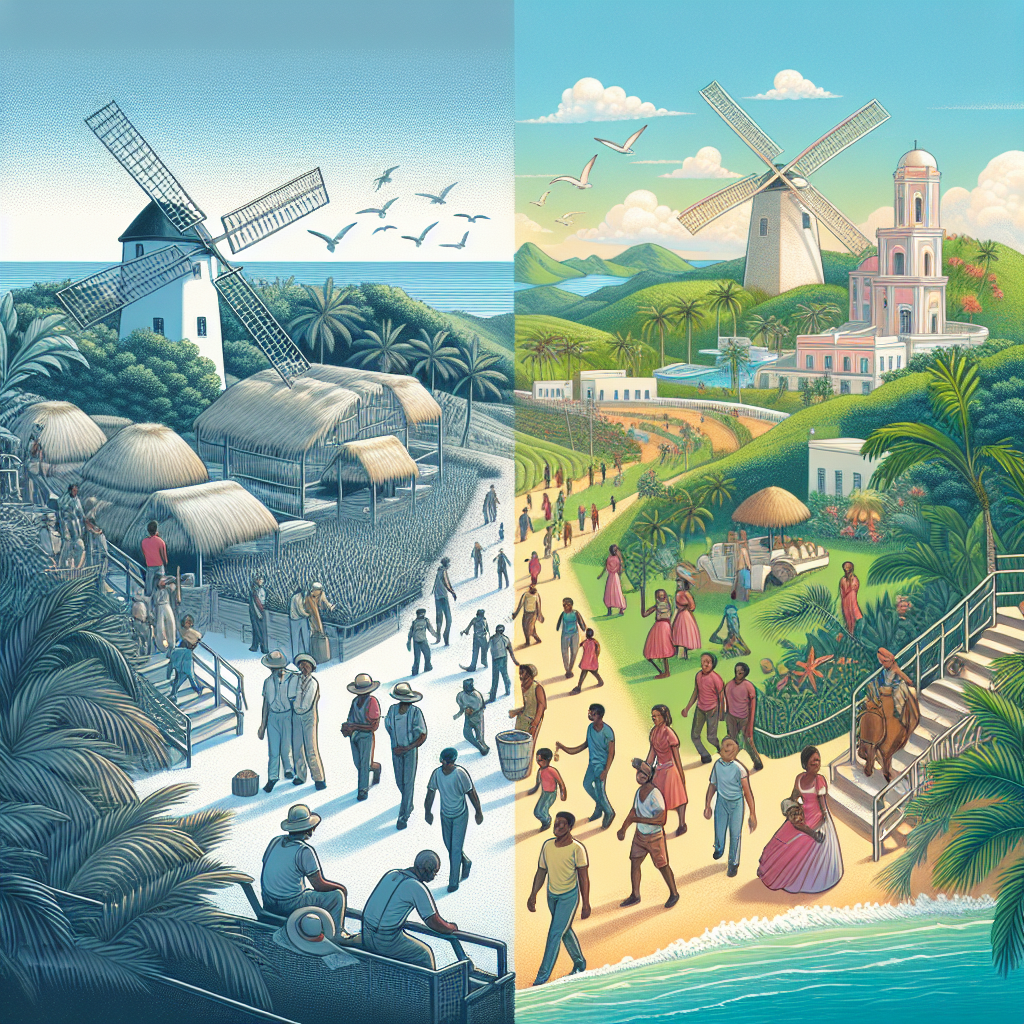
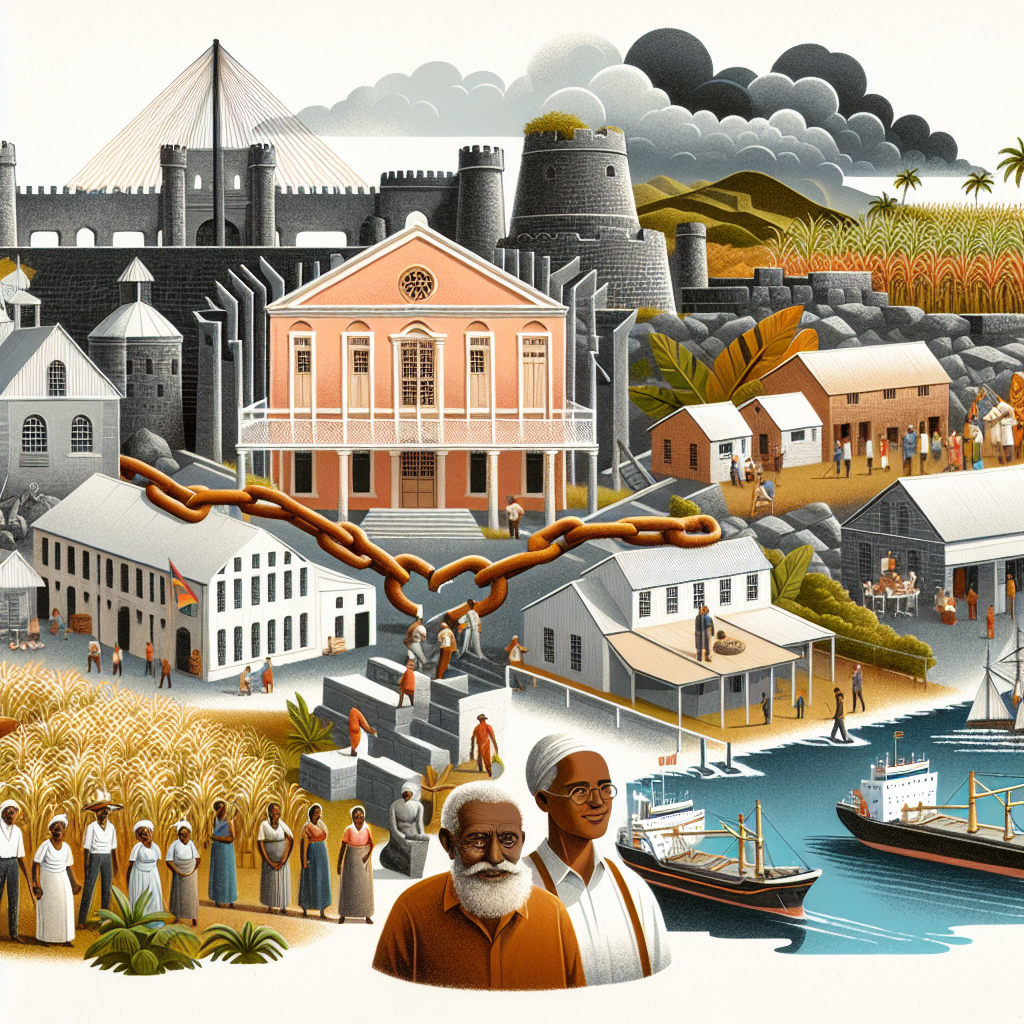
Saint Kitts, an island rich in history and culture, was profoundly shaped by its sugar plantations. This story is not just about the sweet success of sugar production, but also about the bitter truths of colonialism and slavery. Sugar, once the island’s “white gold”, played a pivotal role in its history, becoming as valuable as oil is today.
Early Beginnings
Sugar cane was introduced to Saint Kitts in 1643, marking the start of a transformation that would see the island become a central hub for sugar production. The early plantations initially focused on other commodities like tobacco, cotton, and indigo, but sugar quickly gained prominence. This lucrative crop required significant investment, leading to the development of large-scale plantations.
Sugar and Empire
By 1775, Saint Kitts housed 200 sugar estates and became one of the wealthiest British colonial possessions. Sugar not only built empires but also led European armies and navies into wars, underlining its immense value and influence. This period saw a dramatic shift in the island’s landscape, with tobacco and rainforests cleared to make way for extensive sugar cane fields.
Technological Advancements and Labor
The Central sugar factory, constructed between 1910 and 1911, marked a significant technological advancement in the sugar industry on Saint Kitts. This modern facility replaced the older muscovado mills, bringing about more efficient production methods. The factory was not just a site of production but also a hub for community life, featuring amenities like a club, canteen, and even an apprenticeship scheme.
Decline and Legacy
Despite these advancements, the industry faced challenges, notably from plummeting sugar prices and competition from sugar beets. The sugar industry’s decline continued into the 20th century, leading to the closure of the last sugar factory in 2005. However, the legacy of the sugar era persists. Landmarks like the Wingfield Estate and Romney Manor offer glimpses into the island’s sugar past. The St. Kitts Scenic Railway, originally built for transporting sugar cane, now serves as a tourist attraction, offering a journey through the island’s sugar history.

The Era of Sugar Plantations
The sugar plantations in Saint Kitts were not just agricultural sites but entire ecosystems that encompassed a way of life, shaping the island’s economy, society, and environment.
Economic Impact
The sugar industry was the backbone of Saint Kitts’ economy for centuries. The island was at the forefront of the sugar trade, which was as lucrative as the oil industry today. The plantations were not only centers of agricultural production but also pivotal to the island’s trade and commerce. The profitability of sugar led to significant investments in infrastructure, like the construction of the Central sugar factory and the St. Kitts Scenic Railway, which was initially built to transport sugar cane.
Societal Changes
Sugar plantations significantly altered the societal landscape of Saint Kitts. They were responsible for bringing in a large number of enslaved Africans, leading to demographic changes on the island. The labor force was primarily composed of these enslaved individuals who worked in grueling conditions. The plantations became sites of struggle, resilience, and eventually, emancipation, leaving a profound impact on the island’s culture and social fabric.
Technological Advancements
Technological advancements played a crucial role in the evolution of the sugar industry on Saint Kitts. The introduction of steam technology for sugar processing in the 19th century marked a significant shift from traditional methods. The Central sugar factory represented this change, showcasing modernized production processes and contributing to increased efficiency and productivity.
Cultural Heritage
The legacy of sugar plantations is deeply embedded in the cultural heritage of Saint Kitts. Sites like the Wingfield Estate, Belmont Estate, and Romney Manor are important historical landmarks that offer insights into the island’s plantation past. These sites help in understanding the complexities of the sugar industry, including the lives of the people who worked there and the economic dynamics of the era.
Transformation and Preservation
The decline of the sugar industry led to a transformation in the use of these plantation sites. While some have been developed into tourist attractions, others are proposed as heritage sites, like the Belmont Estate, which is planned to become the National Agriculture and Sugar Museum. This transformation is crucial for preserving the history and educating future generations about the island’s past.
Environmental Impact
The sugar industry also had a significant environmental impact. The extensive cultivation of sugar cane led to deforestation and changes in the island’s landscape. However, with the decline of the industry, there has been a gradual shift towards environmental conservation and sustainable tourism, balancing the need to preserve history with environmental considerations.
Conclusion
The history of sugar plantations in Saint Kitts is a rich tapestry of economic success, technological progress, societal upheaval, and cultural transformation. Today, the remnants of this era serve as poignant reminders of a complex past, continuing to shape the identity and heritage of the island. The legacy of the sugar plantations, with all its nuances, remains a vital part of Saint Kitts’ historical narrative (Historic St. Kitts) (Cambridge) (Luxury Caribbean Real Estate, Marina) (Caribbean Trip) (Escaped At Last).