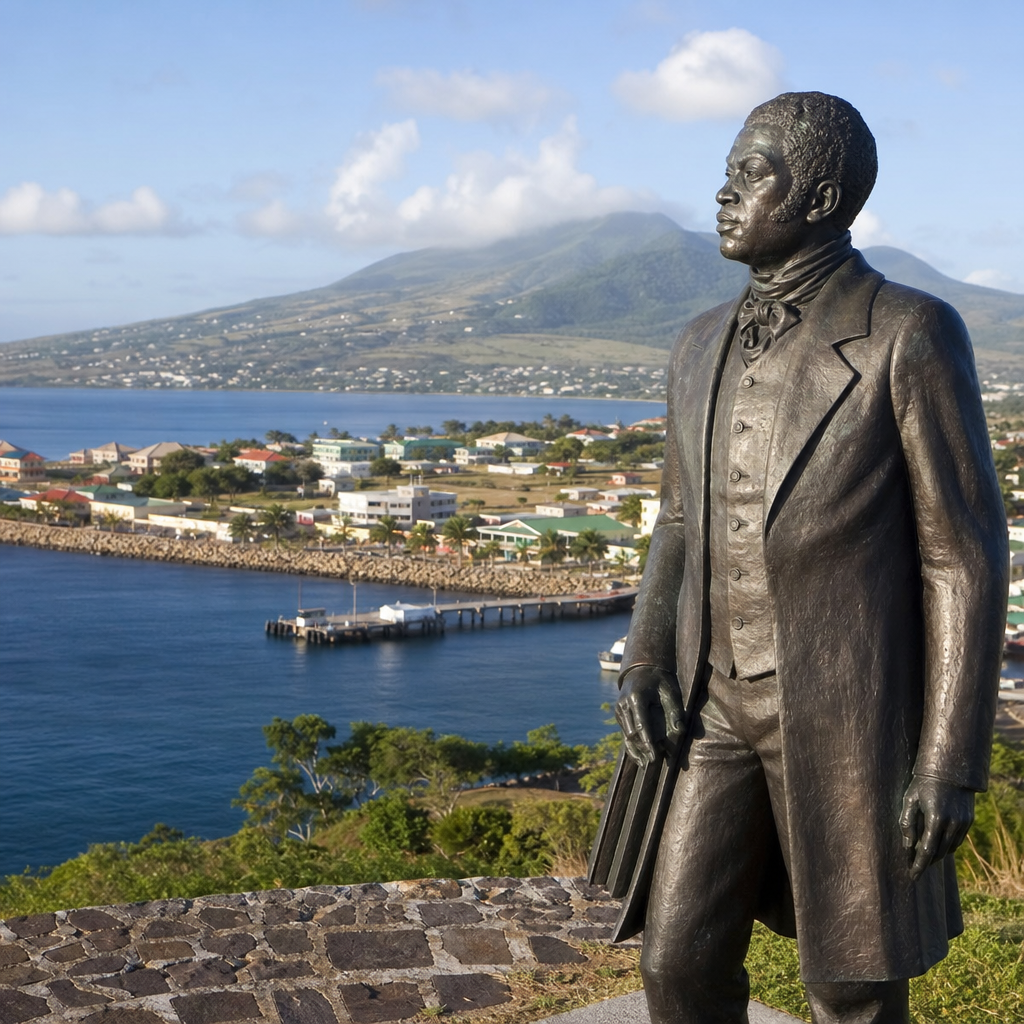
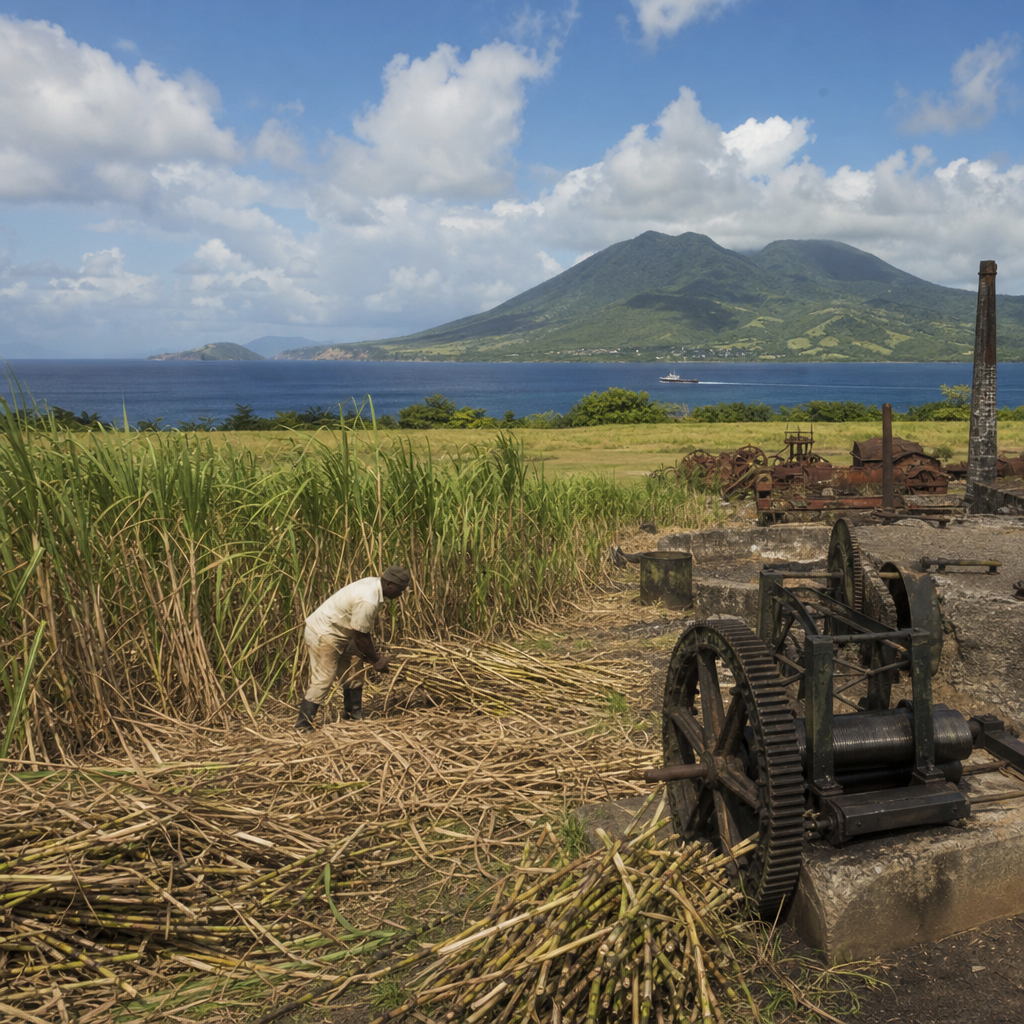
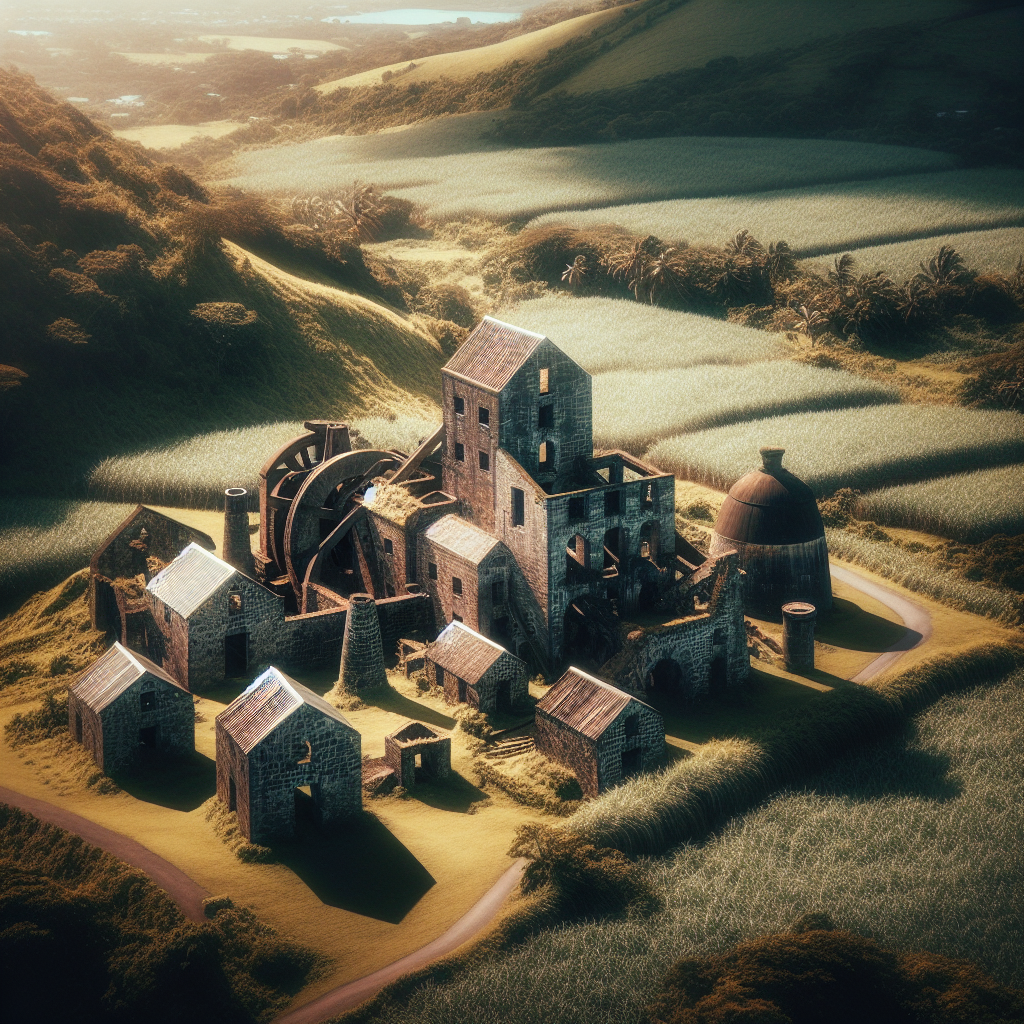
Saint Kitts and Nevis, two islands in the Caribbean with a rich history and vibrant culture, are home to some of the most fascinating and well-preserved fortresses in the region. These strongholds are not only architectural marvels but also vivid reminders of the islands’ turbulent past and strategic importance throughout history. This article delves into the culture and history surrounding the fortresses of Saint Kitts and highlights their significance as guardians of history.
Introduction
The twin-island nation of Saint Kitts and Nevis, nestled in the Leeward Islands chain of the Caribbean, boasts a history that is as rich and diverse as its landscapes. Among the various historical landmarks, the fortresses of Saint Kitts stand out as iconic structures, epitomizing the island’s colonial past and military significance. These fortresses, with their imposing walls and strategic locations, serve as silent sentinels, guarding stories of battles, resilience, and an enduring legacy. They provide an invaluable insight into the island’s historical narrative, offering both locals and visitors a tangible connection to the past.
Today, the fortresses of Saint Kitts are more than just relics of a bygone era. They are cultural treasures that embody the spirit and resilience of the people. From the majestic Brimstone Hill Fortress National Park to the lesser-known Fort Charles, each of these structures has a unique story to tell. These fortresses have witnessed the ebb and flow of history, from the early indigenous settlements to the arrival of European colonizers and the subsequent struggles for control between the British and the French.
As we explore the fortresses of Saint Kitts, we uncover layers of history and culture that have shaped the island into what it is today. The stories embedded in the stone walls and cannons offer a glimpse into the tumultuous times of colonial expansion, wars, and the quest for dominance in the Caribbean. These fortresses stand as testaments to the strategic importance of Saint Kitts in the larger context of Caribbean and world history.
Brimstone Hill Fortress National Park
One cannot discuss the fortresses of Saint Kitts without mentioning Brimstone Hill Fortress National Park, a UNESCO World Heritage Site and undoubtedly the most famous fortress on the island. Perched atop a steep hill, this formidable structure offers breathtaking panoramic views of the Caribbean Sea and the surrounding landscapes. Its strategic location made it a critical military stronghold during the colonial era.
Constructed in the late 17th century by African slaves under British direction, Brimstone Hill Fortress is a masterpiece of military engineering. The fortress was designed to withstand attacks from both land and sea, and its robust defensive features include thick stone walls, strategically placed cannons, and a series of interconnected bastions. The excellent state of preservation makes it an ideal place for visitors to experience a piece of history firsthand.
Brimstone Hill Fortress has played a pivotal role in several significant historical events, most notably the Great Siege of 1782 when French forces mounted a massive assault to capture the stronghold from the British. Despite the fortress eventually falling into French hands, the resilience and strategic importance of Brimstone Hill underlined its significance in regional geopolitics.
Today, Brimstone Hill Fortress National Park serves as a museum and educational center, offering guided tours and exhibits that delve into the site’s storied past. Visitors can explore the fortress’s various sections, including the Citadel, the hospital, and the King’s Bastion, while learning about the lives of the soldiers and slaves who built and occupied this iconic structure. Moreover, the park’s natural beauty adds an extra layer of allure, making it a must-visit destination for history buffs and nature enthusiasts alike.
Fort Charles
While Brimstone Hill Fortress steals much of the limelight, Fort Charles, located in Sandy Point, is another historical gem worth exploring. Built by the British in the early 17th century, Fort Charles is one of the oldest fortifications on the island. As with many Caribbean forts, its primary function was to protect the lucrative sugar plantations and trade routes from pirate raids and rival European powers.
Fort Charles occupies a strategic position along the coastline, allowing it to monitor and defend against potential seaborne threats. The fort’s design, though less grandiose than Brimstone Hill, is steeped in history. Its remnants give visitors a glimpse into early colonial military architecture, with features such as small bastions, barracks, and a powder magazine.
Over the years, Fort Charles has witnessed multiple attacks and changes in control, reflecting the turbulent nature of colonial competition in the Caribbean. Despite its partial ruin, the site retains an air of historical significance, embodying the resilience of the island’s early settlers and military defenders. Fort Charles may not have withstood the test of time as well as Brimstone Hill, but it remains an essential piece of the island’s historical tapestry.
Visitors to Fort Charles can enjoy a quieter, less-commercialized experience compared to some of the island’s more popular attractions. The fort’s serene surroundings allow for reflective exploration, where one can ponder the past while taking in the beautiful sea views. For history enthusiasts, Fort Charles serves as a poignant reminder of the challenges faced by early colonists in securing and defending their newfound territories.

Fort George (Fort Warwain)
Another significant yet often overlooked fortress on Saint Kitts is Fort George, also known as Fort Warwain. Situated close to the capital city of Basseterre, this fort played a crucial role in the island’s defense strategy. Constructed during the early 18th century, Fort George was part of a network of fortifications designed to protect against foreign invasions and internal uprisings.
Fort George’s strategic position on a hilltop provided a commanding view of both land and sea approaches, making it a key component in the network of defenses that guarded Basseterre and its vital harbor. The fort once boasted a series of ramparts, barracks, and artillery placements, all designed to repel attackers and safeguard the colony’s interests.
Throughout its history, Fort George has seen periods of both conflict and neglect. During the numerous Anglo-French wars that rocked the Caribbean, the fort changed hands several times, reflecting the island’s contested status. Despite its strategic importance, much of Fort George fell into disrepair over the centuries, leaving behind only traces of its former glory.
Today, efforts are underway to preserve and restore the remnants of Fort George. Visitors to the site can explore the ruins and imagine the fort’s past significance while enjoying panoramic views of Basseterre and the surrounding landscape. Fort George serves as a testament to the island’s resilient spirit and the enduring importance of these historical fortifications.
The Cultural Legacy of Saint Kitts’ Fortresses
Beyond their military significance, the fortresses of Saint Kitts have left an indelible mark on the island’s cultural heritage. These structures are not only symbols of colonial power but also represent the resilience and ingenuity of the people who built and maintained them. The fortresses are physical manifestations of the island’s past struggles and triumphs, and they continue to be a source of pride for the people of Saint Kitts.
The cultural legacy of these fortresses is evident in the way they have been preserved and integrated into the community. Sites like Brimstone Hill Fortress National Park serve as venues for cultural events and educational programs, bringing history to life for both residents and visitors. The stories of bravery, endurance, and strategic acumen associated with these fortifications are passed down through generations, ensuring that the legacy of these historic structures remains vibrant.
Moreover, the fortresses of Saint Kitts contribute to the island’s identity and sense of place. They are landmarks that define the landscape and provide a sense of continuity amidst the changing tides of modern development. By preserving these historical sites, Saint Kitts honors its past while fostering a deeper understanding and appreciation of its cultural heritage.
The fortresses also play a role in the island’s tourism industry, attracting visitors who seek to connect with the history and culture of Saint Kitts. Guided tours, reenactments, and historical exhibits offer immersive experiences that transport visitors back in time, allowing them to appreciate the valor and ingenuity of those who defended the island. This intersection of history, culture, and tourism underscores the multifaceted significance of Saint Kitts’ fortresses.
Conclusion
The fortresses of Saint Kitts stand as enduring guardians of history, offering a window into the island’s storied past and cultural legacy. From the majestic Brimstone Hill Fortress to the more humble Fort Charles and Fort George, each fortification tells a unique story of conflict, resilience, and strategic importance. These structures are not merely remnants of a bygone era; they are vital links to the past that continue to shape the identity and heritage of Saint Kitts.
As we explore these fortresses, we gain a deeper appreciation for the island’s historical narrative and the cultural legacy left behind by those who inhabited and defended these strongholds. The fortresses remind us of the island’s strategic importance in the Caribbean, its role in the conflicts between colonial powers, and the enduring spirit of its people.
In preserving and celebrating these historical sites, Saint Kitts ensures that future generations can connect with their heritage and honor the sacrifices and achievements of their ancestors. The fortresses serve not only as historical landmarks but also as symbols of the island’s resilience and enduring cultural legacy.
Whether you are a history enthusiast, a culture aficionado, or a curious traveler, the fortresses of Saint Kitts offer a compelling journey through time. They invite you to explore, learn, and appreciate the intricate tapestry of history and culture that defines this beautiful Caribbean island. As guardians of history, these fortresses will continue to stand tall, bearing witness to the enduring legacy of Saint Kitts for generations to come.