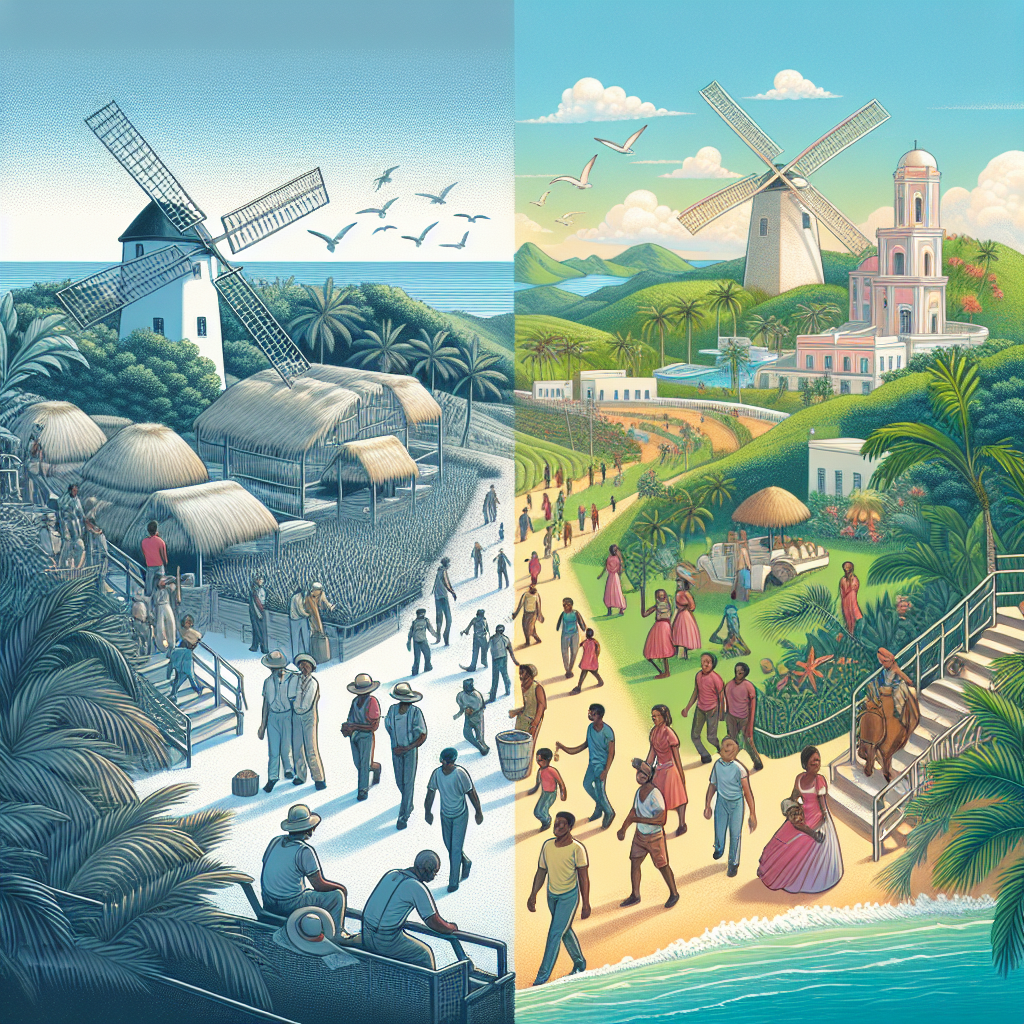
Nevis, one of the two islands comprising the Federation of Saint Kitts and Nevis, boasts a rich tapestry of history and culture intricately woven with the threads of its economic evolution. This picturesque island, with its verdant landscapes, serene beaches, and a once thriving sugar industry, has experienced significant economic transformations over the centuries. From the booming era of sugar plantations to the flourishing tourism sector of today, Nevis presents a compelling narrative of resilience and adaptation.
Historically, Nevis emerged as a pivotal player in the Caribbean’s sugar production thanks to its fertile soil and favorable climatic conditions. The island’s economy hinged heavily on sugar cane cultivation and export, which, although lucrative, also darkly intertwined with the transatlantic slave trade. As global markets and local economies evolved, Nevis faced a decline in its sugar industry, prompting a need to re-evaluate its economic strategies.
In contemporary times, Nevis has meticulously carved out a niche in the tourism sector, capitalizing on its natural beauty, historical significance, and cultural richness. This strategic shift from an agrarian sugar-dependent economy to a vibrant tourism-oriented one highlights Nevis’ ability to adapt and flourish amidst changing global dynamics. The metamorphosis of Nevis’ economy not only underscores the island’s economic resilience but also its potential as a premier travel destination.
The Golden Era of Sugar
Nevis’ economic narrative during the 17th and 18th centuries is profoundly shaped by the sugar industry. The island’s fertile volcanic soil, along with the tropical climate, created ideal conditions for sugar cane cultivation. The sugar industry became the backbone of the Nevisian economy, with plantations sprawling across the island. Sugar was not just an agricultural product; it was the lifeblood of Nevis, defining its social, economic, and cultural landscapes.
The island’s plantations were large-scale operations involving a complex network of labor, predominantly reliant on enslaved Africans. The profitability of sugar and its related products, such as molasses and rum, attracted European colonizers, making Nevis one of the wealthiest islands in the British Caribbean colonies at the time. The sugar mills, manned by both enslaved and free laborers, dotted the landscape, turning cane into sugar, which was then shipped to Europe and other corners of the globe.
However, the reliance on slave labor and the monoculture farming of sugar cane had its drawbacks. The social inequities and environmental degradation wrought by these practices were significant. Despite these challenges, the sugar industry thrived, positioning Nevis as an integral node in the global trade network. This period, often termed as ‘The Golden Era of Sugar’, laid down the economic foundation of the island, even though it was built on the suffering and exploitation of enslaved populations.
Decline of the Sugar Industry
The decline of the sugar industry in Nevis began in the mid-19th century due to a confluence of factors. The abolition of slavery in 1834 had a profound impact on the labor dynamics in the sugar plantations. Freed slaves often sought employment beyond the suffocating grip of plantation life, leading to labor shortages and increased costs for plantation owners. Furthermore, the global sugar market faced intense competition from beet sugar producers in Europe, diminishing the profitability of Caribbean cane sugar.
Technological advancements and changes in trade policies also played a role in the industry’s downturn. The introduction of cheaper production methods in other parts of the world meant that Nevisian sugar, which relied on more traditional and labor-intensive processes, struggled to maintain competitive prices. These economic pressures were compounded by occasional natural disasters, such as hurricanes, which decimated crops and infrastructure, further crippling the industry.
By the late 19th and early 20th centuries, many plantations were abandoned or repurposed. The economic focus of the island had to shift drastically, fostering a need for diversification. The fall of the sugar industry was a challenging phase for Nevis, forcing the island to reevaluate its economic strategies and seek new avenues for growth and development.

Transition to Tourism
Recognizing the limitations and vulnerabilities of a monoculture economy based on sugar, Nevis began to explore other economic ventures in the mid-20th century. The strategic pivot towards tourism proved to be a game-changer. The island’s natural beauty, serene environment, and rich cultural heritage made it an attractive destination for travelers looking for a blend of relaxation and history.
The transition wasn’t instantaneous but was supported by deliberate policies and investments. The development of infrastructure such as roads, airports, and accommodations facilitated this shift. In addition, the conservation of historical sites, such as the remnants of sugar plantations, enhanced the cultural value offering to tourists. Efforts to promote Nevis as an eco-friendly and sustainable tourism destination further solidified its market niche, attracting environmentally conscious travelers.
This burgeoning tourism sector provided new employment opportunities for locals, involving them in various facets of the industry from hospitality to guided tours. The tourism-driven economy allowed for a more diversified income stream, reducing the island’s economic vulnerability to global commodity markets and natural calamities. This new direction not only bolstered the island’s GDP but also helped preserve and celebrate its unique heritage and environment.
Tourism and Cultural Preservation
The symbiotic relationship between tourism and cultural preservation is particularly evident in Nevis. The shift to a tourism-centric economy provided a robust platform to preserve and showcase the island’s rich historical and cultural tapestry. The Nevisian authorities and local businesses recognized the value of integrating cultural preservation into their tourism strategy.
Many of the former sugar estates have been converted into heritage sites or luxury accommodations, offering visitors a glimpse into the island’s storied past. Museums, such as the Horatio Nelson Museum and the Nevisian Heritage Village, serve as cultural custodians, narrating tales of the island’s colonial past, culinary traditions, and the legacy of the sugar industry. Traditional festivals like Culturama highlight the island’s vibrant customs, music, dance, and crafts, drawing visitors into an immersive cultural experience.
Efforts to preserve natural landscapes coincide with cultural conservation, aligning well with eco-tourism principles. The Nevis Peak and the surrounding rainforests are protected areas, encouraging eco-friendly travel and promoting awareness about the island’s biodiversity. Such initiatives not only boost tourism but also instill a sense of pride and ownership within the local community, reinforcing cultural identity.
Challenges and Future Prospects
Despite the promising potential of the tourism sector, Nevis faces distinct challenges that require strategic foresight and collaborative efforts. Environmental threats such as climate change and hurricanes pose significant risks to infrastructure and natural attractions. Sustainable tourism practices are imperative to mitigate these impacts and ensure the longevity of the industry.
Furthermore, balancing development with cultural integrity remains a delicate task. There’s always a risk that commercialization could overshadow authentic experiences, turning cultural assets into mere commodities. This necessitates a careful calibration of tourism growth with the preservation of local traditions and environments. Policies that prioritize responsible tourism and community involvement are vital to maintaining this balance.
Looking ahead, Nevis has the potential to further diversify its economic portfolio by enhancing agritourism, health and wellness tourism, and leveraging digital technology to promote its offerings globally. Investments in renewable energy and sustainable infrastructure will also play crucial roles in shaping a resilient and adaptive economy. By fostering a synergistic relationship between tourism, cultural preservation, and sustainable development, Nevis can chart a progressive path forward.
Conclusion
The evolution of Nevis’ economy from a sugar-dominated landscape to a vibrant tourism hub is a testament to the island’s resilience and adaptability. This transformation underscores not only the island’s capacity to respond to economic challenges but also its ability to leverage its natural and cultural assets for sustainable growth. As Nevis continues to navigate the complexities of modern economic landscapes, the lessons learned from its past will be instrumental in shaping its future.
The story of Nevis serves as an inspiring model for small island economies, demonstrating how diversification and sustainable practices can lead to renewed prosperity. The integration of cultural preservation into the tourism industry offers a holistic approach to economic development, fostering a richer and more inclusive narrative for both residents and visitors. As Nevis looks to the future, the island remains a beacon of history, culture, and natural beauty, inviting the world to partake in its storied journey from sugar to tourism.
Whether you are a history enthusiast, a nature lover, or simply in search of a tranquil getaway, Nevis beckons with its unique charm and multifaceted appeal. By embracing its past and looking forward with visionary strategies, Nevis exemplifies the potential for island economies to thrive amidst changing global dynamics.