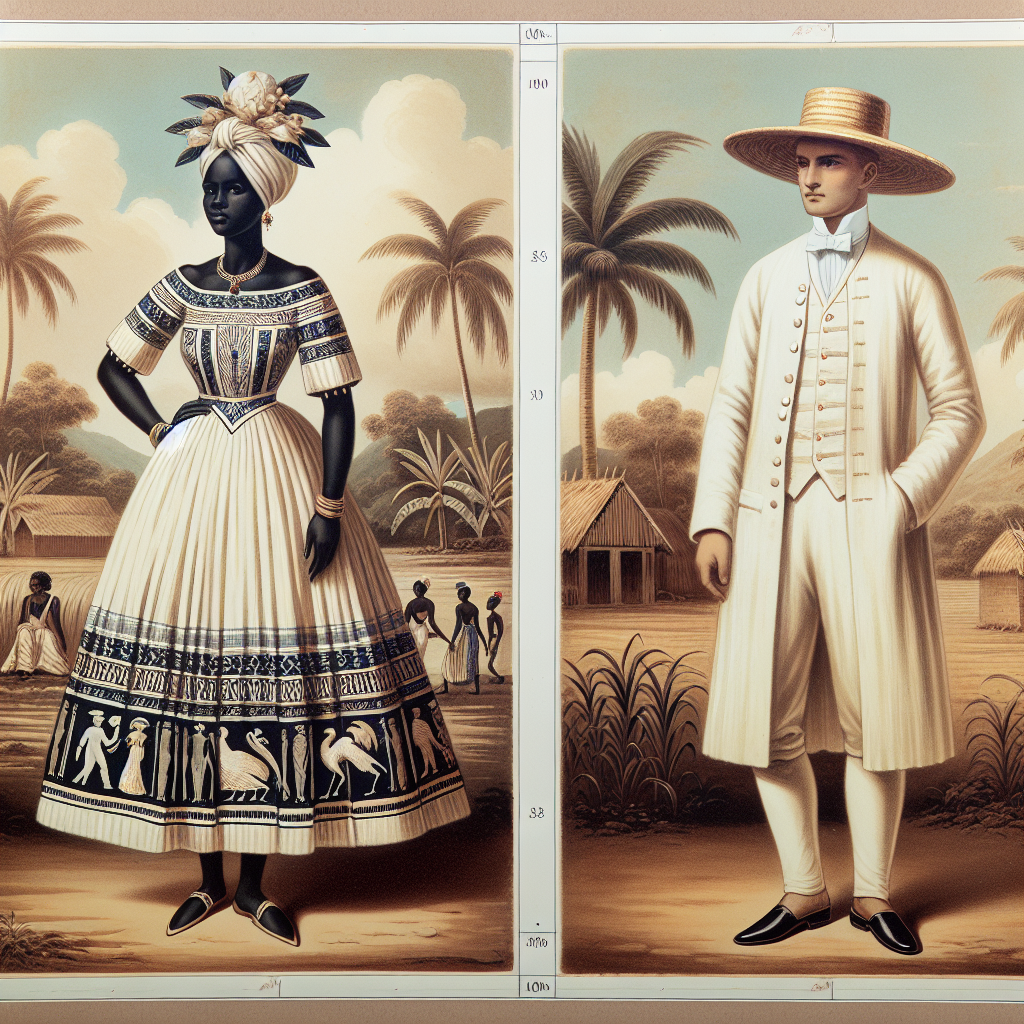
Saint Kitts and Nevis, the twin-island nation nestled in the Caribbean Sea, is a place of vibrant culture and rich history. This enchanting destination is well known for its stunning landscapes, warm climate, and unique Afro-Caribbean heritage. One of the most fascinating aspects of this cultural heritage is the traditional dress, which showcases a colorful tapestry woven with threads of history, identity, and creativity.
Understanding the traditional dress of Saint Kitts is not merely an exploration of fabric and style; it is a journey into the nation’s soul, reflecting its colonial past, resistance, and cultural resilience. Tracing the historical roots of traditional dress in Saint Kitts and Nevis reveals a blend of African, European, and Caribbean influences.
During the colonial era, enslaved Africans brought to work on the sugar plantations wore simple, practical garments made from durable cotton to withstand the harsh working conditions. As time progressed and freedom was attained, these garments began to incorporate more decorative elements, reflecting the cultural amalgamation and the Kittitian people’s evolving sense of identity.
The traditional dress of Saint Kitts is much more than attire—it is a medium of cultural expression. Each garment, from the whimsical madras to the distinct headwraps, tells a story. The broad stripes of bold colors capture the spirit of the islands, while intricate patterns and carefully chosen fabrics reflect the creativity and resourcefulness of the Kittitian people. These elements are at the heart of various ceremonies, festivals, and daily life, making traditional dress an integral part of Kitts society.
In modern times, while Western-style clothing predominates day-to-day life, traditional dress retains a place of deep respect and is often worn during significant cultural events, such as the annual St. Kitts Music Festival, National Carnival, and traditional weddings. These garments serve as a living testament to the islanders’ rich heritage and undying connection to their ancestral roots.
African Influence in Traditional Kittitian Dress
The heartbeat of traditional dress in Saint Kitts unmistakably resonates with African influence. The arrival of Africans during the colonial era marked the beginning of a cultural fusion that significantly impacted the islands’ sartorial landscape. Despite the oppressive circumstances under which they arrived, the African people brought with them a rich tapestry of traditions, skills, and customs, many of which are reflected in their approach to dress and adornment.
Traditional Kittitian garments often feature the use of Madras cloth, a fabric that originated in the Indian city of Chennai (formerly Madras) but has been embraced and adapted into Caribbean attire. The use of Madras in Saint Kitts dates back to the 18th century when it was introduced through colonial trade. This fabric has a distinctive checked or striped pattern, vibrant colors, and lightweight, breathable quality, making it ideal for Caribbean climates. The pattern and style of the Madras are reminiscent of similar textiles used in various African cultures, where colorful, elaborate designs are culturally significant.
The African influence is also evident in the headwraps worn by Kittitian women, commonly known as tignons. These headwraps served various functional purposes, such as protection from the sun, but also carried significant cultural symbolism, indicating a woman’s status, marital position, or personal style. The art of head-wrapping is a skill passed down through generations, with each style and fold carrying its own meaning.
Moreover, African influence can be seen in the vibrant color choices and dynamic patterns that characterize traditional Kittitian dress. The preference for bright hues—reds, yellows, greens—is deeply rooted in African cultural aesthetics, symbolizing life, power, and the natural world. This bright palette reflects the islands’ spirited and resilient nature.
The integration of African elements into traditional Kittitian dress is not merely a matter of appearance but also a statement of cultural survival and pride. Despite the brutal history of slavery and colonization, these garments serve as a testament to the enduring spirit and adaptability of the Kittitian people, preserving a significant part of their African heritage through fashion.
Colonial Impact on Fashion
The colonial era significantly shaped the fashion of Saint Kitts and Nevis, leaving lasting imprints on the traditional dress of its people. The arrival of European settlers brought new materials, styles, and clothing practices, which were gradually integrated into the local sartorial customs.
During the colonizing period, British and French influences were particularly strong on the islands. European attire was quite formal and structured, a stark contrast to the practical garments initially worn by the enslaved population. The upper class—primarily European settlers and a few free local elites—wore elaborate and ornately decorated outfits modeled after European fashion trends. These garments often included multiple layers, lace, frills, and heavy fabrics, reflecting prevailing European standards of dress and social hierarchy.
The influence of European fashion extended into the working class and enslaved populations as well, though in a different manner. For the laboring class, the adaptation of these styles was heavily influenced by practicality and material availability. Enslaved and later emancipated Africans began to combine elements of European styles with their own African traditions, resulting in a unique Kittitian fashion aesthetic.
One area where colonial influence is particularly visible is in the festive costumes worn during local celebrations such as Carnival. The extravagant, colorful, and often theatrical nature of these costumes traces back to European masquerade traditions, fused with African styles and materials. The use of feathers, sequins, and elaborate headdresses is emblematic of this blend.
The prominence of Madras fabric—while originating in India—was popularized in the Caribbean through European trade. It is now a mainstay in traditional Kittitian dress, used in everything from skirts and dresses to headwraps and ceremonial attire.
Colonial influence also introduced new sewing techniques and tailoring methods, which local artisans skillfully merged with traditional African techniques. This hybridization contributed to a distinctive Kittitian style that remains recognizable today.
The colonial history of Saint Kitts and Nevis, with its intertwining of European and African elements, showcases the islands’ ability to adapt and evolve through changing times, cementing a legacy of resilience, creativity, and cultural fusion in their traditional dress.
Symbolism in Traditional Kittitian Dress
Traditional dress in Saint Kitts is rich with symbolism, extending beyond the visual to carry significant cultural weight. Every garment, pattern, and color choice plays a role in expressing the islanders’ identity, history, and social standing.
For instance, the use of Madras cloth is more than a fashion statement—it represents the blending of diverse histories and cultures. Initially a European trade item, Madras was adopted into the Caribbean’s sartorial traditions, forming a unique fashion expression that embodies the island’s colonial and postcolonial journey.
Color symbolism is particularly meaningful. In many cultural events, the colors red, green, and yellow dominate. These hues have become emblematic of Afro-Caribbean heritage:
- Red symbolizes the blood of ancestors and the struggle for freedom.
- Green represents the fertility of the land.
- Yellow stands for the richness of Kittitian culture.
Headwraps (tignons) also carry symbolism beyond function. Historically, the way a headwrap was tied could indicate a woman’s marital status, family background, or personal identity. These wraps served as cultural markers within the community and remain an enduring symbol of pride.
Ceremonial garments, particularly for traditional weddings and festivals, are laden with meaning. Brides and grooms often choose specific colors or fabrics that honor their lineage and convey spiritual or familial connections. Festival costumes celebrate the fusion of African, European, and Caribbean influences, serving as a living expression of unity and diversity.
Embroidery and textile motifs further enhance the narrative of traditional dress. Designs often include floral, geometric, or animal patterns, each symbolizing elements of the natural world or spiritual beliefs. These motifs reflect African artistic heritage while also adapting to the local environment and culture of Saint Kitts.
To the untrained eye, these garments may appear merely decorative, but to those familiar with their origins, they represent a living tapestry of the island’s people, traditions, and values. Understanding the symbolism embedded in traditional dress offers a deeper appreciation for Kittitian culture and identity.
Modern Adaptations and Influences
As the world evolves, so too does the traditional dress of Saint Kitts, adapting to modern fashion trends while retaining its cultural roots. This ongoing transformation demonstrates the vitality and relevance of Kittitian heritage in the 21st century.
One significant trend is the fusion of traditional and modern styles. Madras, once reserved for ceremonial wear, is now used in everyday fashion. Local designers integrate it with modern fabrics like denim, cotton, and linen to craft stylish yet culturally grounded pieces. This trend promotes both fashion and cultural preservation, making traditional aesthetics appealing to younger generations.
The influence of global fashion has led to creative reinterpretations of Kittitian attire. Designers across the Caribbean and beyond draw inspiration from Kittitian patterns and color schemes, incorporating them into modern silhouettes. These reinterpretations have gained visibility on international runways, elevating the profile of Saint Kitts in the global fashion scene.
Digital platforms and social media also play a key role in the evolution of traditional dress. Artisans and designers now have the ability to showcase their work to a worldwide audience, facilitating cultural exchange and appreciation. Hashtags, fashion blogs, and online shops allow traditional Kittitian garments to reach fashion enthusiasts globally.
Festivals like the St. Kitts Music Festival and National Carnival offer platforms for showcasing contemporary takes on traditional fashion. Performers and participants wear vibrant costumes that merge heritage with modern creativity, telling stories that resonate across generations.
Despite the spread of Western fashion and globalized styles, traditional dress in Saint Kitts remains a symbol of resilience and pride. The continued evolution of this clothing reflects a culture that is alive, adaptable, and deeply rooted in its past.
Conclusion
The traditional dress of Saint Kitts is a vibrant cultural expression, woven from African, European, and Caribbean influences. It tells stories of struggle, adaptation, celebration, and identity. What began as simple, functional attire during the colonial period has transformed into a powerful symbol of cultural pride and resilience.
The symbolic richness of Madras cloth, the meaningful color choices, and the intricate art of headwrapping all convey layers of history and meaning. Traditional garments serve as living markers of heritage, linking generations through shared customs and aesthetics.
In modern times, traditional dress continues to evolve. Younger generations reinterpret old styles in new ways, fusing tradition with innovation. Through festivals, fashion shows, and digital platforms, Kittitian dress not only survives—it thrives.
As visitors to Saint Kitts and Nevis, understanding the significance of traditional attire enhances cultural appreciation. These garments are not mere costumes; they are a living legacy, celebrating the enduring spirit of a people proud of their past and hopeful for their future.