Wellness and spa hotels in Nevis offer a focused way to reset before winter, combining Caribbean climate, restorative treatments, and slower island rhythms that support genuine recovery rather than rushed vacation consumption. In the accommodations landscape, this “miscellaneous” subtopic matters because many travelers are not choosing only by star rating or beach access; they are comparing sleep quality, wellness programming, privacy, thermal comfort, healthy dining, and the ability to return home physically restored. When I evaluate hotels through that lens, I look beyond marketing labels and into operational details: treatment menu depth, therapist training, room design, sound levels, movement classes, hydrotherapy access, and how well the property supports a full wellness routine. In Nevis, those details are especially important because the island’s scale, volcanic topography, sea breezes, and uncrowded roads make it easier to create a calm trip than on busier Caribbean destinations. A wellness hotel usually refers to a property where health-supporting experiences are central to the stay, while a spa hotel may center more specifically on massage, bodywork, facials, and water-based relaxation. The best hotels in Nevis overlap both categories. They pair quality accommodations with thoughtful treatment spaces, nourishing food, outdoor activity, and enough quiet to improve sleep and stress markers. For travelers planning a pre-winter break, Nevis stands out because it allows a short, meaningful reset: warm weather before colder months, fresh local ingredients, ocean views, and a pace that encourages early nights, movement, and unplugging.
As a hub page under accommodations, this guide covers the full miscellaneous side of wellness stays in Nevis, including luxury resorts, boutique retreats, spa standards, booking strategy, who each style suits, and practical expectations. It is designed to answer common search questions directly, from “What is the best spa hotel in Nevis?” to “When should I visit for fewer crowds and good weather?” and “What features actually make a hotel restorative?” Nevis is the smaller sister island to St. Kitts, and that matters. You do not come here for nightlife density or endless resort corridors. You come for a more intimate island experience where historic plantation settings, beachfront resorts, yoga decks, and open-air treatment rooms feel integrated into the environment. That compact character also strengthens the accommodations category because transfer times are shorter, day planning is simpler, and wellness activities can extend beyond the spa into hikes, hot springs, sailing, and quiet beach walks. For internal trip planning, travelers often compare this topic with beachfront hotels, boutique hotels, family-friendly resorts, and luxury villas, but wellness and spa hotels cut across all of them. A beachfront resort can still be the best wellness choice; a boutique inn can still support a restorative stay if it excels in sleep, nutrition, and personalized service. The key is understanding which Nevis properties truly deliver rejuvenation before winter and how to match the right hotel to your needs, budget, and preferred pace.
Why Nevis works so well for a pre-winter wellness escape
Nevis is effective as a rejuvenation destination because the island reduces friction. From experience, that operational simplicity has a direct effect on how restorative a trip feels. Long drives, constant reservations, traffic noise, and crowded public areas keep the nervous system activated. Nevis removes much of that. The island is compact, the roads are manageable, and many accommodations sit within easy reach of beaches, heritage sites, and dining. The climate also supports a pre-winter reset. Late fall and early winter travelers often want sunlight, warmth, and outdoor movement after months of work stress or before the demands of the holiday season. Nevis delivers reliable tropical warmth without forcing a packed itinerary. Guests can move between breakfast, a beach walk, a treatment, a swim, and an early dinner without spending the day in transit.
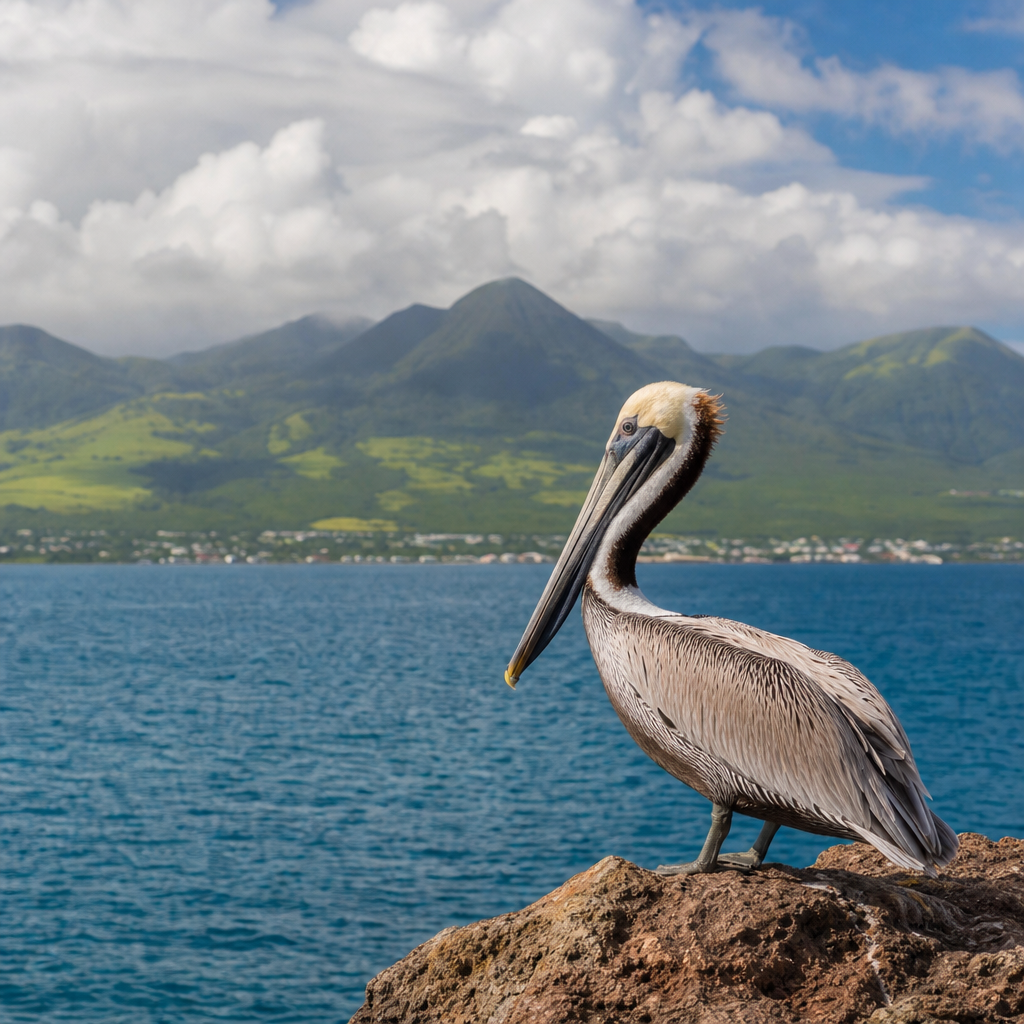
There is also a strong environmental component to wellness here. Nevis Peak creates a dramatic green backdrop, trade winds temper the heat, and many hotels use open-air design that reconnects guests with natural light and fresh air. For people trying to improve sleep, lower stress, or recover from burnout, those conditions matter. Exposure to daylight, reduced evening overstimulation, and more time outdoors are all associated with better circadian alignment and improved mood. Nevis does not market itself as a medical wellness destination, and it should not be confused with a clinical retreat, but it is exceptionally good at supporting the fundamentals of recovery: rest, movement, hydration, massage, healthy food, and quiet. That is why it deserves a dedicated place within the broader accommodations hub.
What to expect from wellness and spa hotels in Nevis
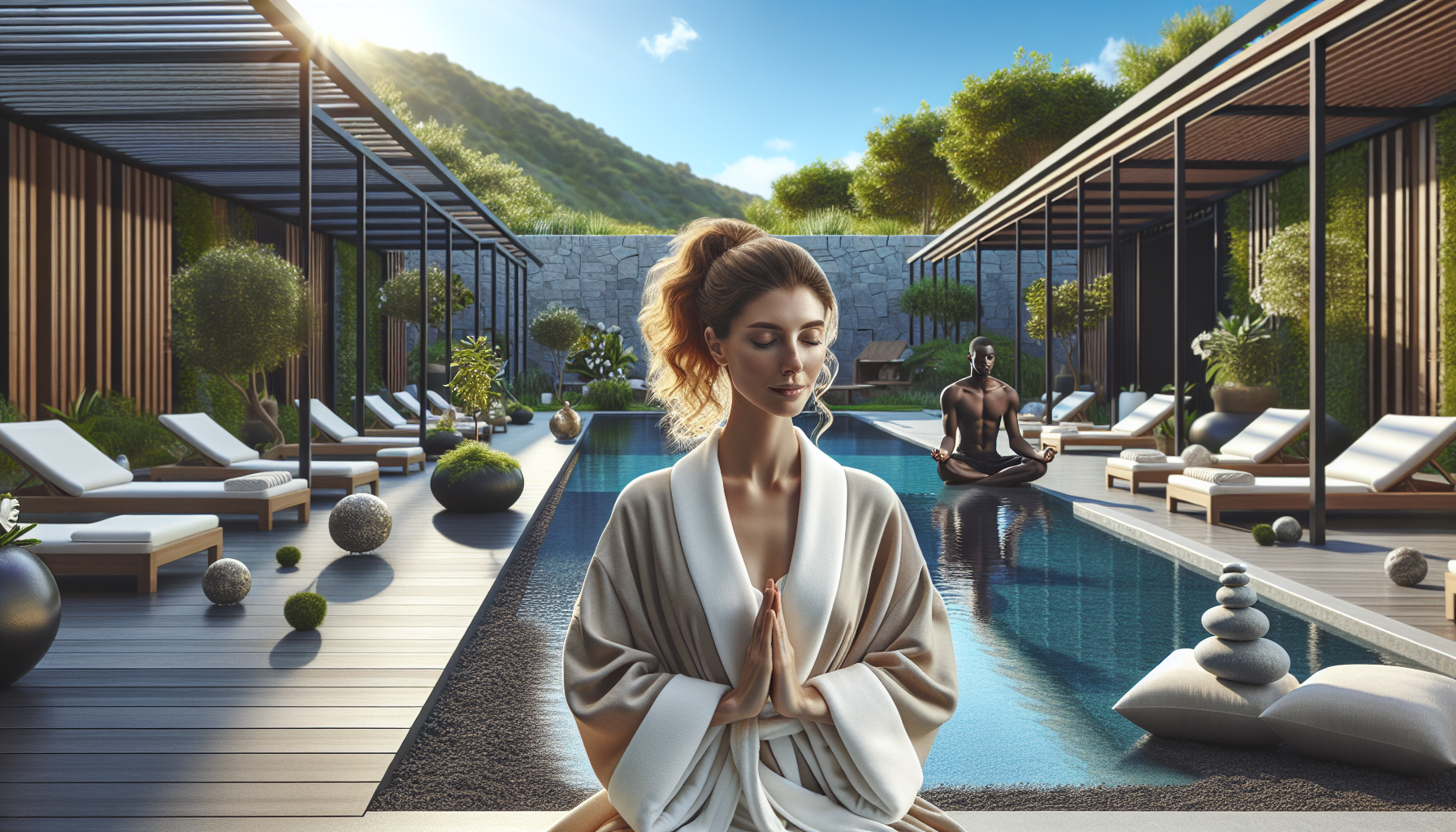
The best wellness and spa hotels in Nevis generally share several characteristics. First, they make calm visible in the physical layout. Rooms are spaced for privacy, landscaping buffers noise, and public areas rarely feel overbuilt. Second, they integrate treatment options beyond a single menu of standard massages. Look for facials, body scrubs, wraps, couples treatments, reflexology, and therapies that use local ingredients or Caribbean traditions where appropriate. Third, they support habits outside the treatment room. That includes fitness centers, yoga or stretching classes, pools suitable for laps or low-impact movement, walking paths, healthy menu items, and staff who can coordinate island activities that complement recovery rather than disrupt it.
Travelers should also understand what Nevis usually does not offer in abundance compared with larger wellness destinations. You will find fewer mega-spa circuits with multiple hydrotherapy chambers, giant indoor thermal suites, or medically supervised longevity programming. Instead, the island’s strength is quality over scale. A spa in Nevis may have fewer treatment rooms, but the setting, pace, and personalization can be stronger than in much larger resorts. This is a meaningful tradeoff. If your ideal stay depends on a large-format thermal complex, check facilities carefully before booking. If your goal is peace, bodywork, sleep recovery, and gentle outdoor activity, Nevis compares very well with more famous islands and often feels more exclusive because it is less crowded.
Standout hotels and accommodation styles for wellness-focused travelers
Four Seasons Resort Nevis is the most recognized luxury option and remains the benchmark for travelers who want a full-service spa hotel with extensive amenities. Its appeal is not only brand recognition. It combines a broad spa program, beachfront access, landscaped grounds, fitness facilities, tennis, golf, and a service model capable of handling customized requests. For wellness travelers, that means you can build a structured reset around treatments, exercise, healthy meals, and restful downtime without leaving the property. It is especially strong for couples, multigenerational travelers, and guests who want luxury standards while still prioritizing recovery.
Montpelier Nevis offers a different model: boutique, historic, and quieter, with a plantation setting that appeals to travelers who prefer intimacy over scale. In my experience, smaller properties like this can be deeply restorative because the day slows naturally. You are less likely to over-schedule, and staff often tailor service with more nuance. While boutique hotels may not match a major resort’s treatment infrastructure, they can outperform on atmosphere, privacy, and personal attention. For some guests, that is the better wellness equation.
Golden Rock Inn, set higher in the hills, is another important style within this miscellaneous hub because wellness is not always spa-heavy. Its gardens, artful design, cooler elevation, and proximity to hiking create a retreat-like mood. Travelers focused on nature, creativity, and quiet often find this kind of accommodation more rejuvenating than a conventional resort. Nisbet Plantation Beach Club also deserves mention for guests who want a heritage setting directly on the beach, where easy ocean access and a slower social rhythm support simple restorative routines. Across Nevis, villas and smaller inns can also work well if they provide access to in-room treatments, private yoga instruction, and excellent housekeeping, but they require more planning.
| Accommodation style | Best for | Main wellness advantage | Typical tradeoff |
|---|---|---|---|
| Large luxury resort | Couples, families, first-time visitors | Full spa, fitness, dining, concierge support | Higher price, less intimate feel |
| Boutique plantation hotel | Quiet seekers, repeat Caribbean travelers | Privacy, atmosphere, personalized service | Smaller spa and fewer facilities |
| Hillside retreat-style inn | Nature lovers, hikers, creative travelers | Cooler setting, gardens, strong sense of retreat | Farther from beach, limited resort services |
| Beachfront heritage property | Relaxation-focused couples | Easy sea access, gentle routines, historic charm | Less comprehensive wellness programming |
| Private villa with wellness add-ons | Groups, privacy-focused travelers | Customized schedule, secluded environment | Requires coordination for treatments and classes |
How spas in Nevis compare on treatments, facilities, and service
When comparing spa hotels in Nevis, start with treatment quality rather than menu length. A concise menu executed well is better than a long list of mediocre options. Ask whether therapists are trained in recognized modalities such as Swedish massage, deep tissue, aromatherapy, reflexology, prenatal massage, or sports recovery work. Good spas will also explain session length clearly, note contraindications, and recommend treatments based on guest goals. This is a trust signal. Properties that take consultation seriously usually deliver a better experience overall.
Facilities matter, but they should be assessed realistically. Many Nevis spas emphasize treatment rooms, relaxation areas, and attractive natural settings rather than extensive hydrotherapy circuits. That can still be excellent if the rooms are well maintained, the linens and oils are high quality, and the service is consistent. I advise travelers to review whether the hotel offers indoor and outdoor relaxation spaces, changing facilities, steam or sauna access, and post-treatment areas where guests can remain calm instead of being pushed back into a busy lobby. Service sequencing is another overlooked factor. A wellness stay feels better when spa appointments, dining, and room readiness are coordinated smoothly. The strongest hotels understand that every transition affects stress levels.
Beyond the spa: sleep, nutrition, movement, and island activities
The most successful rejuvenating stays in Nevis are not built on massages alone. They depend on the complete accommodation experience. Sleep quality is foundational, so evaluate bedding, room quietness, blackout capability, temperature control, and the likelihood of late-night noise. Even luxury travelers underestimate this. A beautiful property with weak sound insulation can undermine the whole point of a recovery trip. Nutrition is equally important. Look for hotels that offer fresh fish, fruit, vegetables, lighter breakfasts, and flexible menus rather than only rich resort fare. Nevis benefits from local ingredients and a dining culture that can feel more measured than on high-volume islands.
Movement should be easy and optional, not performative. Good wellness hotels provide access to yoga, gym equipment, swimming, paddleboarding, tennis, walking routes, and excursions such as hiking the lower slopes of Nevis Peak. There are also natural and cultural experiences that contribute to restoration: visiting botanical gardens, taking a quiet catamaran outing, exploring heritage estates, or soaking in the island’s hot spring areas. These are not spa treatments, but they are part of a regenerative itinerary. In practice, the best accommodation is the one that lets you combine one structured wellness element each day with one unhurried island activity and plenty of downtime.
Booking strategy, seasonality, and who should choose which property
For travelers targeting a pre-winter trip, timing affects both value and atmosphere. Early winter can bring ideal weather, but rates increase as festive demand approaches. Shoulder periods may offer better pricing and a quieter environment, which often improves the wellness experience. Book spa appointments before arrival if treatments are central to the trip, especially at top properties where preferred therapists and prime times fill quickly. Also confirm transfer logistics from St. Kitts, as a smooth arrival sets the tone for the entire stay.
Match the property to your actual goal. If you want a polished, all-in-one experience with minimal planning, choose a luxury resort. If your priority is intimacy, conversation, and reduced stimulation, a boutique hotel may be the smarter option. If you need space, privacy, and a customized routine, consider a villa with arranged services. Finally, compare this hub with related accommodations pages as you refine your plan: beachfront hotels for sea access, boutique hotels for character, luxury accommodations for service breadth, and family-friendly stays if wellness must coexist with children’s needs. The core benefit of Nevis remains consistent across all of them: it gives you room to slow down before winter and return home feeling meaningfully restored.
Wellness and spa hotels in Nevis succeed because they combine strong accommodations with the island qualities that modern travelers need most before winter: warmth, quiet, manageable logistics, restorative treatments, and space to rest without pressure. The best properties are not defined by marketing language alone. They prove their value through good sleep environments, skilled therapists, healthy dining, attentive service, and access to gentle movement and nature. Large resorts, boutique plantation hotels, hillside retreats, beachfront heritage properties, and private villas can all support wellness, but each does so differently. Choosing well means being honest about whether you want full-service convenience, intimate calm, or customized privacy.
As the miscellaneous hub within the accommodations topic, this page should help you evaluate the full range of wellness-focused stays in Nevis and connect them to related lodging choices across the island. The central takeaway is simple: Nevis is one of the Caribbean’s most effective destinations for a short pre-winter reset because its scale and pace make restoration easier. Use that advantage wisely. Prioritize the hotel features that directly affect recovery, reserve spa treatments in advance, and build an itinerary around sleep, movement, nourishing meals, and unhurried time outdoors. Start comparing Nevis accommodations now and choose the stay that will leave you healthier, calmer, and ready for the season ahead.
Frequently Asked Questions
Why choose a wellness and spa hotel in Nevis before winter instead of a standard beach resort?
For many travelers, the goal before winter is not simply to take a break, but to return home feeling physically restored, mentally clearer, and better prepared for colder, darker months. That is where wellness and spa hotels in Nevis stand out. Instead of building the trip around nonstop activity, heavy dining, and a packed social schedule, these properties tend to prioritize recovery-oriented experiences such as high-quality sleep environments, quiet settings, bodywork, hydrotherapy, movement classes, fresh cuisine, and a slower daily rhythm. Nevis is especially appealing because the island naturally supports this kind of reset. The warm Caribbean climate helps the body unwind, outdoor spaces encourage gentle movement, and the island’s calmer pace makes it easier to disconnect from overstimulation.
Another important difference is that wellness-minded hotels often think beyond the visible “luxury” features. Travelers comparing options increasingly care about room comfort, mattress quality, natural ventilation or effective cooling, private terraces, noise levels, spa treatment standards, and whether healthy food is consistently available rather than offered as a token menu section. In Nevis, that matters because the island can deliver a quieter, more intimate experience than busier destinations, which is often exactly what people want before winter. Rather than returning from vacation needing another recovery period, guests can use the stay to improve sleep, release muscle tension, spend time outdoors, and reestablish healthier routines. In practical terms, a wellness and spa hotel is often the better choice when the priority is genuine rejuvenation, not just a change of scenery.
What wellness features should travelers look for when booking a spa hotel in Nevis?
The best approach is to look past broad marketing language and evaluate the actual components of the stay. A strong wellness and spa hotel in Nevis should offer more than a treatment room and a few massages on a menu. Start with the sleep environment, because quality rest is one of the most important outcomes of a pre-winter wellness trip. Look for details such as quiet room placement, comfortable bedding, effective air conditioning or thermal comfort controls, blackout curtains, spacious bathrooms, and private outdoor areas that support relaxation rather than noise and traffic. If privacy is a priority, smaller-scale properties or suites with separated outdoor space can make a major difference.
Next, assess the spa itself. An excellent spa program should include a meaningful range of restorative treatments, such as deep tissue massage, aromatherapy, facials designed for climate recovery, scrubs, wraps, and possibly hydrotherapy or wet-area access if available. The question is not just how long the menu is, but whether the treatment philosophy is coherent and whether therapists are experienced. Movement and mindfulness also matter. Travelers who want to feel better after the trip should look for yoga, stretching, guided breathing, meditation, low-impact fitness, or access to peaceful walking areas. Dining is another major factor. A wellness hotel should make it easy to eat well without feeling restricted, offering fresh produce, lighter meals, hydration-friendly options, and balanced menus throughout the day. Finally, review the overall atmosphere: uncrowded grounds, attentive service, easy access to nature, and a setting that encourages guests to slow down are all central to a truly restorative stay in Nevis.
Is Nevis a good destination for sleep, stress reduction, and a true mental reset?
Yes, Nevis is particularly well suited to travelers who want better sleep, lower stress, and a more complete mental reset before winter. One reason is scale. Nevis does not usually create the same sense of rush, noise, and overprogramming that can come with larger resort destinations. That quieter character can have a real effect on how people feel during a stay. Fewer distractions, less traffic, and a gentler social rhythm often make it easier to settle into a healthier daily pattern. Travelers who are mentally fatigued frequently benefit from destinations where the environment itself supports decompression, and Nevis does that naturally.
The island’s climate and scenery also contribute to better recovery. Warm temperatures, sea air, and access to outdoor spaces can encourage longer walks, more daylight exposure, and less time spent indoors under artificial lighting, all of which may help regulate mood and support better sleep habits. At a well-designed wellness hotel, this environmental advantage is strengthened by practical details such as calm rooms, spa treatments that reduce muscular tension, soothing evening dining, and opportunities to begin and end the day without pressure. The key is that Nevis lends itself to an unforced reset. Guests are not required to “perform” wellness through intensive schedules. Instead, they can ease into rest, enjoy restorative treatments, spend time in quiet surroundings, and gradually feel their nervous system downshift. For travelers preparing for winter, that can be far more valuable than a high-energy holiday that leaves them overstimulated and exhausted.
How long should a wellness and spa stay in Nevis be to feel the benefits before winter?
A stay of three to five nights can be enough to feel noticeably better, especially if the trip is intentionally structured around rest, sleep, bodywork, and lighter daily routines. For travelers with limited time, even a short Nevis wellness stay can break the cycle of work stress and seasonal fatigue, particularly when it includes a massage or two, early nights, outdoor movement, and nutritious meals. That said, the strongest benefits often appear when guests stay at least five to seven nights. The first part of any trip is usually spent arriving, adjusting, and letting go of mental noise. Once that transition happens, the body is better able to respond to the restorative side of the experience.
If the goal is to return home genuinely renewed before winter, a week is often ideal. That allows time to combine different elements instead of trying to compress everything into a rushed itinerary. Guests can alternate spa treatments with slow mornings, pool or beach time, yoga or stretching, healthy dining, and periods of genuine idleness. This pacing matters because wellness is cumulative. Better sleep on night three feels different when it follows a quieter arrival, reduced screen time, less alcohol, regular hydration, and physical relaxation from treatment sessions. Even so, trip length should match the traveler’s real needs. Someone dealing with high stress, burnout, or chronic sleep disruption may benefit from a longer stay, while another guest may only need a focused long weekend to reset. In Nevis, the environment helps maximize either option because the island’s slower tempo supports recovery from the moment the stay begins.
Can wellness and spa hotels in Nevis still work for travelers who want luxury, privacy, and good food?
Absolutely. In fact, one of the strongest reasons this niche matters is that many travelers are no longer separating wellness from comfort. They want both. A quality wellness and spa hotel in Nevis can offer refined accommodations, attentive service, beautiful surroundings, and memorable dining while still supporting health, rest, and privacy. Wellness in this context does not mean rigid schedules, overly clinical environments, or sacrificing pleasure. It usually means that the property has been designed so guests can enjoy luxury in a way that leaves them feeling better rather than depleted. That includes spacious rooms, peaceful grounds, discreet service, high treatment standards, and food that is flavorful and satisfying without being overwhelmingly heavy.
Privacy is often a major advantage in Nevis. Travelers preparing for winter may want fewer crowds, more personal space, and an environment where they can fully relax without constant social stimulation. Smaller hotels, secluded suites, private verandas, and less densely developed settings all contribute to that experience. Dining can be part of the wellness value as well. The best properties understand that healthy food should still feel generous and enjoyable, with fresh seafood, tropical fruit, vegetables, balanced breakfasts, and lighter preparations available alongside indulgent options. That flexibility is important because true rejuvenation is easier when guests do not feel forced into extremes. In Nevis, luxury, privacy, and wellness often work best together: the island’s calm atmosphere helps guests slow down, the spa element supports physical restoration, and the hospitality side ensures the entire stay feels restorative without losing its sense of pleasure.