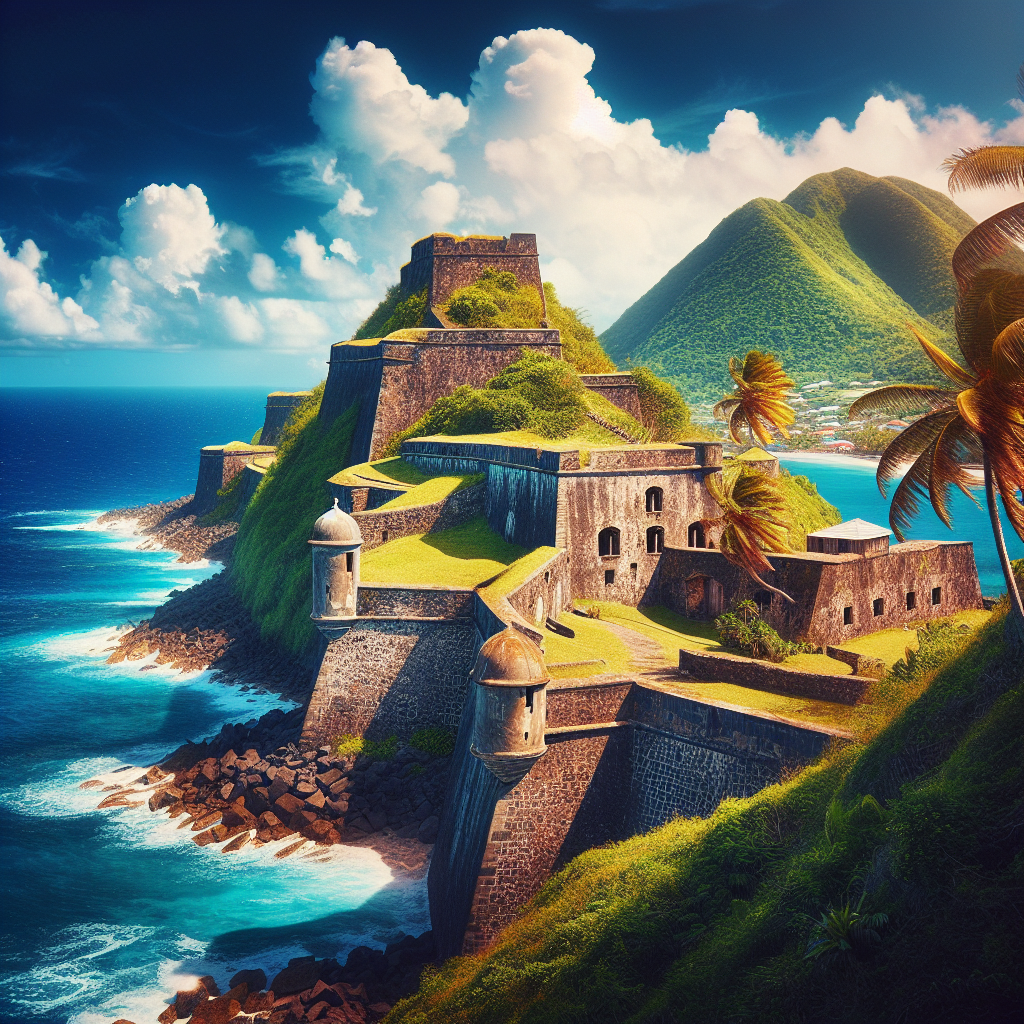
Saint Kitts, an island drenched in history and brimming with culture, is home to some of the Caribbean’s most impressive historical fortresses. Visiting these fortresses in March offers a perfect blend of pleasant weather, fewer crowds, and a plethora of historical tales to uncover. This guide dives into the most notable fortresses on the island, providing travel tips and historical context that will enhance your adventure.
Introduction
Nestled in the Caribbean’s heart, Saint Kitts captivates travelers with its lush landscapes, inviting beaches, and, significantly, its historical fortresses. The island, rich in colonial history, offers an ideal destination for those keen to explore the remnants of past eras. March, with its warm yet comfortable weather, serves as an exceptional time to dive into this part of the island’s heritage.
Historically, Saint Kitts played a pivotal role in colonization and trade routes due to its strategic location. The fortresses on the island were integral as defensive structures against invading forces and pirates. As you explore these fortresses, you not only walk through centuries-old structures but also immerse yourself in stories of battles, bravery, and the everyday lives of those who once lived and worked within these walls.
This article serves as your ultimate guide to discover and appreciate these historical fortresses, with practical travel tips to make your journey seamless and enriching. So, let’s embark on a historical expedition to the stunning fortresses of Saint Kitts.
Brimstone Hill Fortress National Park
The Brimstone Hill Fortress, often hailed as the “Gibraltar of the West Indies,” is a must-visit for anyone interested in military history and colonial architecture. Located on a commanding hill, this fortress offers stunning panoramic views of the surrounding landscape and the Caribbean Sea.
Constructed by the British using predominantly African slave labor, the fortress represents a significant period in Saint Kitts’ history. The design includes several bastions and barracks, which have been remarkably well-preserved. Walking through these structures, you’ll encounter countless artifacts and exhibits that provide insight into the daily workings of the fortress during its prime.
March is the perfect time to visit due to the pleasant weather, which makes the climb up the hill a more enjoyable experience. Be sure to wear comfortable walking shoes, bring water, and your camera as the views at the top are nothing short of spectacular.
Getting to Brimstone Hill Fortress is relatively straightforward. It’s a short drive from Basseterre, the capital of Saint Kitts. Renting a car is recommended for ease of travel, but you can also opt for guided tours offered locally which provide additional historical context as you explore.
Fort Charles
Situated near Sandy Point Town, Fort Charles offers a different perspective on the island’s military history. Although less extensive and famous than Brimstone Hill, Fort Charles holds its unique charm and historical significance.
Originally established by the British in the 17th century, Fort Charles was designed to protect the island’s western coast. Today, you can wander through its stone ruins, which include barracks and old battlements, imagining the soldiers who once stood guard against naval invasions.
March’s mild temperatures provide a comfortable setting for exploring the outdoors. The fort’s location near the coast also means you’re greeted with refreshing sea breezes, making it an ideal picnic spot. Visitors often bring lunch and enjoy a meal amidst the historical ruins.
Additionally, the nearby town of Sandy Point offers local dining options and a chance to interact with residents, enriching your travel experience with local flavor and hospitality. Driving to Fort Charles is quite easy, and public transportation options are also available from Basseterre.

Black Rocks
Beyond the well-known fortresses, Saint Kitts boasts other fascinating historical sites worth exploring, including Black Rocks. While not a fortress, this location offers a glimpse into the island’s geological and pre-colonial past.
Located on the northeastern coast, Black Rocks features rugged cliffs formed by centuries-old volcanic activity. This natural site provides insight into the forces that shaped Saint Kitts long before human settlement.
March offers an excellent time to visit Black Rocks due to the lower risk of rain, providing clear skies to appreciate the dramatic landscape. The surrounding area also has trails perfect for a leisurely hike, with plenty of opportunities for bird watching and photography.
While there, don’t miss the chance to learn about the local lore and legends associated with this intriguing site. Local guides often share stories passed down through generations, adding a mystical element to your visit.
Old Road Bay and the Fortress Ruins
Another noteworthy site is Old Road Bay, renowned for its ancient fortress ruins and historic significance as the island’s first English settlement. Founded in 1623, it holds remnants of fortifications that defended the earliest colonizers.
The ruins here, though not as well-preserved as the Brimstone Hill Fortress, offer a unique glimpse into early colonial life. Walking through the ruins, you’ll find pieces of the old fort walls and cannons, evoking images of the past conflicts and daily life in the colony.
March’s generally stable weather makes exploring the outdoor ruins a pleasant endeavor. Given its proximity to lush forests and scenic views of the bay, Old Road Bay is also perfect for nature lovers.
Accessing Old Road Bay is convenient, whether you’re driving yourself or taking a guided tour. The area’s serene atmosphere makes it an ideal spot to reflect on the island’s long and multifaceted history while enjoying the natural beauty surrounding the ruins.
Travel Tips
Traveling to these historical sites in Saint Kitts requires a bit of planning to ensure a smooth and enjoyable experience. Here are some essential tips to keep in mind:
- Weather Preparedness: March offers mild weather, but it’s always good to check the forecast before heading out. Wear light, breathable clothing and don’t forget sunscreen and a hat to protect yourself from the sun.
- Comfortable Footwear: Many historical sites require a fair amount of walking or climbing, so ensure you have sturdy and comfortable shoes.
- Local Tours: Engage with local tour guides for enriched historical narratives and easier navigation. These guides often have invaluable knowledge about lesser-known facts and site details.
- Stay Hydrated: Carry sufficient water, especially if you plan to spend a lot of time outdoors exploring the fortresses.
- Photography: The views from many of these historical sites are breathtaking, so bring a camera to capture the stunning landscapes and architectural features.
- Respect the Sites: Remember that these sites are historical treasures; treat them with respect by not littering and avoiding any damage to the structures.
Conclusion
Exploring the historical fortresses of Saint Kitts in March offers an unforgettable journey through time. From the towering Brimstone Hill Fortress to the coastal charm of Fort Charles, each site tells a unique story of resilience, colonization, and cultural exchange. The island’s inviting weather in March only enhances the experience, making it an ideal month for such explorations.
As you venture through these historical fortresses, you’ll gain a deeper appreciation for Saint Kitts’ rich heritage and the significant roles these structures played in shaping the island’s history. Whether you’re a history buff, a nature enthusiast, or simply a curious traveler, the fortresses of Saint Kitts promise a fulfilling and educative experience.
So pack your bags, put on your explorer’s hat, and set off on a historical adventure through Saint Kitts. You’ll leave with not just beautiful photographs but also a wealth of knowledge and a profound respect for the island’s storied past.