Promoting clean beaches and oceans in Saint Kitts is essential to the island’s environmental health, tourism economy, fisheries, and community well-being. Clean beaches are coastal areas free from litter, sewage contamination, excessive sargassum buildup, and habitat damage, while clean oceans refer to marine waters protected from plastic pollution, runoff, overuse, and destructive practices. In Saint Kitts, these ideas are not abstract sustainability goals; they shape daily life, public health, visitor perception, and the long-term resilience of coral reefs, mangroves, and seagrass beds. Having worked on coastal content and destination planning projects across Caribbean tourism markets, I have seen the same pattern repeatedly: when beach management is treated as a side issue, the costs show up quickly in lost visitor satisfaction, more erosion, stressed marine life, and expensive cleanup campaigns.
Saint Kitts depends heavily on the quality of its coast. Frigate Bay, South Friars Bay, Cockleshell Bay, Dieppe Bay, and the Southeast Peninsula are not only recreational spaces but also economic assets that support hotels, restaurants, taxi operators, tour guides, dive businesses, and local vendors. A single stretch of littered shoreline can influence online reviews, repeat visitation, and cruise passenger spending. At the same time, the island’s nearshore ecosystems provide natural protection. Coral reefs reduce wave energy, mangroves trap sediment, and seagrass meadows improve water clarity while serving as nursery habitat for fish, conch, and lobster. When pollution enters this system, it does not remain in one place. Plastic moves with currents, nutrients fuel algal growth, and sediment from inland construction can settle on reefs.
This hub article explains the full clean-coast agenda for Saint Kitts under sustainable tourism, bringing together the miscellaneous issues that often sit between conservation, public works, hospitality, and community action. It covers the main pollution sources, the role of tourism businesses, marine ecosystem protection, waste systems, policy enforcement, education, volunteer cleanups, blue economy opportunities, and practical actions for residents and visitors. The goal is straightforward: show how Saint Kitts can protect its beaches and oceans through coordinated, measurable steps that strengthen both nature and the visitor economy.
Main Threats to Beaches and Coastal Waters in Saint Kitts
The biggest threats to clean beaches and oceans in Saint Kitts come from land-based waste, stormwater runoff, marine debris, inadequate disposal practices, and habitat disturbance. Most coastal pollution in island states starts on land. Litter dropped in towns, at roadside drains, or near ghauts can be carried to the sea during heavy rain. Single-use plastics such as bottles, food containers, straws, and bags are especially persistent because they fragment into microplastics rather than disappearing. Fishing gear, beverage cans, cigarette butts, and foam packaging also commonly appear during beach audits across the Caribbean.
Runoff is another serious pressure. Sediment from cleared land, poorly managed construction sites, and unpaved surfaces can wash into bays after rainfall, reducing water clarity and smothering coral. Nutrient pollution from fertilizers or sewage leaks can encourage nuisance algae, which compete with reefs and degrade snorkeling conditions. In practice, these issues are visible long before formal testing begins. Water turns murkier, seaweed traps more floating litter, and visitors start asking whether a beach is safe for swimming. In destination management, perception matters, but in this case perception often reflects a real ecological decline.
Sargassum is a separate but related challenge. It is a naturally occurring brown seaweed, yet large influxes can overwhelm beaches, create odor problems as it decomposes, and complicate cleanup efforts when mixed with plastic and organic waste. Poorly planned removal can damage turtle nesting areas or scrape away sand. That is why Saint Kitts needs beach cleaning protocols that distinguish between marine debris removal, storm wrack management, and ecologically sensitive shoreline maintenance rather than relying on ad hoc bulldozing.
Why Clean Coasts Matter for Sustainable Tourism
Beach quality is one of the strongest drivers of tourism competitiveness in Saint Kitts. Travelers judge coastal destinations quickly based on water color, visible litter, odors, crowd management, and whether marine life appears healthy. For cruise visitors with limited time ashore, the condition of a single beach excursion can shape their entire view of the island. For stayover visitors, clean coastlines influence occupancy, length of stay, and willingness to recommend the destination. Hospitality operators understand this immediately because complaints about beach cleanliness often appear beside comments about service and value.
Clean oceans also support the experiences that diversify tourism beyond sun-and-sand marketing. Diving, snorkeling, kayaking, sailing, sport fishing, and turtle watching all depend on functioning marine ecosystems. A reef covered in sediment or algae is not only an ecological problem; it is a weaker tourism product. The same is true for waterfront dining and real estate. Views lose value when shorelines accumulate debris or when wastewater problems create health concerns. In my experience, destinations that protect marine quality perform better not only in conservation metrics but in average visitor spend because they can sustain premium experiences rather than competing on price alone.
There is also a risk management dimension. Healthy reefs, dunes, and mangroves reduce coastal vulnerability by buffering waves and stabilizing shorelines. That makes clean-ocean work part of climate adaptation. Saint Kitts cannot separate tourism strategy from coastal resilience because erosion, flooding, and storm recovery all affect public budgets and investor confidence. Protecting beach and ocean quality is therefore not a cosmetic effort. It is core destination infrastructure.
Priority Actions for Waste Reduction and Beach Management
Saint Kitts can make measurable progress by focusing on source reduction, collection systems, beach operations, and data. The most effective strategy is to stop waste before it reaches the coast. That means reducing single-use items in hotels, beach bars, events, marinas, schools, and retail outlets; improving the placement and servicing of bins in high-traffic areas; and designing public messaging around specific behaviors such as securing trash in vehicles, avoiding litter in drains, and packing out waste from remote beaches.
Operational beach management matters just as much. Regular manual cleaning is preferable in ecologically sensitive areas because heavy equipment can compact sand, disturb nests, and remove organic material that supports beach ecology. High-use tourism beaches may need zoned maintenance: daily litter removal, scheduled recycling pickup, and separate protocols for seaweed, green waste, and hazardous items. Audit data should be collected consistently. During coastal projects, I have found that simple categorization by material type, location, and likely source can quickly reveal whether the main problem is local littering, business waste leakage, illegal dumping, or marine transport debris.
| Priority Area | Recommended Action | Expected Benefit |
|---|---|---|
| Single-use plastics | Replace foam containers, plastic straws, and bottled water dependency with reusable or refill systems | Less shoreline litter and lower disposal volume |
| Public bins | Install covered bins at beaches, taxi stands, and event zones with reliable collection schedules | Reduced windblown waste and overflow |
| Stormwater drains | Screen key outfalls and clear drains before rainy periods | Less trash transported to bays |
| Beach cleaning | Use manual cleanup teams in turtle nesting and dune areas | Cleaner beaches with less habitat damage |
| Data tracking | Run monthly litter audits using standard categories | Better policy targeting and funding decisions |
Recycling can help, but islands should be realistic about market limitations. Export costs, contamination, and fluctuating commodity prices can weaken programs. The stronger approach is waste prevention first, then separation of high-value materials where a reliable end market exists. Glass reuse, refillable water stations, and supplier take-back schemes are often more practical than trying to recycle everything.
Protecting Marine Ecosystems That Keep Water Clean
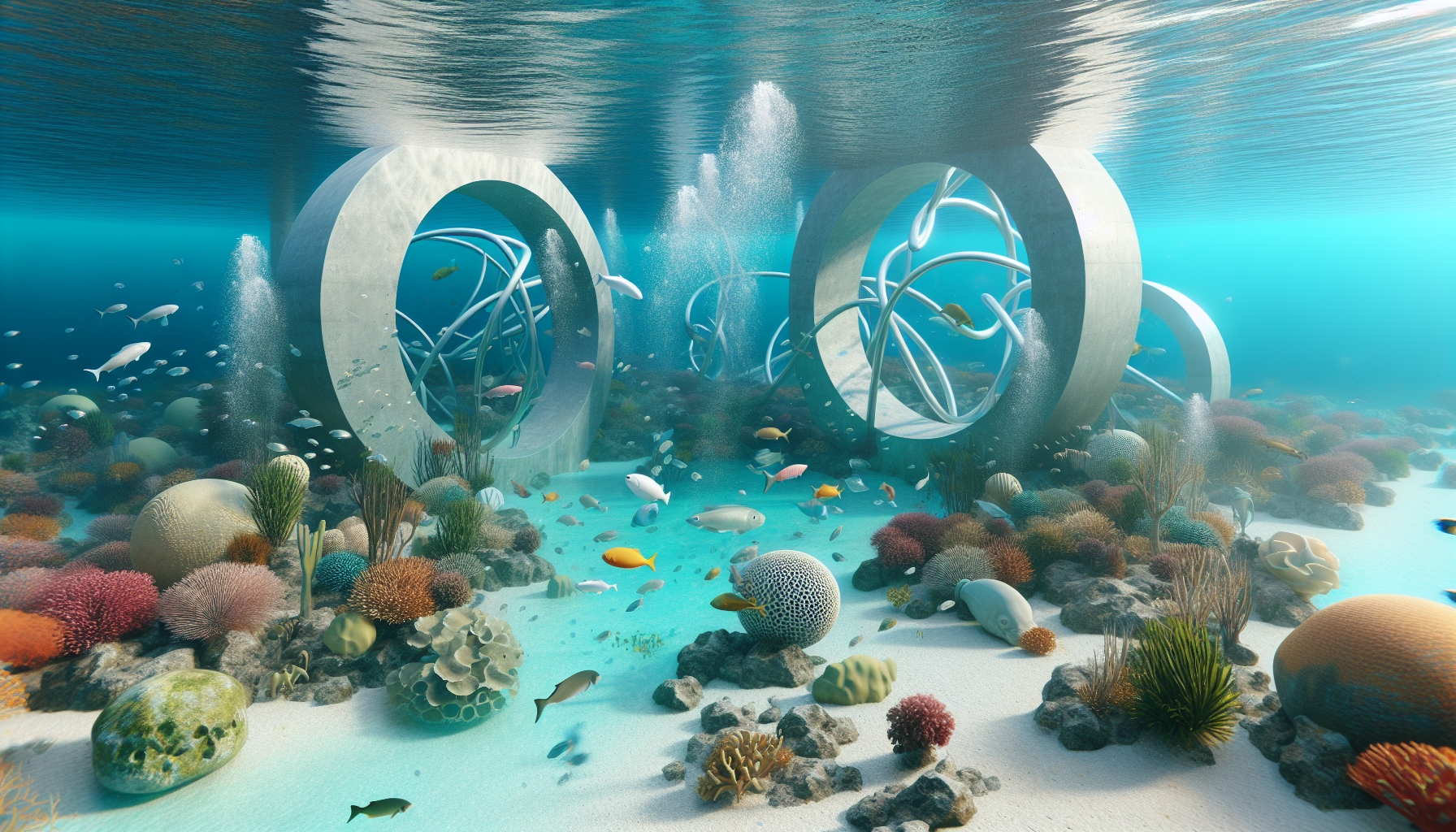
Clean beaches depend on healthy marine ecosystems. Coral reefs, seagrass meadows, and mangroves act as living infrastructure that improves water quality and shoreline stability. Reefs break wave energy and support biodiversity that underpins dive tourism. Seagrass slows sediment, stores carbon, and provides feeding grounds for turtles. Mangroves capture runoff and create nursery habitat for juvenile fish. When these habitats are damaged by anchoring, dredging, trampling, sedimentation, or pollution, the coastline becomes more vulnerable and the water often becomes less clear.
Saint Kitts benefits from stronger marine management when it uses zoning and enforcement together. Mooring buoys reduce anchor damage in dive and snorkel sites. Setback rules and erosion controls on coastal development reduce sediment runoff. Wastewater treatment and septic maintenance are critical because untreated or poorly treated effluent can raise bacterial levels and feed algal growth. Protected areas must also be supported by compliance. A marine reserve on paper does not prevent illegal dumping or destructive use unless agencies have patrol capacity, community support, and clear penalties.
Wildlife protection is part of this same system. Sea turtles are vulnerable to plastic ingestion, lighting disturbance, and beach obstructions. Shorebirds depend on undisturbed foraging areas. Fish populations decline when nursery habitats are degraded. The tourism value of marine life is substantial, but the ecological value comes first. Once a reef system shifts from coral dominance to algae dominance, recovery is slow, expensive, and uncertain. Prevention is far cheaper than restoration.
The Role of Hotels, Tour Operators, and Local Communities
Tourism businesses can either reduce coastal pressure or amplify it. Hotels influence procurement, waste generation, wastewater management, beachfront maintenance, and guest behavior. Tour operators shape how visitors interact with reefs, wildlife, and remote beaches. Restaurants and bars can cut litter by replacing disposable service ware, securing storage areas against wind, and participating in take-back programs with suppliers. Dive operators can brief guests on reef-safe practices, maintain moorings, and report damage or illegal activity. These are not symbolic steps; they directly affect the condition of the coast.
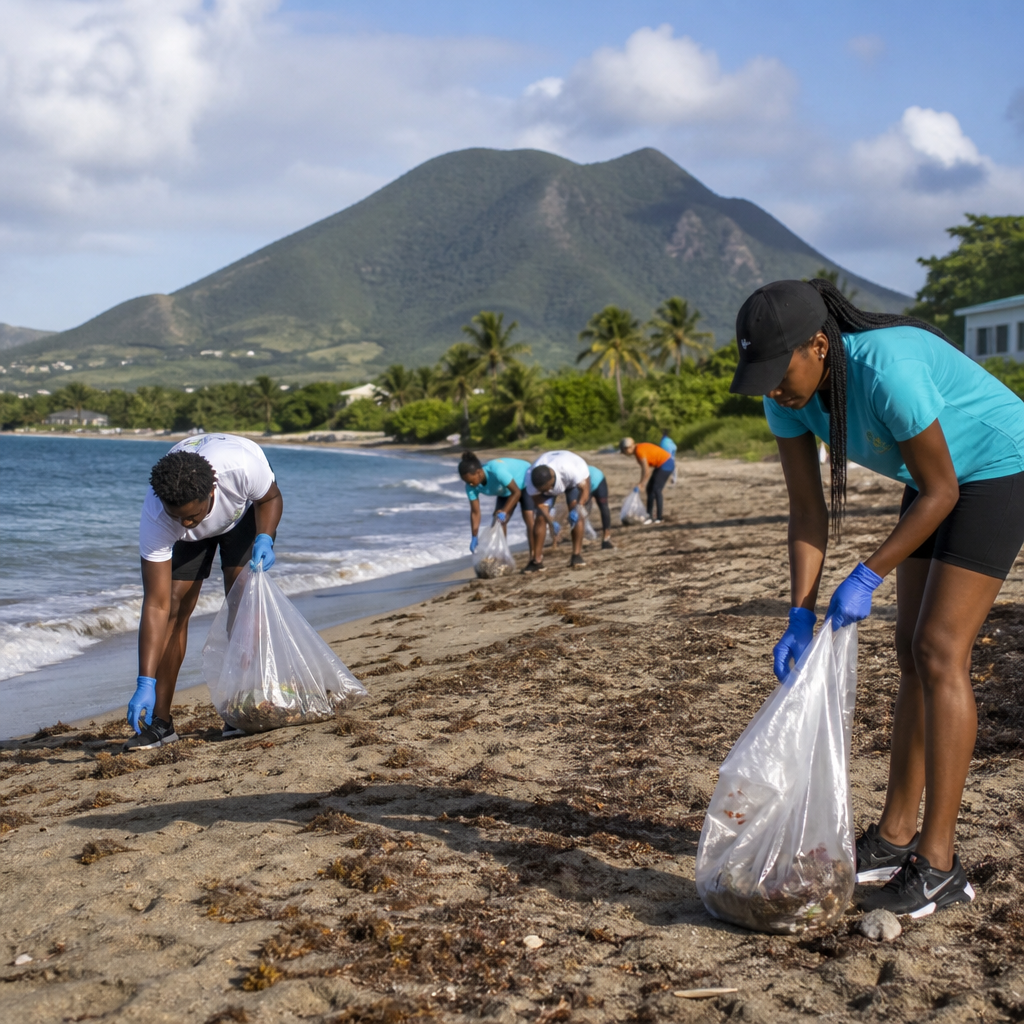
Community involvement is equally important because the clean-coast agenda cannot be outsourced to government or resorts. Schools, fishers, churches, youth groups, and neighborhood associations all influence coastal norms. Well-run cleanup events build visibility, but the most successful programs go beyond one-day collections. They connect volunteer actions to education, source identification, and policy follow-up. If a cleanup repeatedly finds the same branded packaging or dumping pattern, the next step should be enforcement or business engagement, not just another photo opportunity.
Local knowledge often identifies issues faster than formal systems. Fishers notice ghost gear, illegal disposal, and changes in water clarity. Vendors know where bins overflow after weekends. Taxi drivers hear visitor complaints in real time. Municipal agencies and tourism boards should use this intelligence through hotlines, reporting apps, or structured stakeholder meetings. Clean beaches and oceans in Saint Kitts will be maintained most effectively when residents feel ownership and when businesses are expected to meet visible standards.
Policy, Enforcement, Education, and Long-Term Monitoring
Lasting improvement requires rules, funding, and measurement. Public education alone does not stop marine pollution if disposal systems are weak and penalties are rarely applied. Saint Kitts needs coordinated enforcement covering littering, illegal dumping, wastewater violations, unpermitted coastal clearing, and harmful beach-cleaning practices. Standards should be clear for hotels, vendors, marine operators, event organizers, and construction firms. Certification programs can encourage compliance, but baseline regulation must still exist.
Monitoring should combine beach cleanliness indicators, water quality testing, habitat condition, and tourism feedback. Useful metrics include litter density by item type, bacterial counts at bathing beaches, reef health surveys, seagrass coverage, and the number of pollution incidents reported and resolved. Recognized methods such as the Blue Flag framework, coastal water sampling protocols, and citizen science debris tracking can help standardize results. What matters is consistency. Data should be published regularly so communities and investors can see trends rather than relying on anecdote.
Education works best when it is place-specific. Visitors should receive simple guidance at arrival points, accommodations, and excursion briefings: do not litter, avoid stepping on coral, use reef-safer sunscreen where possible, respect turtle nesting areas, and leave beaches with what you brought. Residents need targeted communication tied to local infrastructure, school programs, and seasonal issues such as rainy-season runoff or sargassum arrivals. When messages are linked to visible improvements, public trust grows.
Promoting clean beaches and oceans in Saint Kitts is ultimately about managing the entire coastal system, not just removing litter after it appears. The island’s strongest path combines prevention, practical operations, habitat protection, business accountability, and credible enforcement. Cleaner beaches improve visitor satisfaction, but the deeper benefit is resilience: healthier reefs, safer swimming waters, stronger fisheries, and communities that take pride in the coast that supports them. As this sustainable tourism hub expands into detailed subtopics, the central principle should remain clear. Every hotel, household, school, operator, and public agency has a role in keeping Saint Kitts clean from watershed to shoreline to reef. Start with one measurable action now, then build a coastwide standard that lasts.
Frequently Asked Questions
Why are clean beaches and oceans so important in Saint Kitts?
Clean beaches and oceans are vital in Saint Kitts because they directly affect the island’s environment, economy, health, and quality of life. Beaches are not just scenic places for leisure; they are part of a connected coastal system that supports tourism, fisheries, marine biodiversity, and community identity. When shorelines are free from litter, sewage contamination, and habitat damage, they remain safer for swimming, boating, and family activities. At the same time, clean marine waters help protect coral reefs, seagrass beds, and fish populations that many residents and businesses depend on.
For Saint Kitts, this issue is especially important because tourism is closely tied to the condition of the coast. Visitors expect clear water, attractive beaches, and healthy marine ecosystems. If pollution, uncontrolled waste, or visible environmental decline becomes common, it can affect the island’s reputation and reduce tourism-related income for hotels, restaurants, tour operators, transport providers, and small vendors. In that sense, beach and ocean cleanliness is not only an environmental concern but also an economic priority.
There is also a strong public health dimension. Polluted coastal water can carry bacteria, chemicals, and other contaminants that create risks for swimmers and nearby communities. Plastic waste and marine debris can injure wildlife, clog drainage systems, and contribute to flooding and unsanitary conditions. Maintaining clean beaches and oceans in Saint Kitts helps create healthier public spaces, strengthens resilience, and supports long-term sustainability for both residents and future generations.
What are the biggest threats to beach and ocean cleanliness in Saint Kitts?
Several major pressures can undermine clean beaches and oceans in Saint Kitts, and many of them are interconnected. One of the most visible threats is litter, especially single-use plastics such as bottles, food containers, bags, and packaging. These items often enter the environment through improper disposal, overflowing bins, illegal dumping, storm runoff, or waste carried by wind and sea currents. Once plastics reach the coast or ocean, they can persist for years, break down into smaller fragments, and harm marine life through ingestion or entanglement.
Another serious issue is land-based pollution. Runoff from roads, construction sites, households, and other developed areas can wash sediment, oils, chemicals, and waste into coastal waters after rainfall. This can reduce water quality and place stress on coral reefs and seagrass habitats. Sewage contamination, where present, is also a major concern because it can introduce pathogens and nutrients into the marine environment, making some coastal areas less safe for recreation and more vulnerable to ecological imbalance.
Natural and climate-related challenges can add to the problem. Excessive sargassum buildup, for example, can affect beach access, create odor issues as it decomposes, and put pressure on cleanup systems if not managed properly. Strong storms and changing weather patterns may also move debris onto shorelines or damage coastal habitats that normally help stabilize beaches. In addition, destructive or careless human practices, such as damaging reefs, anchoring in sensitive areas, or overusing fragile coastal spaces without proper management, can weaken the very ecosystems that help keep beaches and oceans healthy. Addressing these threats in Saint Kitts requires both public participation and coordinated planning across waste management, environmental protection, tourism, and community development.
How do clean beaches and oceans support tourism and local livelihoods in Saint Kitts?
Clean beaches and oceans are central to the visitor experience in Saint Kitts, which means they also play a major role in supporting local livelihoods. Much of the island’s tourism appeal comes from its natural beauty, including sandy shorelines, swimmable waters, snorkeling and diving areas, and coastal scenery. When these areas are well maintained and visibly clean, they attract visitors who are more likely to spend money on accommodations, excursions, dining, shopping, and transportation. That spending supports jobs across a wide range of sectors, not just in large resorts but also in family-run businesses and independent services.
The connection between environmental quality and economic opportunity is especially clear in marine recreation. Boat charters, beach bars, water sports providers, fishers, and tour guides all benefit from healthy coastal conditions. Clear water and thriving marine habitats make activities like snorkeling, diving, swimming, and recreational boating more enjoyable and marketable. If beaches become littered, polluted, or degraded, the visitor experience suffers and businesses may face cancellations, lower ratings, and reduced repeat travel. In a competitive tourism market, maintaining clean beaches is part of maintaining destination credibility.
Local livelihoods tied to fisheries also benefit from cleaner oceans. Marine pollution can damage breeding grounds, reduce fish stocks, and upset food webs that are important to nearshore ecosystems. By protecting water quality and coastal habitats, Saint Kitts helps sustain the natural systems that support fishing communities and seafood supply. In practical terms, clean beaches and oceans strengthen income opportunities, preserve national appeal, and help ensure that economic benefits from the coast can continue over the long term rather than being undermined by preventable environmental decline.
What can residents, businesses, and visitors do to help keep Saint Kitts’ beaches and oceans clean?
Protecting the coast in Saint Kitts requires shared responsibility, and there are many practical actions that residents, businesses, and visitors can take. For individuals, the most important habits are simple but effective: dispose of waste properly, reduce the use of single-use plastics, never leave trash on the beach, and secure garbage so it does not blow or wash away. Participating in community cleanups, reporting illegal dumping, and being mindful of what goes into drains and waterways can also make a measurable difference. Small daily choices matter because much marine pollution starts on land.
Businesses, especially those linked to tourism, food service, transport, and coastal recreation, can have a major positive impact by adopting stronger environmental practices. This may include reducing disposable packaging, improving waste sorting and collection, training staff on pollution prevention, and encouraging customers to use refillable bottles or reusable containers. Hotels, restaurants, marinas, and tour operators can also support beach stewardship through cleanup partnerships, guest education, and responsible coastal operations that minimize damage to reefs, dunes, and nearshore habitats.
Visitors play an important role as well. Choosing eco-conscious businesses, following local guidance, avoiding littering, and respecting sensitive marine areas all help preserve the island’s natural assets. People should avoid disturbing wildlife, walking on coral, or leaving behind fishing line, cigarette butts, or food waste. The broader point is that clean beaches and oceans do not depend only on government action; they depend on a culture of care. When communities, tourists, and businesses all treat the coastline as a shared resource worth protecting, Saint Kitts is in a much stronger position to keep its shores beautiful, safe, and resilient.
What long-term strategies can help Saint Kitts protect its beaches and marine environment?
Long-term protection in Saint Kitts depends on combining strong policy, reliable infrastructure, public education, and ecosystem-based management. One essential strategy is improving waste management systems so litter and other debris are less likely to enter the environment in the first place. This includes better collection, disposal, recycling where available, and enforcement against illegal dumping. Reducing plastic waste at the source through public policy, business cooperation, and consumer awareness can also help prevent recurring pollution rather than relying only on cleanup after damage is already visible.
Water quality protection is another major priority. Investments in sanitation, drainage management, and runoff control can significantly reduce contamination reaching beaches and nearshore waters. Protecting wetlands, mangroves, dunes, seagrass beds, and coral reefs is equally important because these natural systems act as buffers, filters, and habitat foundations. Healthy ecosystems help stabilize coastlines, support marine life, and improve resilience against storms and other environmental pressures. Where development occurs, careful planning is needed to avoid unnecessary erosion, habitat loss, and pollution risk.
Education and community engagement are critical for lasting success. Public campaigns, school programs, volunteer cleanups, and visible stewardship efforts can build a stronger national culture of environmental responsibility. Monitoring and enforcement also matter: regular beach assessments, water testing, and coastal management planning can help identify problems early and guide better decision-making. Ultimately, the most effective path for Saint Kitts is one that treats clean beaches and oceans as essential national infrastructure. By linking environmental protection with tourism strength, fisheries security, public health, and civic pride, the island can create durable systems that protect its coastline well into the future.