Outdoor fitness activities in Saint Kitts combine consistent warm weather, varied terrain, and Caribbean scenery into a practical way to build strength, endurance, and overall health. For residents, students, seasonal visitors, and cruise passengers with extra time ashore, the island offers much more than beach lounging. It supports walking, hiking, swimming, paddle sports, outdoor yoga, trail running, and bodyweight training in settings that make exercise feel less like a chore and more like part of daily life.
Saint Kitts, the larger island in the Federation of Saint Kitts and Nevis, is small enough to explore yet diverse enough to keep training interesting. Coastal roads, volcanic hills, rainforest trails, hotel beaches, public green spaces, and calm bays all create different workout environments. When people search for outdoor fitness activities in Saint Kitts, they usually want clear answers to practical questions: what can you do, where can you do it, how hard is it, what gear is needed, and how do you stay safe in tropical conditions. Those are the right questions, because effective outdoor exercise depends on matching the activity to the climate, terrain, and your current fitness level.
In my experience planning wellness content and evaluating active travel options across Caribbean destinations, Saint Kitts stands out because it supports both casual movement and structured training. A beginner can walk the Frigate Bay area at sunrise, a stronger hiker can climb Mount Liamuiga with a guide, and a swimmer can use sheltered water for low-impact conditioning. That range matters. A good fitness destination is not defined by extreme adventure alone; it is defined by how many people can participate safely and consistently.
Outdoor training in nature also carries proven benefits beyond calorie burn. Research on green exercise has linked natural settings with lower perceived exertion, improved mood, and better adherence compared with indoor-only routines. In plain terms, people often keep going longer when the environment is enjoyable. Saint Kitts gives that advantage naturally. Sea views can make a long walk feel shorter. Shade from coastal trees can make mobility work more comfortable. Hills and trails create resistance without machines. Water adds impact-free conditioning that many older adults and recovering exercisers appreciate.
As a hub article for miscellaneous outdoor wellness options, this guide covers the full landscape rather than one narrow activity. It explains the best outdoor fitness activities in Saint Kitts, who each activity suits, what locations work well, and how to combine them into a realistic routine. If you want a single starting point for getting fit in nature on the island, this is it.
Walking, jogging, and coastal cardio routes
Walking is the most accessible outdoor fitness activity in Saint Kitts, and it is often the smartest place to begin. You need little equipment, the injury risk is relatively low, and the island’s scenery makes consistency easier. Frigate Bay is one of the simplest areas for steady walking or light jogging because it offers beach access, resort corridors, and road sections where many visitors already move early in the day. South Friars Bay and the Southeast Peninsula also provide long, open stretches that work well for brisk walks, interval sessions, and easy recovery runs.
The best strategy in Saint Kitts is to train early, usually between sunrise and mid-morning, when humidity feels more manageable and traffic is lighter. A 30 to 45 minute brisk walk on rolling coastal roads can raise heart rate enough to improve cardiovascular fitness, especially for beginners. More advanced exercisers can use the same terrain for hill repeats or fartlek training by alternating hard efforts on inclines with easier recovery on flatter sections. Because the island’s roads naturally rise and fall, you can create progression without formal track access.
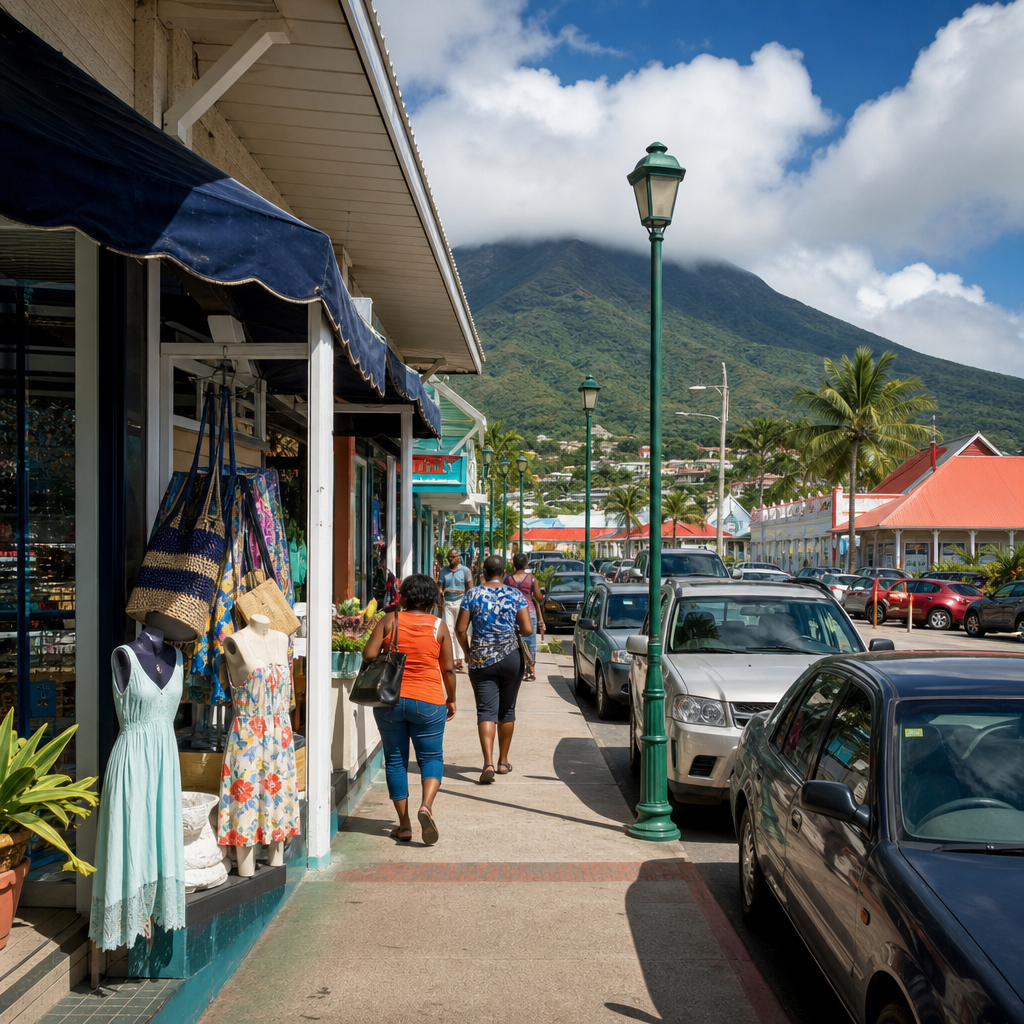
Basseterre can also support active walking, especially for travelers who want a shorter urban route near hotels, the port, and historic sites. The key is route selection and timing. Early morning sessions reduce heat exposure and make sidewalks and roadside areas easier to navigate. Supportive shoes matter more than people expect, because uneven surfaces and heat-softened pavement can increase foot fatigue. If you are linking this hub to island-specific walking guides, route maps, or beginner cardio plans, this section functions as the logical starting point.
Hiking trails and volcanic terrain for full-body conditioning
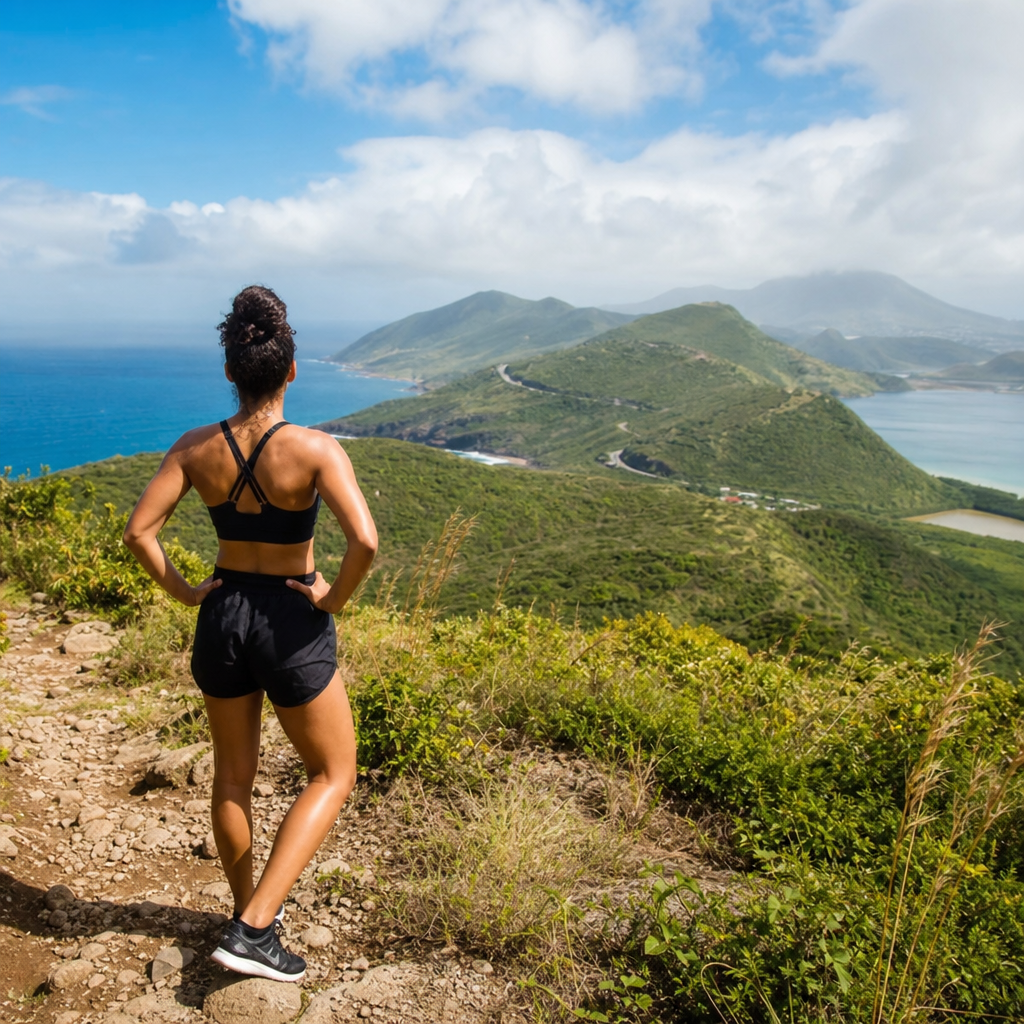
Hiking is one of the most rewarding ways to get fit in nature on Saint Kitts because it blends aerobic work, lower-body strength, balance, and mental focus. The signature challenge is Mount Liamuiga, a dormant stratovolcano rising more than 3,700 feet above sea level. Reaching the summit is not a casual stroll. It typically requires a guided outing, good footwear, water, and comfort with steep, muddy, root-covered terrain. But for fit hikers, it is one of the island’s premier workouts, combining sustained elevation gain with technical footing and dense rainforest conditions.
What makes hiking especially effective here is the constant need to stabilize. On treadmills and flat roads, movement is repetitive. On natural trails, each step changes. Your calves, glutes, hips, and core work continuously to adapt to rocks, roots, inclines, and slick patches. That creates functional conditioning useful for everyday movement. Even shorter rainforest hikes can produce meaningful training effects, particularly for people who are not ready for long summit efforts. A guided trail outing of two to three hours can serve as both a sightseeing excursion and a legitimate endurance session.
Guides are more than a tourism add-on on Saint Kitts. They help with route finding, pace control, local weather judgment, and hazard awareness. Tropical trails can become slippery fast after rain, and cloud cover near higher elevations can reduce visibility. A guided approach is the safest choice for Mount Liamuiga and many interior routes. Trekking poles help some hikers, but grippy shoes are essential. I strongly advise carrying more water than you think you need, because humid climbing can accelerate fluid loss even when temperatures seem moderate under tree cover.
Beach workouts, swimming, and water-based exercise
Saint Kitts is ideal for mixing land training with water-based exercise. Beaches such as Cockleshell Bay, South Friars Bay, and other calmer coastal areas allow you to combine walking, sand drills, swimming, and mobility work in one session. Sand increases muscular demand because the surface shifts underfoot, forcing the ankles, calves, and hips to stabilize. That makes short bouts of beach walking, lunges, or bodyweight squats more challenging than they appear. The tradeoff is reduced speed and greater strain on the lower legs, so volume should stay moderate, especially for beginners.
Swimming is one of the best low-impact outdoor fitness activities in Saint Kitts for people managing joint stress, heat sensitivity, or return-to-exercise goals. Even easy open-water swimming in a sheltered bay can improve aerobic capacity and breathing control. Safety comes first: swimmers should choose calm conditions, avoid isolated areas, watch for currents, and use a buddy system whenever possible. Hotel beachfronts and known recreational beaches are usually better than remote stretches because access, visibility, and nearby help are improved.
Stand-up paddleboarding and kayaking add another dimension. They look leisurely from shore, but both can provide meaningful core, shoulder, and upper-back work when practiced consistently. Paddleboarding also develops balance and postural endurance. For travelers or locals who dislike repetitive gym sessions, alternating a 20 minute coastal walk with 30 minutes of paddling is a realistic full-body workout. Snorkeling can contribute too, particularly as light-to-moderate activity, though it should not be mistaken for a hard conditioning session unless distance and duration are intentionally structured.
Strength training outdoors without a gym
You do not need a commercial gym to build strength on Saint Kitts. Outdoor bodyweight training works well on beaches, hotel lawns, quiet park spaces, and flat roadside pull-off areas with enough room for safe movement. The key is structure. Too many people treat outdoor exercise as random activity, but results come from progression. A simple circuit of squats, split squats, incline push-ups, standard push-ups, planks, glute bridges, and walking lunges can train every major movement pattern. Add tempo control, extra rounds, or hill sprints, and the difficulty rises quickly.
Because heat changes effort perception, outdoor strength sessions on the island should usually be shorter and denser than indoor workouts. Twenty-five to thirty-five focused minutes can be enough. I prefer pairing strength and cardio in stations: for example, 15 squats, 10 push-ups, 20 walking lunges, a 30 second plank, then a two minute brisk walk or light jog, repeated for four to six rounds. That format keeps heart rate elevated while preserving muscular work. Resistance bands are also worth packing. They are light, inexpensive, and useful for rows, presses, lateral walks, and shoulder activation.
| Activity | Best Area | Fitness Benefit | Who It Suits |
|---|---|---|---|
| Brisk walking | Frigate Bay, Southeast Peninsula | Cardiovascular endurance, recovery | Beginners, older adults, daily exercisers |
| Trail hiking | Mount Liamuiga, rainforest routes | Leg strength, stamina, balance | Intermediate to advanced hikers |
| Beach circuits | South Friars Bay, Cockleshell Bay | Strength endurance, coordination | Most levels with volume adjusted |
| Swimming or paddling | Sheltered bays and hotel beaches | Low-impact cardio, core engagement | Joint-sensitive exercisers, cross-trainers |
Outdoor yoga and mobility sessions deserve mention here because they support recovery, posture, and stress management. Sunrise stretching on a beach or lawn is not just aesthetically pleasing; it can improve hip mobility, thoracic rotation, and breathing mechanics before harder training. Saint Kitts is well suited to this kind of practice because the climate reduces the need for long warm-ups. Still, direct sun can quickly make floor-based sessions uncomfortable, so shaded areas or early starts are best.
Safety, weather, and how to build a realistic routine
The main challenge with outdoor fitness in Saint Kitts is not lack of options; it is managing heat, sun, hydration, and terrain. Tropical conditions can push heart rate higher than expected, and people who arrive from cooler climates often underestimate how quickly they fatigue. The practical rule is simple: start easier than you think you need to. Use the first few sessions to assess sweat rate, thirst, and recovery. Water alone may be enough for short easy sessions, but longer hikes or hard workouts benefit from electrolytes, particularly if you are sweating heavily.
Sun protection is part of performance, not just comfort. A cap, sunglasses, and broad-spectrum sunscreen help prevent dehydration and heat stress by reducing direct exposure. Lightweight, moisture-wicking clothing is better than heavy cotton, which stays wet and increases discomfort. Shoes should match the activity. Road shoes work for pavement walks, but muddy volcanic trails need deeper tread. For beach training, barefoot movement can be useful in small doses, yet sharp shells, hot sand, and calf overload make gradual progression important.
A realistic weekly routine in Saint Kitts can be simple. Three cardio days, two strength days, and one mobility-focused day is enough for many people. One week might include a brisk coastal walk on Monday, a beach circuit on Tuesday, recovery stretching on Wednesday, a hill walk or jog on Thursday, paddling or swimming on Friday, a guided hike on Saturday, and easy walking on Sunday. That plan uses the island’s natural assets without overcomplicating training. The biggest benefit is sustainability: movement becomes tied to enjoyable places, which increases the chance that healthy habits continue long after the trip ends.
Outdoor fitness activities in Saint Kitts offer a rare combination of accessibility, variety, and natural motivation. You can start with a sunrise walk, progress to beach strength sessions, challenge yourself on rainforest trails, and recover in calm coastal water. The island supports beginners who need gentle movement and experienced exercisers who want demanding terrain. That breadth is what makes Saint Kitts such a strong health and wellness destination.
The most effective approach is to choose activities that fit your current ability, respect the climate, and build consistency before intensity. Walk early, hydrate well, use guided hikes for unfamiliar routes, and treat beaches and bays as training spaces rather than scenery alone. If you are building a broader wellness plan, use this hub as your starting point, then explore more detailed guides on hiking, walking routes, water sports, recovery practices, and seasonal fitness tips across Saint Kitts.
Getting fit in nature is easier when the environment encourages you to return tomorrow. Saint Kitts does exactly that. Pick one outdoor activity this week, schedule it at sunrise, and let the island do part of the work.
Frequently Asked Questions
What are the best outdoor fitness activities to try in Saint Kitts?
Saint Kitts offers a wide mix of outdoor fitness activities, which is one of the main reasons exercising on the island feels both practical and enjoyable. Walking is one of the most accessible options, especially for beginners, cruise passengers, or anyone easing into a more active routine. Coastal walks, resort-area pathways, and local roads with scenic views make it easy to get light to moderate cardio without needing special equipment. For those who want a greater challenge, hiking is one of the standout activities on the island. Trails with elevation changes help build leg strength, endurance, balance, and cardiovascular fitness, while also rewarding you with panoramic views of the Caribbean landscape.
Swimming is another excellent choice because it provides low-impact, full-body exercise in a naturally beautiful setting. It improves endurance, works major muscle groups, and can be adapted to different fitness levels. Paddle sports such as kayaking and stand-up paddleboarding are also popular because they train the core, shoulders, back, and balance while allowing you to spend time on the water. If you prefer structured movement with a recovery component, outdoor yoga is a strong fit. Practicing yoga near the beach or in open-air environments can improve flexibility, mobility, breathing, posture, and mental focus. More experienced exercisers may also enjoy trail running, which combines cardio conditioning with agility and lower-body strength, especially on uneven terrain. In addition, bodyweight workouts at beaches, parks, and open spaces can be highly effective for building strength using movements such as squats, lunges, push-ups, planks, and step-ups. The best activity depends on your goals, but the island makes it easy to combine several for a balanced fitness routine.
Is Saint Kitts suitable for beginners who want to exercise outdoors?
Yes, Saint Kitts can be very suitable for beginners, especially because outdoor activity on the island does not have to start at an intense level. One of the biggest advantages is the variety of terrain and settings available. A beginner does not need to immediately take on steep hikes or demanding trail runs to benefit from exercising outside. Simple walking routes, relaxed swims, short beach workouts, and beginner-friendly yoga sessions can all provide meaningful health benefits while helping build confidence and consistency. Because the environment is naturally motivating, many people find it easier to stay active when the workout includes ocean views, fresh air, and greenery instead of a traditional indoor gym setting.
That said, beginners should approach outdoor fitness in Saint Kitts with a little planning. The warm climate is helpful for year-round activity, but it also means heat and humidity can make exercise feel harder than expected. Starting early in the morning or later in the afternoon is often the smartest approach. It is also important to begin with shorter sessions, stay well hydrated, and wear breathable clothing and supportive footwear. If you are trying hiking or trail walking for the first time, choose a route that matches your fitness level instead of assuming every trail will feel easy. The same principle applies to swimming and paddle sports, where water conditions and stamina levels should be taken into account. Overall, Saint Kitts is a very welcoming destination for beginners as long as you choose activities thoughtfully and progress at a manageable pace.
How can I stay safe while doing outdoor fitness activities in Saint Kitts?
Safety starts with understanding that outdoor exercise in Saint Kitts takes place in a tropical environment. The island’s warm weather is appealing, but sun exposure, heat, and humidity can increase fatigue and dehydration if you are not careful. Drinking water before, during, and after your activity is essential, even for moderate exercise like walking or yoga. Sunscreen, a hat, sunglasses, and lightweight moisture-wicking clothing can make a major difference in comfort and protection. Timing matters as well. Many people find that the safest and most comfortable periods for exercise are in the early morning and late afternoon, when temperatures are generally less intense than around midday.
Terrain is another important factor. Beaches, hills, trails, and coastal areas can all be excellent for fitness, but they require awareness. Uneven ground, loose stones, wet surfaces, and changes in elevation can increase the risk of slips or strains, particularly for hikers and trail runners. Wearing activity-appropriate shoes is one of the simplest ways to reduce that risk. If you are swimming or doing paddle sports, pay attention to local water conditions and avoid going out alone if you are unfamiliar with the area. It is also wise to let someone know your plans if you are heading onto a trail or into a less populated area. Listening to your body is equally important. If you feel dizzy, overheated, unusually short of breath, or weak, stop and recover rather than pushing through. With sensible precautions, outdoor fitness in Saint Kitts can be both safe and deeply rewarding.
Can visitors and cruise passengers realistically fit outdoor exercise into a short stay in Saint Kitts?
Absolutely. One of the strengths of outdoor fitness in Saint Kitts is that it does not require a long itinerary or a complicated schedule. Visitors with only a few hours ashore can still enjoy meaningful physical activity without committing to a full-day excursion. A brisk waterfront walk, a short beach bodyweight circuit, a swim, or a beginner paddle session can all deliver real fitness benefits while allowing you to experience the island beyond the usual sightseeing routine. Even a 30- to 60-minute session can improve circulation, boost energy, reduce stress, and create a stronger sense of connection to the destination.
For cruise passengers in particular, outdoor workouts can be a smart way to make limited time feel more memorable and productive. Instead of viewing exercise as something that interrupts travel, many people discover that it enhances the experience. A scenic walk or light run can help you see more of the local environment, while swimming or yoga can provide a refreshing break from the busier pace of port activities. The key is choosing something that matches your available time, transportation access, and fitness level. There is no need to overcomplicate it. Short, well-planned outdoor activity sessions can be surprisingly effective, especially when combined with the motivating setting of Saint Kitts. For travelers who value wellness, fitting in movement onshore is not only realistic but often one of the most satisfying parts of the visit.
What should I bring for outdoor fitness activities in Saint Kitts?
The right gear depends on the activity, but a few essentials apply across almost all outdoor workouts on the island. Water is the top priority. In a warm Caribbean climate, hydration should never be an afterthought. A reusable water bottle or hydration pack is especially helpful for hikes, longer walks, and trail runs. Sunscreen is also a must, along with a hat and sunglasses for sun protection. Breathable athletic clothing can make exercise far more comfortable, and supportive footwear is important for walking, hiking, and any training on uneven ground. If you plan to do a beach workout or yoga session, a towel or mat can be useful, though some people simply adapt to the sand or grass depending on conditions.
If your plans include swimming or paddle sports, bring appropriate swimwear, a rash guard if you prefer extra sun protection, and a dry bag for personal items. It can also be smart to carry a small snack if you are doing a longer activity, particularly one involving hills or sustained exertion. A lightweight backpack is often enough to keep everything organized without becoming cumbersome. Some people also like to bring a phone armband or fitness watch to track time, distance, or heart rate, but these are optional rather than essential. The main goal is to be prepared for the climate and the terrain so that your workout stays enjoyable. In Saint Kitts, packing thoughtfully allows you to focus less on discomfort and more on taking advantage of the island’s natural setting as a place to build strength, endurance, and overall well-being.