Stress management in Nevis blends evidence-based wellness practices with the island’s slower rhythm, natural environment, and community-centered lifestyle, creating a practical model for reducing chronic stress in daily life. Stress management means identifying physical, emotional, and behavioral signs of strain, then using deliberate techniques to regulate the nervous system, restore energy, and improve resilience. In Nevis, that often includes movement, time outdoors, restorative food, social connection, spiritual reflection, and structured relaxation. I have worked with travelers, remote professionals, and wellness-focused families who arrived carrying sleep disruption, muscle tension, irritability, and digital fatigue, then improved markedly when they adopted consistent routines shaped by the island’s pace. This matters because unmanaged stress is not a minor inconvenience. It is associated with elevated cortisol, poor sleep quality, higher blood pressure, impaired concentration, digestive discomfort, weakened immunity, and increased risk of anxiety and depression. A strong stress management plan does not eliminate pressure, but it changes how the body and mind respond. That is why this article serves as a hub for miscellaneous wellness techniques from Nevis: it connects practical methods, explains how they work, and helps readers choose approaches that fit real schedules, budgets, and health needs.
Why Nevis Supports Stress Relief So Effectively
Nevis is small, green, and unhurried, and those characteristics matter more than many people realize. The island’s environment reduces common urban stressors such as noise density, aggressive commuting, continuous advertising, and constant schedule compression. When clients ask why they sleep better on Nevis, the answer is rarely one thing. It is the combination of lower sensory overload, more daylight exposure, regular sea breezes, easier access to walking routes, and a cultural expectation that not every moment must be optimized for output. Research on stress physiology consistently shows that time in natural settings can lower perceived stress and support parasympathetic activity. On Nevis, nature is not a special event; it is the backdrop of ordinary life.
The island also encourages behavioral patterns that many clinicians recommend but many people struggle to maintain elsewhere. Morning walks happen naturally because the weather and scenery reward them. Mindful eating is easier when meals are less rushed and often built around fresh fish, fruit, vegetables, and traditional Caribbean staples. Social buffering, a well-established protective factor against stress, is strengthened by close community ties and familiar social rituals. None of this makes Nevis a cure-all. Financial pressure, caregiving strain, grief, work demands, and health concerns still exist. But the setting removes friction from healthy routines, and that makes stress management more sustainable.
Movement, Breath, and the Nervous System
One of the most reliable ways to reduce stress is to change the state of the body first. Many people try to think their way out of stress while their breathing is shallow, shoulders are elevated, and muscles remain braced. In practice, I have found that clients on Nevis respond fastest to simple physical resets: walking along Pinney’s Beach at sunrise, gentle mobility work before breakfast, swimming, yoga classes, and short bodyweight sessions outdoors. These are not merely fitness activities. They influence heart rate variability, muscular tension, blood flow, and mood-regulating neurotransmitters.
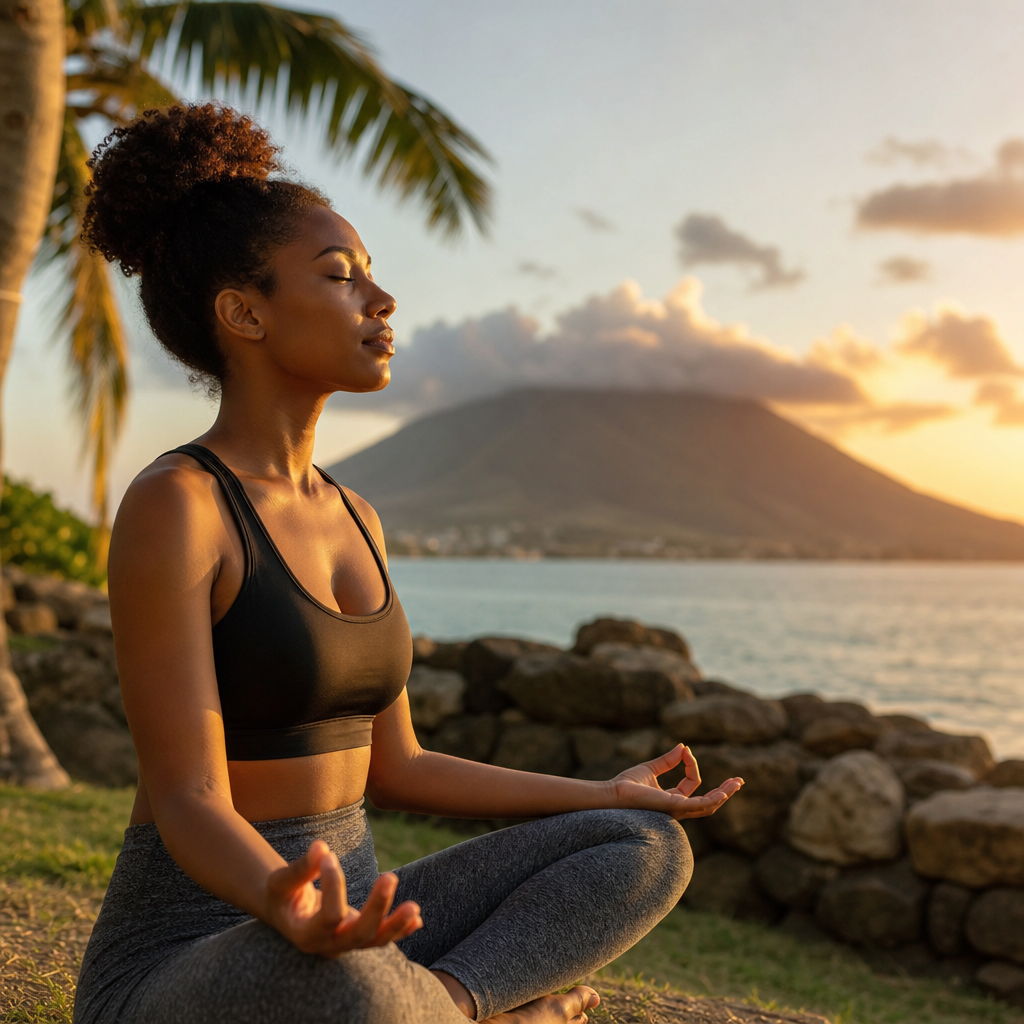
Breathwork is especially useful because it is portable and measurable. Slow exhalation techniques, including box breathing and 4-6 breathing, help reduce sympathetic arousal. A practical starting point is inhaling through the nose for four counts and exhaling for six counts for five minutes. That longer exhale signals safety to the nervous system. Pairing this with a walk on a shaded path or a quiet seated practice near the water often produces better results than either method alone. Yoga and tai chi classes offered in resort and community settings on Nevis add another layer by combining breath control, balance, and interoception, the skill of noticing internal bodily signals before stress escalates.
Not every person needs low-intensity exercise. Some individuals regulate best through more vigorous activity such as hill hiking, cycling, tennis, or interval training. The key is matching the activity to the stress profile. If someone is mentally exhausted and physically tense, restorative movement works well. If someone feels agitated and restless, more demanding exercise can discharge excess activation. Consistency matters more than novelty. Twenty to thirty minutes practiced four or five times weekly is more effective than a single long session performed only when stress becomes overwhelming.
Nature-Based Practices and Sensory Recovery
Nevis offers a form of stress relief that many wellness plans underuse: sensory recovery. Constant alerts, traffic noise, artificial lighting, and screen exposure keep the brain in a state of fragmented attention. Nature-based practices restore attentional capacity by giving the mind gentler, less demanding stimuli. On Nevis, that might mean coastal walking, birdwatching in the morning, sitting in a garden without a phone, or hiking lower rainforest trails around Nevis Peak with an experienced guide. These settings support what environmental psychologists describe as soft fascination, a state in which attention is engaged without being depleted.
Ocean exposure deserves specific mention. Many visitors report that the combination of rhythmic waves, open horizon lines, salt air, and cooler water helps them feel calmer within minutes. While claims around “blue space” should not be exaggerated, the effect is real enough in practice that clinicians and wellness professionals often recommend time near water for mood regulation. A simple protocol works well: twenty minutes near the sea, ten minutes of slow walking, and five minutes of deliberate breathing with no device in hand. Repeated daily, this can become an anchor habit.
| Technique | How it works | Best use case | Typical time |
|---|---|---|---|
| Beach walking | Combines light cardio, natural light, and rhythmic sensory input | Mild anxiety, mental fatigue, poor morning focus | 20–40 minutes |
| Guided breathing | Lengthens exhalation and reduces physiological arousal | Acute stress, racing thoughts, pre-sleep reset | 5–10 minutes |
| Yoga or tai chi | Improves body awareness, mobility, and breathing control | Chronic tension, poor posture, stress-related aches | 30–60 minutes |
| Swimming | Provides full-body movement with cooling sensory relief | Heat stress, low mood, joint-friendly exercise needs | 20–30 minutes |
Food, Hydration, and Daily Energy Stability
Stress management is harder when blood sugar swings, dehydration, and excessive alcohol use are driving fatigue and irritability. Nevis offers several advantages here because fresh ingredients are accessible and meals often center on whole foods rather than heavily processed convenience options. Fish, mango, papaya, coconut, breadfruit, yam, callaloo, and beans can support more stable energy when eaten in balanced combinations. The goal is not perfection or restrictive eating. It is steady fuel for the brain and body.
A useful pattern is to build meals with protein, fiber, color, and fluids. For example, grilled fish with vegetables and ground provisions provides slower energy release than a pastry and sweet coffee taken on the run. People under stress frequently under-eat during the day, then overeat late at night. I see this often in remote workers and caregivers. Correcting meal timing improves concentration and lowers the sense of being overwhelmed. Hydration is equally important in a warm climate. Even mild dehydration can worsen headaches, lethargy, and irritability. Water should be a baseline habit, with caffeine used strategically rather than continuously.
There are tradeoffs to acknowledge. Vacation settings can normalize heavy drinking, late dining, and rich food, which may temporarily feel relaxing but often disrupt sleep and recovery. A realistic stress-management plan on Nevis includes enjoyment without making every meal or evening a physiological setback. For people with hypertension, diabetes, or gastrointestinal conditions, nutritional adjustments should align with medical advice, not wellness trends.
Sleep, Digital Boundaries, and Recovery Rituals
Sleep is the most undervalued stress management tool, and Nevis is well suited to restoring it when people protect the basics. Good sleep hygiene starts with regular timing, reduced evening stimulation, and a cooler, darker sleep environment. What changes on Nevis is that people often feel permission to stop earlier. Sunset routines, slower evenings, and fewer late-night obligations make it easier to establish rituals that tell the brain the day is ending. In real programs, I encourage clients to choose three non-negotiables: no work email after a set hour, dim lights ninety minutes before bed, and a simple wind-down practice such as stretching, reading, prayer, or journaling.
Digital overload is a major modern stressor. Notifications keep the stress response partially activated, especially for people in client-facing, managerial, or always-on roles. On an island known for restorative travel, the most effective intervention is often not a spa treatment but a boundary: scheduled device-free windows. Leaving the phone behind for a morning walk, eating one meal daily without screens, and disabling nonessential notifications create disproportionate benefits. Sleep improves because the brain is no longer asked to switch from constant vigilance directly into rest.
Recovery rituals should be simple enough to repeat at home after leaving Nevis. Herbal tea, a warm shower, light stretching, nasal breathing, and writing down tomorrow’s top priorities can reduce cognitive clutter. These routines work because they increase predictability, and predictability lowers stress load. They do not need to be elaborate to be effective.
Community, Culture, and Emotional Resilience
Stress management is often framed as an individual responsibility, but emotional resilience is strongly shaped by relationships and culture. Nevis demonstrates this well. Community events, church life, local conversation, music, shared meals, and familiar social networks provide emotional containment that many people lack in isolated urban routines. Social support helps interpret stress differently. A difficult week feels less threatening when it is witnessed, discussed, and normalized by trusted people.
There is also value in cultural rhythm. On Nevis, people often experience more flexible time perception and less performative busyness. That does not mean productivity disappears. It means urgency is not treated as a virtue in every context. For high-achieving professionals, this can be uncomfortable at first. I have seen clients realize that their stress was being reinforced by identity habits: overchecking email, filling every silence, and equating rest with laziness. Community interaction on the island can challenge those assumptions by modeling steadier pacing and more direct human connection.
Emotional resilience also requires knowing when informal support is not enough. If stress includes panic attacks, persistent insomnia, hopelessness, substance misuse, trauma symptoms, or inability to function, professional care is necessary. Wellness practices complement clinical support; they do not replace it. The strongest outcomes usually come from combining both when symptoms are significant.
How to Build a Practical Nevis-Inspired Stress Management Plan
The best stress management plan is specific, repeatable, and realistic. Start by identifying your main stress pattern: overstimulation, exhaustion, worry, muscle tension, poor sleep, or emotional isolation. Then choose one technique from each of four categories: movement, sensory recovery, nourishment, and connection. A sample Nevis-inspired plan might look like this: twenty-minute morning walk, five minutes of slow breathing at midday, balanced lunch with water, device-free dinner, and a ten-minute evening wind-down. That framework works because it addresses stress across the whole day rather than waiting for a crisis.
Track outcomes for two weeks using simple measures: sleep quality, afternoon energy, tension headaches, patience, and screen time. If a habit is not working, adjust the dose before abandoning it. Some people need shorter practices done more often. Others need one protected hour outdoors to feel any difference. The point of this miscellaneous wellness hub is to help readers explore related topics and build a personal system, whether they live on Nevis, visit regularly, or simply want to adopt the island’s practical lessons at home.
Stress management in Nevis is effective because it connects proven techniques with a setting that makes those techniques easier to sustain. Movement calms the body, nature restores attention, balanced meals steady energy, sleep rituals improve recovery, and community support strengthens resilience. The main benefit is not temporary escape. It is learning habits that lower stress reactivity and improve daily functioning long after the beach walk ends. Use this hub as your starting point, choose one practice you can begin today, and build a calmer routine one repeatable step at a time.
Frequently Asked Questions
What makes stress management in Nevis different from other wellness approaches?
Stress management in Nevis stands out because it combines proven wellness practices with the island’s naturally slower pace, outdoor lifestyle, and strong sense of community. Rather than treating stress relief as a one-time activity, this approach encourages daily habits that help regulate the nervous system over time. In practical terms, that means paying attention to early signs of stress such as poor sleep, irritability, muscle tension, low energy, difficulty concentrating, or changes in appetite, then responding with simple, repeatable techniques before those symptoms become chronic.
What makes the Nevis model especially effective is that it supports both body and mind at the same time. Regular movement, access to natural spaces, nourishing food, and meaningful social connection all contribute to lower stress load. Time spent walking near the sea, breathing fresh air, or stepping away from digital overload can calm the stress response in a measurable way. At the same time, being part of a close-knit community can reduce isolation and create emotional stability, which is a major factor in resilience. The result is a wellness style that feels realistic, grounded, and sustainable for everyday life rather than overly complicated or dependent on extreme routines.
What are the most effective stress management techniques inspired by life in Nevis?
Some of the most effective techniques are also the most accessible. Gentle daily movement is one of the strongest tools for reducing stress, whether that means walking, stretching, swimming, yoga, or simply staying physically active throughout the day. Movement helps release physical tension, improves circulation, supports better sleep, and lowers the intensity of the body’s fight-or-flight response. In a Nevis-inspired routine, exercise does not need to be intense to be helpful; consistency matters more than intensity when the goal is nervous system regulation.
Nature-based practices are equally valuable. Spending time outdoors can lower mental fatigue and help shift attention away from repetitive worry. Quiet walks, sitting in a breezy outdoor space, mindful breathing, and stepping away from screens for even short periods can all create a noticeable reset. Food also plays an important role. Restorative meals built around whole, satisfying ingredients can help stabilize energy and mood, especially when stress has disrupted appetite or digestion. Finally, social wellness matters. Talking with trusted friends, participating in community life, and maintaining supportive relationships can buffer stress and improve emotional recovery. Together, these techniques form a practical, evidence-based system that supports resilience without feeling rigid or overwhelming.
How can I tell when everyday stress is becoming a problem that needs attention?
Stress becomes a concern when it stops being occasional and starts interfering with normal functioning. Many people first notice physical signs, including headaches, jaw tightness, neck or back pain, digestive discomfort, racing heart, shallow breathing, fatigue, or sleep disruption. Emotional changes may include feeling constantly overwhelmed, easily frustrated, anxious, discouraged, or emotionally numb. Behavioral signs are often just as important: withdrawing from others, procrastinating, overworking, relying too heavily on alcohol or unhealthy coping habits, eating too much or too little, or losing motivation for routines that normally feel manageable.
A Nevis-inspired wellness perspective encourages awareness before burnout develops. If stress is lingering for weeks, affecting work or relationships, reducing your ability to rest, or making you feel like you are always “on edge,” it is time to respond more intentionally. Start by simplifying your day, prioritizing sleep, getting outside, reducing overstimulation, and reconnecting with supportive people. If those steps do not help, or if symptoms feel intense, persistent, or disruptive, professional support may be appropriate. Stress management is most effective when treated early, and recognizing the signs is a strength, not a failure.
How does spending time in nature help reduce chronic stress?
Nature helps reduce chronic stress by giving the brain and body a break from constant stimulation. When people are overloaded by work demands, noise, screens, and fast-paced routines, the nervous system can remain in a prolonged state of alertness. Natural environments often have the opposite effect: they encourage slower breathing, lower muscle tension, calmer attention, and a greater sense of presence. In places like Nevis, where the environment naturally invites walking, open-air relaxation, and regular exposure to green and coastal spaces, nature becomes a built-in support for emotional regulation.
The benefits are both psychological and physical. Time outdoors can improve mood, reduce mental clutter, and help people recover from decision fatigue. It can also support healthier sleep patterns, which are essential for stress recovery. Even short, consistent exposure matters. A morning walk, a few quiet minutes under shade, or a screen-free break outdoors can interrupt the stress cycle and restore perspective. For people dealing with chronic pressure, nature is not just a pleasant backdrop; it can be an active tool for improving resilience, restoring energy, and creating enough calm to make better daily choices.
How can I bring Nevis-style stress management into my daily routine, even if I do not live on the island?
You can adopt the core principles of Nevis-style stress management almost anywhere by focusing on rhythm, restoration, and connection. Start by creating more breathing room in your day. Build in short pauses between tasks, reduce unnecessary multitasking, and set limits around digital overload. Add regular movement that feels sustainable, such as walking, stretching, yoga, or low-pressure exercise. Make time outdoors a non-negotiable part of the day whenever possible, even if it is just a few minutes in fresh air. These simple shifts help signal safety to the nervous system and reduce the constant accumulation of stress.
It is also important to support recovery through food and relationships. Choose balanced, nourishing meals that help maintain steady energy rather than relying on caffeine, sugar, or convenience foods to push through exhaustion. Protect your sleep routine as much as possible, since poor sleep can intensify every other symptom of stress. Just as importantly, stay connected to people who help you feel supported and grounded. Community does not have to be large to be meaningful; a few dependable relationships can make a major difference. The real lesson from Nevis is not that wellness requires a perfect setting, but that stress is managed best through steady, restorative habits practiced in everyday life.