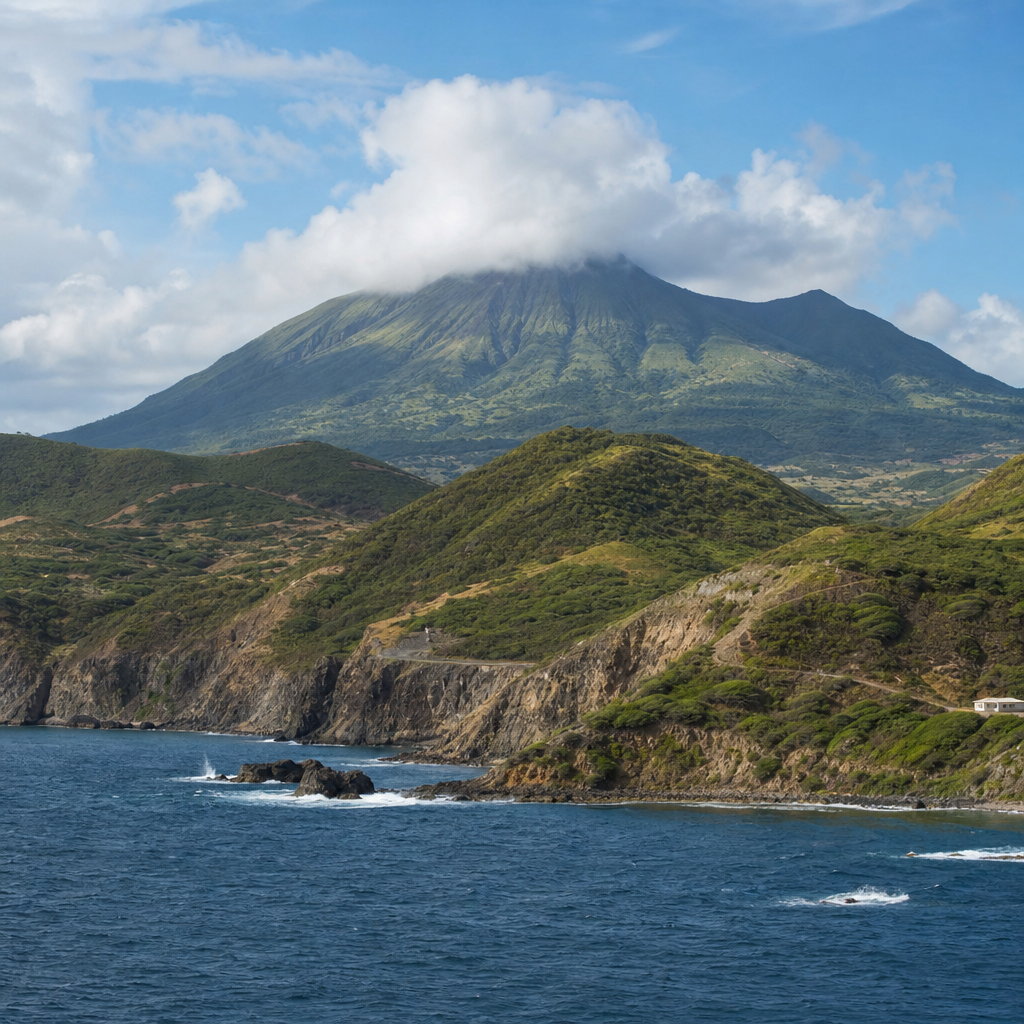
Tourism shapes modern Nevis in visible and subtle ways, bringing jobs, foreign exchange, and international attention while also placing real pressure on the island’s land, sea, water, energy systems, and wildlife habitats. The environmental impact of tourism in Nevis includes coastal erosion, reef stress, waste generation, freshwater demand, traffic emissions, and disturbance to nesting or migratory species, yet those impacts are not inevitable or irreversible. In my work reviewing Caribbean destination sustainability plans and site-level visitor management programs, I have seen the same pattern repeatedly: tourism creates the revenue needed to protect nature, but only when policy, business practice, and traveler behavior are aligned. That balance matters especially in Nevis, a small volcanic island where ecosystems are rich, infrastructure capacity is limited, and environmental damage can spread quickly across connected landscapes.
Nevis is often marketed through its beaches, mountain trails, heritage estates, quiet roads, and marine life, so the environment is not a side issue; it is the core tourism asset. When coral reefs degrade, when litter reaches ghauts and shorelines, or when hotel demand strains water supplies during dry periods, the visitor experience declines alongside ecological health. This makes environmental management both a conservation priority and a business necessity. For readers exploring the wider Nature and Wildlife hub, this article serves as the miscellaneous overview page that connects marine conservation, hiking etiquette, beach stewardship, wildlife viewing, local agriculture, and sustainable transport into one practical framework.
Understanding the issue starts with definitions. Sustainable tourism means meeting current visitor and community needs without reducing the ability of future generations to enjoy or benefit from the same natural resources. Carrying capacity refers to the level of use a site can absorb before environmental quality, visitor satisfaction, or resident wellbeing begins to deteriorate. Regenerative tourism goes a step further by aiming to leave ecosystems and communities better than before through restoration, local procurement, and measurable conservation outcomes. In Nevis, these concepts apply directly to beach access, reef excursions, mountain hikes, hotel operations, cruise-linked day visits from nearby islands, and every decision about waste, water, and energy.
Why does this matter now? Small islands are disproportionately exposed to climate change, sea level rise, stronger storm systems, and supply-chain fragility. At the same time, tourism remains one of the most important economic engines in St. Kitts and Nevis. That combination means Nevis cannot afford a false choice between prosperity and protection. The practical goal is lower-impact tourism that keeps spending local, reduces environmental strain per visitor, and funds the conservation systems the island needs. Travelers, tour operators, accommodation providers, and policymakers all have a role. The sections below explain where tourism affects Nevis most, what good management looks like on the ground, and how visitors can minimize harm while supporting the landscapes and wildlife they came to experience.
How Tourism Affects Nevis’s Coasts, Reefs, and Marine Life
The clearest environmental impacts of tourism in Nevis appear along the coast. Beaches attract swimmers, sun-seekers, and waterfront development, but they are dynamic systems shaped by waves, sediment movement, vegetation, and storms. Removing dune plants, hardening shorelines, or concentrating foot traffic in a few access points can accelerate erosion. Beachfront lighting may also disrupt sea turtle behavior, especially during nesting and hatching seasons common across the wider Caribbean. Even where tourism is not the sole cause, visitor demand can intensify existing stress on fragile coastal zones.
Coral reefs face similar cumulative pressure. In calm conditions, reefs near popular snorkeling areas may appear healthy to casual visitors while still experiencing chronic stress from sunscreen chemicals, anchor damage, sediment runoff, and repeated contact from fins or standing feet. Across the Caribbean, stony coral tissue loss disease, warming seas, and bleaching have already weakened reef resilience. That means seemingly minor tourism impacts matter more than they once did. On islands like Nevis, where reefs support fisheries, shoreline protection, and nature-based excursions, protecting coral is an economic safeguard as much as an ecological one.
Boat operations are another key issue. Poor anchoring practices can break coral heads instantly, while fuel spills, bilge discharge, and high-speed transit in sensitive areas can affect water quality and marine fauna. Responsible operators use mooring buoys where available, maintain engines properly, brief guests before entering the water, and avoid wildlife harassment. I have seen the difference firsthand between loosely managed snorkel trips and professionally run excursions with clear no-touch rules: the latter reduce damage, improve guest understanding, and usually earn stronger reviews because visitors feel they are participating in something credible.
Marine wildlife tourism can benefit conservation when done carefully. Birding around ponds and wetlands, snorkeling over reef systems, and occasional turtle-focused interpretation all help build support for habitat protection. The rule is simple: observe without altering behavior. Chasing turtles for photographs, feeding fish to attract them, or crowding roosting birds turns nature viewing into disturbance. The best operators in island destinations set approach distances, limit group size, and explain why restraint matters.
Water, Waste, and Energy: The Hidden Footprint of Visitor Demand
Many of tourism’s biggest environmental costs in Nevis are less visible than a damaged beach. Hotels, villas, restaurants, laundries, pools, and landscaped grounds increase demand for freshwater and electricity on an island where both systems face constraints. During dry periods, high occupancy can amplify pressure on water supplies, especially when properties maintain thirsty ornamental gardens or rely on frequent linen washing. Guests often underestimate this because water arrives at the tap without visible scarcity, but on small islands every gallon has infrastructure and ecological consequences.
Solid waste is equally significant. Single-use bottles, takeaway containers, imported packaging, and food waste rise with visitor numbers. Disposal options on small islands are limited, and transport or landfill management carries cost and environmental risk. Litter that escapes collection can move quickly from roadsides into guts, ghauts, beaches, and nearshore waters. Plastic pollution then affects seabirds, turtles, fish, and the visual quality of the destination itself. Waste is not just an operations problem; it is a destination management issue tied to procurement, public bins, event planning, and visitor education.
Energy use matters because Caribbean tourism properties often depend heavily on air conditioning, hot water, refrigeration, desalination or pumping, and imported fuel. That creates both emissions and operating vulnerability. The strongest accommodation providers on islands like Nevis reduce impact through efficient HVAC systems, occupancy sensors, solar water heating, LED retrofits, natural ventilation design, and maintenance routines that stop small inefficiencies from compounding. These investments are not cosmetic. They lower cost, improve resilience, and strengthen sustainability claims with measurable evidence.
| Tourism pressure | Environmental effect in Nevis | Practical way to minimize it |
|---|---|---|
| Heavy laundry and long showers | Higher freshwater demand during dry periods | Low-flow fixtures, towel reuse, guest messaging, leak audits |
| Single-use drink bottles | More landfill burden and coastal plastic leakage | Refill stations, reusable bottles, bulk purchasing |
| Air conditioning in empty rooms | Higher fuel use and emissions | Key-card controls, efficient units, shaded design |
| Improper waste sorting | Contamination and reduced recovery options | Back-of-house separation, staff training, supplier agreements |
| Poor wastewater handling | Nutrient loading and nearshore water quality decline | Routine system maintenance and compliance checks |
For travelers, the answer is not guilt but awareness. Shorter showers, reef-safe sun protection where scientifically appropriate, reusable bottles, moderate towel use, and support for properties with published sustainability practices can materially reduce impact. For businesses, the standard is higher: track utilities per occupied room, audit waste streams, and publish concrete targets. Vague eco-language no longer meets E-E-A-T expectations or informed traveler scrutiny.
Land Use, Biodiversity, and the Pressure on Nevis’s Natural Areas
Nevis offers more than beaches. The island’s forests, slopes around Nevis Peak, seasonal ghauts, pasture edges, wetlands, and estate landscapes support birds, insects, reptiles, bats, and culturally important plant communities. Tourism affects these areas through construction, trail erosion, off-road driving, noise, invasive species spread, and fragmented land use. Because the island is compact, development in one zone can influence water runoff, wildlife corridors, and scenic character elsewhere.
Hiking tourism illustrates the tradeoff clearly. Trails create value by giving people access to the island’s interior and building appreciation for native landscapes. But unmanaged hiking can widen paths, compact soils, increase sediment movement, and disturb fauna. The best route management uses marked trails, local guides, weather-based closures when conditions are unsafe or erosive, and group briefings that stress staying on the path. On steep tropical terrain, one season of careless use can create damage that lasts for years.
Biodiversity pressure also comes from landscaping choices in tourism zones. Imported ornamentals may look attractive but can increase water demand or displace native species. Native and climate-adapted planting generally supports pollinators better, handles local conditions with less irrigation, and preserves a sense of place that generic resort design often erodes. This is one area where good environmental practice and stronger destination identity align perfectly.
Wildlife encounters should be interpreted, not staged. That means no collecting shells from active habitats, no removing plants for souvenirs, and no encouraging monkeys, birds, or marine animals to approach humans for food. Feeding wildlife alters behavior, increases conflict, and can spread disease. The most responsible tourism businesses in nature destinations understand that the memorable moment is seeing an animal behave naturally, not engineering an unnatural interaction for a quick photo.
What Sustainable Tourism in Nevis Looks Like in Practice
Effective sustainable tourism in Nevis depends on systems, not slogans. At the policy level, this includes land-use planning, coastal setback enforcement, wastewater oversight, marine management, and conservation partnerships. At the business level, it means staff training, supplier standards, environmental monitoring, and guest communication. At the traveler level, it means choosing operators and accommodations that can explain exactly how they reduce impact. When these layers reinforce one another, tourism revenue can support habitat restoration, beach cleanups, trail maintenance, heritage preservation, and environmental education.
Several established frameworks help separate genuine practice from marketing. GSTC criteria, Blue Flag beach standards where relevant, Green Key certification, and EarthCheck-style benchmarking all provide structured ways to assess performance. A small Nevis property does not need every certification to act responsibly, but it should be able to show evidence: water meters, energy data, waste reduction measures, community hiring, local sourcing, and environmental rules for tours. In my experience, the most credible operators explain both achievements and limitations. If recycling infrastructure is partial, they say so. If solar covers only some demand, they specify how much. That transparency builds trust.
Local sourcing is another high-impact lever. Food imported by air or long supply chains carries a larger footprint and leaks more economic value away from the island. Restaurants and hotels that buy from Nevis farmers and fishers, within sustainable catch limits, support livelihoods while reducing transport intensity. Guests also gain a better sense of place through seasonal fruit, regional dishes, and estate-grown ingredients. Sustainability works best when it strengthens local culture instead of replacing it.
Transportation choices matter too. Compact itineraries, shared transfers, walking in village areas, and efficient fleet management reduce emissions and congestion. Electric vehicles can help if charging and grid conditions support them, but route planning and fewer unnecessary trips often deliver quicker gains. For many visitors, the most sustainable option is simply to do fewer things more deeply: take one well-run snorkel trip instead of several loosely managed ones, or spend more time on guided interpretation and less on constant movement around the island.
How Visitors Can Minimize Their Environmental Impact
Visitors have more influence than they think. Start by booking accommodations that publish real sustainability measures, not just general promises. Ask whether the property tracks water and energy use, minimizes single-use plastics, manages wastewater carefully, and supports local conservation or community employment. Choose tour operators who brief guests on wildlife etiquette, use moorings instead of anchors where possible, and keep group sizes reasonable. Those questions send a market signal that environmental quality matters.
On the island, follow low-impact basics consistently. Carry a reusable bottle. Decline unnecessary linen changes. Use marked trails and licensed guides for challenging hikes. Do not touch coral, stand on reefs, remove shells from living habitats, or leave food scraps at beaches and viewpoints. Keep noise low in natural areas. If you drive, avoid idling and respect rural roads and livestock. Small behaviors scale quickly on islands where visitor numbers can concentrate in a handful of places.
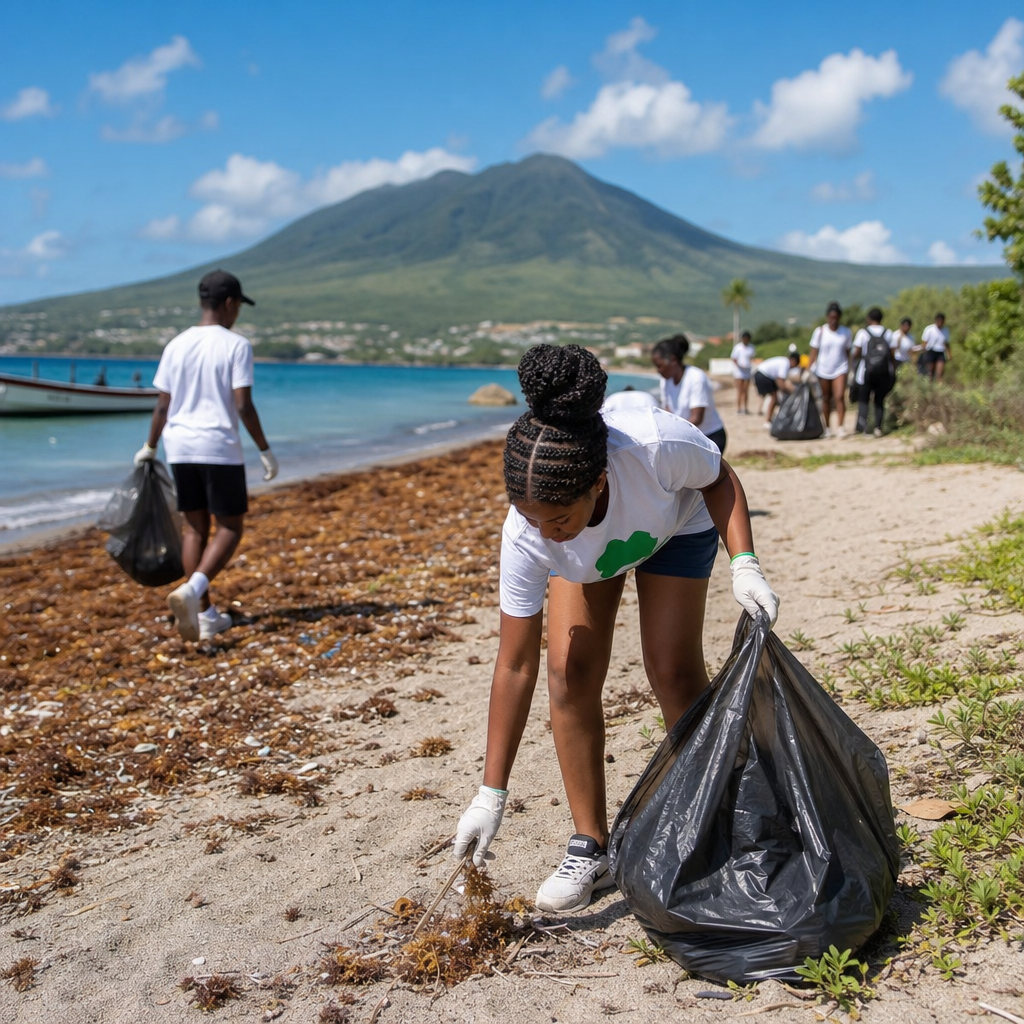
Spending choices also shape impact. Support businesses that hire locally, serve local food, and contribute to stewardship efforts. Join a community cleanup or donate to a credible conservation initiative if one is available through your hotel or guide. If you share your trip online, model good behavior in the images you post. Responsible norms spread socially, and poor examples do too.
The core lesson is straightforward: Nevis can benefit from tourism without sacrificing the natural systems that make the island distinctive, but that outcome requires intentional choices. Coastal care, reef protection, water efficiency, waste reduction, habitat-sensitive development, and respectful wildlife viewing are not separate issues; they are one connected sustainability strategy. For travelers exploring the broader Nature and Wildlife hub, this miscellaneous guide is the starting point for every related topic, from beaches and birds to trails and marine life.
If you want to minimize your environmental impact in Nevis, choose verified responsible operators, reduce waste and water use, stay on designated access routes, and spend with local businesses that protect the island’s ecosystems. Those actions preserve the experience you came for and help ensure Nevis remains a place where tourism supports nature rather than degrading it. Use this hub as your next step, then explore the linked subtopics and plan a lower-impact visit with intention.
Frequently Asked Questions
What are the main environmental impacts of tourism in Nevis?
Tourism in Nevis creates both economic opportunity and environmental strain, and the most important impacts tend to show up in a few connected areas. Along the coast, increased beachfront use, construction, and shoreline modification can accelerate erosion and weaken natural buffers such as dunes, mangroves, and seagrass beds. In marine environments, coral reefs can come under stress from boat traffic, anchoring, sediment runoff, sunscreen pollution, and poorly managed wastewater. These pressures reduce reef health over time, which matters not only for biodiversity but also for fisheries, shoreline protection, and the visitor experience itself.
On land, tourism often increases solid waste, packaging waste, and wastewater generation, especially during peak travel periods. Hotels, villas, restaurants, and transport services also place higher demands on freshwater and energy systems, which can be difficult for a small island to absorb without long-term planning. Road traffic related to tourism adds emissions, noise, and congestion, while new development can fragment habitats or disturb wildlife, including nesting sea turtles and migratory birds. The key point is that none of these effects happen in isolation. Tourism pressure can multiply existing vulnerabilities, particularly on a small island where ecosystems are closely linked and resources are finite.
Why is Nevis especially sensitive to tourism-related environmental pressure?
Nevis is especially sensitive because small islands have limited land, limited freshwater, limited waste-handling capacity, and ecosystems that are both rich and fragile. When visitor numbers rise, even modest increases in water use, electricity demand, sewage output, and transport activity can have outsized effects compared with larger destinations that have more infrastructure and more physical space to spread out impacts. In Nevis, the relationship between mountains, watersheds, coastal zones, reefs, and settlements is tight, so damage in one part of the system can quickly affect another. For example, poor land management uphill can increase runoff and sedimentation downhill, which can then cloud coastal waters and stress coral reefs.
The island’s appeal also depends heavily on the very environments that tourism can harm if it is unmanaged. Visitors come for quiet beaches, clear water, healthy reefs, scenic landscapes, and a sense of place that feels less overbuilt than many other destinations. That means environmental degradation is not just a conservation issue; it is also a direct threat to the long-term quality and competitiveness of Nevis’s tourism economy. Because wildlife habitats, nesting areas, and marine ecosystems can be disturbed by relatively small shifts in human activity, prevention matters far more than trying to repair damage after it becomes visible.
How does tourism affect coral reefs, beaches, and wildlife in Nevis?
Tourism affects these natural assets through repeated physical pressure, pollution, and habitat disturbance. Coral reefs are vulnerable to sediment washed into the sea from construction sites, cleared land, or poorly managed roads. That sediment can block sunlight and reduce coral growth. Reefs also suffer when boats anchor directly on them, when divers or snorkelers make contact, or when wastewater and chemical pollutants degrade water quality. Since reefs are already under pressure from warming seas and bleaching events, local tourism-related impacts can make them less resilient and slower to recover.
Beaches face a different but related set of problems. Heavy foot traffic, inappropriate coastal development, beach grooming, and removal of natural vegetation can destabilize sand systems and increase erosion. Artificial shoreline hardening may protect one property in the short term while worsening erosion nearby. Wildlife impacts are often less visible but just as serious. Sea turtles may avoid nesting beaches that are brightly lit or heavily disturbed at night. Birds and coastal species can be displaced by noise, human presence, and habitat loss. Even well-meaning wildlife encounters can cause stress if animals are approached too closely or fed. The broader lesson is that tourism does not need to be massive to be damaging; repeated small disturbances can add up significantly over time.
What can travelers do to minimize their environmental impact when visiting Nevis?
Travelers can make a meaningful difference by treating sustainability as a series of practical daily choices rather than a vague intention. One of the most effective steps is to choose accommodations and tour operators that demonstrate responsible water use, energy efficiency, proper wastewater management, reef-safe boating practices, and reduced reliance on single-use plastics. Visitors should conserve freshwater by taking shorter showers, reusing towels and linens, and avoiding unnecessary laundry, especially on islands where water systems can be under seasonal pressure. It also helps to reduce energy use by turning off air conditioning, lights, and electronics when leaving a room.
In marine and coastal settings, responsible behavior is essential. Travelers should avoid standing on coral, touching marine life, collecting shells or coral, or using anchors in sensitive reef areas. Reef-safe sunscreen, while not a complete solution, is a better choice than products known to contain ingredients harmful to marine ecosystems. On beaches, visitors should respect marked nesting areas, keep noise and lights low at night, and avoid driving or trampling dune vegetation. Supporting local businesses that source responsibly and hiring guides who respect environmental rules also helps strengthen a tourism model that values stewardship. In short, low-impact travel in Nevis means using less, wasting less, disturbing less, and choosing providers who take the island’s ecological limits seriously.
How can Nevis grow tourism while protecting its environment over the long term?
The most effective path is not simply more tourism, but better-managed tourism. That means aligning development with carrying capacity, protecting sensitive areas before they are degraded, and building environmental standards into every stage of planning. Strong zoning, setbacks from the shoreline, limits on building in vulnerable habitats, and careful review of new projects can reduce damage before it occurs. Investment in wastewater treatment, stormwater management, recycling systems, renewable energy, and water efficiency is equally important, because tourism growth without infrastructure upgrades usually shifts environmental costs onto the island’s ecosystems.
Long-term protection also depends on monitoring and enforcement. Nevis benefits when officials, businesses, and communities track reef health, beach change, water demand, waste volumes, and wildlife disturbance rather than relying on assumptions. Tourism operators should be held to clear standards on waste disposal, boating, lighting, and habitat protection, and visitors should receive straightforward guidance on how to behave responsibly. Perhaps most importantly, Nevis can position itself around quality over volume: attracting travelers who value nature, culture, and low-impact experiences rather than pursuing growth that overwhelms local systems. That approach supports the economy while preserving the landscapes and ecosystems that make the island distinctive in the first place.