Natural pain relief remedies in Nevis bring together Caribbean herbal traditions, practical wellness habits, and modern evidence-based self-care for people seeking gentler ways to ease discomfort. On an island known for volcanic hot springs, tropical plants, and a slower rhythm of life, pain management often includes more than medicine alone. It can involve bush teas, massage, movement, mineral bathing, nutrition, and mindful recovery. When used responsibly, these approaches can support relief for common problems such as muscle soreness, arthritis stiffness, tension headaches, menstrual cramps, and stress-related body pain.
In plain terms, natural pain relief means non-pharmaceutical methods used to reduce pain, improve function, or help the body recover. Remedies can be physical, such as stretching and heat; botanical, such as ginger or turmeric; or lifestyle-based, such as sleep improvement and hydration. In Nevis, the conversation also includes local knowledge passed through families and communities. I have seen that many residents do not separate pain into neat categories. They talk about “pressure,” “inflammation,” “tightness,” or “feeling the weather in the joints,” which reflects a practical understanding of triggers and relief patterns.
This topic matters because pain is one of the most common reasons people miss work, avoid exercise, lose sleep, or delay daily tasks. It also matters because not every ache requires a prescription, and not every traditional remedy is automatically safe. A useful guide must do both jobs well: respect local healing practices and explain where evidence, dosage, and medical caution belong. This hub article covers the miscellaneous natural remedies most relevant in Nevis, showing where each approach fits, what it may help, and when professional evaluation is the better choice.
Traditional Nevis remedies and botanical support
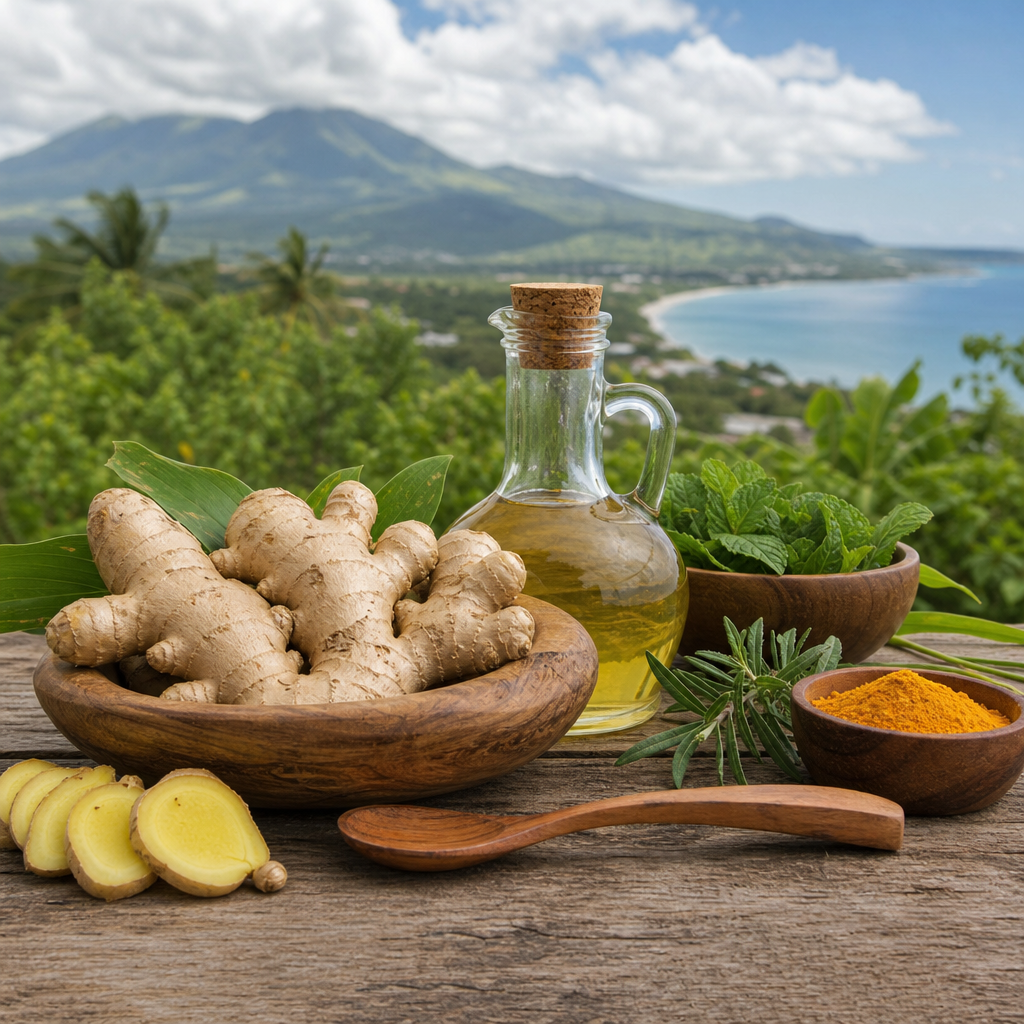
Nevis has a long tradition of using herbs, roots, and kitchen spices for relief from inflammation and discomfort. Among the most widely recognized are ginger, turmeric, lemongrass, and soursop leaf preparations, though uses vary by household. Ginger is the easiest place to start because it has both local familiarity and research support. Compounds called gingerols and shogaols have anti-inflammatory activity, and ginger tea is commonly used for body aches, nausea, and menstrual discomfort. Fresh slices simmered in water for ten to fifteen minutes create a stronger infusion than a quick steep.
Turmeric is another staple discussed in natural pain relief. Its active compound, curcumin, has been studied for osteoarthritis and exercise-related inflammation. In practice, turmeric works best when paired with black pepper, which improves absorption. Many people in Nevis add it to soups, broths, rice dishes, or warm milk alternatives rather than taking capsules. That food-first method is sensible, although concentrated supplements may be appropriate for some adults after checking medication interactions. Curcumin can affect blood clotting and may not be suitable before surgery or for people taking anticoagulants.
Lemongrass tea is often used when pain overlaps with tension, poor sleep, or digestive upset. Its value is less about directly blocking pain and more about calming the nervous system, reducing stress load, and encouraging rest. Soursop leaves are also discussed in regional wellness circles, but this is where balance matters. While people may report relief or relaxation, claims about broad disease treatment go far beyond current evidence. For any herb used regularly, especially by pregnant people, older adults, or those with chronic illness, professional guidance is important.
Heat, water, and mineral-based relief on the island
One of Nevis’s most distinctive wellness assets is its geothermal environment. The island’s hot springs and warm mineral waters have long been used for relaxation and pain relief, especially for stiff muscles and aching joints. Heat therapy works through clear mechanisms. It increases local blood flow, reduces muscle spasm, improves tissue elasticity, and can make movement easier. For back tightness after gardening, shoulder tension after desk work, or post-exercise soreness, warm water immersion can provide meaningful relief without medication.
People often ask whether mineral baths are truly different from an ordinary hot bath. The answer is that heat is doing most of the immediate pain-relief work, but mineral content may enhance the experience for some users, especially when bathing is part of a broader routine that includes stretching and hydration. I usually advise thinking of hot springs as a supportive tool, not a cure. A twenty-minute soak followed by gentle mobility work can be very effective. Staying too long, especially in high heat, can lead to dizziness or dehydration.
At home, similar benefits come from warm compresses, Epsom salt baths, or alternating heat and cold depending on the condition. Heat is usually better for chronic stiffness, while cold can help in the first day or two after a strain or flare-up with swelling. For example, a market vendor with sore knees from long hours standing may prefer a warm evening soak, while an athlete who twists an ankle may use ice first, then transition to heat later. The remedy should match the stage of the problem, not just local habit.
Massage, bodywork, and movement as pain medicine
Massage remains one of the most practical natural pain relief remedies in Nevis because it addresses a common cause of discomfort: muscle tension layered on top of stress and repetitive strain. Good bodywork does not merely feel pleasant. It can reduce perceived pain, improve circulation, lower muscle guarding, and restore range of motion. For people who carry tension in the neck, jaw, lower back, or calves, a skilled massage therapist can often identify patterns linked to posture, workload, and old injuries. Relief tends to last longer when massage is paired with home exercises.
Movement is equally important. In my experience, many people rest too much when pain starts, then become stiffer and more fearful of activity. For most non-emergency aches, gentle motion is part of recovery. Walking, swimming, mobility drills, yoga, and light resistance training can reduce chronic pain over time by improving joint support, circulation, and confidence in movement. This is especially relevant for osteoarthritis, where complete rest usually makes symptoms worse. The key is graded activity: enough to encourage adaptation, not so much that pain spikes sharply the next day.
Simple routines work best. A person with morning back stiffness may benefit from five minutes of cat-cow stretches, hip hinges, and a short walk before work. Someone with tension headaches may respond to upper-trapezius stretches, screen breaks, hydration, and jaw relaxation. A visitor recovering from a long flight might feel better after a swim and gentle calf stretching. Natural pain relief does not need to be elaborate to be effective. Consistency, correct technique, and realistic expectations matter more than trendy routines.
Food, supplements, and daily habits that influence pain
Pain is not only a symptom; it is also shaped by daily inputs. Nutrition, hydration, sleep, alcohol use, and stress all affect inflammatory signaling and pain sensitivity. In Nevis, where fresh fish, tropical fruit, leafy greens, and spices are accessible, dietary support can be practical. Omega-3 fats from fish may help lower inflammation. Magnesium-rich foods such as leafy greens, beans, nuts, and seeds can support muscle function. Pineapple contains bromelain, an enzyme often discussed for swelling, although evidence is mixed and food amounts are modest compared with supplements.
Hydration deserves more attention in the Caribbean climate. Even mild dehydration can increase fatigue, headaches, muscle cramps, and the sense that pain is harder to tolerate. This is especially true for older adults, outdoor workers, and visitors unaccustomed to heat. Sleep is another major factor. Poor sleep lowers pain threshold and slows recovery, creating a cycle where discomfort causes wakefulness and wakefulness worsens discomfort. Simple interventions such as reducing late caffeine, dimming lights, keeping a cool room, and maintaining a regular bedtime can produce noticeable results.
| Natural approach | Best use case | How it helps | Main caution |
|---|---|---|---|
| Ginger tea | Menstrual cramps, mild inflammation, nausea with discomfort | Anti-inflammatory compounds may reduce pain signals | Use caution with blood thinners |
| Warm mineral bath or hot soak | Chronic stiffness, muscle tension, post-work aches | Improves blood flow and relaxes muscle spasm | Avoid overheating or dehydration |
| Massage and stretching | Neck, back, shoulder, and calf tightness | Reduces guarding and restores mobility | Not for suspected fracture or acute severe injury |
| Cold application | Recent sprain, swelling, acute flare | May reduce swelling and numb sharp pain | Limit time to protect skin |
| Better sleep and hydration | Headaches, fatigue-related pain, general recovery | Lowers stress load and improves resilience | Benefits build gradually, not instantly |
Supplements can have a role, but they need more caution than many people realize. Turmeric extracts, magnesium glycinate, omega-3 fish oil, and topical arnica are frequently discussed. Quality varies widely, and supplement labels are not all equally reliable. Products tested by USP, NSF, or other recognized quality programs are preferable when available. Topical options may be particularly useful because they deliver relief to a local area with fewer whole-body effects. Even then, natural does not mean harmless. Skin irritation, digestive upset, and medication interactions remain possible.
When natural remedies are appropriate, and when to seek care
The best natural pain relief remedies in Nevis are often most useful for mild to moderate, non-emergency pain: overworked muscles, tension headaches, early arthritis stiffness, minor strains, stress-related tightness, and menstrual discomfort. They also work well as complementary care alongside physical therapy, medical treatment, or supervised rehabilitation. What they should not do is delay attention for warning signs. Severe chest, abdominal, or pelvic pain; sudden weakness; shortness of breath; fever with body pain; deformity after injury; unexplained weight loss; or pain that wakes you consistently at night needs prompt medical evaluation.
Persistent pain also deserves a closer look. If discomfort lasts more than a few weeks, keeps returning, or steadily limits work and movement, the question is no longer just how to reduce pain today. The question becomes what is causing it. Repetitive strain, nerve irritation, poorly controlled arthritis, fibromyalgia, gout, kidney stones, infection, and vascular problems can all be mistaken for ordinary aches in the early stages. A proper assessment may include physical examination, blood tests, imaging, or referral to physiotherapy. Natural methods are strongest when matched to a clear diagnosis.
For residents and visitors alike, the smartest approach is integrative. Start with the least risky options that fit the problem: hydration, rest from aggravating activity, heat or cold, gentle movement, and familiar food-based remedies such as ginger. Add massage, stretching, or professionally guided care if symptoms continue. Review medication interactions before using concentrated herbal products. Most of all, pay attention to patterns. The remedy that helps stress headaches may do little for nerve pain, and the bath that eases joint stiffness may worsen swelling from a fresh injury. Good pain relief is specific, not generic.
Natural pain relief remedies in Nevis are most effective when they are chosen with context, used consistently, and combined with sound judgment. The island offers genuine advantages: accessible heat therapy through warm waters, a living tradition of herbal knowledge, and an environment that supports movement, rest, and recovery. At the same time, the strongest results usually come from simple combinations rather than one miracle fix. Ginger for inflammation, a warm soak for stiffness, massage for muscle tension, steady movement for joint health, and better sleep for nervous-system recovery each address a different part of the pain picture.
The central benefit of this approach is not just symptom reduction. It is improved function. When pain eases enough for someone to walk comfortably, return to work, sleep through the night, or enjoy the island without fear of flare-ups, that is meaningful relief. The most reliable remedies are the ones that match the cause, respect safety limits, and can be repeated as part of daily life. Local traditions deserve a place in that plan, but they work best when paired with evidence, quality control, and timely medical care when needed.
Use this page as your starting point for the miscellaneous natural pain relief options within Health and Wellness, then explore related topics in herbal care, movement therapy, recovery practices, and preventive wellness. If you are dealing with ongoing or worsening pain, make a simple next move today: identify the pattern, choose one low-risk remedy that fits, and seek professional advice when symptoms do not improve.
Frequently Asked Questions
What natural pain relief remedies are most commonly used in Nevis?
In Nevis, natural pain relief often blends long-standing Caribbean wellness traditions with practical, evidence-informed self-care. Common remedies include herbal bush teas made from locally known plants, warm mineral soaks inspired by the island’s volcanic hot spring culture, gentle massage, stretching, hydration, anti-inflammatory foods, and rest practices that support recovery rather than simply masking discomfort. People may use these approaches for muscle soreness, joint stiffness, tension headaches, stress-related tightness, and mild everyday aches.
Massage is especially valued because it can help reduce muscle tension, improve circulation, and encourage relaxation, all of which may lessen the perception of pain. Warm bathing and heat therapy are also popular, particularly for stiffness and chronic muscular discomfort. Nutrition plays a role as well, with many people emphasizing fresh fruits, vegetables, fish, herbs, and spices that fit an anti-inflammatory lifestyle. Movement-based remedies such as walking, mobility exercises, and light stretching are often part of the routine because gentle activity can help maintain function and reduce stiffness over time.
What makes Nevis unique is the way these remedies are often approached as part of a broader wellness rhythm. Pain relief is not always seen as one single treatment, but as a combination of physical care, stress reduction, restorative sleep, and respect for the body’s recovery process. That said, “natural” does not automatically mean risk-free. Some herbs may interact with medications, and persistent or severe pain should always be assessed by a qualified healthcare professional.
Can volcanic hot springs and mineral baths in Nevis really help with pain?
Volcanic hot springs and mineral bathing can be helpful for certain types of discomfort, especially muscle tension, general body stiffness, and mild joint aches. Warm water helps relax soft tissues, increase blood flow, and reduce the guarding response that often makes pain feel worse. For many people, simply soaking in comfortably warm water creates a sense of relief because heat can calm tight muscles and improve ease of movement. This is one reason thermal bathing has remained a valued wellness practice in many cultures, including in the Caribbean.
Mineral-rich water may also offer supportive benefits, although the strongest effect for many people likely comes from heat, buoyancy, relaxation, and reduced stress on the joints while immersed. When the body is supported by water, movement can feel easier and less painful, which may be useful for those with mild chronic pain, overuse soreness, or recovery-related stiffness. The mental component matters too. A calmer nervous system often changes how pain is experienced, and time spent resting in a peaceful setting can contribute to that effect.
Still, hot springs are not appropriate for everyone. People with certain heart conditions, uncontrolled blood pressure, pregnancy-related concerns, open wounds, infections, or heat sensitivity should be cautious and seek medical advice first. It is also important to stay hydrated, avoid excessively long soaks, and leave the water if dizziness or discomfort develops. Used sensibly, mineral bathing can be a supportive part of a broader pain relief plan, but it should not replace medical care for serious injuries or ongoing unexplained pain.
Are bush teas and local herbs in Nevis safe and effective for pain relief?
Bush teas and traditional herbal preparations are a respected part of Caribbean healing culture, and in Nevis they are often used for comfort, relaxation, inflammation support, and recovery from everyday strain. Depending on the herb, a tea may be taken to promote calm, ease digestive discomfort that contributes to tension, or support the body during periods of soreness and fatigue. Some herbs have compounds that may offer anti-inflammatory or soothing effects, while others are used more for relaxation and overall balance, which can indirectly help with pain.
However, safety depends entirely on correct plant identification, proper preparation, dose, and individual health status. Not every traditional remedy is suitable for every person. Some herbs can interfere with blood thinners, diabetes medications, blood pressure medicine, sedatives, or pain medicines. Others may not be appropriate for children, older adults, pregnant or breastfeeding women, or people with liver or kidney conditions. This is why herbal remedies should be approached with the same seriousness as any other health intervention.
The most responsible approach is to learn from knowledgeable, trusted practitioners and to discuss herbal use with a qualified healthcare provider, especially if symptoms are persistent or you already take prescription medication. Evidence for some herbs is promising, but it varies widely, and local traditions do not always align neatly with formal clinical research. Bush teas can absolutely be part of a thoughtful pain management routine, but they work best when used carefully, consistently, and with full awareness of possible interactions and limits.
What lifestyle habits support natural pain relief in Nevis beyond herbs and baths?
Some of the most effective natural pain relief strategies are simple daily habits that improve how the body heals and how the nervous system processes discomfort. Regular gentle movement is one of the most important. Walking, stretching, mobility work, swimming, and low-impact strengthening can help reduce stiffness, maintain joint function, improve circulation, and prevent pain from worsening due to inactivity. On an island like Nevis, where outdoor activity can feel more integrated into everyday life, movement is often a realistic and sustainable part of wellness.
Sleep is another major factor. Poor sleep can increase pain sensitivity, slow tissue recovery, and make tension and inflammation feel more intense. Building a calming evening routine, limiting overstimulation before bed, and creating consistent sleep habits can make a meaningful difference over time. Stress management also matters because ongoing stress can amplify pain through muscle tightness and nervous system overload. Mindful breathing, meditation, quiet time outdoors, restorative massage, and simply slowing the pace of the day can all support relief.
Nutrition and hydration round out the foundation. A diet centered on whole foods, colorful produce, healthy fats, and adequate protein may support tissue repair and help reduce inflammatory burden. Good hydration supports muscles, joints, and general physical function, especially in a warm climate. These habits may sound basic, but they are often the difference between temporary relief and lasting improvement. Natural pain care in Nevis is strongest when it is part of a balanced lifestyle rather than a one-time remedy.
When should someone in Nevis seek medical care instead of relying only on natural pain remedies?
Natural remedies can be useful for mild, short-term, or clearly explained discomfort, but certain situations need prompt medical attention. You should seek professional care if pain is severe, sudden, worsening, or linked to an injury such as a fall, twist, blow, or suspected fracture. Medical evaluation is also important if pain comes with fever, swelling, redness, numbness, weakness, chest discomfort, breathing problems, persistent headaches, unexplained weight loss, or changes in bladder or bowel function. These can signal conditions that should not be managed with home remedies alone.
Ongoing pain that lasts more than a few days to weeks, repeatedly returns, disrupts sleep, limits daily activity, or requires constant self-treatment also deserves assessment. Chronic pain is often more complex than it first appears. It may involve inflammation, nerve irritation, posture-related strain, arthritis, overuse, stress, or an underlying medical issue that needs a clear diagnosis. Getting evaluated does not mean giving up natural care. In many cases, the best results come from combining proper medical guidance with safe supportive measures like stretching, heat, massage, nutrition, and stress reduction.
The key is knowing the role of each approach. Natural remedies can support comfort, recovery, and resilience, but they are not a substitute for diagnosis when symptoms are serious or unexplained. In Nevis, as anywhere, the safest plan is an informed one: use gentle natural options responsibly, pay attention to warning signs, and involve a qualified healthcare professional whenever pain is intense, persistent, or uncertain in cause.