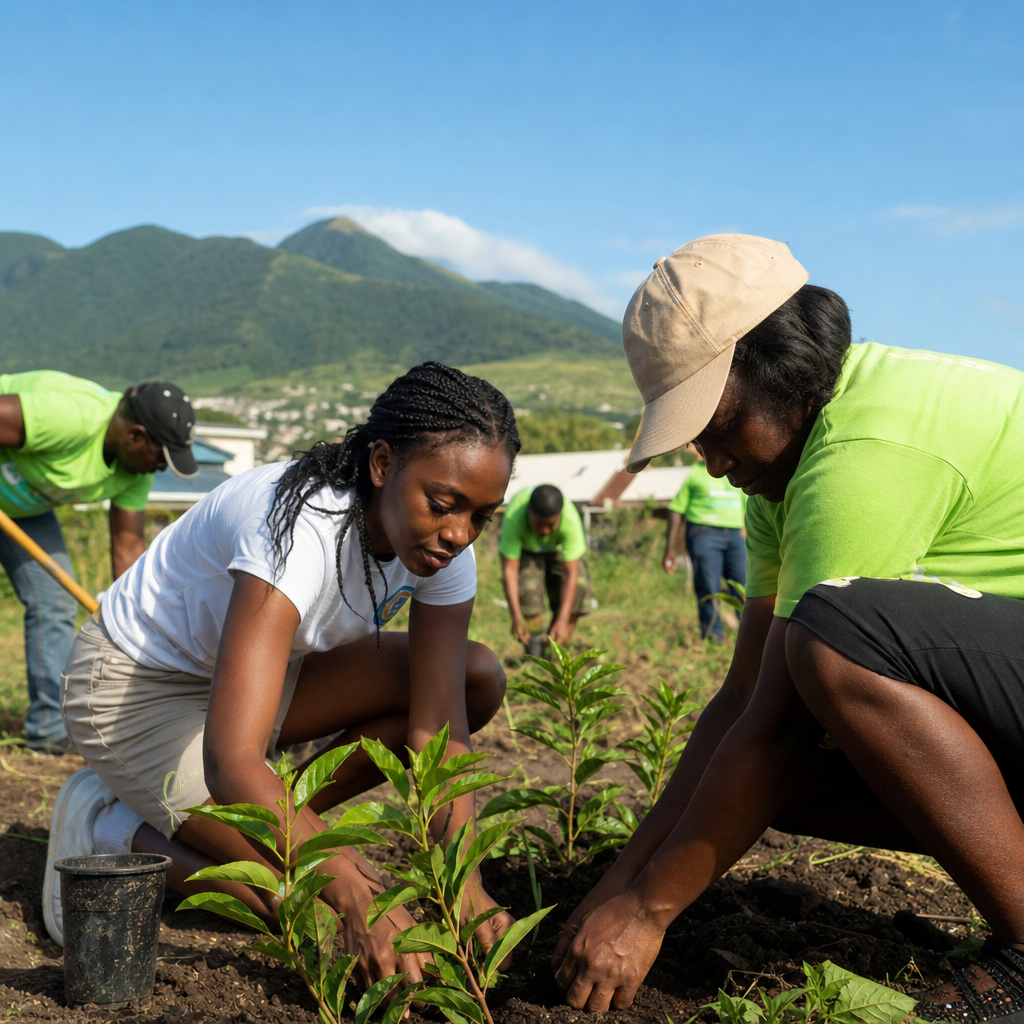
Community health initiatives in Saint Kitts shape how residents prevent disease, access care, and build healthier daily routines across schools, clinics, churches, workplaces, and villages. In practical terms, community health means organized local action that improves population wellbeing outside the hospital ward alone. It includes vaccination campaigns, maternal and child health outreach, nutrition education, mental health support, noncommunicable disease screening, environmental sanitation, elder care, disability services, and emergency preparedness. In Saint Kitts, these efforts matter because the island faces the same pressures seen across the Caribbean: rising diabetes and hypertension, periodic mosquito-borne threats, climate-related hazards, constrained specialist capacity, and the need to serve small, closely connected communities efficiently. Having worked on public-facing health content for island systems, I have seen that success rarely depends on one ministry program by itself. It depends on trusted messengers, consistent primary care, school participation, and local organizations translating policy into action people will actually use. That is why this hub article matters. It brings together the major community health priorities in Saint Kitts, explains how initiatives typically operate, and shows where residents, practitioners, and policymakers can focus attention. For anyone searching what community health initiatives in Saint Kitts include, the direct answer is this: they are coordinated programs that promote prevention, early detection, equitable access, and healthier environments at neighborhood level. Understanding that broad picture helps people navigate services, spot gaps, and support interventions that improve health outcomes islandwide over time.
Primary care, prevention, and neighborhood outreach
The foundation of community health initiatives in Saint Kitts is primary care linked to public health outreach. Community health works best when local clinics do more than treat acute illness. They must also track risk factors, invite residents for screening, provide follow-up counseling, and connect families with social support. In Saint Kitts, this usually means government-led health centers, district nursing services, immunization sessions, antenatal and postnatal contact, and health promotion activities delivered where people already gather. A resident may encounter the health system not first in a hospital, but during a blood pressure check at a community event, a child wellness visit, or a school-based education session on diet and exercise.
Preventive services are especially important on small islands because avoidable complications quickly strain limited capacity. When hypertension is identified early and managed through medication adherence, salt reduction, and regular review, fewer people progress to stroke, kidney disease, or heart failure. The same logic applies to diabetes foot checks, eye referrals, and cholesterol management. Effective neighborhood outreach turns these clinical priorities into routines. Staff members, community health aides, and educators help residents understand what the numbers mean, why repeat visits matter, and how to make realistic changes within local food and work patterns. That practical translation is what makes prevention stick.
Strong outreach also improves continuity. In communities where everybody knows each other, missed appointments are not just scheduling issues; they often reflect transport barriers, caregiving demands, cost concerns, or fear after a difficult diagnosis. Well-run initiatives account for those realities with reminder systems, local partnerships, and simple messaging in plain language. They make care feel reachable rather than distant. For a sub-pillar hub page, the key point is clear: many apparently separate topics, from maternal health to elder care, depend on the same community infrastructure of trusted clinics, outreach staff, and prevention-first planning.
Noncommunicable diseases and healthier lifestyles
Noncommunicable diseases are one of the most urgent areas for community health initiatives in Saint Kitts. Across the Caribbean, diabetes, hypertension, obesity, cardiovascular disease, and some cancers account for substantial illness, disability, and healthcare costs. Community programs respond by moving beyond awareness slogans and focusing on measurable behaviors: screening adults earlier, increasing physical activity, improving food choices, reducing tobacco exposure, and supporting medication adherence. In my experience, the most effective campaigns are repetitive, local, and specific. They do not merely say, eat better. They show how to reduce sugary drinks, read food labels, season foods with less salt, and plan meals around affordable produce and portion control.
Schools, churches, employers, and sports clubs all have roles here. A workplace wellness drive can include blood glucose checks, healthy lunch standards, and walking challenges. A church health ministry can host talks on stroke warning signs and organize pressure checks after service. A school can normalize active play and nutrition education early enough to influence family habits at home. These are not side projects. They are the practical delivery channels for reducing long-term disease burden in a small population where prevention has outsized value.
| Initiative area | Typical community action | Health benefit |
|---|---|---|
| Hypertension control | Regular blood pressure screenings at clinics, workplaces, and public events | Earlier diagnosis and lower stroke risk |
| Diabetes prevention | Nutrition classes, weight management groups, glucose testing | Better blood sugar control and fewer complications |
| Physical activity promotion | Walking clubs, school sports, community exercise sessions | Improved cardiovascular fitness and weight management |
| Tobacco reduction | Education, cessation counseling, smoke-free public messaging | Lower cancer and heart disease risk |
| Healthy eating support | Cooking demonstrations and label-reading education | Reduced salt, sugar, and unhealthy fat intake |
What makes these initiatives credible is follow-through. Screening without referral pathways creates frustration. Education without access to healthier options has limited effect. So successful community health planning in Saint Kitts must align outreach with primary care review, pharmacy access, and social support. It should also respect culture. Traditional dishes and social eating are central to community life, so healthier lifestyle programming works best when it adapts familiar foods instead of dismissing them.
Maternal, child, school, and adolescent health
Another core pillar of community health initiatives in Saint Kitts is support across the life course, beginning before birth and continuing through childhood and adolescence. Maternal and child health programs typically include antenatal care, postnatal follow-up, breastfeeding support, growth monitoring, immunization, developmental checks, and parent education. These services have community value far beyond individual appointments. They reduce preventable complications, help families build healthy routines early, and create regular contact points where concerns about nutrition, housing, mental wellbeing, or domestic stress can be identified before they escalate.
School health matters for the same reason. Schools are one of the most efficient public health platforms on any island. They can deliver vision and hearing checks, vaccination support, oral health education, menstrual health education, physical activity promotion, and age-appropriate instruction on relationships, substance use, and emotional wellbeing. They also reveal inequality quickly. A child who is frequently absent, hungry, or unable to concentrate may need more than classroom intervention. Community health systems function well when teachers, nurses, social services, and parents can coordinate a response without stigma.
Adolescent health deserves special attention because young people often fall between pediatric and adult systems. Effective initiatives address sexual and reproductive health, mental health, violence prevention, digital safety, and substance use in ways that are confidential and realistic. Young people are more likely to engage when services are accessible, respectful, and free from moralizing. In Saint Kitts, where community networks are close-knit, confidentiality is not a minor issue; it is central to whether adolescents seek help at all. Strong community programs recognize that trust is part of service delivery, not an optional extra.
Infectious disease control, environmental health, and preparedness
Although chronic disease dominates long-term planning, infectious disease control remains a vital part of community health initiatives in Saint Kitts. The island must maintain routine immunization, respond quickly to outbreaks, and manage ongoing risks linked to travel, weather, and vector exposure. Mosquito-borne diseases such as dengue have shown repeatedly across the region that community cooperation matters as much as clinical response. Public education on eliminating standing water, household inspections, timely reporting of symptoms, and coordinated vector control can reduce transmission more effectively than isolated messaging after cases rise.
Environmental health is closely tied to this work. Safe water, waste management, food hygiene, housing conditions, and air quality all influence community wellbeing. When sanitation standards slip or drainage systems are blocked, the effects show up in increased vector breeding, contaminated environments, and preventable illness. Community health is therefore not confined to clinics; it includes municipal action, disaster planning, and public compliance. Health authorities, schools, businesses, and households all share responsibility for prevention.
Preparedness is equally important because small islands face hurricanes, flooding, supply disruptions, and heat stress. Community initiatives should include emergency communication systems, protection for older adults and people with disabilities, medication continuity planning, shelter health protocols, and public guidance on water safety, food storage, and mental resilience after disasters. The lesson from recent regional emergencies is straightforward: communities with strong local networks recover faster because residents know where to get credible information, essential supplies, and follow-up care. Preparedness is not separate from community health. It is one of its clearest tests.
Mental health, aging, disability, and community partnerships
Comprehensive community health initiatives in Saint Kitts must also address needs that are often grouped under miscellaneous services but are central to quality of life: mental health, healthy aging, disability inclusion, and partnership-based support. Mental health promotion should include public education, early identification of depression and anxiety, referral pathways for crisis support, and stigma reduction. On small islands, social visibility can discourage people from asking for help, so discreet, respectful, community-based services are essential. Training primary care teams to recognize common mental disorders and connect patients with appropriate support is one of the highest-value investments available.
Healthy aging is another pressing issue as populations live longer with chronic disease. Older adults benefit from medication reviews, fall prevention, mobility support, nutrition guidance, hearing and vision services, and social connection programs that reduce isolation. Community initiatives can make a visible difference through home visits, caregiver education, senior activity groups, and easier links to clinic follow-up. Disability services deserve the same community focus. Accessible facilities, inclusive communication, assistive device support, and coordinated education and employment pathways all improve health outcomes because disability is shaped not only by medical conditions, but also by social barriers.
No single agency can deliver all of this alone. The strongest community health models in Saint Kitts depend on partnerships among the Ministry of Health, schools, churches, nonprofit groups, private clinicians, employers, media outlets, and local leaders. Data also matters. Even simple indicators such as vaccination coverage, blood pressure control rates, screening uptake, and program attendance help identify what is working. A strong hub page should therefore frame miscellaneous community health not as leftover topics, but as the connective tissue of a resilient health system.
Community health initiatives in Saint Kitts are most effective when they are local, continuous, and built around real community behavior rather than one-off campaigns. The central lesson across prevention, chronic disease control, maternal and child services, infectious disease response, mental health, aging, and disability support is that health improves when services meet people where they live and when trusted networks reinforce clinical care. For residents, that means knowing which screenings, vaccinations, education sessions, and support programs are available and using them early instead of waiting for a crisis. For practitioners and decision-makers, it means designing initiatives that are measurable, culturally relevant, and easy to access.
This hub page also shows why miscellaneous community health topics should never be treated as secondary. They are the mechanisms that connect policy to daily life: the blood pressure check at a church hall, the mosquito control message repeated before the rainy season, the school nutrition session that changes a family shopping list, the home visit that keeps an older adult stable, and the discreet mental health referral that prevents a deeper crisis. In Saint Kitts, those practical interventions matter because the scale of the island makes coordinated action both necessary and possible. A well-connected community can spot problems early, respond faster, and support healthier choices more consistently than fragmented systems can.
If you are building, evaluating, or using community health services in Saint Kitts, focus first on the basics that deliver the greatest return: strong primary care links, prevention, reliable outreach, and partnerships people trust. Then explore each related article under this Health and Wellness hub to go deeper into the specific programs, populations, and priorities that shape healthier communities across the island.
Frequently Asked Questions
What are community health initiatives in Saint Kitts, and why do they matter?
Community health initiatives in Saint Kitts are organized efforts that help people stay healthy through local, practical action rather than relying only on hospital-based treatment. These initiatives often include vaccination drives, maternal and child health outreach, nutrition education, blood pressure and diabetes screening, mental health support, school-based wellness programs, and environmental sanitation campaigns. The central idea is simple: when health promotion happens where people live, work, learn, and worship, it becomes easier to prevent illness early and build healthier routines across the population.
They matter because many of the most common health challenges can be reduced through prevention, early detection, and consistent community support. In Saint Kitts, as in many Caribbean settings, noncommunicable diseases such as hypertension, diabetes, and obesity can place a heavy burden on families and the health system. Community initiatives help address these issues by bringing services and information closer to residents, encouraging regular checkups, and supporting healthier habits before complications develop. They also strengthen trust between healthcare providers and the public, which is especially important during immunization campaigns, public health alerts, and long-term wellness efforts.
Just as importantly, community health initiatives recognize that health is shaped by everyday conditions. Clean surroundings, access to nutritious food, emotional wellbeing, social support, and health education all influence outcomes. By working through clinics, churches, schools, workplaces, and village groups, Saint Kitts can create a more connected public health approach that supports individuals across every stage of life.
What types of community health programs are most common in Saint Kitts?
The most common community health programs in Saint Kitts typically focus on prevention, early intervention, and public education. Vaccination campaigns are a strong example, helping to protect children, adults, and vulnerable groups from preventable diseases. Maternal and child health services are also key, offering prenatal guidance, growth monitoring, parenting support, breastfeeding education, and early childhood wellness checks. These programs are especially important because they improve outcomes not only for mothers and infants, but for families and communities over the long term.
Another major area is screening and management for noncommunicable diseases. Community-based blood pressure checks, blood sugar testing, cholesterol awareness, and lifestyle counseling can help residents identify risks before serious complications occur. These efforts are often supported by health fairs, clinic outreach, and workplace wellness activities. Nutrition education also plays an important role, teaching people how to make healthier food choices using realistic, locally relevant strategies rather than one-size-fits-all advice. This may include guidance on portion control, reducing excess salt and sugar, and encouraging more balanced meals for children and adults alike.
Mental health support is increasingly recognized as an essential part of community health. Programs may include counseling referrals, public education on stress and depression, support for young people, and efforts to reduce stigma around seeking help. Environmental sanitation initiatives are another common feature, including clean-up campaigns, vector control awareness, waste management education, and activities aimed at reducing mosquito breeding and other environmental risks. Together, these programs create a broad foundation for healthier living across Saint Kitts by addressing both medical and social influences on wellbeing.
How do schools, churches, clinics, and workplaces contribute to community health in Saint Kitts?
Schools, churches, clinics, and workplaces are essential partners because they reach people in the settings where daily life happens. Schools are especially effective for building healthy habits early. They can support nutrition education, physical activity, hygiene instruction, mental wellbeing awareness, and immunization outreach. When children learn healthy routines in school, those messages often extend into the home, influencing parents and caregivers as well. School-based programs can also help identify concerns early, whether related to vision, nutrition, emotional health, or developmental needs.
Churches and faith-based organizations often play a powerful role because they are trusted community institutions. In Saint Kitts, churches can help promote health education, host screenings, support older adults, encourage participation in wellness activities, and share accurate information during public health campaigns. Their involvement can improve attendance, reduce misinformation, and make health messages feel more personal and accessible. Faith communities also provide social connection, which is important for mental and emotional wellbeing, especially among seniors and individuals facing stress or isolation.
Clinics remain a central anchor for community health, but their impact grows when they engage beyond their walls. Community clinics can organize outreach sessions, monitor chronic disease, provide maternal and child services, deliver vaccinations, and connect residents with preventive care before conditions worsen. Workplaces also matter because adults spend a large part of their time on the job. Employers can support healthier lifestyles through wellness checks, health education sessions, exercise initiatives, healthier food options, and policies that encourage work-life balance. When all of these institutions work together, Saint Kitts benefits from a more coordinated and effective approach to public health.
How do community health initiatives help prevent chronic diseases in Saint Kitts?
Community health initiatives help prevent chronic diseases by focusing on the risk factors that lead to long-term illness. Conditions such as hypertension, diabetes, heart disease, and obesity often develop gradually, which means early action can make a major difference. Through local screenings, residents can learn whether they have elevated blood pressure, high blood sugar, or other warning signs before serious complications emerge. This allows people to seek treatment earlier, adjust their routines, and avoid preventable hospitalizations.
Education is another major tool. Community programs can explain how diet, physical inactivity, stress, tobacco use, and poor sleep affect long-term health. In Saint Kitts, the most effective initiatives are usually those that translate medical advice into practical daily choices people can actually follow. That may include cooking demonstrations, group exercise sessions, support for weight management, or counseling on reducing salt, sugar, and processed foods. By making healthy behavior more understandable and more achievable, these initiatives improve the likelihood of lasting change.
Ongoing support is what turns awareness into results. People are more likely to manage chronic disease risks when they have regular contact with nurses, community health workers, peer groups, or local wellness programs. Follow-up appointments, reminders, family education, and community encouragement all help residents stay on track with medication, nutrition, exercise, and monitoring. In this way, community health initiatives do more than deliver information; they create a support system that helps people prevent disease, manage existing conditions more effectively, and improve quality of life across the island.
What can residents do to participate in and strengthen community health efforts in Saint Kitts?
Residents can strengthen community health efforts in Saint Kitts by becoming active participants rather than passive recipients of care. One of the most important steps is to take advantage of available services, including vaccinations, screenings, health fairs, prenatal visits, child wellness checks, and educational workshops. Attending these programs supports individual wellbeing while also helping public health teams track needs, improve outreach, and identify where additional resources may be required. Staying informed through reliable local sources is equally important, especially during public health campaigns or disease prevention initiatives.
People can also contribute by modeling healthy habits within their households and neighborhoods. Preparing balanced meals, encouraging physical activity, keeping homes and surroundings clean, reducing mosquito breeding sites, and supporting mental wellbeing all have ripple effects. Parents, teachers, church leaders, and employers can reinforce positive behaviors by making health part of everyday conversation and decision-making. Community members who speak openly about prevention, regular checkups, and emotional wellness help reduce stigma and normalize seeking support when needed.
Volunteering and advocacy are also valuable. Residents can assist with local clean-up campaigns, support outreach events, help older adults access services, or join community groups focused on wellness and prevention. They can also advocate for healthier environments, including safer recreational spaces, better nutrition options, and stronger local education efforts. In a place like Saint Kitts, where relationships and community ties are important, collective action has real power. When residents, healthcare workers, civic leaders, and local organizations all play a role, community health initiatives become more effective, more sustainable, and more responsive to the needs of the people they serve.