Colonial rule has left an indelible mark on many countries around the world, and the Caribbean island nation of Saint Kitts and Nevis is no exception. The islands’ history is a tapestry woven with tales of indigenous cultures, European conquests, African slavery, and eventual pathways to independence. Understanding the impact and legacy of colonial rule in Saint Kitts provides a comprehensive perspective on its current socio-cultural landscape.
From the initial Arawak and Carib inhabitants to the British and French colonial periods, the history of Saint Kitts is a cauldron of cultural interactions and conflicts. These interactions have shaped the islands’ culture, governance, economy, and social structures in profound ways. The legacy of colonial rule is still evident in various aspects of life, ranging from architectural styles to legal systems, and even extending into local festivals and customs.
This article explores the multifaceted impact of colonial rule on Saint Kitts and Nevis, shedding light on the events and influences that have shaped the islands’ current identity. It aims to offer both historical insights and a deeper appreciation for the resilience and creativity of its people.
Early Colonial History
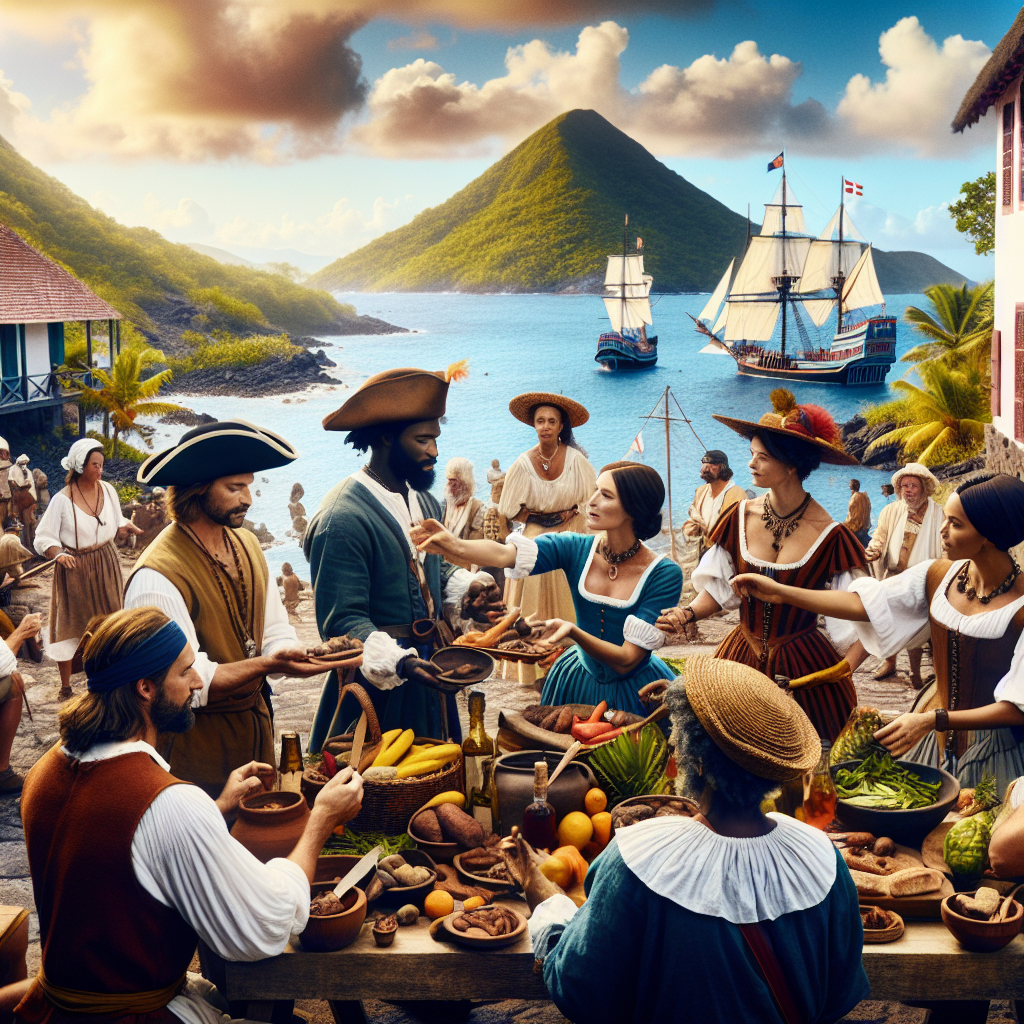
The colonial history of Saint Kitts and Nevis officially began in the early 17th century when European nations turned their eyes toward the Caribbean. The British and French were the key players in the colonization of these islands. In 1623, Sir Thomas Warner led a British colonization effort, establishing the first successful English colony in the Caribbean on Saint Kitts.
The French followed shortly after, settling on the same island. For a brief period, the British and French coexisted, even dividing the island into separate territories. However, this coexistence was tenuous at best and led to numerous conflicts and battles for control. The competition between these two European powers resulted in a series of changes in governance and control, with the Treaty of Utrecht in 1713 finally ceding Saint Kitts entirely to Britain.
During this period, the indigenous Carib population was decimated, primarily through confrontation with the Europeans and the spread of diseases to which they had no immunity. The introduction of African slaves to work on sugar plantations marked another dark chapter, laying the foundation for the island’s economic and social structures that would persist for centuries.
Economic Impact of Colonial Rule
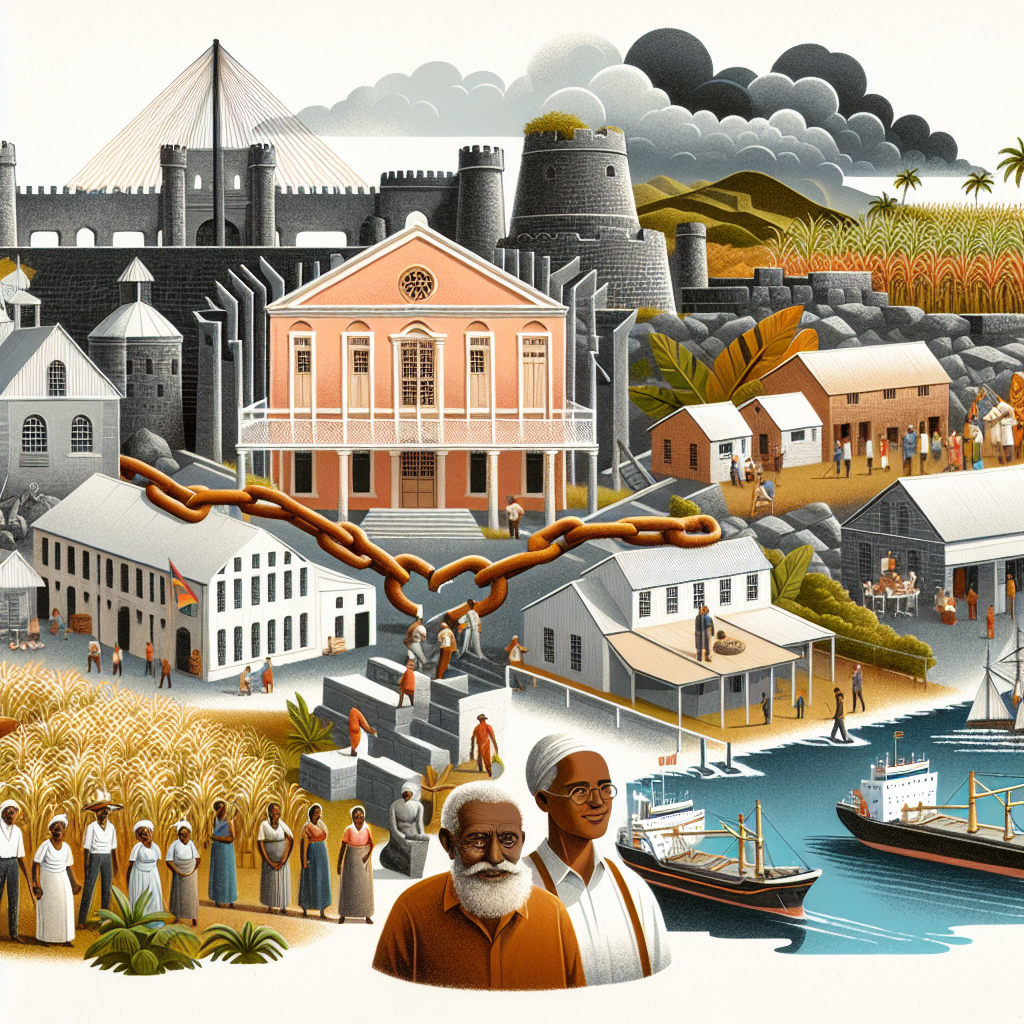
The economic landscape of Saint Kitts during colonial rule was dominated by sugar cane cultivation, which became the backbone of the island’s economy. The introduction of the sugar cane industry brought significant economic change but at a tremendous human cost. African slaves were brought to the islands to work on plantations under inhumane conditions.
The booming sugar industry enriched European plantation owners and bolstered trade relations for the British Empire. Processing of sugar cane into raw sugar and rum for export created substantial economic returns. However, the wealth generated did not benefit the majority of the island’s population. The local economy was essentially controlled by European settlers and plantation owners, perpetuating economic inequality.
Additionally, the monoculture farming of sugar cane made the island’s economy heavily dependent on a single crop. This lack of diversification made Saint Kitts vulnerable to changes in global sugar prices and other economic fluctuations. The legacy of this economic structure has long-lasting implications, as the island struggled to transition to a more diversified economy post-independence.

Cultural Impact and Social Structures
Colonial rule significantly affected the cultural and social structures of Saint Kitts and Nevis. The introduction of European customs, languages, and religions played a pivotal role in shaping the islands’ cultural identity. English became the dominant language, and Anglicanism emerged as the main religion, with numerous churches and religious institutions established during colonial times.
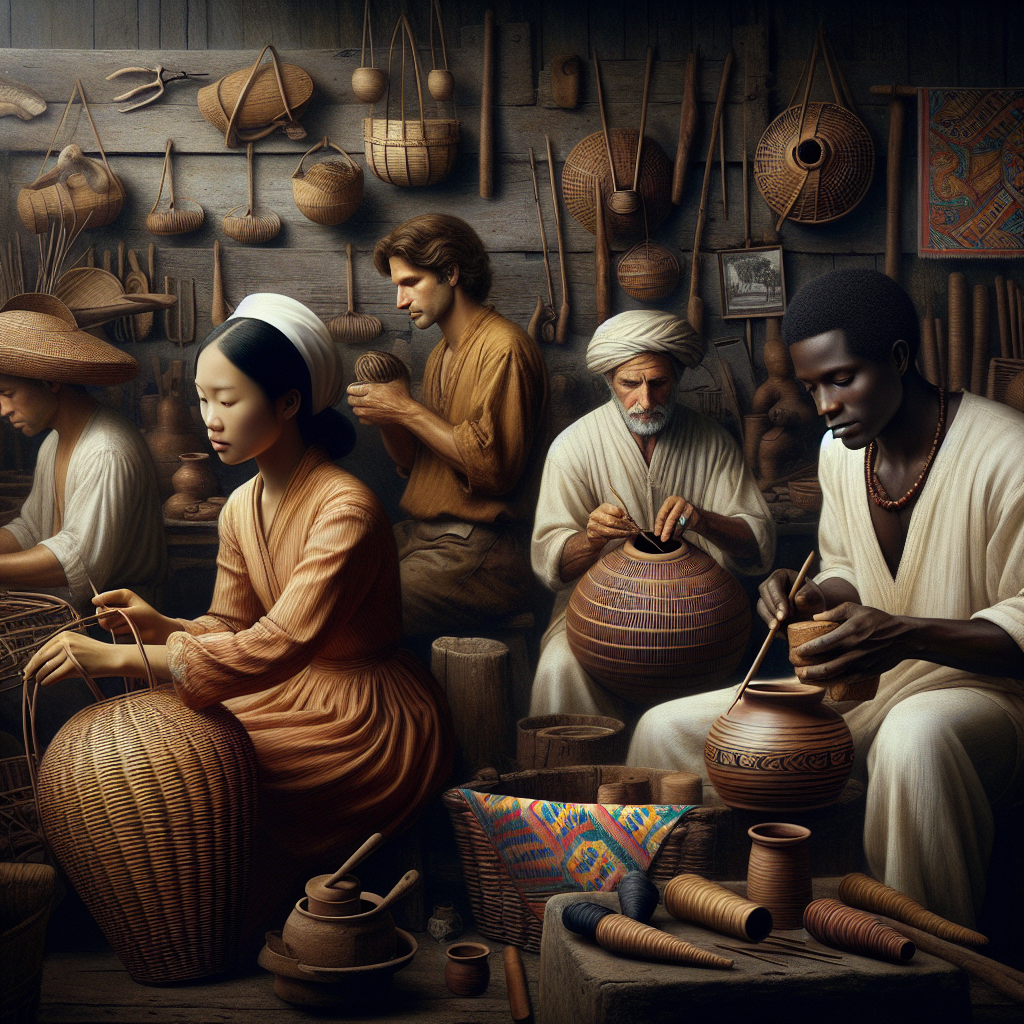
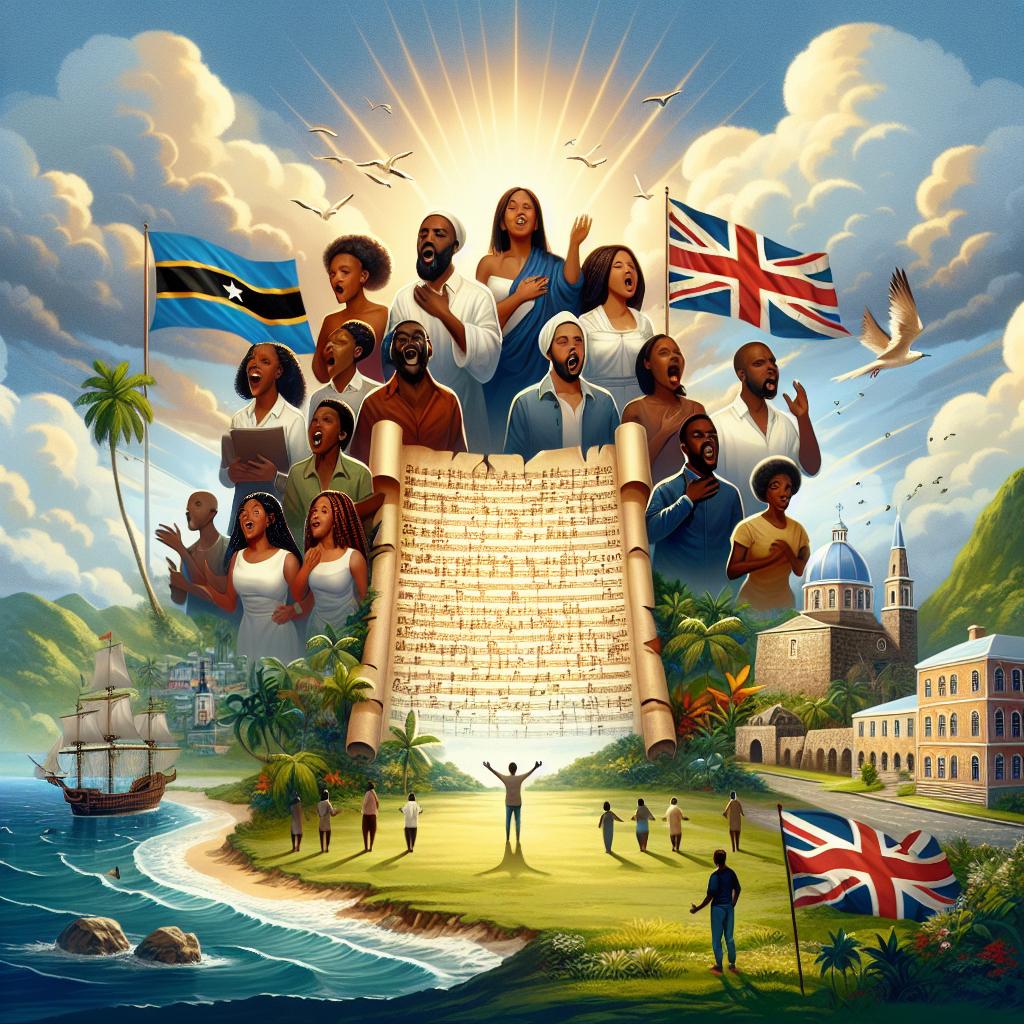
The fusion of African, European, and indigenous influences led to the creation of a unique cultural mosaic. African slaves brought their traditions, music, and folklore, which blended with European customs to give rise to distinctive cultural practices that are still evident today. Festivals such as Carnival and Culturama reflect this rich heritage, showcasing rhythms, dances, and costumes that celebrate the islands’ composite culture.
Social hierarchies were also established under colonial rule, with Europeans occupying the upper echelons of society and Africans and their descendants relegated to the lower tiers. This created deep social divides and influenced the development of class structures that have had lasting effects on social interactions and opportunities.
Political Changes and Road to Independence
The political landscape of Saint Kitts and Nevis underwent significant transformations during and after colonial rule. The islands were initially managed as part of the British colonial system, with local governance structures imposed to maintain control over the population and resources. These structures included the establishment of colonial assemblies, but real political power remained in the hands of the British.^
The 20th century brought growing demands for political reforms and greater autonomy. Movements for self-governance gained momentum, leading to the establishment of more inclusive political institutions and the gradual transfer of power. The Morant Bay Rebellion and other such uprisings in the Caribbean region also influenced the political climate of Saint Kitts and Nevis, highlighting the desire for freedom and equality.
In 1967, Saint Kitts and Nevis achieved Associated Statehood, granting them control over internal affairs while the British retained responsibility for defense and foreign policy. Full independence was granted on September 19, 1983, marking a new chapter in the islands’ history. The newly-formed nation faced the challenge of building a stable political system and addressing the legacies of colonial rule, including economic dependency and social inequalities.
Post-Colonial Legacy
The post-colonial legacy of Saint Kitts and Nevis is characterized by efforts to balance tradition and modernity while addressing the remnants of colonial influence. The transition from a plantation-based economy to one that is more diversified involved significant challenges. Tourism has emerged as a key economic sector, attracting visitors to the islands’ scenic landscapes, historical sites, and vibrant culture.
The islands have also worked to strengthen their educational and healthcare systems, with the aim of improving the quality of life for all citizens. The emphasis on education has led to higher literacy rates and greater opportunities for professional development, helping to bridge the socio-economic gaps that were entrenched during colonial rule.
Politically, Saint Kitts and Nevis have continued to nurture democratic institutions, fostering a sense of national identity and pride. The islands have also played a role on the international stage, participating in regional organizations such as the Caribbean Community (CARICOM) and the Organisation of Eastern Caribbean States (OECS).
Conclusion
The legacy of colonial rule in Saint Kitts and Nevis is multifaceted, encompassing both the enduring impacts of European colonization and the resilience and adaptability of its people. The islands’ history is a testament to the blending of diverse cultures and the ongoing efforts to create a more equitable and prosperous society.
Understanding the colonial history of Saint Kitts and Nevis provides valuable insights into the challenges and triumphs that have shaped the nation’s journey to the present day. It also emphasizes the importance of acknowledging and addressing the historical contexts that continue to influence contemporary issues.
As Saint Kitts and Nevis move forward, the lessons of the past serve as a guide for building a future grounded in respect for diversity, social justice, and sustainable development. The islands’ unique heritage and vibrant culture stand as a testament to their enduring spirit and determination to thrive despite historical adversities.
Whether exploring its historical landmarks or engaging with its lively cultural traditions, visitors to Saint Kitts and Nevis are offered a rich tapestry of experiences that reflect both the impact of colonial rule and the dynamic legacy of its people.