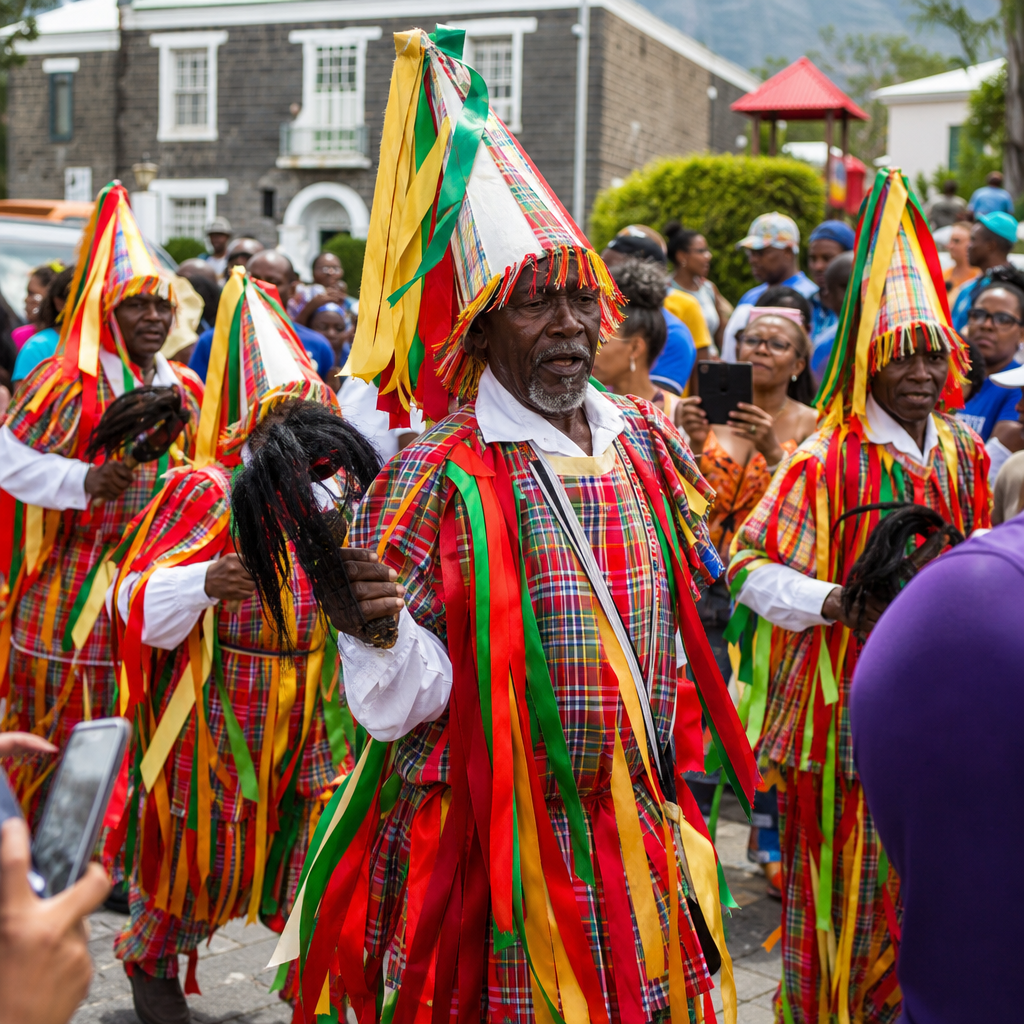
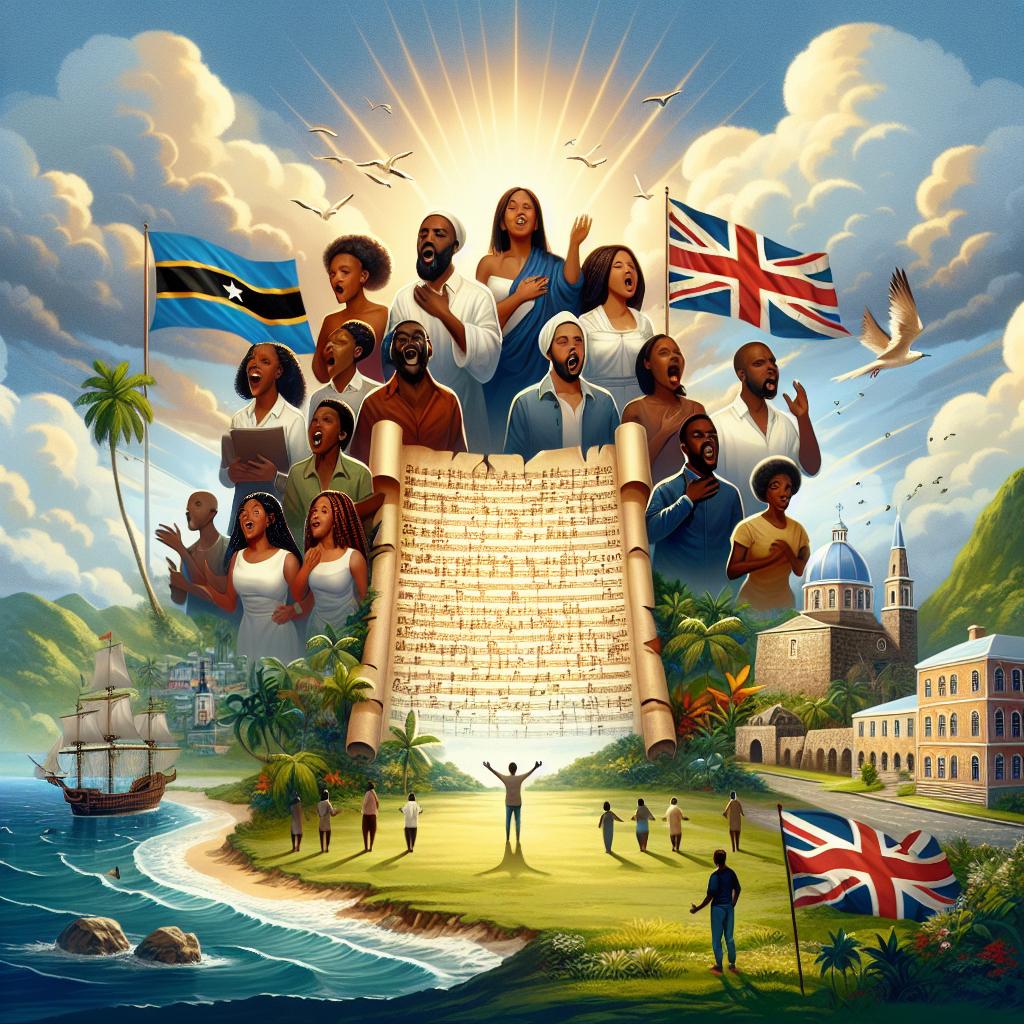
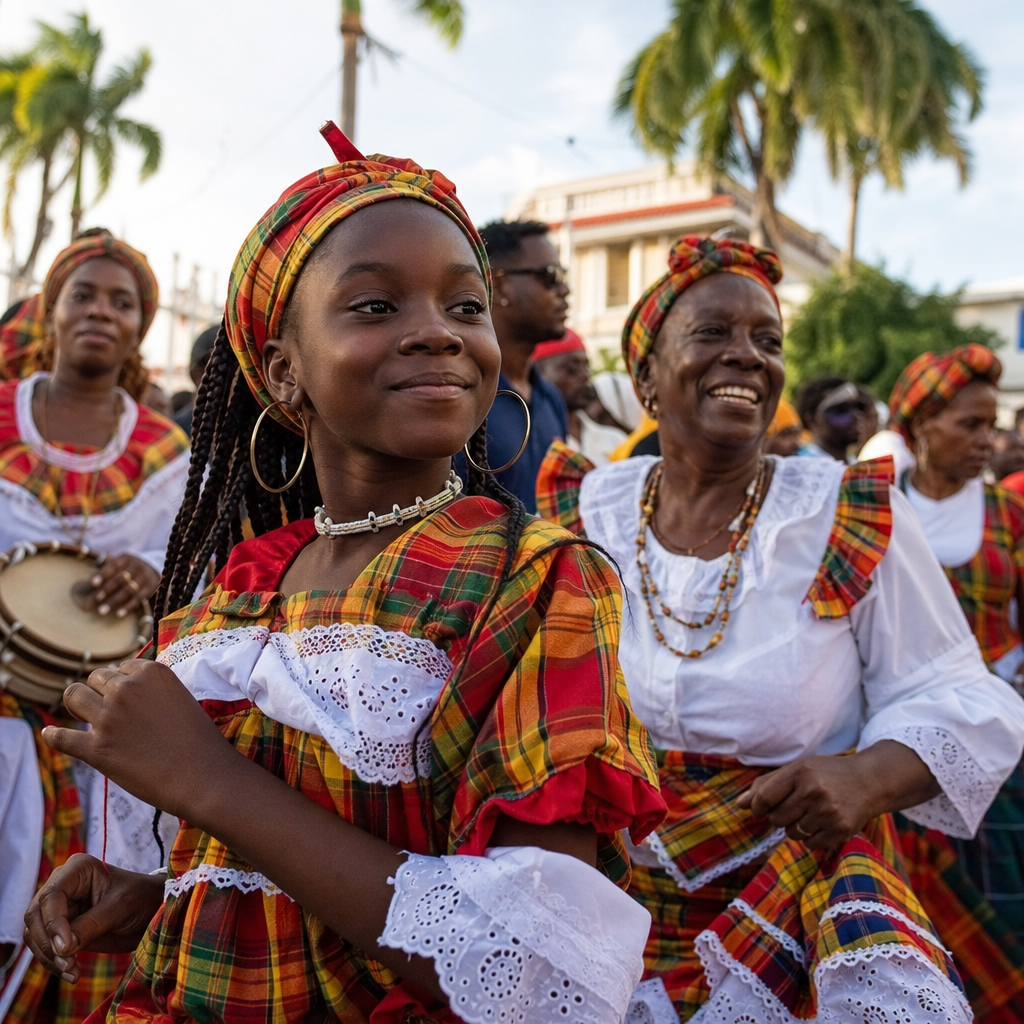
The twin-island nation of Saint Kitts and Nevis boasts a rich cultural heritage steeped in colonial history, vibrant traditions, and breathtaking landscapes. Historically a center of sugar production and colonial conflict, the islands have transformed into a haven for tourists seeking a mix of beautiful beaches and historical intrigue. Given the significance of maintaining this heritage, restoration of historical sites across Saint Kitts is essential. These endeavors not only preserve the legacy of the past but also enhance cultural understanding and boost tourism, creating economic benefits for local communities. This article delves into the various restoration projects, their significance, and the future of historical preservation in Saint Kitts.
The Importance of Heritage Preservation
Heritage preservation is pivotal for many reasons, including the education of future generations, maintaining cultural continuity, and promoting national pride. In Saint Kitts, preserving historical sites allows insight into the Caribbean’s complex past, from pre-colonial times through European colonization and the horrors of slavery, to modern-day independence. Restoration projects help safeguard structures that serve as tangible reminders of these eras, hosting cultural events, and serving as tourist attractions. These sites represent not just the blood, sweat, and tears of ancestors but also the resilience and strength of their descendants. By repairing and maintaining these historical landmarks, Saint Kitts secures a living history that continues to narrate the nation’s rich and nuanced stories.
Brimstone Hill Fortress National Park
The Brimstone Hill Fortress National Park, a UNESCO World Heritage Site, exemplifies successful historical preservation. Built by African slaves under British colonial rule, this fortress is one of the best-preserved fortifications in the Western Hemisphere. Restoration efforts have focused on stabilizing the crumbling ramparts and refurbishing the museum to provide an immersive experience. The fortress is a powerful reminder of colonial military might and the labor of enslaved Africans. Modern interventions ensure its history is not just remembered but felt, as visitors walk the same pathways trodden centuries ago. These efforts imbue the site with life, transforming it from mere ruins into a living classroom of history and architecture.
Old Road Town: Reviving the First Capital
Old Road Town holds the distinction of being the first British capital of the Caribbean. Founded in 1632, this site witnessed the initial European colonization wave in the region. Restoration projects in Old Road Town focus on salvaging remaining structures from the era and reconstructing key buildings. This includes the historical churches and plantations that narrate stories of early colonial settlers and enslaved people. Local artisans and historians collaborate to ensure that restorations are both accurate and sustainable, using traditional materials and methods where possible. Efforts to rejuvenate Old Road Town don’t just involve physical reconstruction but also invigorating the area’s community life, fostering a rejuvenation of local traditions and crafts.

Romney Manor and Wingfield Estate
Romney Manor, alongside the associated Wingfield Estate, offers another poignant glimpse into the past of Saint Kitts. This estate was one of the first to be established on the island and played a significant role in its agricultural development. Restoration projects here emphasize maintaining the balance between preserving the site’s historical integrity and adapting it for contemporary use. This includes restoring the old sugar plantation machinery and revitalizing the estate’s botanical gardens, which now serve both educational purposes and as tourist attractions. The restoration incorporates interpretative signage and guided tours, ensuring that every visitor leaves with a deeper understanding of the complex socio-economic dynamics that shaped the island’s history.
Restoring Lesser-Known Sites: The Hidden Gems
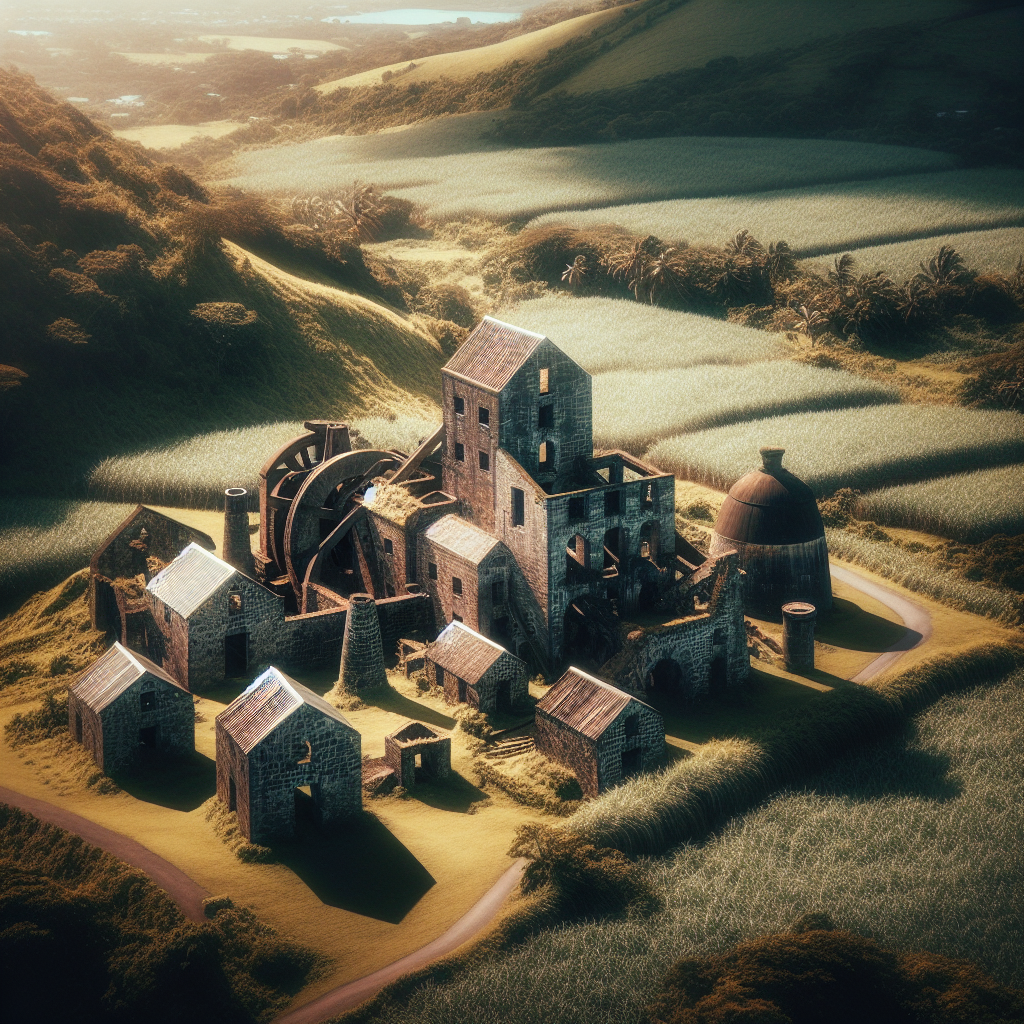
While prominent sites like Brimstone Hill and Romney Manor receive significant attention, numerous lesser-known historical sites across Saint Kitts also contribute to the rich cultural tapestry. Restoration of these sites is crucial for a comprehensive preservation approach. Places like the remnants of old sugar mills, small colonial-era cemeteries, and abandoned estate houses, though not as grand, hold equal historical value. Restoration projects for these hidden gems often involve local community efforts and partnerships with international preservation societies. These projects aim to uncover and elucidate the untold stories of the people who lived, worked, and struggled in these smaller yet profoundly impactful locations, thereby completing the historical narrative of Saint Kitts.
Challenges and Future Prospects
Restoration efforts in Saint Kitts, while highly commendable, face several challenges. Financial constraints loom large, as maintaining historical sites requires substantial and often ongoing investments. Environmental factors like hurricanes and tropical climate also pose risks, necessitating the use of durable materials and modern preservation techniques. Moreover, balancing tourism with preservation is a delicate act—excessive foot traffic can damage fragile sites, yet tourism revenue is often essential for funding restoration. Looking ahead, increased community involvement, international funding, and the integration of technology in preservation efforts will be pivotal. Drone surveys, 3D reconstructions, and virtual reality experiences could offer new ways to document and present these historical treasures, ensuring their preservation and accessibility for future generations.
Conclusion
The ongoing restoration of historical sites in Saint Kitts is a testament to the island’s commitment to preserving its rich past while paving the way for future generations to understand and appreciate their heritage. From the grandeur of Brimstone Hill Fortress to the quiet dignity of lesser-known sites, each restoration effort contributes to a collective memory that enriches the island’s cultural landscape. These preserved landmarks are not just tourist attractions but essential chapters in the story of Saint Kitts, embodying the triumphs and tribulations of its people. Continued dedication to this cause ensures that the lessons of history remain vibrant and accessible, fostering a deeper appreciation for the island’s unique and enduring legacy.