Saint Kitts is an idyllic island in the Caribbean, renowned for its stunning landscapes, vibrant culture, and rich history. Among the many expressions of Saint Kitts’ cultural heritage, the annual carnival stands out as a vibrant celebration that encapsulates the soul and essence of the island. Saint Kitts’ Carnival, also known as Sugar Mas, is more than just a festival; it’s a historical and cultural revival that captures the spirit of the island and its people. This article delves into the historical roots, evolution, and cultural significance of Saint Kitts’ Carnival, providing a comprehensive overview for both history enthusiasts and travelers looking to immerse themselves in the island’s unique festivities.
Historical Roots
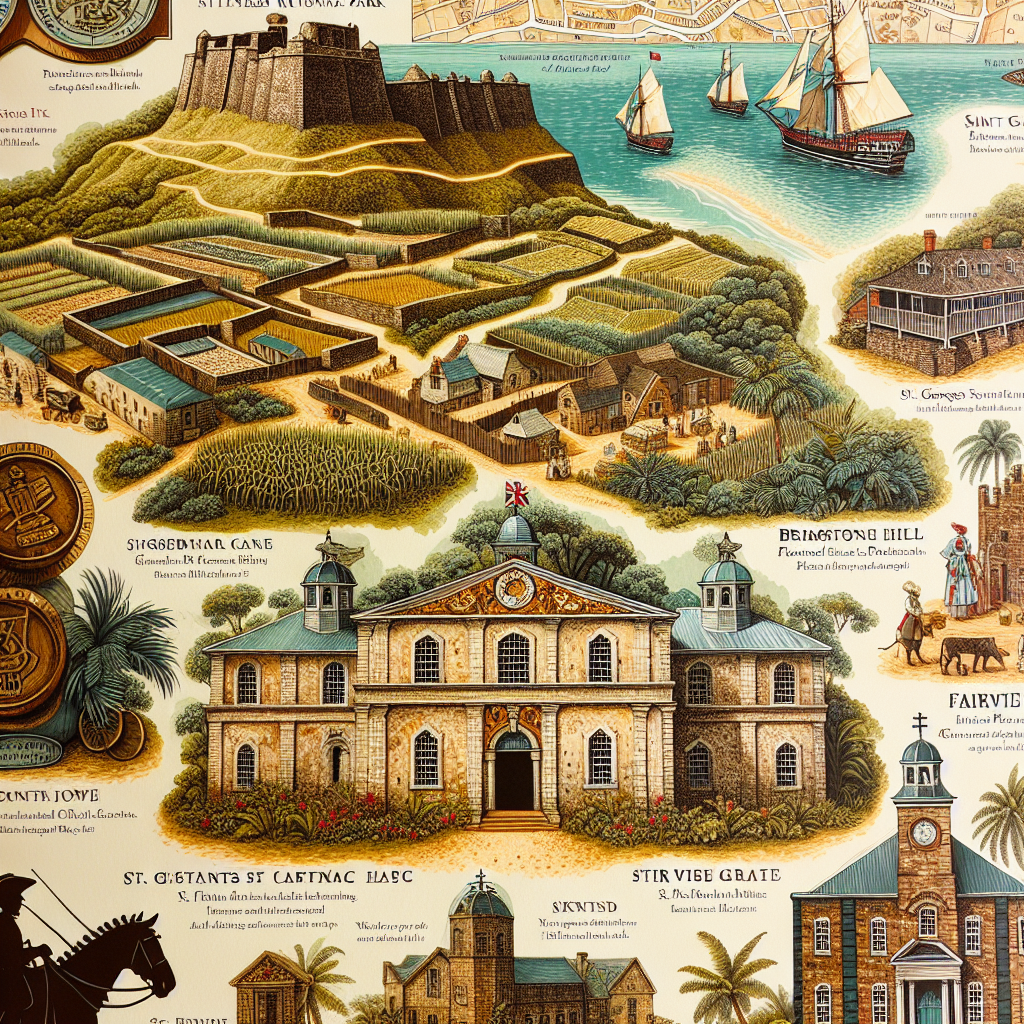
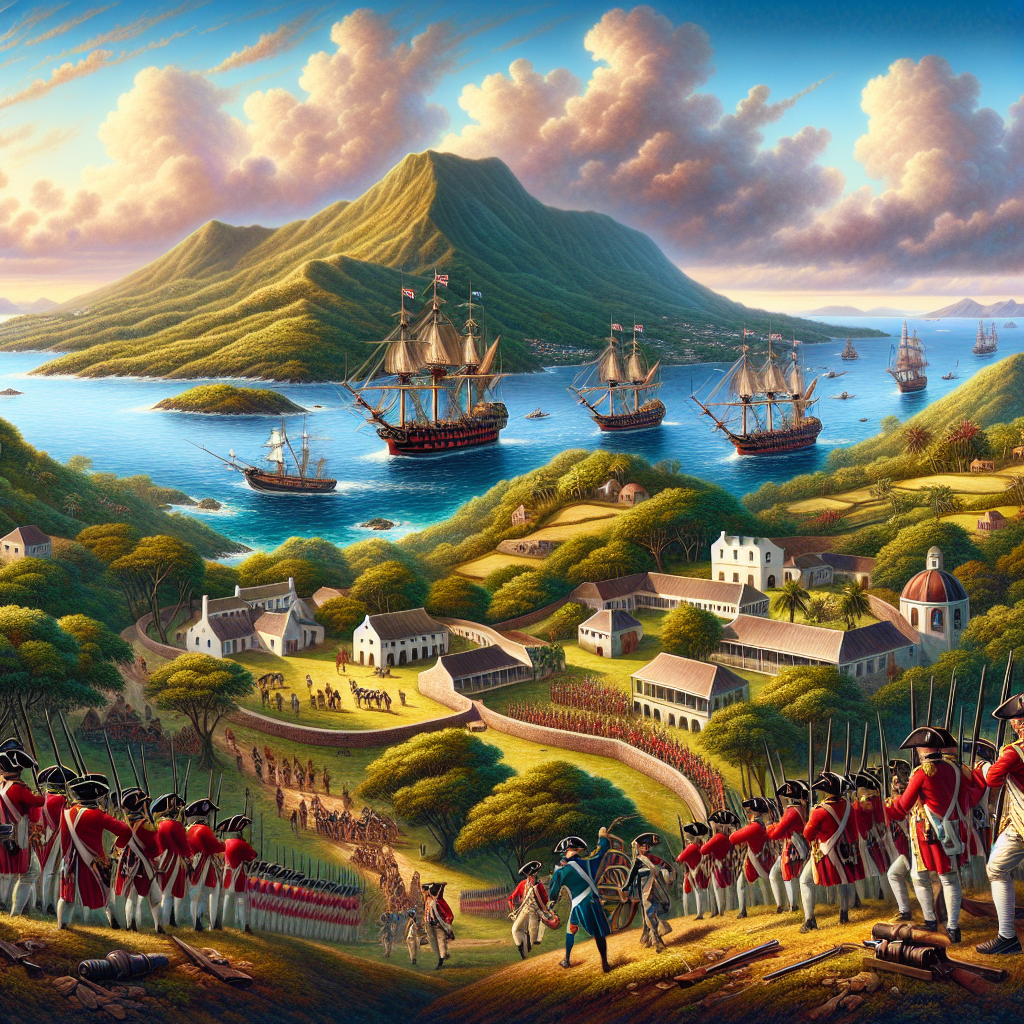
The origins of Saint Kitts’ Carnival are deeply entwined with the island’s complex history of colonization, slavery, and emancipation. The first European settlers, primarily the English and French, brought their own religious and cultural celebrations to the island. However, it was the African slaves who were brought to the island in the 17th and 18th centuries who laid the foundation for what would eventually become Sugar Mas. These enslaved Africans managed to preserve elements of their ethnic heritage, integrating them with European customs, resulting in a unique Creole cultural tapestry. The carnival emerged as a form of resistance and expression, where the enslaved could embody freedom, however momentary, through dance, music, and masquerade.
Evolution Over the Centuries
Throughout the centuries, Saint Kitts’ Carnival has evolved significantly. The abolition of slavery in 1834 marked a pivotal point, giving formerly enslaved people greater freedom to celebrate their cultural heritage openly. Initially, the carnival was a smaller, localized affair that included various forms of traditional African dance, music, and masquerades. By the mid-20th century, the carnival began to take on a more organized structure, attracting not just locals but visitors from other Caribbean islands and beyond. Events such as J’Ouvert, the Grand Carnival Parade, and the Calypso competitions became integral parts of the celebrations, each contributing to the rich tapestry of the festival.
Cultural Significance
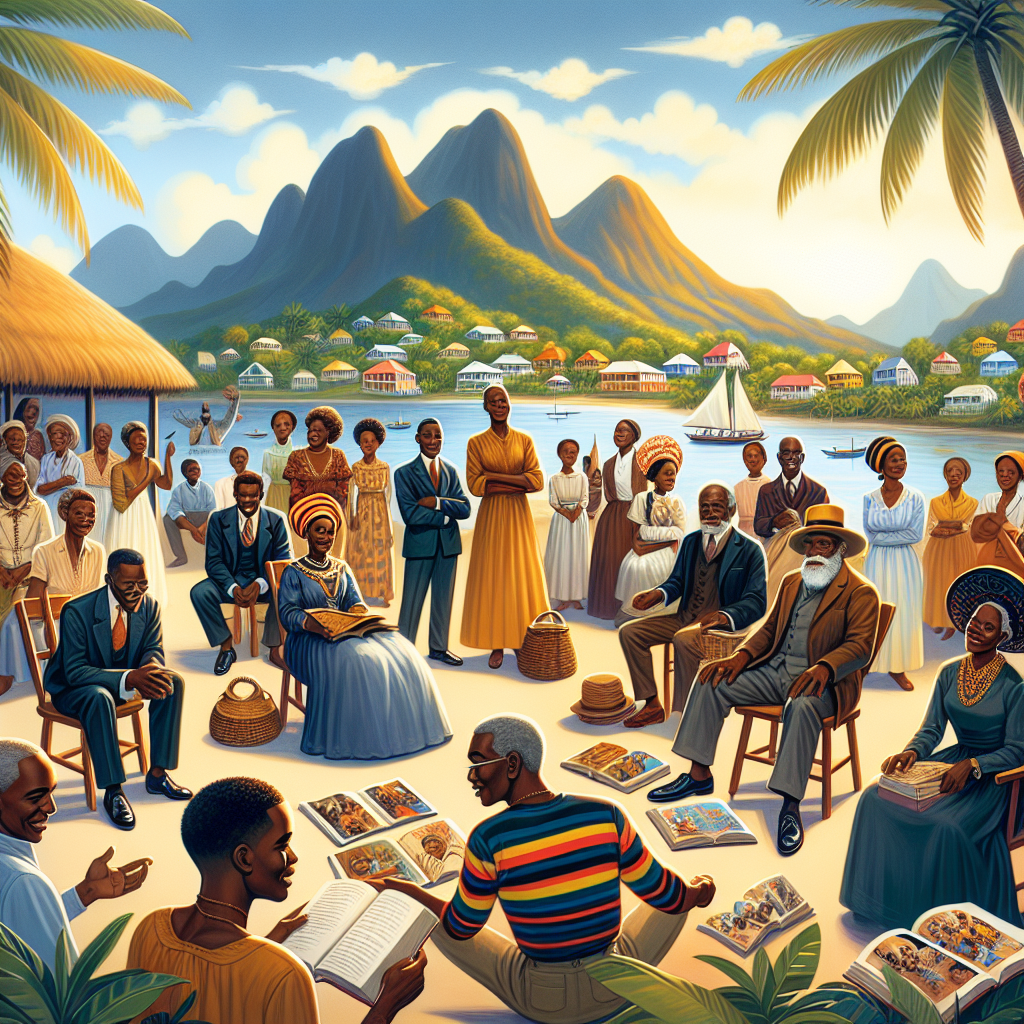
For the people of Saint Kitts, the carnival is more than just a series of events; it is a potent expression of their cultural identity and historical resilience. The festival serves as a living repository of the island’s history, reflecting the struggles and triumphs of its people. The traditional costumes, often handmade, symbolize various aspects of Kittitian folklore and history. The music, especially Calypso and Soca, tells stories of social and political issues, blending humor with sharp social commentary. The energy and vibrancy of the carnival are a testament to the enduring spirit of the Kittitian people, making it a time for communal reflection, celebration, and unity.
Modern-Day Carnival
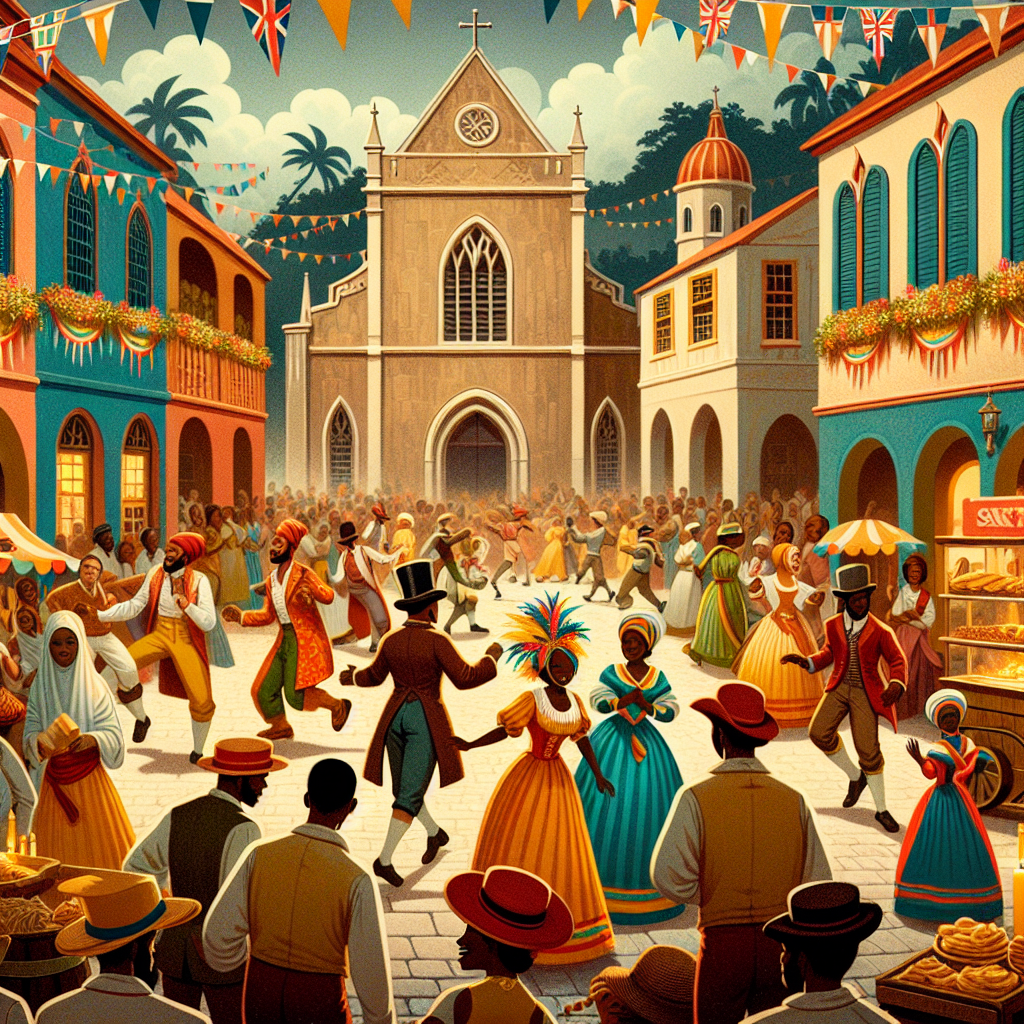
In contemporary times, Saint Kitts’ Carnival has grown to become one of the most anticipated events in the Caribbean calendar. Held every year from December to January, the carnival season includes a series of events that attract thousands of participants and spectators. Modern elements have been incorporated into the traditional framework, including international artists, elaborate floats, and corporate sponsorships. The Grand Parade, with its spectacular array of colors and creativity, is a highlight that showcases the artistic talents of the island’s people. Furthermore, elements like the Queen Show, where contestants vie for the title of Carnival Queen, add a touch of pageantry to the festivities.
Events and Festivities
Saint Kitts’ Carnival is a month-long celebration filled with various events that cater to a diverse audience. Here are some of the highlights:
- J’Ouvert Morning: This pre-dawn festivity marks the official start of the street parade, characterized by unrestrained revelry, music, and dance.
- Grand Parade: A dazzling display of costumes, floats, and cultural groups that march through the streets of Basseterre, the capital of Saint Kitts.
- Calypso Monarch Competition: A fiercely contested event where calypsonians perform satirical and often thought-provoking songs.
- Electric J’ouvert: A modern twist to the traditional J’Ouvert, featuring electronic music and light displays.
- Last Lap: The final street party of the carnival season, offering one last chance for revelry.
Each event is a unique experience, adding to the overall richness and diversity of the carnival.
Tips for Travelers
If you plan to visit Saint Kitts during the carnival season, here are a few tips to enhance your experience:
- Book Early: Accommodation and flights can fill up quickly, so it’s advisable to make your arrangements well in advance.
- Stay Hydrated: The weather can be quite hot, and with all the dancing and revelry, it’s essential to drink plenty of water.
- Embrace the Culture: Participate in the events, mingle with the locals, and try to understand the cultural significance behind each festivity.
- Plan Your Schedule: With so many events, it can be overwhelming to choose. Plan your itinerary to make sure you don’t miss out on the highlights.
- Respect Local Customs: Remember that Carnival is a deeply rooted cultural expression, so always show respect and consideration for the local traditions and participants.
Following these tips will help ensure that you have an unforgettable and enriching experience at Saint Kitts’ Carnival.
Conclusion
Saint Kitts’ Carnival is a dazzling tapestry of history, culture, and entertainment that offers something for everyone. From its origins as a form of resistance and cultural expression among enslaved Africans to its present-day status as a major Caribbean celebration, the carnival has always been a vital part of the island’s identity. Whether you’re a history enthusiast seeking to understand the deeper cultural roots or a traveler looking for an exciting and vibrant experience, Sugar Mas offers a unique glimpse into the heart and soul of Saint Kitts. So pack your bags, immerse yourself in the festivities, and become a part of this incredible story that continues to unfold each year.