The small Caribbean island of Nevis, often overshadowed by its larger neighbor, St. Kitts, is a hidden gem that holds a wealth of history intertwined with its verdant landscapes. One of the most captivating aspects of Nevis is its collection of historical plantations, which offer a fascinating journey into the island’s past. Exploring these plantations is not just a walk through nature; it is an enriching experience that captures the essence of Nevisian history and culture. These former sugar estates provide a glimpse into the bygone era of plantation life, the complexities of colonialism, and the resilience of the people who called Nevis home. As we delve into the world of Nevis’ plantations, we will uncover tales of wealth, power, labor, and culture, all set against the backdrop of stunning tropical scenery that makes this island paradise so alluring. Whether you are a history buff, nature enthusiast, or simply a curious traveler, exploring these plantations promises a memorable journey through time and landscape.
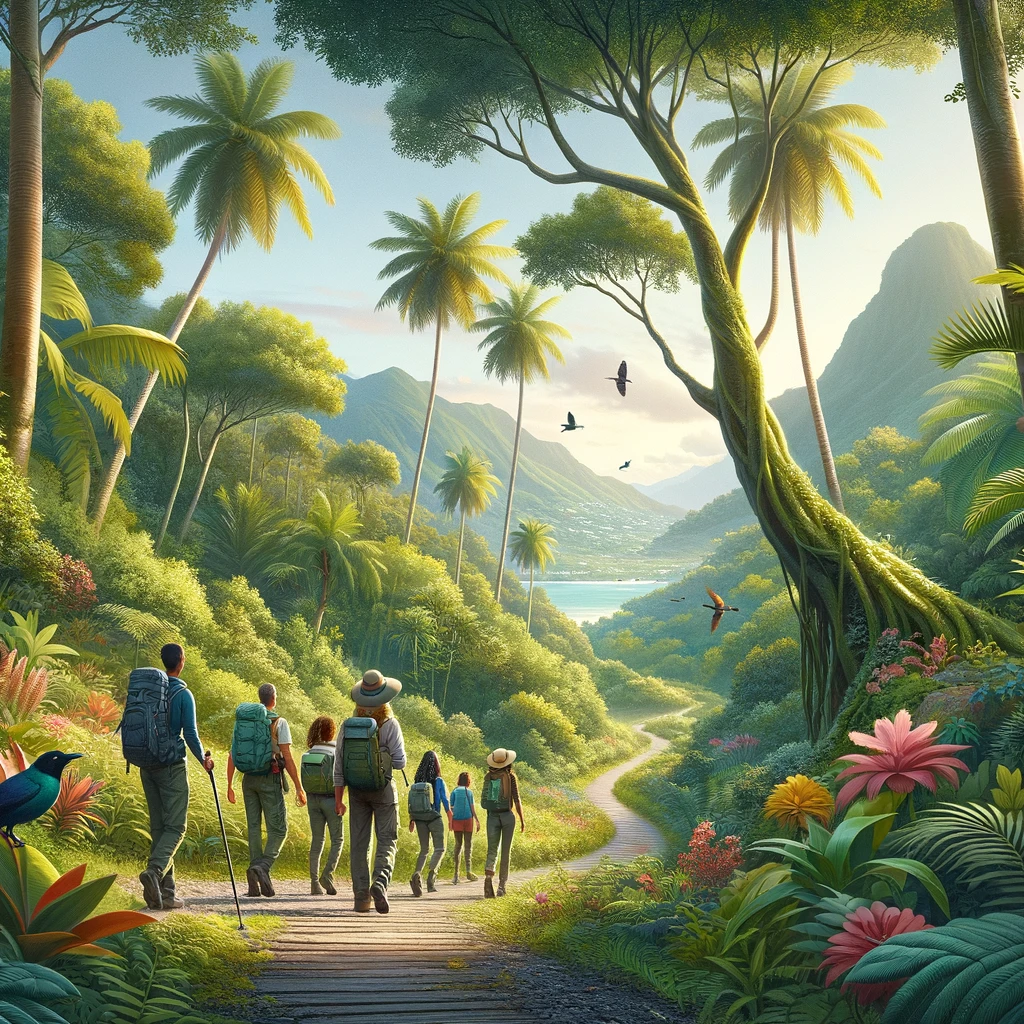
Nevis’ plantations are much more than just relics of the past; they are living museums that preserve the collective memory of the island’s inhabitants. The importance of these sites goes beyond their historical significance, as they also play a crucial role in the conservation of Nevis’ biodiversity. Walking through these plantations, visitors are treated to a rich tapestry of lush greenery, rare plant species, and diverse wildlife. This harmonious blend of history and nature makes exploring Nevis’ plantations a truly unique and immersive experience. As you wander through the remains of sugar mills and grand houses, the whispers of the past echo through the rustling leaves, inviting you to delve deeper into the stories etched within these ruins.
Body Sections
The Historical Significance of Nevis’ Plantations
Nevisian plantations have their roots deeply entrenched in the island’s colonial history. During the late seventeenth and eighteenth centuries, Nevis emerged as a thriving hub in the Caribbean sugar trade. The plantations were the heart of this boom, transforming the island’s economy and landscape. The demand for sugar led to the establishment of large estates, some of which remain today as poignant reminders of Nevis’ role in the colonial sugar industry.
These plantations were centers of wealth and power, often owned by wealthy European families and managed by overseers. They employed enslaved Africans, whose labor was critical to the prosperity of the estates. The stories of these individuals, who toiled under harsh conditions, are crucial to understanding the full historical context of Nevis’ plantations. The remnants of slave quarters, mills, and great houses bear witness to this era, offering a stark yet vital perspective on the island’s past.
A Peek into Plantation Life: Economy and Social Fabric
At the height of the sugar boom, life on a Nevisian plantation was a microcosm of colonial society. The great houses, stately and commanding, were home to the plantation owners, who enjoyed a lifestyle of luxury supported by the profits of sugar production. These homes, often strategically located to oversee operations, were the social centers for the elite, a contrast to the hard life of the enslaved workers who lived and labored nearby.
Walking through the ruins of these great houses, one can almost feel the echoes of lavish balls and formal dinners that once filled these spaces with life and extravagance. The architecture of some estates still hints at the grandeur of the past, with remnants of stone walls, broad verandas, and lush gardens. Today, many of these properties have been converted into heritage sites or accommodations, allowing visitors to step back in time and picture the daily activities that occurred within these walls.
The estates were supported by a complex system of agriculture and trade, with sugarcane dominating the landscape. The sugar mills were the beating heart of the plantations, where raw cane was processed into refined sugar. These mills, some still standing today, are engineering marvels of their time and illustrate the industrial aspect of the plantation economy. Visitors to these sites can observe the massive machinery and learn how the sugar production process shaped the island, both economically and socially.
Rediscovering Nature: Flora and Fauna on Plantations
As much as Nevis’ plantations are monuments to its colonial history, they are also havens for diverse flora and fauna. The transition from cultivated sugar fields to lush forests has allowed a unique ecosystem to flourish. Today, these former plantations are rich in biodiversity, with many rare and endemic species of plants and animals thriving among the ruins.
Exploring these estates, visitors may encounter a variety of plant species, such as towering mahogany trees, vibrant tropical flowers, and unique orchids. These plants have reclaimed the land, weaving through the stone structures and breathing life into the abandoned spaces. This natural reclamation is a testament to nature’s resilience and ability to adapt and thrive, even in places once dominated by human agriculture.
Alongside the plant life, the plantations are home to an array of wildlife. Birdwatchers may be delighted by the presence of colorful hummingbirds, while nature enthusiasts can seek out local reptiles and amphibians. The combination of natural beauty and historical intrigue makes each plantation a unique sanctuary where history and nature exist in harmony.
Notable Plantations to Explore
Nevis is home to several plantations each with its own unique charm and story. Montpelier Plantation, for example, is well known for being the site of the marriage of Admiral Lord Nelson. This plantation combines historical significance with luxury, offering accommodations within a setting that blends colonial heritage with modern comforts. Visitors can wander through the grounds, admiring the lush surroundings while pondering the historical moments that unfolded in this very locale.
The Hermitage Plantation emphasizes a more rustic charm and holds the distinction of being one of the oldest wooden dwellings in the Caribbean. This plantation exudes authenticity, providing guests with a glimpse into the traditional architecture and lifestyle of the island’s past. The houses, crafted from local woods, offer an intimate connection to Nevis’ history, while the surrounding gardens showcase the island’s natural beauty.
New River Plantation, another important site, invites visitors into the world of sugar production. A walk through its remains, including sugar mills and boiling houses, offers insights into the labor-intensive process that shaped Nevis’ economy. The site is a poignant reminder of the island’s agricultural roots and provides a contemplative space to reflect on the island’s past narratives.
Preservation and Community Involvement
The preservation of Nevis’ plantations involves collaboration between local communities and conservationists to maintain these historical and ecological sites. Efforts are made to restore, maintain, and promote these areas not only as tourist attractions but also as cultural heritage sites that narrate Nevis’ history.
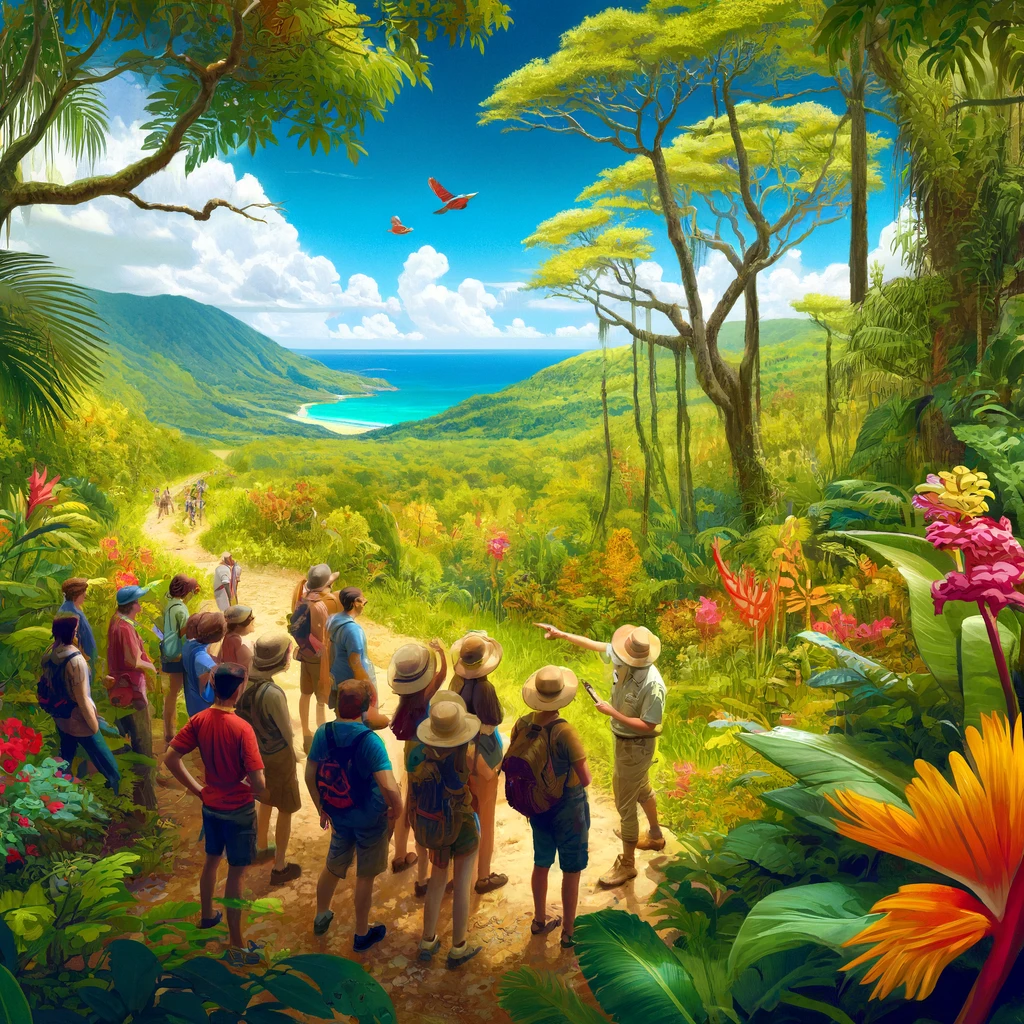
Local involvement in these initiatives is crucial, ensuring that the knowledge and traditions associated with these plantations are passed down through future generations. Educational programs and guided tours help visitors understand the plantation’s historical context, promoting appreciation and respect for Nevis’ cultural and natural heritage.
By engaging in preservation efforts, Nevisians also reclaim their past and recognize the importance of these sites in shaping their identity. This not only helps keep these stories alive but also ensures that the beauty of the plantations can continue to be enjoyed by both locals and visitors alike.
Conclusion
Exploring the plantations of Nevis offers a remarkable journey through both nature and history. The island’s plantations are not just remnants of a bygone era; they are testaments to the resilience of people and nature. These sites encapsulate stories of triumph and hardship, weaving together the lives of those who shaped Nevis’ history. The lush landscapes and enduring structures are portals to the past, providing an opportunity to reflect on the island’s transformation over the centuries.
For those visiting Nevis, these plantations serve as key attractions that reveal the island’s multifaceted history. Whether you immerse yourself in the opulence of historic great houses, wander through remnants of sugar mills, or simply enjoy the natural beauty that has reclaimed these spaces, each visit is a chance to connect with Nevis’ rich cultural tapestry. The island’s dedication to preserving these sites ensures that they remain vibrant, living testaments to history.
Nevis’ plantations stand as living museums, where every plant and structure tells a story that is waiting to be discovered. They invite each visitor to step back in time, appreciate the complex narratives of the past, and admire the island’s ongoing relationship with its lush and storied land. Whether you are drawn by history, nature, or the captivating mix of both, Nevis’ plantations promise an enlightening and unforgettable experience.