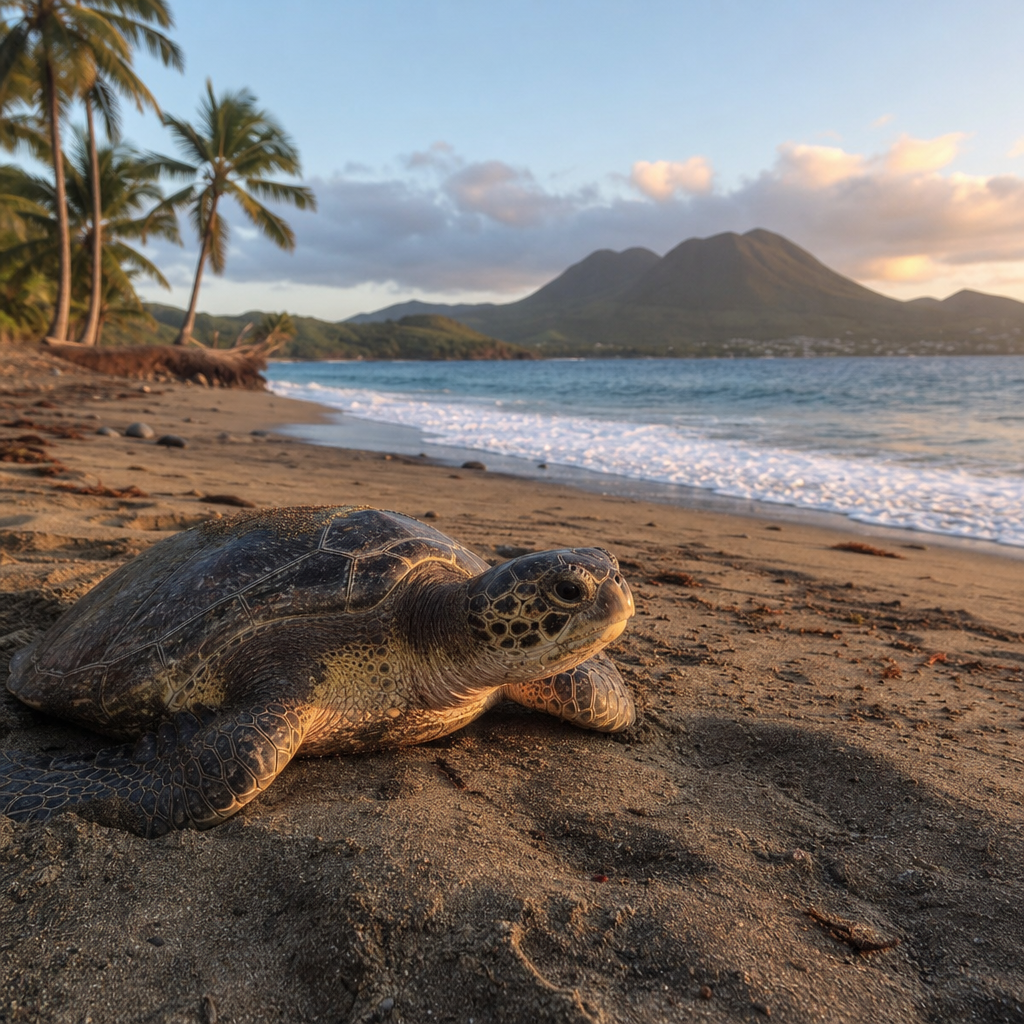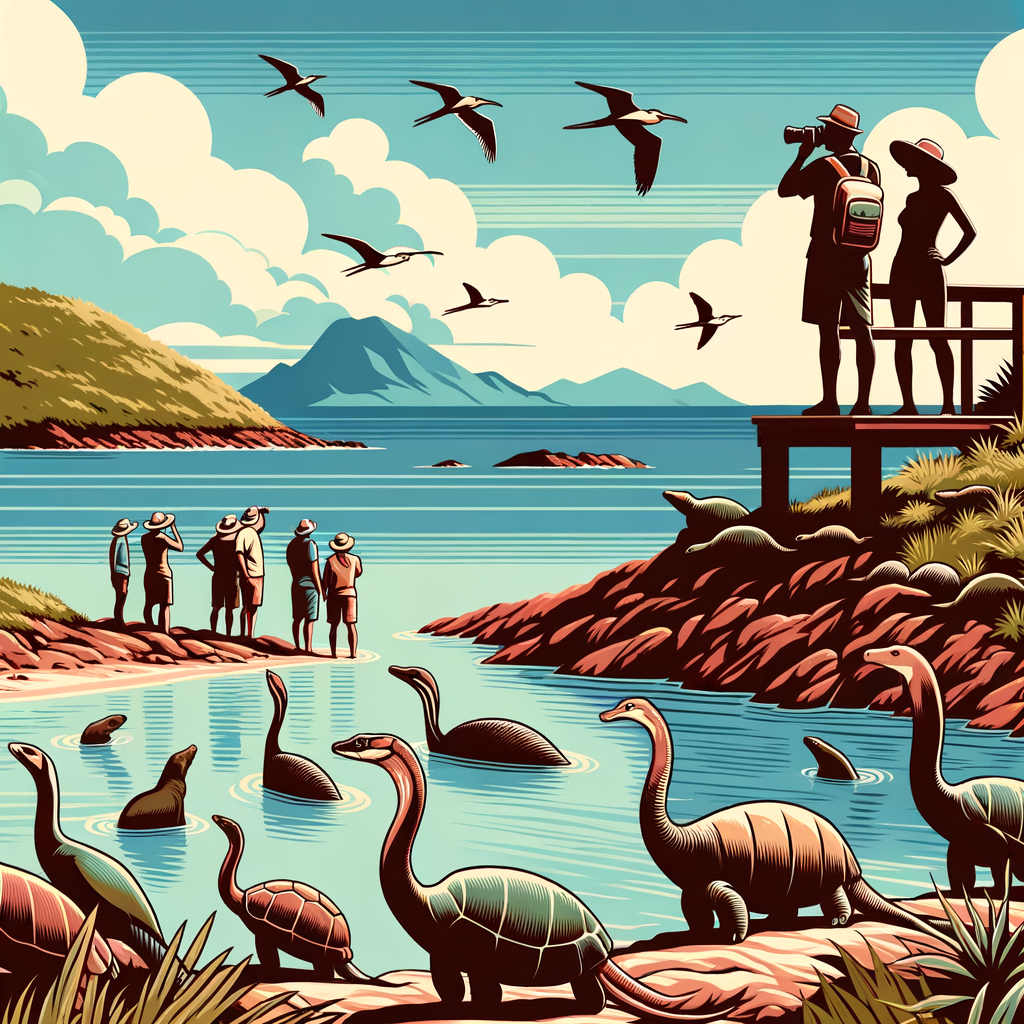
Wildlife watching in Saint Kitts offers a rare opportunity to experience the vibrant and diverse ecosystems that other parts of the Caribbean might struggle to rival. With its unspoiled landscapes and a myriad of unique animal species, Saint Kitts stands as a paragon for natural exploration. This enchanting island invites you to discover its picturesque jungles, coastal regions, and lush rainforests where wildlife thrives away from the clamor of modernization.
For many travelers, especially those passionate about environmental conservation and natural habitats, the allure of Saint Kitts’ wildlife is undeniable. However, to ensure that wildlife watching remains an undisturbing and sustainable interaction, it requires adherence to best practices that echo respect and responsibility. A respectful wildlife experience here is not just about observing these majestic creatures in their natural habitat but also about ensuring their habitats remain pristine for future generations.
While the natural beauty draws visitors, there is also an increased responsibility on all of us to ensure our actions do not contribute to the stress or degradation of these ecosystems. By immersing ourselves into the heart of the wilderness ethically, we demonstrate an appreciation for the intricate balances of life that this island supports. Whether you’re trekking through rugged trails or kayaking along serene waters, understanding the dos and don’ts can significantly enhance your experience and contribute positively to the conservation efforts.
This article delves into the best practices for wildlife watching in Saint Kitts, focusing on how visitors can engage in an ethical, informed, and respectful manner. The aim is to create intimate and rewarding experiences that are kind to both the environment and its inhabitants. We will explore methods to maximize enjoyment while ensuring we leave nature undisturbed, thereby contributing to the ongoing preservation of Saint Kitts’ natural treasures.
Our journey will encompass vital guidelines and considerations that everyone should bear in mind when exploring this ecological utopia. Follow along as we venture into the heart of what it means to partake in wildlife watching not merely as an observer but as an active participant in conservation. Respect for wildlife begins with understanding its value, and through this piece, you will gain insights into how to make your visit both memorable and meaningful. By the end, you’ll be equipped with all the knowledge needed to witness Saint Kitts’ wildlife responsibly.
Proper Wildlife Watching Techniques
To watch wildlife in Saint Kitts effectively, one must first embrace observation techniques that allow for an undisturbed encounter with nature. Keep a respectful distance and use binoculars or zoom lenses to observe animals without intruding on their space. This approach not only keeps the wildlife comfortable but also allows you to witness a broader range of natural behaviors.
Patience is key when engaging in wildlife watching. Unlike a zoo environment where animals are on display, wildlife in Saint Kitts is free to move about with unpredictability. Sit quietly and immerse yourself in the environment, allowing the natural sounds and sights to dictate the experience. This method not only reduces stress on the animals but also increases your chances of observing extraordinary animal interactions, as your presence becomes less intrusive.
When walking on trails or through sensitive habitats, it’s essential to move slowly and quietly. Fast movements or loud noises can alarm wildlife and may cause them distress or prompt them to flee. Keeping conversations to a whisper and moving deliberately helps retain the tranquility necessary for successful wildlife viewing. Additionally, avoid using flash photography, as the sudden burst of light can startle and stress animals.
Understanding Wildlife Behavior
A fundamental aspect of responsible wildlife watching is understanding the behaviors and signals various creatures exhibit. Learning to identify stress signals in animals helps prevent you from inadvertently putting them in uncomfortable situations. For instance, if an animal changes direction, appears agitated, or stops its natural behavior upon noticing your presence, it’s a clear sign that you’re too close.
Educate yourself on the denning, nesting, and breeding seasons of different species. Observing from a distance during these critical times is crucial, as it minimizes disturbances that could lead to undesirable impacts on reproductive success or the overall well-being of the animals. A conscious observer knows when to pull back and allow nature to take its course undisturbed.
Understanding the dietary habits and active times of species can greatly enhance your viewing experience. Diurnal creatures, for example, offer great morning or late afternoon viewing opportunities, whereas nocturnal species require patience and specific timing. Knowledge about these factors ensures encounters that are both rewarding and minimally invasive.
Respect for Habitat Preservation
Maintaining the integrity of wildlife habitats is essential in protecting the species that reside within them. Stick to marked trails and paths whenever possible to avoid trampling delicate vegetation and disturbing nesting sites. The flora of Saint Kitts is as unique as its fauna, and respecting these intricate ecosystems is just as important.
Take nothing but photographs, leave nothing but footprints. This well-known mantra is instrumental in preserving the sanctity of natural sites. Collecting plants, rocks, or any other natural items disrupts the ecosystem’s balance and can have adverse effects on the wildlife that depends on them.
Litter and pollution pose significant threats to wildlife, leading to habitat destruction and increased mortality rates. Always dispose of waste responsibly, ensuring nothing is left behind. Even seemingly benign items like fruit peels or bread crumbs can cause harm by attracting animals to areas they shouldn’t frequent due to increased human activity.
The Role of Conservation and Education Programs
Engage with local conservation groups and educational programs to gain deeper insights into the importance of preserving Saint Kitts’ wildlife. Many organizations offer guided tours led by professional naturalists, providing informative and enriching experiences meant to bolster awareness and appreciation for biodiversity.
By participating in guided tours, you can learn more about ongoing conservation projects and contribute to them directly. These programs often welcome volunteers and support through donations, turning your wildlife watching experience into a proactive engagement effort.
Education is a powerful tool in wildlife conservation. Discover more about the endemic species of Saint Kitts and the threats they face due to climate change, habitat loss, and human activities. Armed with this knowledge, you can help spread awareness and encourage others to adopt sustainable practices that protect this unique environment.
Interacting with Local Communities
Local communities around wildlife habitats are often the first line of defense in conservation efforts. Engaging them respectfully can offer invaluable insights into traditional conservation methods and local beliefs regarding wildlife. Respectful interactions foster relations that benefit both visitors and local ecosystems.
Support businesses and initiatives that prioritize sustainability and environmental responsibility. From choosing eco-friendly accommodations to frequenting local markets that focus on sustainable produce, each choice supports a network of conservation-focused community efforts.
Listening to local guides and elders can also provide unique perspectives and anecdotes that enhance your understanding of the island’s wildlife and its importance to the cultural heritage. Such interactions demonstrate respect for local knowledge and go a long way in promoting responsible tourism.
Contributing to Conservation Efforts
Contributors to conservation efforts are essential for protecting the wildlife of Saint Kitts. Beyond financial support, consider volunteering your time or skills to organizations focused on habitat restoration, species monitoring, and education efforts. Your active participation can create ripples of positive impact.
If direct involvement isn’t possible, become an advocate by raising awareness of conservation issues within your networks. Share your experiences and insights with others, encouraging them to visit Saint Kitts responsibly and considerately.
Support policies, both local and global, that aim to protect vulnerable species and habitats. Being informed about environmental laws and initiatives allows you to contribute to broader conservation dialogues and advocate for the protection of wildlife.
Conclusion
Wildlife watching in Saint Kitts offers unparalleled access to a natural world filled with wonder and beauty. Respectful observation not only ensures personal enrichment but contributes positively to the preservation of these marvelous ecosystems. By adhering to best practices, travelers can maximize the joy of their encounters while minimizing disturbance to the wildlife.
Remember, every step taken in Saint Kitts can either protect or harm its delicate environments. Staying informed, educated, and respectful is key to fostering a symbiotic relationship with nature—one that endures beyond the confines of a vacation.
Adopt these practices, and your wildlife watching endeavors will not only be thrilling but also nurturing for both you and the ecosystems you cherish. Saint Kitts remains an unparalleled gem for sustainable wildlife observation, thanks to mindful visitors who recognize the privilege and responsibility of experiencing its wild offerings.
Ultimately, responsible wildlife watching is a continuous journey of learning, appreciating, and sharing the values that bind us to nature. The better the practice, the brighter the future for Saint Kitts’ wildlife and its admirers worldwide.