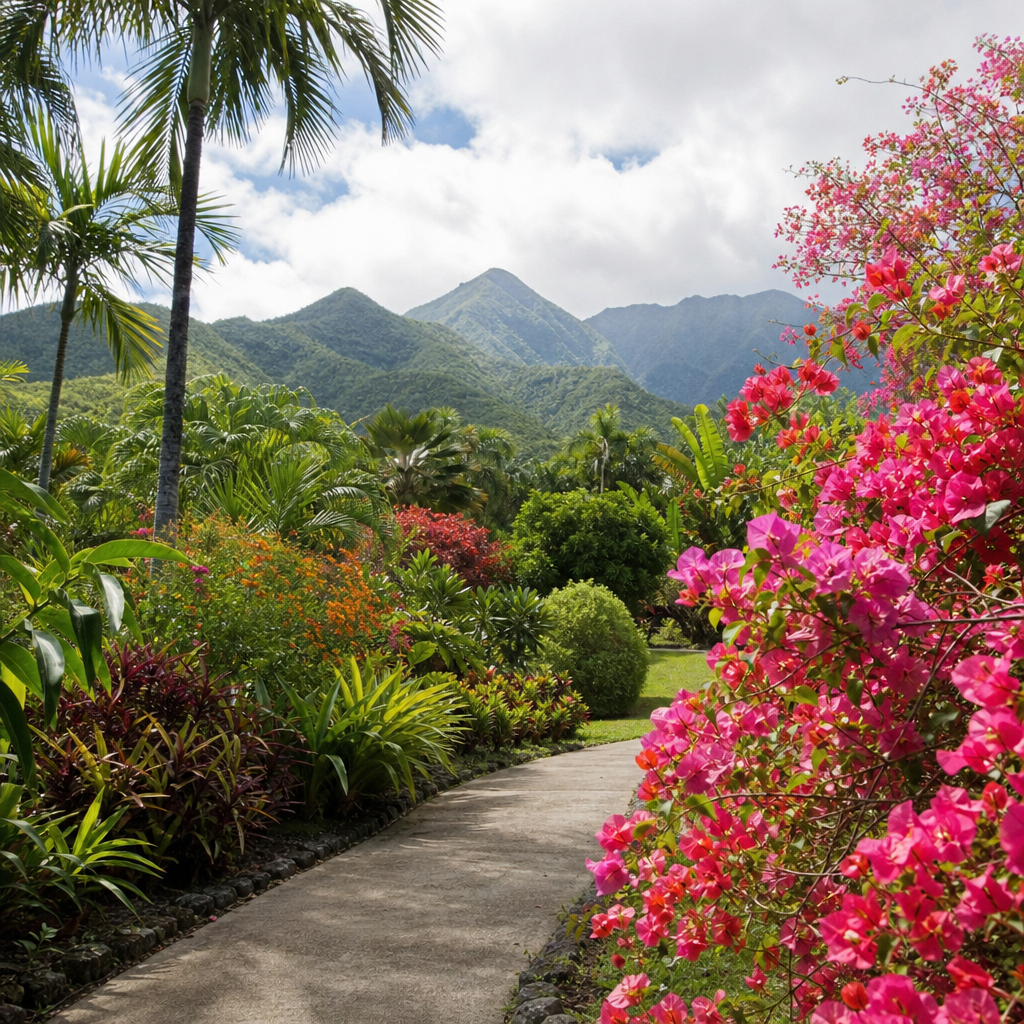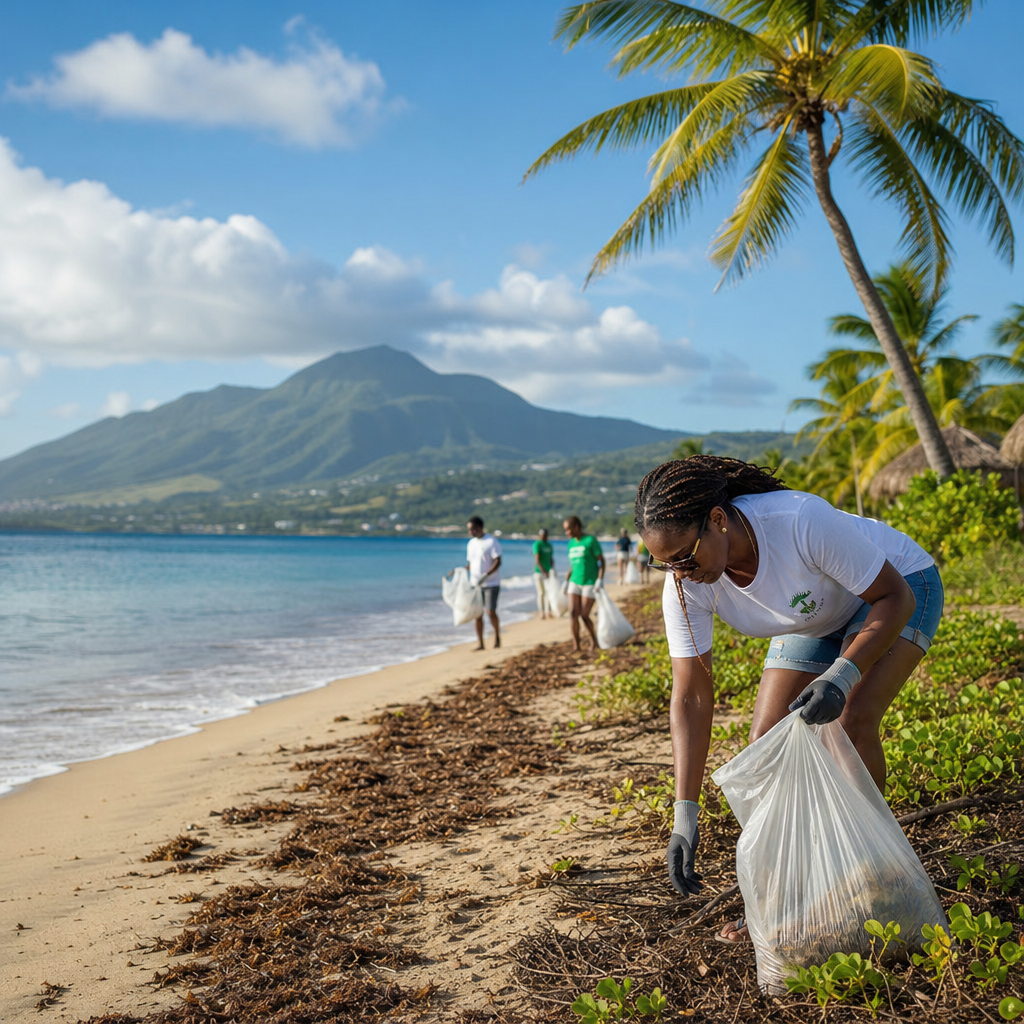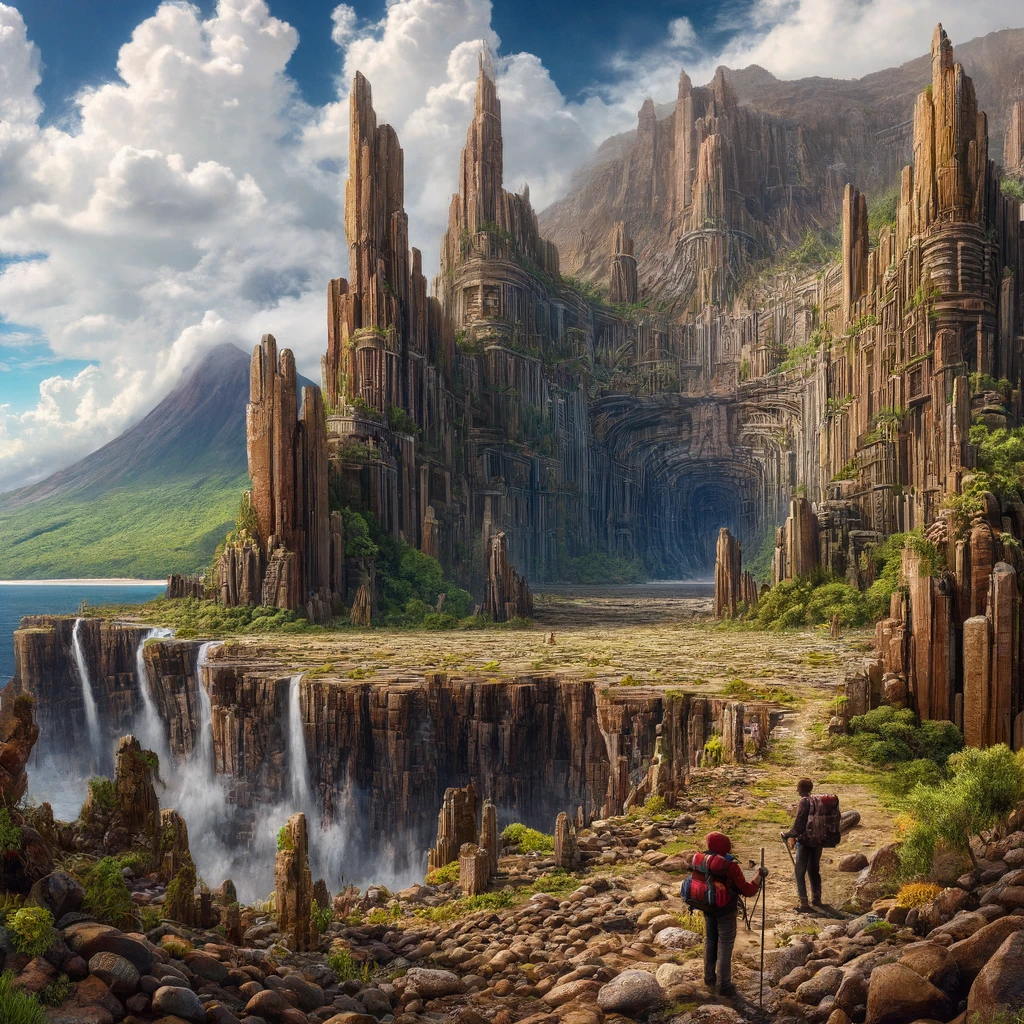
Nevis, the smaller of the two islands comprising the nation of St Kitts and Nevis, is a treasure trove of natural beauty and geological diversity. Known for its pristine beaches and rich historical sites, Nevis also boasts a landscape ripe with unique geological formations that tell a story of the island’s volcanic origins and the natural forces shaping it over millennia.
The Heart of Nevis: Nevis Peak
At the heart of the island’s geography and often shrouded in mystical clouds is Nevis Peak. This potentially active volcano rises to about 3,232 feet and is the most prominent landmark of Nevis. The peak is not just a stunning backdrop but also a hotspot for biodiversity, supporting a range of flora and fauna that have adapted to its moist and fertile slopes.
Hiking Nevis Peak is a popular activity for adventurous visitors. The trails leading to the summit provide an up-close look at the lush rainforest ecosystem that carpets the mountain. As you ascend, the changes in vegetation and terrain are stark, reflecting the varying conditions influenced by altitude and volcanic soil.
Thermal Springs: A Gift from Below
Nevis is dotted with several thermal springs, a testament to its volcanic activity. These springs, such as the most famed one at Bath Village, are not only tourist attractions but also sites of historical and cultural importance. The hot springs are rich in minerals and are believed to have therapeutic properties. Historically, they were a draw for the colonial elite, including figures like Lord Nelson and Prince William Henry, who visited the island in the late 18th century.
The thermal springs emerge from the ground at temperatures that can reach up to 107 degrees Fahrenheit, infused with minerals like sulfur, which are a byproduct of the volcanic gases percolating below the earth’s surface. These springs have shaped much of the landscape around them, creating unique mineral deposits and altering the ecosystem.
The Coastal Reefs: Limestone Constructions
While the volcanic activity has significantly influenced Nevis’ inland features, the coastal areas tell a different story. The coral reefs surrounding Nevis are primarily limestone, formed from the skeletal fragments of marine organisms deposited over thousands of years. These reefs are vital to the island’s marine biodiversity and serve as a natural barrier against erosion.
Snorkeling and diving around these reefs offer a glimpse into the vibrant underwater life and the dynamic processes of reef building. It’s here that one can truly appreciate the interplay between geological processes and marine ecology, seeing firsthand how coral polyps build their calcium carbonate homes.
Riverbeds and Ghauts: Channels of Life
The numerous ghauts (dry riverbeds) crisscrossing Nevis are crucial during the rainy seasons, channeling water from the heavy tropical downpours down from the mountainous regions to the sea. These ghauts are not only vital for preventing flooding but also for their role in transporting nutrient-rich sediments across the island, supporting both agriculture and natural vegetation.
During dry periods, the ghauts serve as pathways for wildlife, providing safe routes across the island and connecting different ecological zones. This makes them an excellent place for nature watching, as they attract a variety of birds, insects, and sometimes larger animals searching for water.
Protecting Nevis’ Natural Heritage
The unique geological features of Nevis are not just attractions; they are vital to the ecological health and cultural heritage of the island. Efforts by local conservation groups and international agencies aim to preserve these features. Educational programs and sustainable tourism practices are increasingly emphasized to ensure that the island’s natural wealth is maintained for future generations.
Visiting Nevis provides a rare opportunity to explore an island where every corner offers insights into the natural forces that shape our world. From the volcanic heights of Nevis Peak to the soothing thermal springs, and from the vibrant coral reefs to the life-sustaining ghauts, Nevis is a living laboratory for geological and ecological exploration.
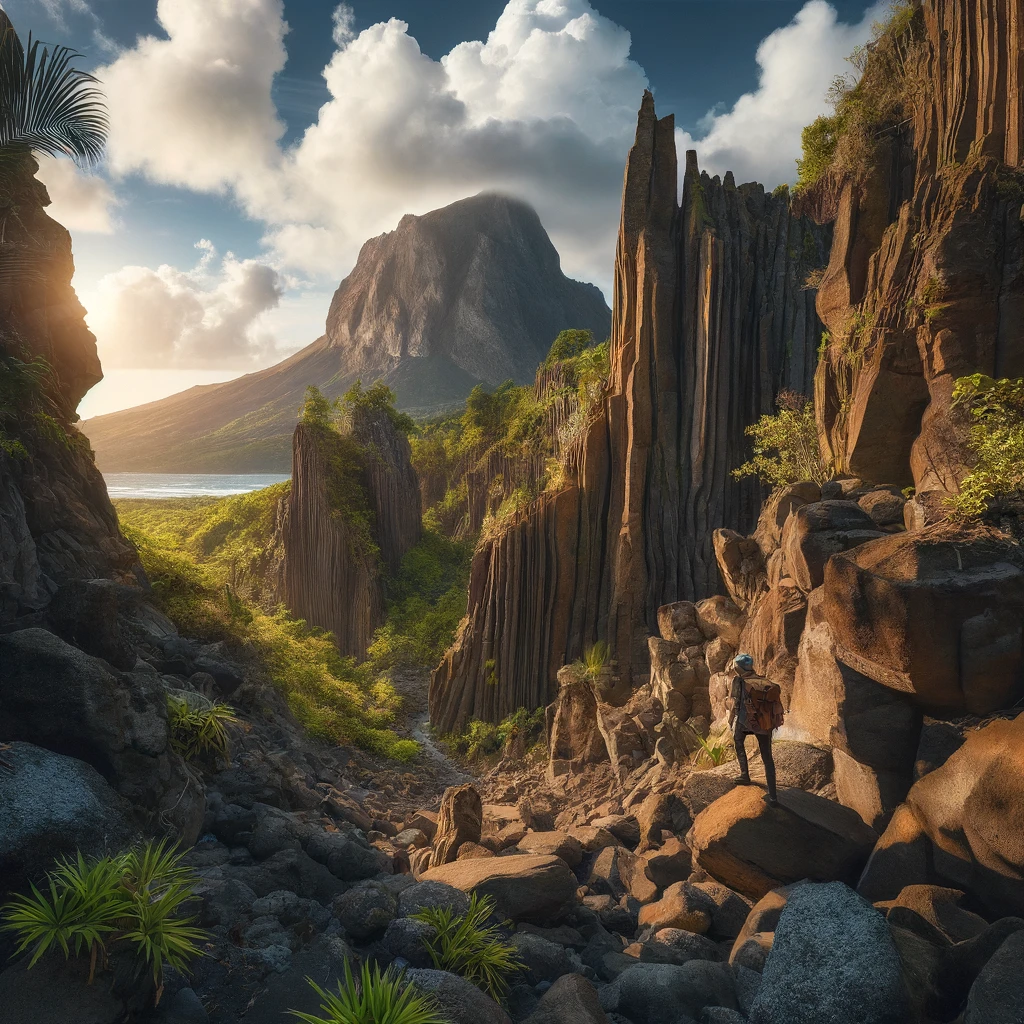
The Mangroves: Coastal Guardians
Along the coastline of Nevis, mangrove forests stand as sentinels against the forces of nature. These unique ecosystems are critical in preventing soil erosion and act as buffers protecting the inland areas from storm surges and floods. Mangroves are fascinating from a geological perspective because their root systems help in sediment deposition, gradually expanding the landmass and altering the coastal geography.
These tangled roots also provide a nursery habitat for many marine species. Fish, crustaceans, and various aquatic organisms find shelter among the roots, which offer protection from predators and strong currents. This makes the mangrove areas of Nevis essential not only for environmental stability but also for maintaining the biodiversity of the island’s marine life.
Volcanic Soil: The Basis of Fertility
The fertility of Nevis’ soil can largely be attributed to its volcanic origins. Volcanic soils are often rich in minerals like phosphorus, potassium, and magnesium, which are vital for plant growth. This richness supports a diverse array of plant life, from towering rainforest trees to various agricultural crops that thrive on the island.
Farmers in Nevis particularly benefit from these fertile soils, cultivating everything from sweet potatoes and yams to more exotic tropical fruits. This agricultural bounty is deeply intertwined with the island’s geological heritage, showcasing how volcanic activity continues to influence life on Nevis in profound ways.
Stone Forts: Testaments to Nevis’ Geology
Scattered across Nevis are remnants of stone forts, historical structures that have stood the test of time, partly thanks to the island’s geological resources. Local stones, primarily basalt and andesite, were commonly used in construction. These materials, formed from the solidification of lava, are incredibly durable, making them ideal for fortifications.
Exploring these forts offers a hands-on experience of Nevis’ geological history. The stones tell stories of ancient eruptions and the slow, cooling processes that followed. These historical sites are not only significant archaeologically but also geologically, as they provide insight into the utilization of native materials and their impact on local architecture.
The Impact of Erosion and Conservation Efforts
Erosion is a significant concern in Nevis, particularly in areas with steep slopes and less vegetation. The same volcanic activity that has endowed the island with rich soils and diverse landscapes also poses challenges. Heavy rains can quickly erode the loose volcanic soil, leading to landslides and loss of fertile land.
Conservation efforts on the island are focused on combating these effects through reforestation projects and sustainable land management practices. These initiatives help stabilize the soil, reduce runoff, and preserve the island’s natural beauty. Educating locals and visitors alike about these efforts is crucial to ensuring the long-term sustainability of Nevis’ unique geological and ecological features.
Conclusion: A Geologist’s Paradise
Nevis offers more than just beautiful beaches and historical sites. It is a dynamic landscape shaped by volcanic forces, a place where the earth’s inner workings are visible at every turn. For geologists, ecologists, and nature enthusiasts, Nevis presents a unique opportunity to study these processes in a relatively small and accessible locale.
By preserving its natural heritage and continuing to educate about its importance, Nevis not only protects its environment but also offers future generations the chance to explore and learn from this geologically rich island. Whether you’re trekking up the lush slopes of Nevis Peak, soaking in a hot spring, or snorkeling among coral reefs, the island’s geological treasures provide a profound connection to the natural world.