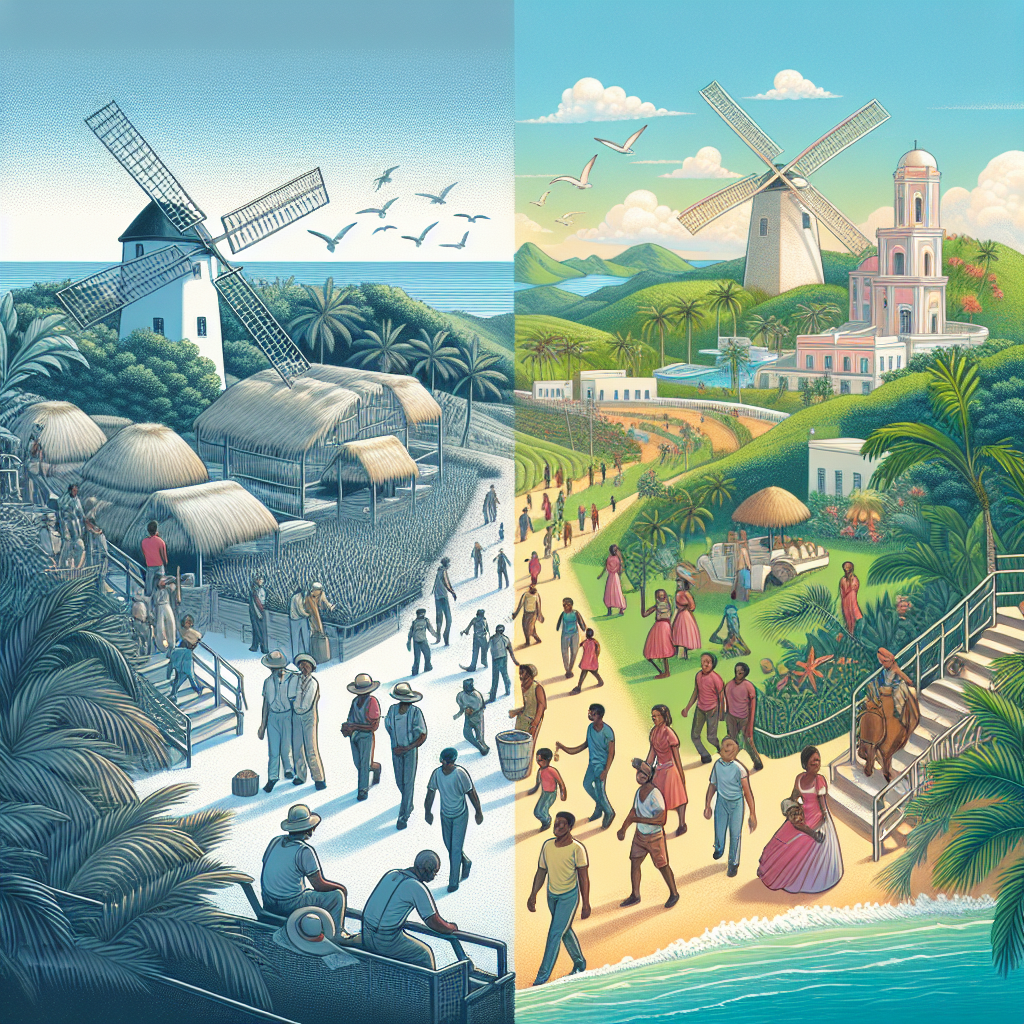
Nevis, the smaller of the two islands comprising the Federation of Saint Kitts and Nevis, is renowned for its rich cultural tapestry and historical significance. Central to this vibrant culture is the island’s indigenous cuisine, which serves as a testament to the ingenuity and resilience of its people. Intrigued by this island’s rich flavors and unique culinary traditions, many travelers find themselves drawn to both the historical roots and modern interpretations of Nevisian cuisine.
The culinary landscape of Nevis is a reflection of its diverse cultural influences, shaped over centuries by the interplay between the indigenous Carib and Arawak peoples, African slaves, European colonizers, and later by Indian and Chinese immigrants. Each group contributed to the rich, flavorful, and diverse dishes that can be found today on this beautiful Caribbean island. Through its cuisine, Nevis tells the story of its people and their meticulous culinary practices that have been passed down through generations.
In this article, we will explore the evolution of Nevisian cuisine, highlighting key dishes, ingredients, and culinary techniques that encapsulate the island’s rich history. From the traditional “goat water” stew to the sugar-infused desserts that originated from its colonial past, join us on a culinary journey through time and taste, immersing yourselves in the flavors that make Nevis a unique gastronomic destination.
Indigenous Influences
Before the arrival of Europeans, the indigenous Carib and Arawak peoples inhabited the islands of the Caribbean, including Nevis. These native peoples had their own distinct culinary traditions, which were deeply rooted in their connection to the land and its natural resources. Staple ingredients included various roots such as cassava and yams, as well as tropical fruits like guava and soursop.
The Arawak and Carib people were skilled fishermen, relying on the bountiful sea to supplement their diet. Fish, shellfish, and other marine creatures were frequently incorporated into their meals. One traditional method of cooking involved “boucan” – a form of smoking fish and meat, which later influenced the development of what we know today as barbecuing.
Additionally, the concept of communal feasting and the preparation of large quantities of food for social gatherings was an integral part of indigenous culture. This practice has endured through time, influencing the way Nevisians celebrate and dine together today. Indigenous seasoning methods, which relied heavily on local herbs and spices, are still evident in Nevisian dishes, providing a strong link to the island’s earliest inhabitants.
African Contributions
The transatlantic slave trade brought a significant number of enslaved Africans to the Caribbean, and their influence on the region’s cuisine cannot be overstated. Once brought to Nevis, African slaves began to integrate their traditional foods and cooking methods with the local ingredients available to them. This fusion resulted in a distinctive Afro-Caribbean culinary tradition that remains a cornerstone of Nevisian cuisine.
Key African contributions include the integration of one-pot cooking methods, where all ingredients are combined and slowly simmered to create hearty and flavorful stews. Dishes such as “goat water” and “cook-up” are direct descendants of these traditional African stews, incorporating local meats, vegetables, and spices.
Furthermore, African slaves introduced important staple crops such as okra, pigeon peas, and plantains. These ingredients continue to be prevalent in Nevisian cooking, celebrated for their adaptability and nutritional value. Traditional African seasoning blends, often featuring a mix of hot peppers, allspice, and thyme, also found their place in Nevisian cuisine, contributing to its vibrant, spicy flair.
Colonial and European Influences
European colonizers introduced new ingredients, techniques, and cultural practices that deeply influenced the culinary development of Nevis. The British and French were the primary colonial powers on the island, and their impact is still evident in contemporary Nevisian cuisine.
One of the most significant introductions from Europe was sugarcane, which became a major cash crop for Nevis. The cultivation of sugarcane led to the development of various sugar-based products, including molasses, rum, and desserts like “black cake” – a rich, fruit-filled confection traditionally enjoyed during the holiday season.
European settlers also brought with them livestock such as cattle, pigs, and chickens, which expanded the range of meats available on the island. Alongside this, the introduction of European baking techniques gave rise to a variety of breads and pastries, including the popular “Johnny Cakes,” a type of fried bread that remains a favorite on the island. The blending of European ingredients and methods with local and African influences created a unique culinary harmony that characterizes Nevisian cuisine today.
Indian and Chinese Impact
In the 19th century, the abolition of slavery led to the importation of indentured laborers from India and China to work the plantations. These groups brought their own culinary traditions, which further diversified the island’s gastronomic landscape.
Indian laborers introduced spices such as turmeric, cumin, and coriander, which became integral to the Nevisian spice palette. Their influence is particularly evident in the popularity of curries on the island. Dishes like “chicken curry” and “curry goat” are now considered local staples, rich in flavor and often accompanied by rice or roti, a type of Indian flatbread.
Similarly, Chinese indentured laborers contributed culinary techniques such as stir-frying and introduced ingredients like soy sauce and ginger. These contributions led to the development of dishes such as chow mein and fried rice, which have been seamlessly integrated into local cuisine.
The fusion of Indian and Chinese culinary elements with existing African, European, and indigenous influences resulted in a vibrant and dynamic food culture that continues to evolve.
Modern Nevisian Cuisine
Today, Nevisian cuisine is a reflection of its rich culinary history, characterized by a blend of flavors and techniques from various cultural influences. Traditional dishes continue to be celebrated, while modern innovations and global culinary trends add new dimensions to the island’s food landscape.
Local markets and festivals, such as the annual Nevis Mango and Food Festival, showcase the diversity and creativity of Nevisian cuisine. Here, visitors can experience the full range of the island’s culinary offerings, from traditional “goat water” and “cook-up” to inventive dishes that incorporate local ingredients in contemporary ways.
Additionally, farm-to-table practices and a growing emphasis on sustainability have become prominent in Nevisian dining culture. Many restaurants and chefs on the island prioritize using locally sourced and seasonal ingredients, ensuring that the cuisine remains closely connected to the island’s natural resources.
Whether enjoyed in a rustic beachside shack or a sophisticated fine dining establishment, Nevisian cuisine offers a rich tapestry of flavors that reflect the island’s history, culture, and ongoing evolution.
Conclusion
The indigenous cuisine of Nevis is a flavorful journey through time, offering a rich tapestry of tastes and techniques that tell the story of the island’s diverse cultural heritage. From the earliest culinary practices of the Carib and Arawak peoples to the vibrant contributions of African, European, Indian, and Chinese influences, Nevisian cuisine is a living testament to the island’s historical and cultural evolution.
As Nevis continues to embrace both its traditional roots and contemporary culinary innovations, the island’s cuisine remains a dynamic and integral part of its cultural identity. For visitors and locals alike, the flavors of Nevis offer a unique opportunity to connect with the island’s rich history and the stories of the people who have shaped its culinary landscape.
Whether savoring a traditional stew, enjoying a sweet treat made from local sugar, or exploring the new and inventive dishes emerging from the island’s kitchens, Nevisian cuisine provides a deeply satisfying and culturally enriching experience. It invites us to appreciate the ingenuity, resilience, and creativity that have defined Nevisian food culture for generations and continue to do so today.
A visit to Nevis is not just a journey through breathtaking landscapes and historical sites but also an invitation to indulge in the island’s vibrant and diverse culinary heritage. As you explore Nevis, let its rich flavors serve as your guide to understanding and appreciating the island’s unique cultural story.