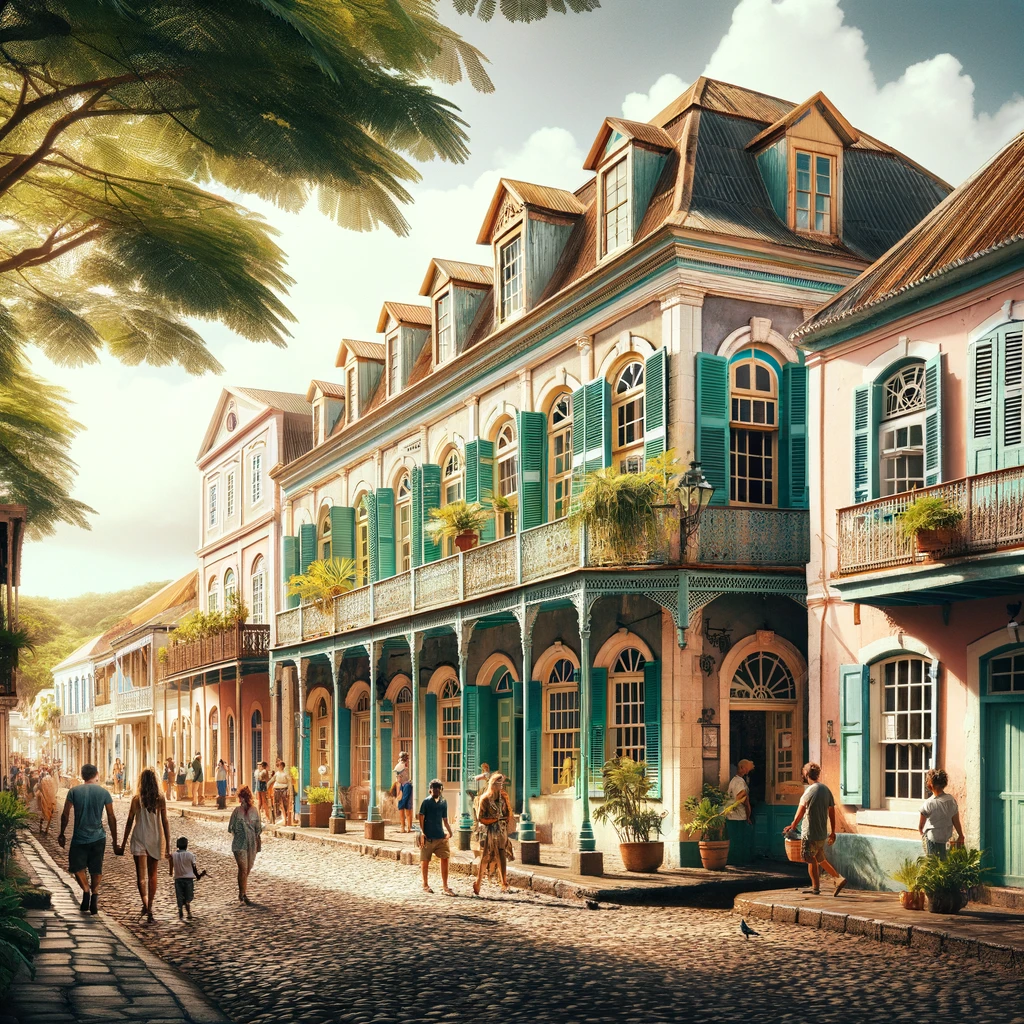
Located in the heart of the Caribbean, the unassuming island of Nevis is often celebrated for its stunning beaches and vibrant culture. However, few people know the significant role this small island played during World War II. While many are familiar with the contributions of larger nations, the involvement of smaller, less prominent regions often goes unnoticed. This article aims to delve into the untapped reservoir of stories that spotlight Nevis’s contributions and experiences during one of the most tumultuous periods in modern history.
During the early 20th century, Nevis’s primary economy revolved around agriculture, particularly sugar production. When war erupted in 1939, the world beyond the island’s shores seemed distant, almost irrelevant to the daily lives of its residents. However, as the war progressed, the global conflict began impacting Nevisians in ways they had never imagined. Men were drafted, resources were rationed, and new alliances were forged, creating a complex tapestry of experiences that mirrored the larger global narrative.
This untold story of Nevis during World War II highlights the resilience, ingenuity, and sheer willpower of its people. From clandestine operations to heart-wrenching departures, the island’s war years are filled with remarkable tales that deserve recognition. Contemporary Nevis retains a subtle legacy of these experiences, making it a rich, historically significant travel destination. As we journey through these stories, we aim to illuminate the multifaceted role of Nevis and its inhabitants during the global conflict.
Let’s embark from the serene coastlines and palm-fringed beaches into a period marked by uncertainty, courage, and transformation. Join us as we uncover the poignant and powerful stories of Nevis in World War II.
Nevisian Contributions to the War Effort
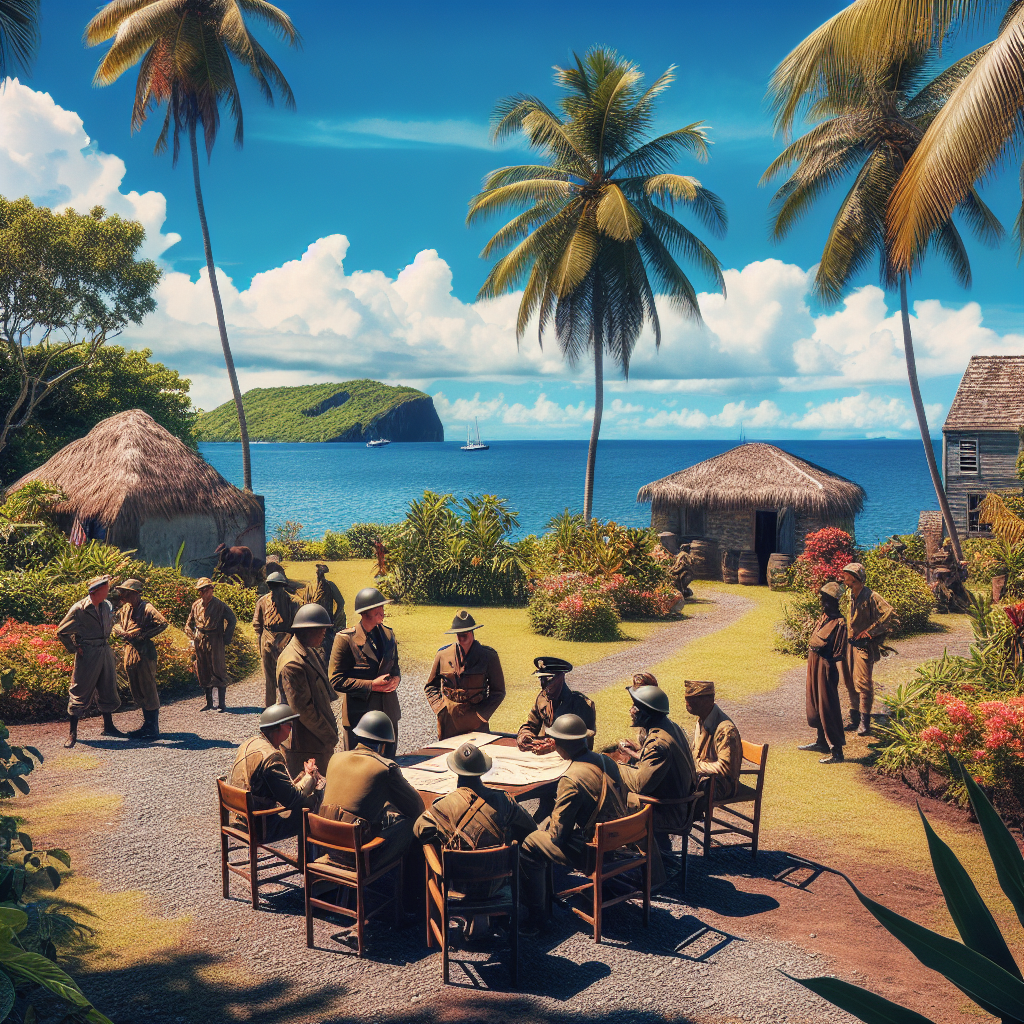
Many Nevisians bravely stepped forward to contribute to the Allied efforts during World War II. Despite the island’s small size, its people answered the call of duty in various capacities, from enlisting in military services to participating in home-front activities that supported the war effort. The involvement of Nevisians in the war wasn’t just a matter of national duty; for many, it was a personal commitment to freedom and justice.
Several young men from Nevis joined the British West Indies Regiment, contributing to the military forces fighting in Europe and other theaters of war. Their stories of bravery and sacrifice rival those of soldiers from larger nations. They faced numerous challenges, from navigating the rough seas to reach distant battlefields to enduring the harsh realities of combat. These men exhibited unwavering resolve and fortitude, becoming unsung heroes of the global conflict.
Back on their home island, Nevisian citizens played a crucial role in supporting the war effort as well. Women and older men who remained on the island took on new responsibilities, performing jobs that were traditionally done by the men who had gone to fight. They worked diligently in agricultural sectors to ensure a steady food supply and contributed to collecting and sending resources to support the troops. The community spirit and collective effort showcased by Nevisians during this period were truly remarkable.
Moreover, the strategic location of Nevis in the Caribbean meant that it was occasionally a site for covert operations and intelligence activities. The island served as a crucial link in the communication and supply chain routes, highlighting its often-underestimated strategic importance during the war. While much of this work remained behind the scenes, it was vital in maintaining the momentum of the Allied forces.
The Impact of War on Nevisian Society
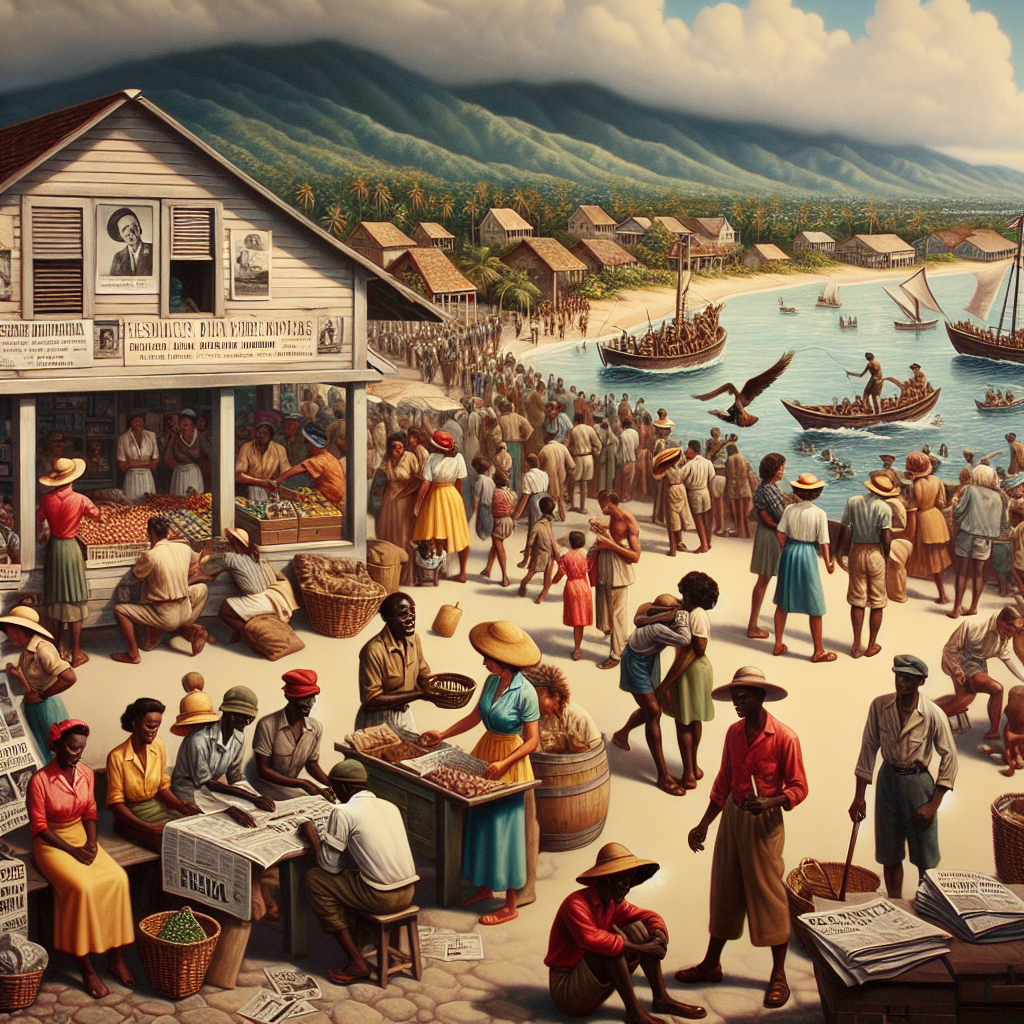
The impact of World War II on Nevis was far-reaching, affecting almost every aspect of daily life and society. The wartime period brought significant socio-economic changes and challenged the island’s residents to adapt to a rapidly shifting world. The traditional way of life was disrupted as the global conflict demanded sacrifices from everyone.
With many men enlisting in the military, the demographic balance on the island changed drastically. Women stepped into roles traditionally held by men, creating a new dynamic within the community. This shift not only altered household responsibilities but also led to women gaining new skills and a sense of independence that would have a lasting impact on Nevisian society even after the war ended.
Rationing became a part of everyday life, affecting the availability of food, clothing, and other essential goods. The Nevisian population had to adapt to these scarcities, developing creative solutions to make do with less. This period of austerity and resourcefulness fostered a culture of resilience and self-reliance that resonates within the community to this day.
Educational institutions on the island also experienced changes during the war. Schools often doubled as community centers where ration distributions and war-related activities took place. The war’s influence also filtered into the curriculum, as students learned about global geography, history, and current events through the lens of the ongoing conflict. This broadening of perspective helped cultivate a more worldly and informed younger generation.
The psychological impact of the war cannot be overlooked. Families lived with the anxiety of having loved ones involved in distant battles, and the loss of life or injury affected nearly every household on Nevis. Despite these hardships, the sense of community and shared purpose helped Nevisians endure and support each other through these challenging times.
Commemorating the War Heroes
In the years following World War II, Nevisians have taken steps to honor and remember those who served and sacrificed. Memorials and commemorative events on the island ensure that the stories and contributions of Nevisian soldiers are not forgotten.
One of the prominent ways Nevis honors its wartime heroes is through annual Remembrance Day services. These ceremonies, held in local churches and community centers, bring together residents to pay tribute to the courage and sacrifices of their fellow Nevisians. The reading of names, moments of silence, and laying of wreaths create poignant moments of reflection and collective mourning.
The stories of individual soldiers and their heroic deeds have also been preserved through oral histories and written accounts. Families pass down tales of bravery, ensuring that future generations appreciate the legacy of those who fought. Local historians and writers have compiled biographies and memoirs that provide insight into the personal experiences of Nevisian soldiers, adding a human element to the historical narrative.
Monuments and plaques around the island serve as permanent reminders of Nevis’s contributions to the war effort. These memorials often become focal points during commemorative events and serve as educational tools for visitors and younger Nevisians. They stand as a testament to the island’s significant, albeit often overlooked, role in World War II.
Educational initiatives in schools also play a crucial role in ensuring that the stories of war heroes are remembered. Projects, exhibitions, and classroom activities that focus on World War II encourage students to engage with this period of history and recognize the importance of their predecessors’ sacrifices. By incorporating these stories into the educational curriculum, Nevis ensures that the legacy of its wartime heroes remains a vibrant part of its cultural heritage.
The Wartime Economy and Post-War Changes
The wartime period brought significant changes to Nevis’s economy, many of which had enduring effects long after the conflict ended. The transformation from an agrarian-based economy to one that had to adapt to global wartime demands required resilience and innovation.
During the war, the demand for certain agricultural products increased as Nevisian farmers worked to support both their local community and Allied forces. Sugar, a staple crop, saw fluctuating demand, and farmers had to diversify their production to include other essential goods. This diversification helped cushion the economic impact of the war and laid the groundwork for a more varied agricultural sector in the post-war years.
The wartime necessity also pushed Nevisians to explore new industries and skills. The influx of military personnel and activities on the island introduced new technologies and methodologies that locals adapted for their purposes. These skills remained valuable long after the war, enabling the island to modernize certain aspects of its economy and infrastructure.
Post-war, Nevis experienced a period of economic adjustment as it transitioned from a war-focused economy back to peacetime production. The war’s end brought both opportunities and challenges as international trade resumed and new markets opened up. Leveraging the skills and innovations developed during the war, Nevisians managed to diversify their economic activities further, laying the groundwork for subsequent economic growth.
Tourism began to blossom as an important industry after the war. The global conflict had put Nevis on the map for many who had previously had little awareness of the island’s existence. As peace returned, more people began to explore the Caribbean, lured by its beauty and tranquility. Nevis, with its rich history and picturesque landscapes, gradually transformed into a sought-after travel destination. The legacy of wartime resilience and adaptation played a crucial role in shaping the island into the vibrant, multifaceted society it is today.
Legacy of World War II on Modern Nevis
The impact of World War II on Nevis has woven itself into the fabric of modern life on the island. From governmental policies to cultural practices, the legacy of those wartime years continues to shape Nevis in profound ways.
One of the most significant legacies of the war is the sense of resilience and community spirit that was cultivated during those years. Nevisians pulled together in adversity and learned to rely on one another, forging a collective identity that remains a cornerstone of modern Nevisian culture. This spirit of cooperation and mutual support is evident in how the community responds to challenges, from natural disasters to economic uncertainties.
Culturally, the war years brought a greater awareness of global affairs and a broader perspective. This shift has had long-term effects on how Nevisians perceive their place in the world and how they engage with international issues. The experiences of Nevisians who served abroad and those who supported the war effort at home have imparted a legacy of global citizenship and awareness.
Governmental policies related to national security, economic development, and social welfare were also influenced by the wartime experience. The lessons learned during the war in terms of resource management, infrastructural development, and community mobilization have informed subsequent policy decisions and development programs. The wartime emphasis on self-reliance and innovation laid the groundwork for a more proactive and adaptive governmental approach.
The tourism industry, which began to flourish in the post-war years, has continued to grow, becoming a vital part of the island’s economy. Visitors are drawn not only by the natural beauty of Nevis but also by the rich history and the stories of resilience and courage from the war years. The preservation of historical sites and the promotion of Nevis’s wartime legacy add depth to the island’s tourist offerings, attracting those interested in both relaxation and historical exploration.
Conclusion
The untold stories of Nevis in World War II reveal a rich tapestry of resilience, courage, and transformation. Despite its small size and distance from the main theaters of war, Nevis made notable contributions that deserve recognition. From the bravery of its soldiers to the ingenuity of those who remained on the home front, the island’s people demonstrated extraordinary resolve.
The war’s impact on Nevis was multifaceted, affecting its economy, society, and culture in profound ways. The shifts in gender roles, the adoption of new skills and technologies, and the broader awareness of global affairs all played a role in shaping the modern identity of Nevis. The legacy of World War II is enduring, contributing to the island’s sense of community, resilience, and adaptability.
By commemorating those who served and sacrificed, Nevisians ensure that future generations remember the significant contributions of their ancestors. Monuments, memorials, and educational initiatives help preserve the stories of bravery and hardship, adding to the island’s rich cultural heritage.
For travelers, understanding this historical context adds a deeper dimension to visiting Nevis. Beyond its natural beauty lies a history of valor and perseverance that enhances the experience of exploring the island. As Nevis continues to honor its past while looking towards the future, the stories of its involvement in World War II remain an integral part of its identity and legacy.