Nevis, the smaller of the two islands that make up the nation of Saint Kitts and Nevis, is a treasure trove of culture, history, and art. The island’s art scene embodies the essence of its rich history, a tapestry woven with influences from African, European, and indigenous Carib traditions. Nevisian art has evolved through the ages, from the early artistic expressions of indigenous peoples to contemporary artworks that reflect the island’s dynamic cultural landscape. In this article, we embark on a journey to explore Nevisian art through the ages, delving into different eras and highlighting the unique elements that make Nevisian art truly special.
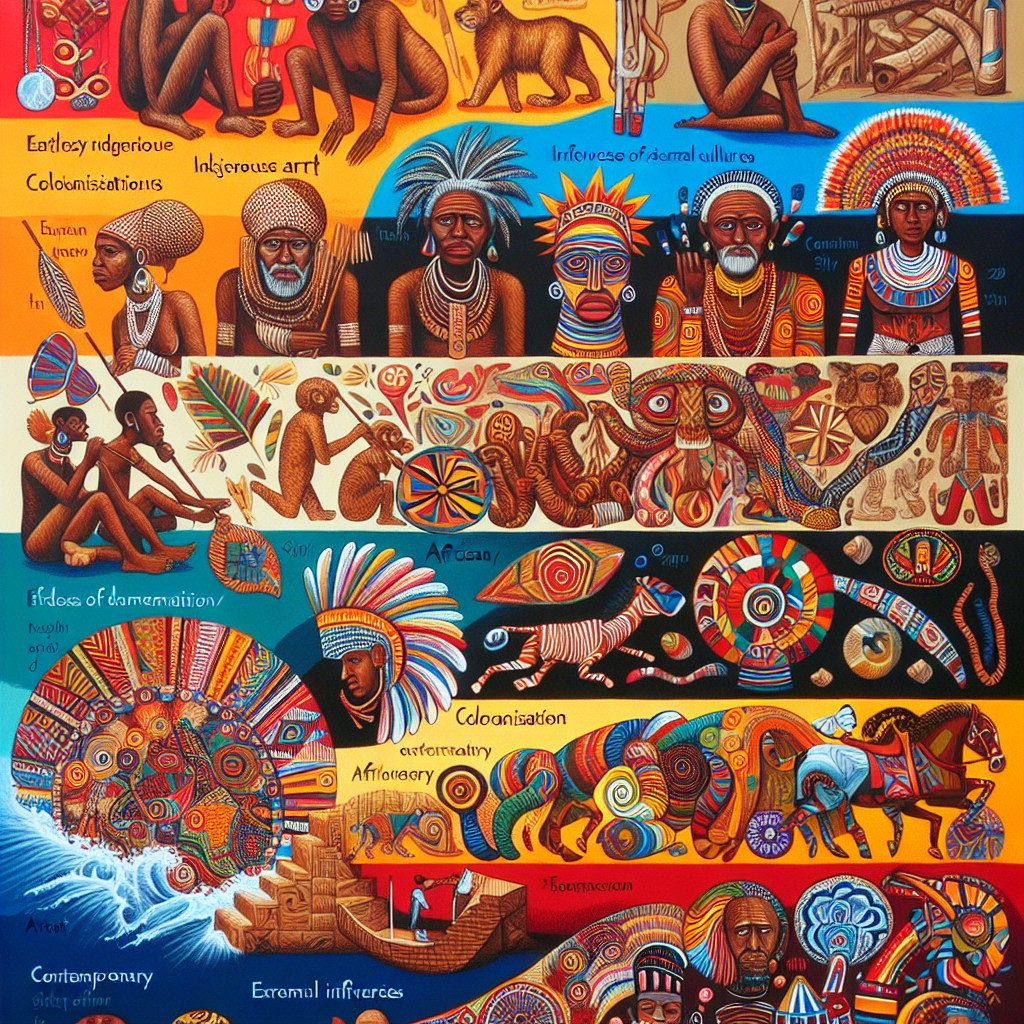
The history of Nevisian art is a narrative of resilience and reinvention. The indigenous peoples, known as the Caribs, were the earliest inhabitants who left behind a legacy of intricate pottery, carvings, and tattoo art. Their artistic expressions were deeply intertwined with their daily lives and spiritual beliefs. As European settlers arrived, Nevisian art began to change, absorbing new techniques and motifs. African slaves brought to work on the sugar plantations added a further layer of cultural complexity, contributing vibrant oral traditions, music, and craftsmanship.
Today, Nevisian art is a vibrant fusion of past and present. The island’s art galleries and studios showcase a range of styles and mediums, from traditional crafts to modern abstract pieces. Local artists draw inspiration from the island’s breathtaking landscapes, historical landmarks, and everyday life. Visitors to Nevis have the opportunity to immerse themselves in this rich artistic heritage, whether by exploring local galleries, attending cultural festivals, or even participating in workshops.
Early Art of Indigenous Peoples
The earliest known art from Nevis dates back to the island’s first inhabitants, the Carib people, who settled in the region around 1000 B.C. Their artistic expressions were primarily utilitarian but bore significant cultural and spiritual meanings. These early Nevisians created pottery adorned with intricate designs, which they used for storage, cooking, and ceremonial purposes. The motifs often depicted complex geometric patterns and images of animals, reflecting their deep connection with nature.
Carib art also included body adornment through tattooing and body painting. Using natural pigments and sharp tools, they embellished their bodies with symbols representing various aspects of life and spirituality. These practices showcased their skills in detailed line work and an understanding of symmetry and balance, elements that would continue to influence Nevisian art through the ages.
One of the most fascinating aspects of Carib art is their rock carvings, or petroglyphs, which can still be found in various locations on the island. These carvings often feature human and animal figures, as well as abstract shapes, cut into large boulders. The petroglyphs serve as both historical records and sources of inspiration for today’s Nevisian artists. The continued reverence for these ancient artifacts highlights the enduring influence of Carib culture on the island’s artistic heritage.
Colonial Influence on Nevisian Art
The arrival of European settlers in the 17th century marked a significant turning point for Nevisian art. The colonial period introduced new artistic styles and techniques, as well as a variety of materials brought from Europe. Initially, the artistic contributions of the European settlers were focused on architecture and engineering, evident in the construction of grand colonial homes, churches, and public buildings. These structures featured design elements such as elaborate wood carvings, ironwork, and stained glass, blending European aesthetics with local resources and climatic considerations.
Colonial influence also permeated the local crafts. Pottery, which had been practiced by the Carib people, evolved to incorporate European shapes and decorative techniques. Additionally, the influx of European fabrics and dyes sparked innovations in textile arts, leading to the creation of new patterns and weaving methods. The resulting fabric works often displayed a unique blend of European and indigenous motifs, creating distinctive pieces that were emblematic of the island’s evolving artistic identity.
Despite the impact of European traditions, the art created by enslaved Africans during this period added a critical dimension to Nevisian culture. African slaves, who brought with them a rich heritage of artistic practices, began to blend their traditions with the influences they encountered in the New World. This fusion is particularly evident in the island’s music, dance, and oral poetry, as well as in the intricate wood carvings and basketry that continue to be a vital part of Nevisian culture today.
Post-Emancipation Artistic Renewal
The abolition of slavery in 1833 was a watershed moment for cultural expression in Nevis. Freed from the constraints of forced labor, former slaves and their descendants began to assert their identity through a blossoming of artistic activities. This period saw a resurgence in traditional African crafts and the reaffirmation of cultural roots that had been obscured during the colonial period. Artisans began to experiment more freely, merging African, European, and indigenous influences to create uniquely Nevisian works of art.
One notable area of artistic renewal was in textile arts, particularly in the making of madras plaids, which became a cultural symbol. These vibrantly colored fabrics were used to create clothing that not only expressed aesthetic preferences but also conveyed social and cultural status. Additionally, wood carving flourished, with artisans producing elaborate furniture, utensils, and ceremonial items that combined practicality with artistic flair. These items often featured intricate patterns inspired by both African motifs and local flora and fauna.
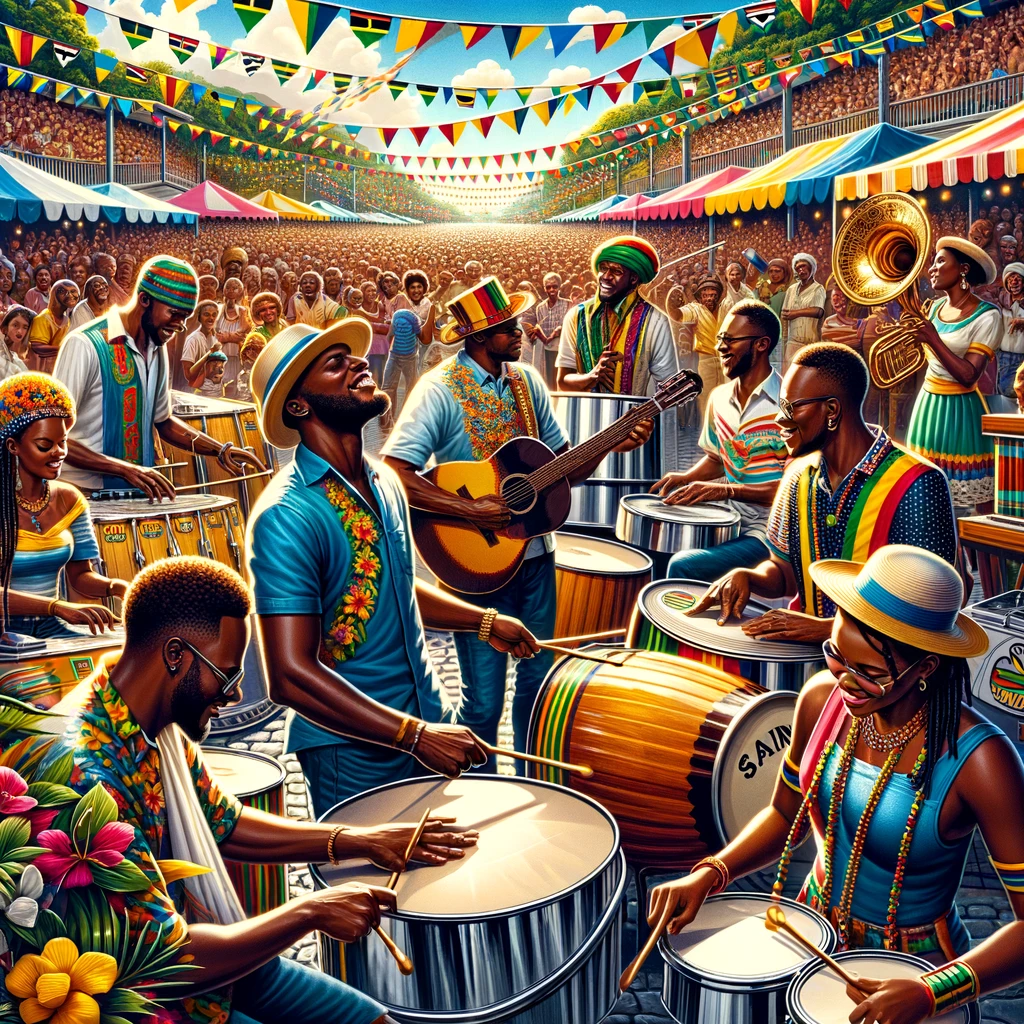
This period also saw the rise of folk art, with oral storytelling, dance, and music playing central roles in community life. Traditional drumming, calypso music, and folk dances such as the masquerade provided both entertainment and a means of preserving history and cultural narratives. The vibrant, rhythmic elements of these art forms reflected the island’s African heritage while also evolving into uniquely Nevisian expressions. These dynamic cultural activities continue to influence and inspire contemporary Nevisian artists.
Contemporary Nevisian Art
In the modern era, Nevisian art has become a melting pot of influences, mirroring the island’s diverse heritage and contemporary experiences. The local art scene is vibrant and eclectic, with artists exploring various mediums including painting, sculpture, photography, and mixed media. Galleries and studios throughout the island showcase works that draw on Nevis’s natural beauty, historical landmarks, and daily life. The interplay of light and shadow, the lush landscapes, and the vibrant colors of the Caribbean are common themes that reflect the island’s unique environment.
Many contemporary Nevisian artists have gained recognition both locally and internationally. Artists such as Vaughn Anslyn and Jonathan Gladding are celebrated for their ability to capture the spirit of Nevis through their evocative paintings. Anslyn’s work often focuses on traditional Nevisian life, depicting scenes of fishermen, market vendors, and local festivities with a nostalgic yet dynamic flair. Gladding, on the other hand, is known for his realistic portraits and landscapes that highlight the tranquility and charm of Nevis.
In addition to individual artists, various cultural organizations and initiatives promote the development of Nevisian art. The Nevis Cultural Development Foundation provides support and resources for artists, while annual events such as the Nevis Culturama Festival offer a platform for artistic expression. These initiatives help to ensure that the island’s rich artistic traditions continue to thrive and evolve.
Nevisian Art and Tourism
Nevis’s artistic heritage is a significant attraction for tourists, providing a unique insight into the island’s culture and history. Visitors can explore numerous galleries and studios that offer a wide range of artworks, from traditional crafts to contemporary pieces. These venues not only showcase local talent but also provide opportunities to purchase one-of-a-kind souvenirs that capture the essence of Nevis.
One popular attraction is the Alexander Hamilton Museum, located in the capital city of Charlestown. Named after one of Nevis’s most famous sons, the museum features exhibits on Nevisian history, including displays of local art. The museum’s collection includes historical artifacts as well as contemporary works, offering a comprehensive overview of the island’s artistic evolution.
Tourism initiatives often incorporate art into their offerings, creating immersive cultural experiences for visitors. For instance, workshops and classes hosted by local artists provide tourists with the chance to learn traditional crafts such as pottery, weaving, and wood carving. These experiences not only enrich the visitor’s understanding of Nevisian culture but also support the local creative community.
Conclusion
Nevisian art is a testament to the island’s rich cultural heritage and its ability to adapt and evolve through the ages. From the early expressions of the Carib people to the contemporary works of today’s artists, Nevisian art reflects a dynamic interplay of influences and traditions. This artistic journey showcases the resilience and creativity of the Nevisian people, preserving their history while continually forging new paths in artistic expression.
The island’s art scene is not only a source of local pride but also a compelling attraction for visitors, contributing to the cultural and economic vitality of Nevis. By exploring the galleries, participating in cultural festivals, and engaging with local artists, tourists can gain a deeper appreciation of Nevisian culture and its artistic legacy.
As we look to the future, it is clear that Nevisian art will continue to thrive, driven by the passion and talent of its artists. With ongoing support from cultural organizations and the enthusiastic participation of both locals and visitors, Nevisian art will remain a vibrant and integral part of the island’s identity. Whether you are an art aficionado or a casual observer, the journey through Nevisian art offers a window into the soul of this captivating Caribbean island.