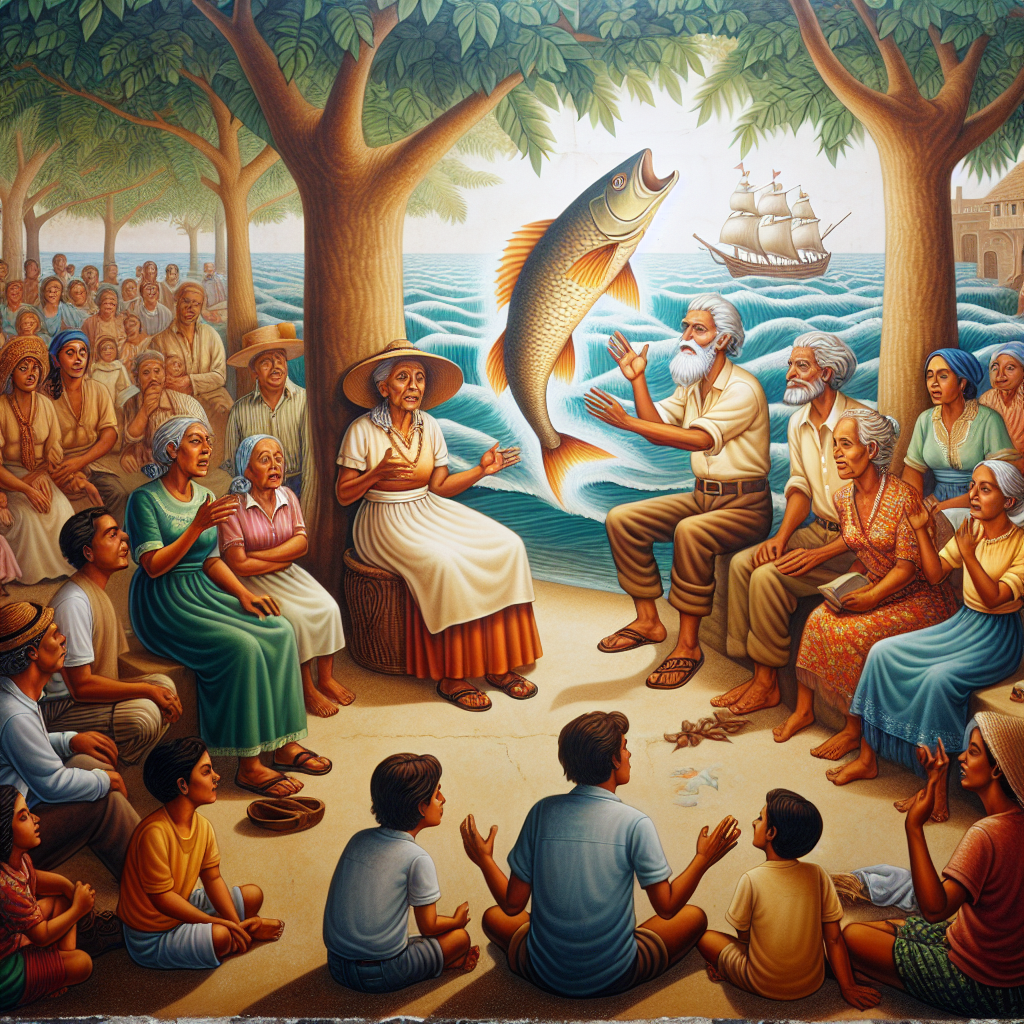
Nevis, an idyllic island nestled in the Eastern Caribbean, is not only known for its breathtaking vistas and serene beaches but also holds a rich tapestry of culture and history. This legacy is vividly preserved through oral histories that have been handed down from generation to generation. A myriad of stories, spanning from the times of indigenous people, colonial marks, through turbulent struggles, to vibrant modern-day traditions, continue to be shared, affirming the island’s cultural identity. The art of storytelling is deeply embedded within the ethos of Nevisian society, playing a crucial role in imparting moral lessons, preserving historical narratives, and fostering communal bonds. For centuries, these verbal accounts were the primary mode of education, offering rich tapestries woven with legends, myths, and firsthand experiences. This article delves into the remarkable oral histories of Nevis, exploring significant events and colorful tales that capture the essence of this enchanting island. From ancestral narratives that elucidate the early days of Nevis to personal anecdotes from elders, these stories are not merely recollections of the past but a living conduit through which the spirit of Nevis endures.
The Roots and Origins
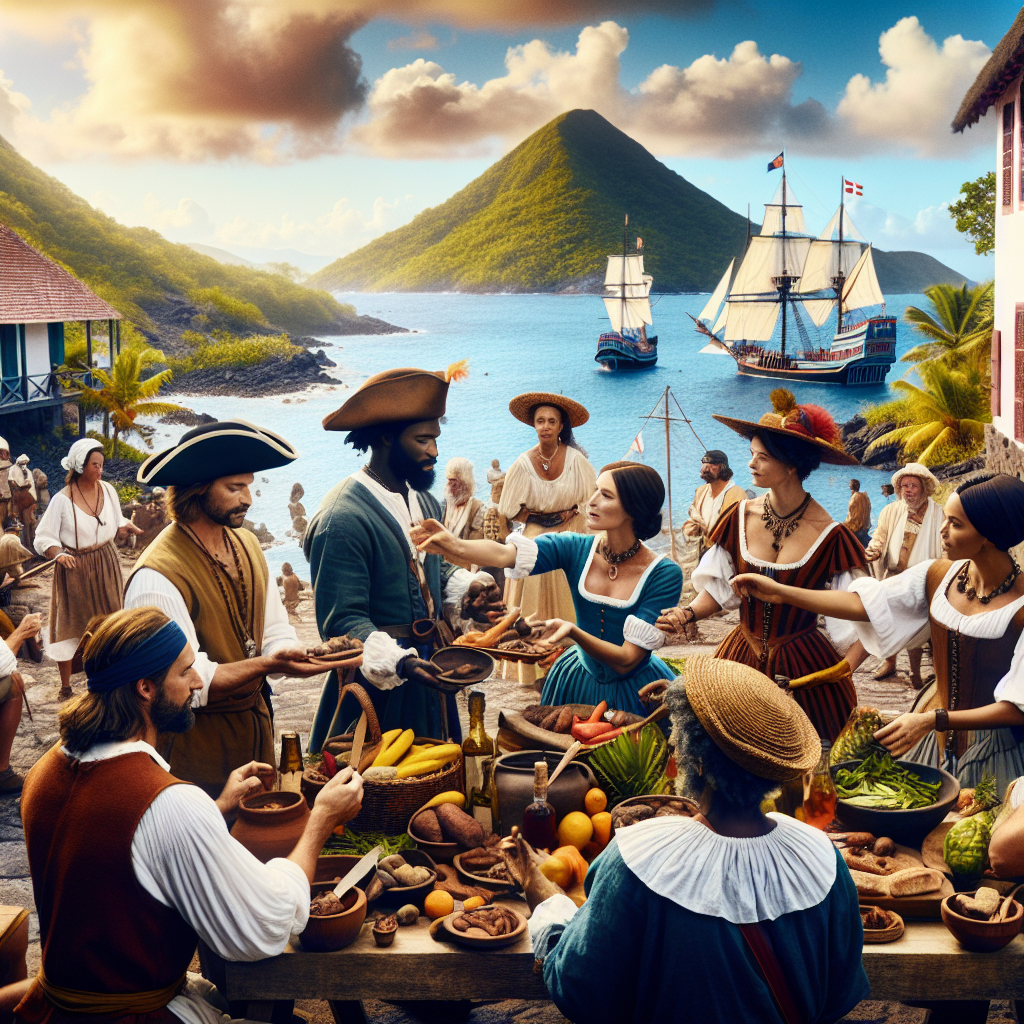
Long before European settlers graced the shores of Nevis, the island was home to the indigenous Caribs and Arawaks. Their presence is marked by ancient petroglyphs and artifacts, but it is through their oral traditions that we gain the most vivid glimpse into their way of life. Stories of powerful chiefs, sacred rituals, and their harmonious relationship with nature have been passed down, often through vibrant retellings during community gatherings. These early narratives provide profound insights into their daily lives, beliefs, and the spiritual connection they shared with the island. From the haunting tales of mysterious spirits roaming the dense forests to the inspirational exploits of brave warriors who protected their tribes, each story carries with it the essence of a people deeply rooted in their environment. When European colonization began in the 17th century, these indigenous tales were gradually interwoven with accounts from African slaves who were brought to Nevis under harrowing conditions. The blending of these rich traditions gave rise to a complex, layered oral history, reflecting the convergence of different cultures and epochs. Through song, dance, and meticulous storytelling, the essence of both indigenous and African heritages survived and thrived amidst the challenges of subjugation and cultural erasure.
Colonial Narratives
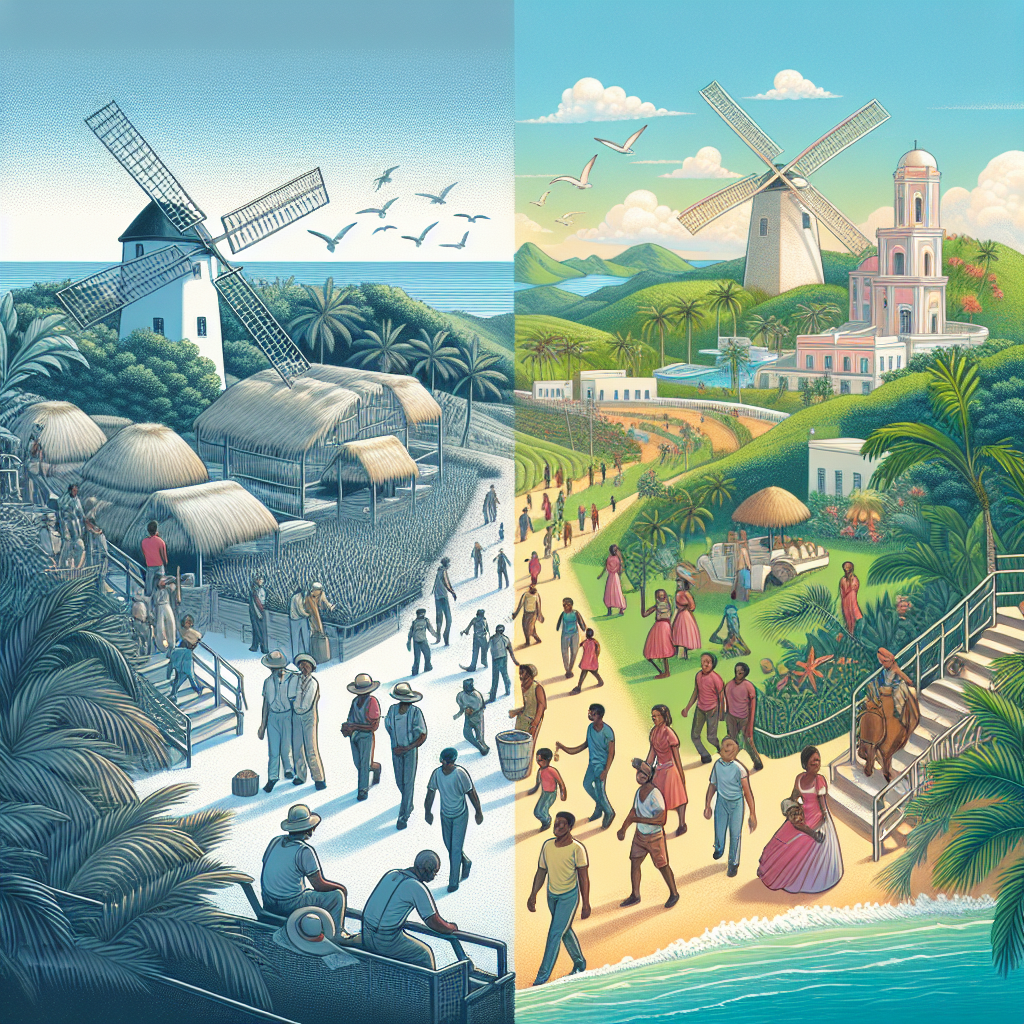
The arrival of Europeans heralded a new chapter in the history of Nevis, marked by both prosperity and pain. Colonization brought about significant economic changes, with Nevis becoming a critical node in the Atlantic sugar trade. Oral histories from this era are replete with stories of wealth and splendor, as well as oppression and resistance. Elders recount tales of immense plantations that sprawled across the island’s fertile landscape, where African slaves toiled under harsh conditions to produce sugar, a highly prized commodity. These narratives are imbued with the resilience and ingenuity of those who faced unimaginable adversity. Songs like “Wade in the Water,” which coded messages of hope and strategies for escape, form an integral part of this oral tradition. Additionally, pirate legends add a touch of mystery and intrigue to Nevis’ history. The tales of notorious pirates like Blackbeard and Captain Kidd hiding their treasures along Nevis’ coastlines have been told and retold, capturing the imagination of both locals and visitors. These stories serve as reminders of the island’s strategic importance and the many adventures that have punctuated its history.
Freedom and Resilience
With the abolition of slavery in 1834, a new era dawned for the people of Nevis. The resilience and determination of freed Africans are poignant themes in the oral histories from this period. Stories of perseverance, community building, and the fight for rights and recognition continue to inspire subsequent generations. One widely shared narrative is that of “Mama Peggy,” a formidable woman who played a pivotal role in organizing and educating newly freed slaves. Her story, passed down through generations, speaks to the enduring spirit and leadership shown during the transition from enslavement to freedom. Moreover, the establishment of free villages became a testament to the strength and solidarity of the emancipated community. These tales not only highlight the indomitable spirit of the people but also underscore the importance of unity and collective effort in overcoming adversity. The oral histories of this era are a testament to the transformative power of resilience and hope.
Modern-Day Tales and Traditions
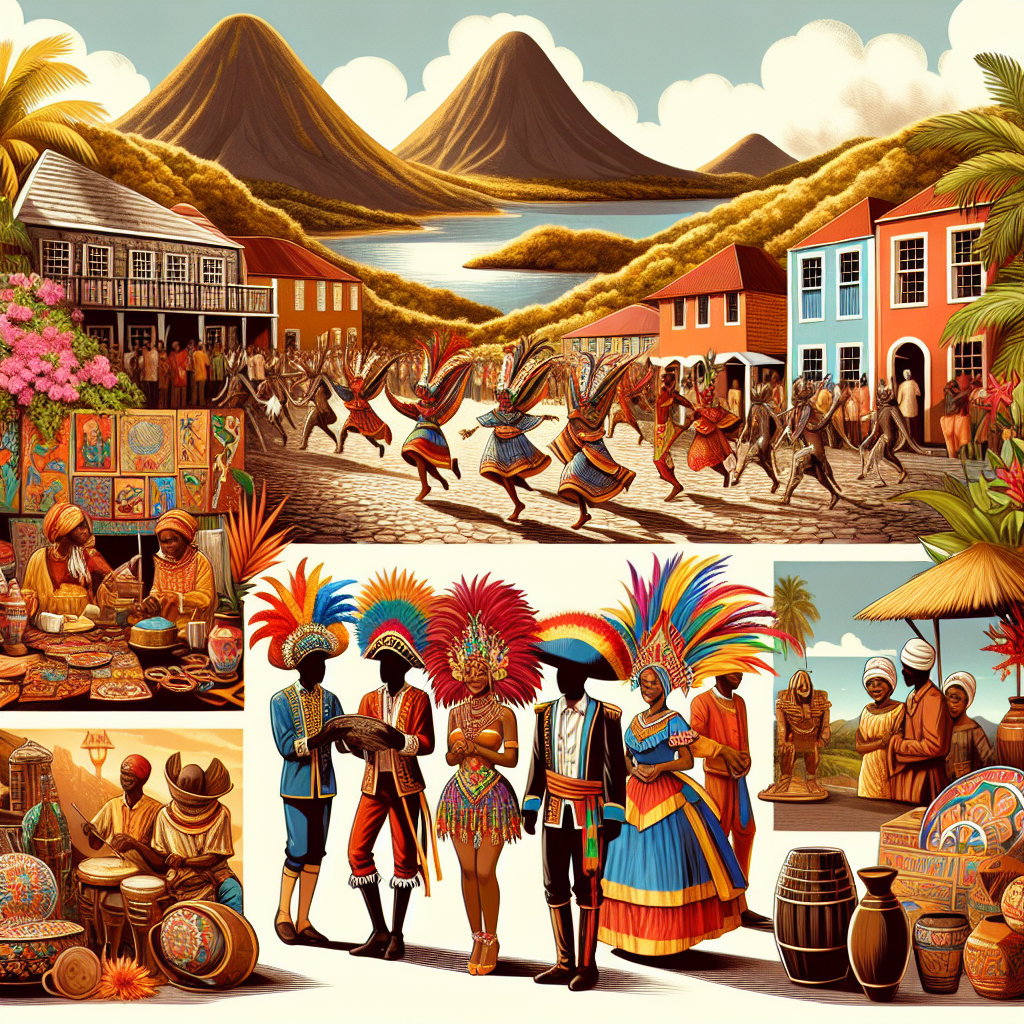
Oral histories on Nevis are not relics of the past; they are vibrant and dynamic, continuing to evolve in contemporary times. Today’s tales often revolve around cultural traditions, family legacies, and communal celebrations that underscore the island’s rich heritage. The annual Culturama festival, for example, is a treasure trove of stories celebrating Nevisian culture. Originating in the early 1970s, this festival heralds traditional music, dance, folklore, and culinary arts, all preserved through storytelling. Participants and local historians share vivid accounts of past festivals, legendary performances, and the evolution of cultural expressions, ensuring that each generation appreciates and cherishes its heritage. Additionally, personal stories of Nevisians who have achieved remarkable feats, both locally and internationally, are often shared. These modern-day legends serve as sources of pride and inspiration, instilling a sense of identity and continuity in the next generation. Whether it’s the tale of a fisherman’s extraordinary encounter at sea or a local athlete’s journey to excellence, each narrative adds to the rich mosaic of Nevisian oral heritage.
The Role of Storytellers
The custodians of Nevis’ oral histories are the island’s storytellers — individuals who carry the mantle of preserving and disseminating the cultural legacy through compelling narratives. These storytellers, often elderly members of the community, play a pivotal role in ensuring that the island’s history, values, and traditions are not lost to time. Storytelling sessions are common during social gatherings, where elders share anecdotes, historical accounts, and fables, often interspersed with local humor and wisdom. These sessions are more than just entertainment; they are educational experiences that instill a deep sense of respect and appreciation for the island’s heritage among younger generations. Modern technology has also begun to play a role in preserving these oral traditions. Audio recordings, video documentation, and digital archiving of storytelling sessions are becoming increasingly popular means of safeguarding these invaluable cultural treasures for posterity. This fusion of tradition and technology ensures that the oral histories of Nevis remain accessible to future generations, maintaining their relevance in an ever-evolving world.
Conclusion
The oral histories of Nevis are more than mere stories; they are the lifeblood of a vibrant culture that has withstood the test of time. These narratives weave together the diverse threads of the island’s history, from indigenous origins and colonial legacies to modern-day achievements and traditions. Each story, whether a myth from the distant past or a contemporary anecdote, enriches the communal tapestry, fostering a profound sense of identity and continuity. Through the dedicated efforts of storytellers and the community’s embrace of its heritage, the oral traditions of Nevis continue to thrive. They serve as a bridge between the past and the present, offering invaluable insights and lessons that remain relevant in today’s world. By preserving and sharing these stories, Nevisians not only honor their ancestors but also ensure that their rich cultural legacy endures for generations to come. As visitors and history enthusiasts delve into the oral histories of Nevis, they will discover a wealth of wisdom, resilience, and beauty that defines this remarkable island. These stories invite us to appreciate the profound connections between people and their heritage, encouraging us all to listen, learn, and share in the timeless tradition of storytelling.