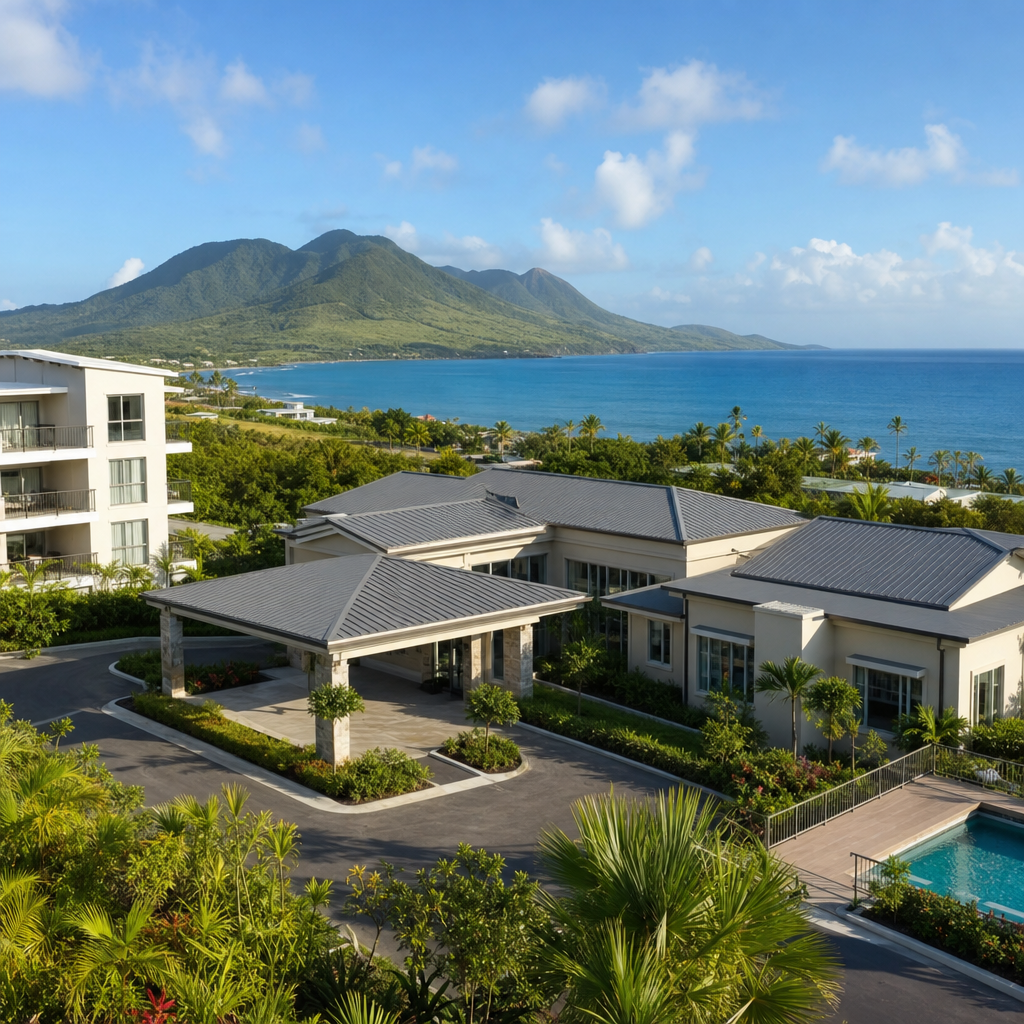
Choosing the right place to stay can define a solo trip, and in Nevis, that choice shapes everything from how easily you meet people to how quietly you recover from a day of beaches, hiking, and island exploration. Solo traveler-friendly stays in Nevis are accommodations that balance safety, convenience, fair value, and a welcoming atmosphere for guests arriving without a partner, family, or group. That can mean a boutique inn where staff learn your name, a villa suite with kitchen access and strong Wi-Fi, or a resort that offers enough social spaces to keep solitude from turning into isolation. As someone who has researched Caribbean lodging patterns and planned independent island itineraries, I have found that Nevis rewards travelers who match their base to their actual travel style rather than defaulting to the biggest property or lowest nightly rate.
Nevis is the smaller sister island to St. Kitts, known for relaxed beaches, historic plantation landscapes, rainforest slopes, and a slower pace than many busier Caribbean destinations. That matters for solo travelers because the island experience is intimate rather than anonymous. You are more likely to revisit the same beach bar, recognize local drivers, and develop a rhythm with your accommodation staff over several days. In practical terms, that makes location, host responsiveness, transport access, and included amenities more important than flashy branding. A solo guest often cannot split taxi fares, resort fees, or villa costs, so finding your perfect match means evaluating the total trip cost, not just the room rate shown in search results.
This hub under the Accommodations topic covers the miscellaneous side of Nevis lodging: the in-between options that do not fit neatly into only luxury resorts or only budget guesthouses. These are the stays many independent travelers actually book. They include apartment-style rentals, historic inns, small hotels, cottage properties, and mixed-use estates with a handful of rooms. The goal is simple: help you decide where to stay in Nevis based on privacy needs, budget flexibility, transport plans, social comfort, and proximity to the island’s top experiences. If you are comparing Charlestown, Pinney’s Beach, Oualie, or the foothills near Nevis Peak, this guide gives you the decision framework you need.
For searchers asking the direct question, the best solo traveler-friendly stays in Nevis are usually small hotels, boutique inns, and well-reviewed apartment or cottage rentals in safe, accessible areas near Charlestown or Pinney’s Beach. They tend to offer personal service, easier transport logistics, and better value than large standalone villas. The best fit depends on whether you prioritize beach time, walkability, historic character, or quiet retreat. Throughout this article, I will break down the most useful accommodation categories, what solo guests should look for before booking, and how to use this page as a hub for deeper Nevis accommodations research.
What Makes a Stay Solo Traveler-Friendly in Nevis
A solo traveler-friendly stay in Nevis should meet five standards: safety, simplicity, fair pricing for one person, responsive service, and a location that reduces friction. Safety starts with the basics: well-lit entrances, secure room locks, visible management, and clear communication about arrivals, especially if your ferry or flight timing changes. Simplicity means easy check-in, straightforward payment terms, and no confusion about where you are on the island. Fair pricing matters because many Caribbean properties are built around double occupancy assumptions, and a solo traveler can end up paying disproportionately high rates for space they do not need. Responsive service becomes crucial when there is no companion to help troubleshoot transport issues, meal planning, or weather-related changes.
Location is equally important. In Nevis, a beautiful stay can still be inconvenient if it leaves you dependent on expensive taxis for every meal and beach visit. For most solo travelers, the sweet spot is an accommodation within easy reach of Charlestown services, Pinney’s Beach dining, or main road transport links. If you want a quieter inland cottage, look for one with arranged transfers, on-site dining, or a rental car option. I have seen travelers book gorgeous hillside properties and then feel stranded by day two. On a small island, isolation is charming only when it is a choice and not a logistical trap.
Another marker of solo-friendly lodging is how the property handles communal versus private space. A good stay gives you your own secure room while also offering pleasant shared areas such as verandas, gardens, breakfast patios, or beach lounges. That balance helps independent travelers regulate their energy. You can be social without pressure and retreat without feeling cut off. Properties with overly formal resort layouts sometimes make solo guests feel conspicuous, while extremely private villas can feel disconnected unless you specifically want a retreat-style stay.
Best Types of Accommodations for Independent Travelers
In Nevis, solo travelers generally do best with one of four accommodation types: boutique hotels, guesthouses and inns, apartment or cottage rentals, and select resort rooms. Boutique hotels are often the strongest all-around option because they combine professional service with manageable scale. Staff can help arrange taxis, recommend restaurants, and provide practical local advice, but the environment remains relaxed. This is ideal for first-time visitors who want support without the intensity or price structure of a major resort.
Guesthouses and historic inns work especially well for travelers who value character and conversation. These properties often occupy restored buildings or smaller compounds and can feel more rooted in local culture. You may get homemade breakfast, direct access to owners or managers, and advice that is more specific than what a generic booking platform listing provides. For a solo traveler, that local connection can make the island feel easier to navigate. The tradeoff is that amenities can vary, so verify air conditioning, Wi-Fi strength, hot water reliability, and housekeeping frequency before committing.
Apartment-style rentals and cottage stays are excellent for longer trips, remote work periods, or travelers who prefer flexible meal planning. A kitchenette reduces dining costs and gives you independence, especially on evenings when you do not want to arrange transport. However, self-catering only works well if the property is near groceries or if you plan to rent a car. Resort rooms, meanwhile, make sense for travelers who want beach access, spa facilities, and on-site dining. The downside is cost. Large resorts in Nevis can be superb, but solo guests need to calculate whether they will actually use the amenities included in the price.
| Accommodation type | Best for | Main advantage | Key caution |
|---|---|---|---|
| Boutique hotel | First-time solo visitors | Service plus manageable scale | Can book out early in peak season |
| Guesthouse or inn | Culture-focused travelers | Personal local guidance | Amenities vary by property |
| Apartment or cottage | Longer stays and remote workers | Kitchen and privacy | Transport can be harder |
| Resort room | Beach and amenity seekers | Convenience on site | Higher cost for one person |
Where to Stay in Nevis: Area-by-Area Guidance
Charlestown is often the smartest base for solo travelers who want practicality. As the island’s main town, it gives you closer access to ferry links, shops, historic sites, casual restaurants, banks, and everyday services. If your travel style includes walking, light sightseeing, and spontaneous food stops, this area reduces dependence on taxis. It is also useful for shorter stays, since less time is lost coordinating transport. The atmosphere is less resort-centric and more lived-in, which many independent travelers appreciate.
Pinney’s Beach suits solo travelers who are coming primarily for seaside relaxation, beach bars, and sunset dinners. This stretch hosts some of the island’s best-known hospitality offerings and provides easier access to dining without needing to cross the island repeatedly. If you want to spend mornings by the water and evenings at established restaurants, this is a strong fit. The caution is that some properties in this zone skew upscale, and prices for meals and services can rise quickly if you are not careful.
Oualie and nearby northern areas appeal to travelers who want a quieter, breezier setting with good coastal character. These locations can feel more tucked away while still offering access to water activities and scenic views. They are often attractive to repeat visitors who do not need to be in the middle of the island’s most active dining cluster. Inland foothill properties, including former plantation settings and garden estates, offer heritage ambience and cooler evenings. They can be magical, but for solo travelers they work best when paired with a car rental or reliable host-supported transport.
If you are unsure where to begin, use this hub as your starting point and then branch into more specific accommodation guides under the Accommodations category: beach stays, boutique hotels, villas, historic inns, and extended-stay options. That internal path mirrors how most travelers narrow their search. Start with area, then style, then budget, then amenities.
How to Evaluate Safety, Cost, and Convenience Before Booking
The best way to judge a Nevis stay as a solo traveler is to move beyond listing photos and audit the booking like a travel planner. First, read recent reviews for operational details, not just general praise. Look for mentions of host communication, road access, arrival clarity, cleanliness consistency, and whether guests felt comfortable moving around the area. Reviews that say “beautiful but remote” or “you definitely need a car” are important signals, not minor comments. On an island where taxis add up quickly, remoteness changes the true nightly cost.
Second, ask direct questions before you book. I recommend confirming airport or ferry transfer options, whether staff can help arrange licensed taxis, how late check-in works, and what food options are available nearby after dark. If the property has a kitchen, ask what equipment is included. If Wi-Fi matters, ask where the strongest connection is located and whether it supports video calls. Serious hosts answer clearly. Vague replies are often a warning sign.
Third, calculate cost realistically. Include taxes, service charges, breakfast, transport, and meal access. A moderately priced inn near restaurants may be better value than a cheaper inland rental requiring multiple daily taxi rides. Also check cancellation terms carefully, especially during hurricane season or shoulder months when schedules can shift. For solo travelers, flexibility is worth paying for because there is no companion sharing the financial risk of a last-minute change.
Finally, trust properties that communicate specifics. Good accommodation listings in Nevis describe distance to Charlestown, beaches, and dining; explain whether a car is recommended; and note terrain such as hills or uneven paths. Clear detail is a hallmark of trustworthy operators and aligns with what experienced solo travelers need most: predictability.
Matching Your Stay to Your Travel Style
Your perfect match in Nevis depends less on star rating than on trip intent. If this is your first solo Caribbean trip, prioritize ease. Choose a small hotel or inn with breakfast, transport support, and a location near restaurants. If you are a confident independent traveler who enjoys self-directed days, a cottage or apartment can give you greater privacy and better value. If your goal is restoration, a resort room or plantation-style retreat may justify the premium because you will spend more time on site.
For remote workers, the essentials are stable Wi-Fi, a functional desk or table, reliable power, and walkable or easily arranged food options. For hikers targeting Nevis Peak or travelers focused on history, central access may matter more than direct beach frontage. For social solo travelers, properties with bars, shared breakfasts, or common terraces create low-pressure opportunities to meet others. For introverts, a self-contained unit with outdoor seating can be ideal.
The most reliable booking strategy is to write down your top three non-negotiables before searching. Mine are usually location efficiency, responsive hosting, and private outdoor space. Yours may be beach proximity, kitchen access, or budget ceiling. Once those are clear, the right Nevis accommodation becomes easier to identify. Explore the related pages in this Accommodations hub to compare specific property types, then shortlist stays that match how you actually travel rather than how the photos suggest you should travel.
Nevis is one of the Caribbean’s best islands for solo travelers who want a calm, scenic, and manageable stay, but the right accommodation makes the difference between an easy trip and a frustrating one. The most solo traveler-friendly stays in Nevis combine secure private rooms, responsive service, sensible pricing, and locations that simplify transport, dining, and daily planning. For many travelers, that means boutique hotels, historic inns, or well-reviewed apartment and cottage rentals rather than oversized villas or the most expensive resort on the map.
The key takeaway is straightforward: choose your stay based on how you plan to move through the island. If you want convenience, stay near Charlestown or Pinney’s Beach. If you want character, look at smaller inns and heritage properties. If you need independence, prioritize rentals with kitchens and honest transport guidance. And if you want amenities, make sure a resort’s price reflects services you will truly use. This is the practical lens experienced solo travelers apply, and it works.
Use this hub page as your launch point for the broader Accommodations section, where you can dig into specific stay categories across Nevis. Compare areas, review property styles, and narrow your shortlist with confidence. Book the stay that fits your rhythm, and Nevis becomes exactly what solo travel should be: simple, restorative, and memorable.
Frequently Asked Questions
What makes a stay in Nevis especially suitable for solo travelers?
A solo traveler-friendly stay in Nevis usually combines four essentials: safety, convenience, comfort, and the right social atmosphere. For many solo guests, the best property is not necessarily the largest resort or the cheapest room, but the place that helps them move around the island confidently and feel genuinely welcome. That often includes accommodations with attentive staff, clear communication before arrival, reliable transportation options, and a layout that feels secure and easy to navigate. Smaller inns, boutique hotels, guesthouses, and well-managed villa suites can be particularly appealing because they tend to offer more personal service and local guidance.
Another important factor is how well the property matches your travel style. If you want peace and privacy, a quiet room with a veranda, strong air conditioning, and access to a calm beach or garden setting may be ideal. If you would rather meet people, look for stays with shared lounges, on-site dining, communal breakfast areas, or frequent guest interaction. Solo travelers often appreciate properties where staff are happy to recommend safe taxi drivers, nearby restaurants, day trips, hiking routes, and beach spots that fit different energy levels and budgets.
Practical details matter too. Kitchenettes or shared kitchen access can help keep meal costs manageable. On-site dining is useful if you do not want to arrange transportation every evening. Good Wi-Fi, easy check-in, and responsive hosts also make a major difference, especially if you are planning activities independently. In Nevis, the best solo-friendly stays are the ones that let you enjoy the island on your own terms, whether that means total quiet, local connection, or a balance of both.
Is it better for a solo traveler to stay near the beach, in town, or in a more secluded part of Nevis?
The best area depends on what kind of solo trip you want to have. Staying near the beach is a strong choice if your priority is relaxation, easy access to swimming, sunsets, and walkable resort amenities. Many beach-area properties also make it simple to spend most of the day close to your accommodation, which can be especially appealing if you prefer a low-stress rhythm and do not want to organize transportation constantly. For solo travelers who value convenience and scenery, this is often the easiest option.
A location closer to Charlestown or within easier reach of local services can work better if you want a more independent and practical experience. Being near town may give you better access to shops, casual dining, local transportation connections, and everyday island life. This can help solo travelers feel less isolated, especially if they enjoy exploring on foot, chatting with residents, or mixing beach time with cultural stops. Town-adjacent stays can also be useful for travelers on a tighter budget, since they may offer simpler accommodations and easier access to lower-cost meals.
Secluded stays appeal to solo travelers who are specifically looking for rest, privacy, and a more immersive natural setting. Hillside inns, garden cottages, and villa-style accommodations can feel deeply restorative after busy work periods or emotionally demanding seasons of life. The tradeoff is that remote properties often require more planning around taxis, dining, and activities. If you choose a secluded stay, it helps to confirm how easy it is to get around, whether food is available on-site or nearby, and how responsive the host or front desk is. In Nevis, there is no one perfect location for every solo traveler; the right match comes from being honest about whether you want social energy, logistical ease, or uninterrupted calm.
How can solo travelers in Nevis choose accommodations that feel safe and comfortable?
Start by looking beyond promotional photos and focusing on operational details. A safe and comfortable stay usually has consistent guest reviews mentioning helpful staff, a well-maintained property, clean rooms, and a calm atmosphere. Solo travelers should pay close attention to comments about communication, late arrivals, transportation assistance, room security, and how the property handles guest requests. A place that answers questions clearly before booking often continues that level of care after check-in.
It is also smart to ask specific questions before confirming your stay. You might want to know whether the property can arrange airport or ferry transfers, whether there is on-site staff in the evening, how easy it is to get a taxi, and whether dining options are available nearby after dark. If you are booking a villa suite, apartment, or guesthouse, check whether there are secure locks, outdoor lighting, and a straightforward way to reach the host if needed. Comfort is not only about luxury; it is about feeling looked after, informed, and able to settle in quickly.
Room type matters too. Some solo travelers feel most at ease in a boutique hotel with front-desk support and an on-site restaurant, while others prefer a self-contained studio where they can control their schedule entirely. Think about what helps you relax. That could be a ground-floor room close to the main building, a property with daily housekeeping, or a stay with kitchen access so you do not need to go out for every meal. In Nevis, comfort often comes from simplicity: a well-run property, friendly people, and a location that supports your plans rather than complicating them. Choosing a stay that reduces uncertainty can make the entire solo trip feel more open, enjoyable, and secure.
Are boutique inns, guesthouses, or villa suites better than large resorts for solo travelers in Nevis?
Not automatically, but they often suit solo travelers very well. Boutique inns and guesthouses can provide a more personal and less anonymous experience, which many people appreciate when traveling alone. Staff may remember your name, ask about your plans, and share island recommendations that feel more tailored than standard concierge suggestions. That kind of personal attention can make solo travel feel easier and warmer, especially on an island where local insight can shape everything from where you eat to which beach feels best on a given day.
Villa suites and apartment-style stays can also be excellent if you want more independence, extra space, or better value over several days. A kitchenette lets you prepare breakfast, store snacks, and manage spending more easily. This setup is especially useful for solo travelers who prefer quiet evenings, early starts, or a flexible daily schedule. However, a more independent accommodation works best if transportation, dining, and communication are straightforward. If a villa is beautiful but isolated and difficult to navigate without a car or regular taxi service, it may feel less convenient than expected.
Large resorts can still be a strong option, especially if you want polished service, multiple dining venues, organized activities, and a more structured environment. For some solo travelers, a resort feels reassuring because everything is in one place and the property has established systems for excursions, dining, and security. The downside is that large resorts can sometimes feel more geared toward couples or families, which may or may not matter to you. The best choice depends on whether you want intimacy, independence, or full-service ease. In Nevis, solo travelers often do best when they prioritize fit over prestige and choose the property that supports how they actually want to spend their time.
What should solo travelers consider when comparing value and amenities in Nevis accommodations?
Value is about more than the nightly rate. A lower-priced stay can become less economical if it requires frequent taxi rides, offers no meal options nearby, or lacks the amenities that help solo travelers stay comfortable and flexible. When comparing accommodations in Nevis, look at the total experience: location, transportation needs, dining access, included services, room features, and how much time or money you will spend filling in the gaps. Sometimes a slightly more expensive property offers much better value because breakfast is included, the beach is within walking distance, or the staff can help you organize activities without hassle.
Amenities that matter most to solo travelers often include Wi-Fi, air conditioning, easy check-in, a safe and peaceful setting, and either on-site dining or kitchen access. Laundry availability can be useful for longer stays. A small pool, garden space, or shaded terrace can add real value if you enjoy downtime between outings. If you plan to hike, visit beaches, or explore historical sites during the day, it is worth paying attention to how easy it will be to come back, clean up, and head out again for dinner or sunset. Convenience often shapes enjoyment more than luxury does.
It is also wise to consider the emotional value of the stay. Solo travelers often remember the places where they felt most welcomed, most rested, and most free to enjoy the island without friction. A property with kind staff, a relaxed atmosphere, and thoughtful local advice can be worth more than a long list of generic amenities. In Nevis, the perfect match is usually the stay that aligns with your pace, your budget, and the kind of solo trip you actually want—whether that means peaceful retreat, active exploration, or a little of both.