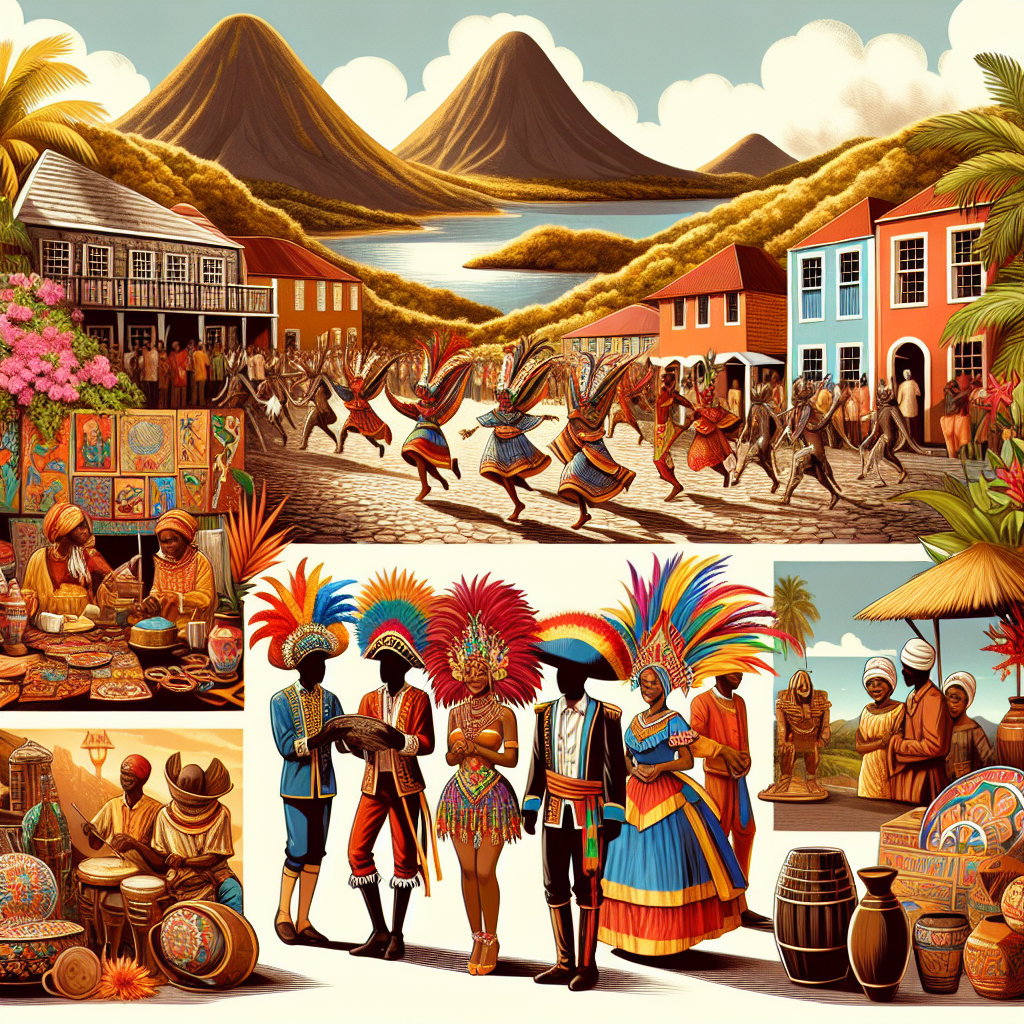
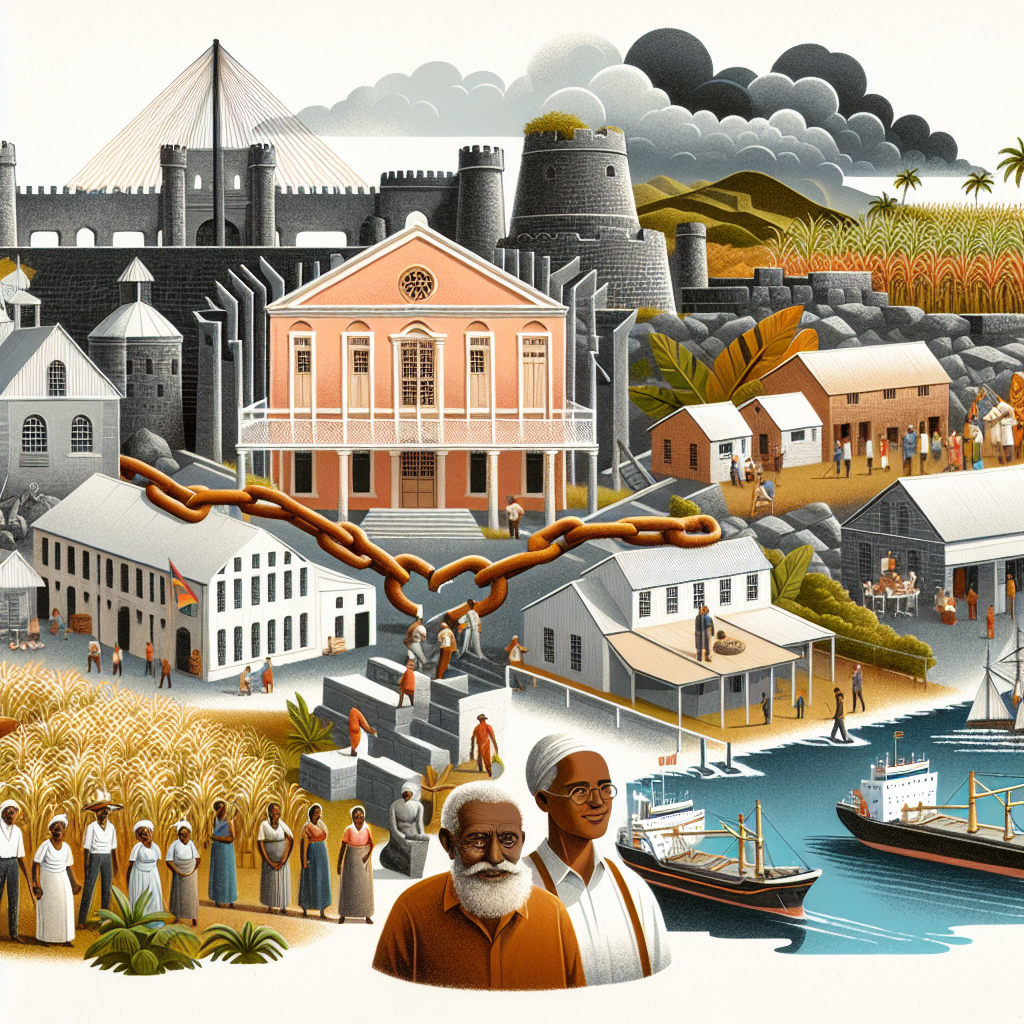
Nevis, a small island in the eastern Caribbean, is an enchanting destination with a rich cultural tapestry woven with threads of history, tradition, and change. Among the many fascinating aspects of Nevisian society, the evolving role of women stands out as both compelling and transformative. Historically, women’s roles in Nevis were largely defined by colonial, economic, and social structures, but contemporary shifts have seen them emerge as pivotal figures in the island’s socio-economic and cultural landscapes. This article aims to explore the deeply rooted history, examine the transitioning roles, and spotlight the remarkable achievements of Nevisian women while considering the impact of modern influences.
The history of women in Nevis traces back to the era of colonialism and slavery when their roles were marked by subjugation and limited freedoms. With the end of slavery in 1834, women on the island began a slow but revolutionary journey towards greater autonomy and recognition. Traditionally tasked with domestic chores and child-rearing, women in Nevis have long stood as silent but fierce pillars of strength and resilience. However, the narrative does not end there.
Post-emancipation, as the island transitioned through various socio-political changes, Nevisian women began to reassert their positions within the community. Education and incremental socio-economic opportunities started to redefine their roles, fostering an environment where women could aspire beyond traditional confines. This progressive shift is evident today as women in Nevis contribute significantly to an array of professional fields, social initiatives, and political spheres.
Historical Overview
The historical backdrop of Nevisian society is as dynamic as it is complex. Under British colonial rule, gender roles were strictly defined, with women primarily confined to domestic spheres. The labor-intensive sugar cane industry underscored the island’s economy, and women were integral to this system. Enslaved women worked tirelessly in fields, mills, and as domestic servants, often subject to harsh conditions and minimal rights. Despite these adversities, they nurtured familial connections and cultivated resilient communal bonds.
After the abolition of slavery in 1834, the island’s socio-economic landscape began to transform gradually. Freed women found themselves navigating a new world of opportunities, albeit limited and challenging. They continued working in agriculture but started engaging more actively in local markets, selling produce, and crafting goods, thereby laying foundations for small-scale entrepreneurship. Over time, the economic participation of women began to influence social perceptions and expectations.
The early 20th century ushered in a wave of education reforms and social changes that further influenced the roles of women. Female education, although initially restricted to the elite, became more accessible over time, empowering women with knowledge and skills necessary to assert their rights and ambitions. Influential figures and movements within Nevis began advocating for gender equality, ensuring that the seeds of change sown in previous decades continued to grow and bear fruit.
Women’s Roles in Family and Community
The cultural landscape of Nevisian society places a significant emphasis on family and community, roles that women traditionally and primarily shouldered. Nevisian women are often seen as the custodians of family values and traditions, responsibilities that encompass nurturing children, managing households, and ensuring familial harmony. However, the modern Nevisian family dynamic is continually evolving as women increasingly balance their traditional responsibilities with professional aspirations.
In the community, women have been the backbone of many social initiatives and local organizations. They contribute to community development through active involvement in schools, churches, and various civic groups. The collaborative spirit among Nevisian women has led to the establishment of several community-based programs focused on education, health, and social welfare, helping to uplift the less fortunate and foster communal resilience.
Despite these traditional roles, the contemporary narrative showcases a shift towards greater gender balance. Women’s contributions are increasingly recognized and valued in both family and community settings. This acceptance is indicative of a broader societal commitment to gender equality and empowerment, which bodes well for the future evolution of women’s roles in Nevis.
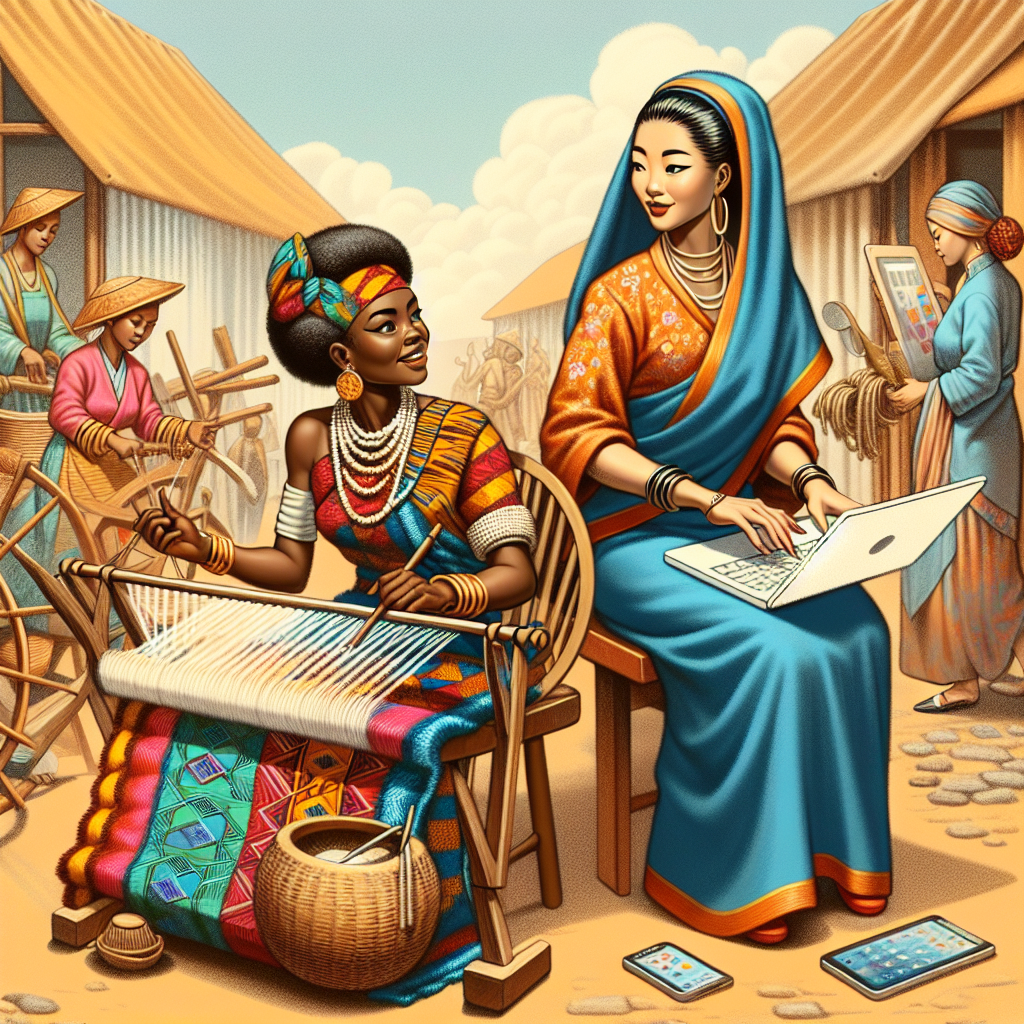
Educational Advances and Professional Achievements
Education has been a fundamental catalyst in shaping the contemporary role of women in Nevisian society. Increased access to primary and secondary education, followed by opportunities for higher education, has significantly influenced women’s professional trajectories. Educational reforms targeting gender equality have ensured that girls receive the same quality of education as boys, fostering a generation of well-educated women ready to enter various professional fields.
Many Nevisian women have pursued higher education both locally and abroad, taking up professions in medicine, law, education, and business. Their contributions are transforming the workforce and creating new role models for younger generations. This shift towards professional achievements is complemented by a strong support system, with various organizations and networks advocating for women’s rights, career development, and leadership opportunities.
The rise in female leadership within Nevis is particularly noteworthy. Women hold significant positions in government and other sectors, driving policies that promote gender equality and social welfare. Their leadership is reshaping the socio-economic framework of Nevis, highlighting the indispensable role of women in the island’s progress.
Challenges and Opportunities
Despite notable progress, the journey towards full gender equality in Nevis is not without its challenges. Socio-cultural norms and persistent gender stereotypes continue to present obstacles for women striving to break through traditional barriers. Issues such as limited access to resources, gender-based violence, and disparities in employment opportunities remain prevalent and need addressing.
The economic landscape also poses challenges, with limited job opportunities in a small island economy sometimes curtailing women’s professional aspirations. However, these challenges are met with resilience and innovation. Nevisian women increasingly engage in entrepreneurial ventures, leveraging technology and networking to create new business opportunities and drive economic growth.
Opportunities for further advancement lie in strengthening policies that support gender equality, improving access to quality healthcare and education, and promoting women’s participation in all sectors of society. Empowering women through continuous education and professional training, as well as fostering a supportive community environment, will catalyze their further integration into Nevisian socio-economic life.
The Cultural Renaissance Led by Women
The cultural renaissance seen in Nevisian society over recent years has been significantly influenced by the active participation of women. They are at the forefront of preserving and promoting the island’s rich traditions, arts, and heritage. Through various cultural festivals, educational programs, and artistic expressions, Nevisian women celebrate and sustain their cultural identity while fostering a sense of unity and pride among the local community.
Events such as the Nevis Culturama Festival showcase traditional music, dance, and crafts, with women playing key roles in organizing and performing. They contribute to a vibrant cultural scene, perpetuating customs and stories that define Nevisian heritage. Additionally, women in the arts – writers, poets, musicians, and visual artists – continue to create works that resonate locally and internationally, highlighting the unique cultural narratives of Nevis.
The role of women in sustaining Nevisian culture is also evident in their efforts to educate the youth about their heritage. By integrating traditional knowledge and cultural practices into education and community activities, they ensure that future generations remain connected to their roots while adapting to a rapidly changing world.
Conclusion
The role of women in Nevisian society has undergone significant changes, reflecting broader global trends towards gender equality and empowerment. From the historical confines of colonialism and post-emancipation challenges to the modern era of educational and professional achievements, Nevisian women have demonstrated remarkable resilience, strength, and vision. Their evolving roles within family, community, and professional spheres underscore their indispensable contributions to the island’s socio-economic and cultural development.
Looking ahead, the continued advancement of women in Nevis requires concerted efforts to overcome persistent challenges and seize emerging opportunities. It necessitates a societal commitment to gender equality, supportive policies, and robust community programs that empower women to realize their full potential. Moreover, celebrating the successes and achievements of Nevisian women provides powerful inspiration for future generations to aspire and thrive.
Ultimately, the changing role of women in Nevisian society is a testament to their enduring spirit and ability to effect transformative change. Their journey, marked by progress and perseverance, stands as a vital narrative of Nevisian heritage, contributing to the rich tapestry of the island’s history and fostering a future of inclusivity and equality.