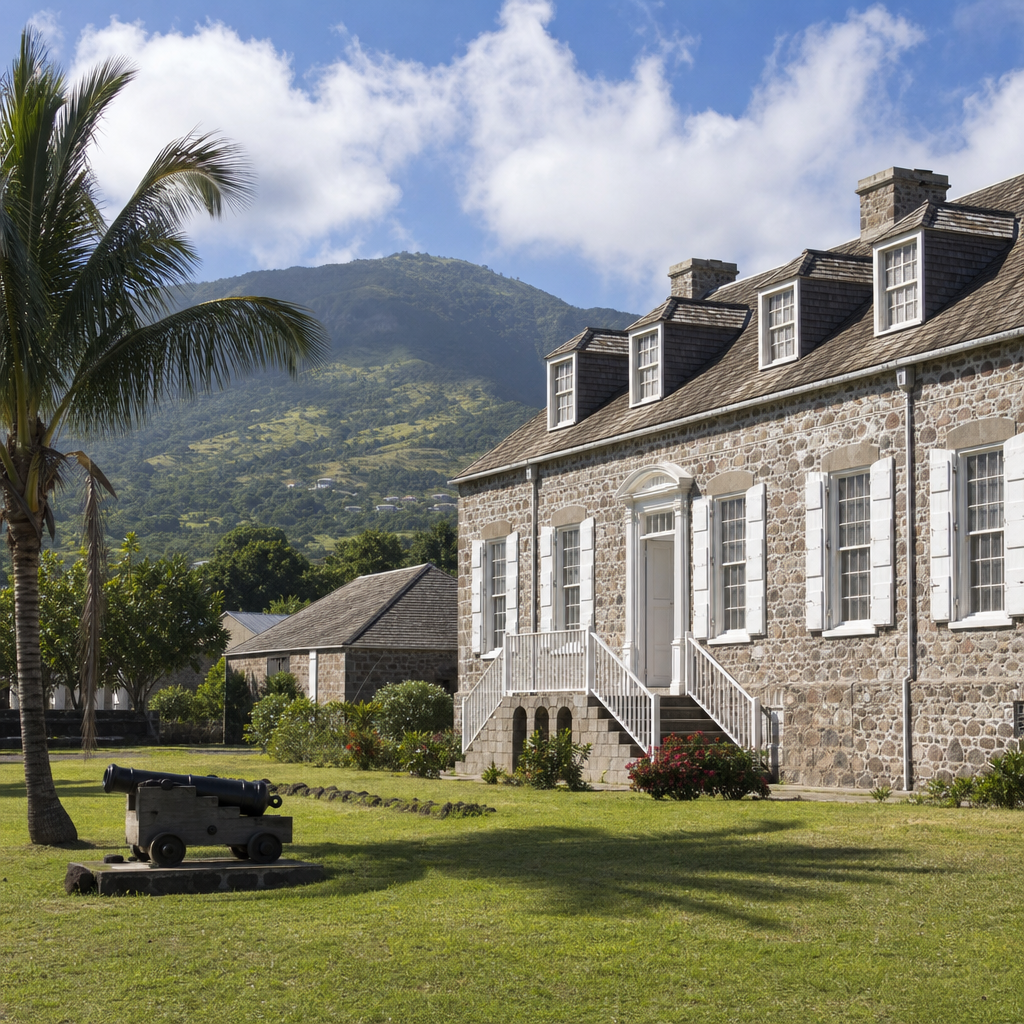
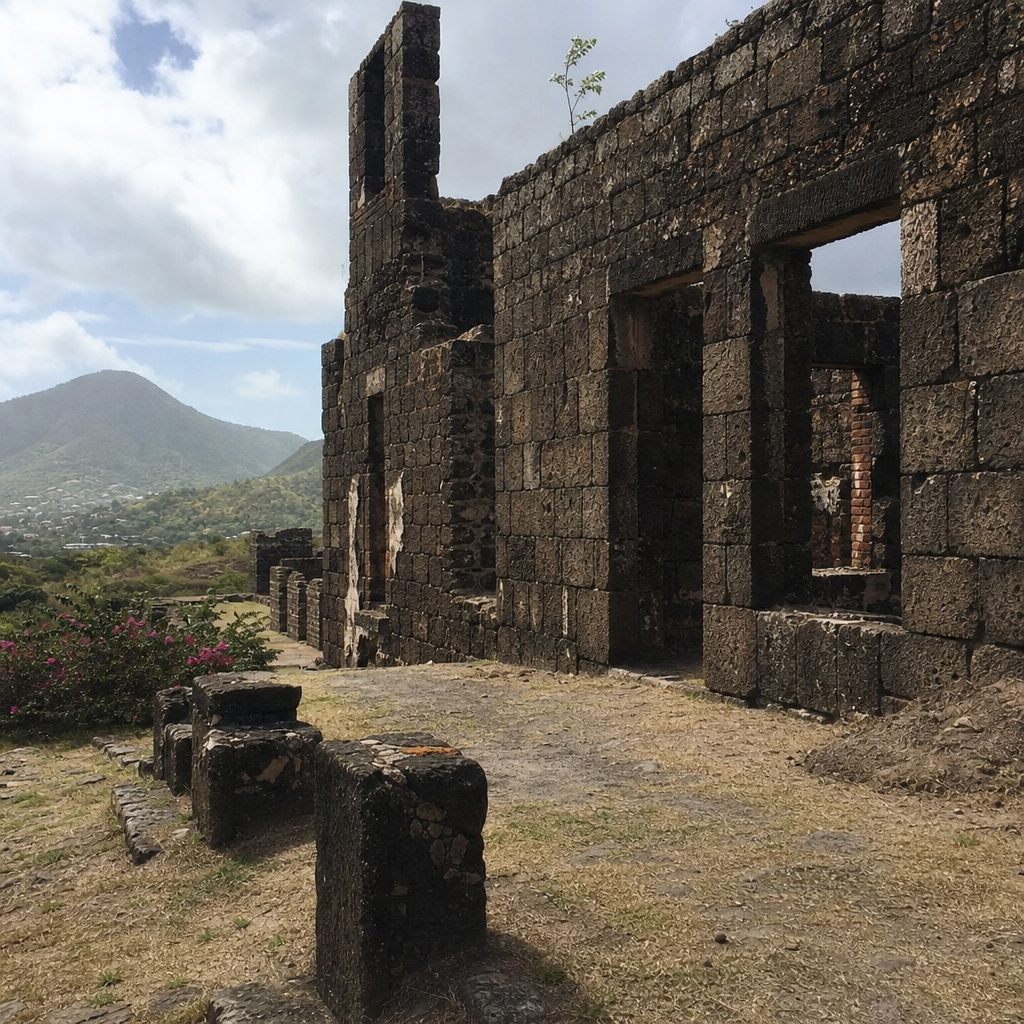
Saint Kitts and Nevis, an enchanting twin-island nation in the West Indies, boasts a rich history that is intricately tied to its struggle for independence. The road to sovereignty was marked by numerous hurdles, critical events, and the tireless efforts of notable individuals. This article delves into the key figures and events that played pivotal roles in Saint Kitts’ independence movement, celebrating their contributions to the nation’s historical and cultural tapestry.
Introduction
The journey to independence for Saint Kitts and Nevis is a story steeped in resilience, unity, and unwavering determination. Colonized by the British in the 17th century, the islands experienced centuries of colonial rule, marked by the exploitation of their resources and people. The struggle for independence began to take shape in the early 20th century, fueled by the desire for self-governance, economic autonomy, and social justice.
The impetus for this movement was carried by a multitude of figures, including political leaders, activists, and everyday citizens. They organized protests, formed political parties, and engaged in diplomatic negotiations, all with the goal of achieving full independence. Their collective efforts finally bore fruit on September 19, 1983, when Saint Kitts and Nevis became a sovereign nation.
This article aims to highlight some of the most significant figures and events that were instrumental in the independence movement. From early resistance efforts to the establishment of political parties and the eventual declaration of independence, we will explore the milestones that shaped the nation’s path to self-determination.
Early Resistance and Political Awakening
The seeds of Saint Kitts’ independence movement were sown in the early 20th century, as the island’s inhabitants began to push back against colonial oppression. Labor strikes and protests became more common, signaling a growing dissatisfaction with British rule. One of the earliest examples of resistance was the 1935 Buckley’s Riots, where sugar workers protested against poor working conditions and low wages.
These early acts of defiance were crucial in raising awareness about the plight of the island’s labor force and the need for change. They also laid the groundwork for future political organization and activism. The rise of trade unions, such as the St. Kitts Workers’ League, further galvanized the movement, providing a platform for workers to voice their grievances and demand better treatment.
The political awakening of the Saint Kitts populace was further accelerated by the global push for decolonization following World War II. Influenced by the broader movements for independence sweeping across the Caribbean and the African continent, the people of Saint Kitts were inspired to intensify their efforts towards achieving self-governance.
The Formation of Political Parties
The formation of political parties was a significant milestone in Saint Kitts’ quest for independence. These parties played a vital role in organizing the populace, advocating for independence, and negotiating with colonial authorities. Among the most influential was the St. Kitts-Nevis-Anguilla Labour Party (SKNALP), founded in 1932 by Thomas Manchester.
SKNALP, under the leadership of figures like Robert Bradshaw and Paul Southwell, became the driving force behind the push for independence. Bradshaw, in particular, emerged as a central figure in the movement. His charismatic leadership and unwavering commitment to social justice endeared him to many, earning him the title of “The Father of the Nation.”
Throughout the 1950s and 1960s, SKNALP and other political entities worked tirelessly to advance the cause of independence. They participated in regional conferences, lobbied the British government, and rallied the support of the local populace. Their efforts began to bear fruit, as Saint Kitts and Nevis gained self-governing status within the West Indies Federation in 1958.
Key Figures in the Independence Movement
The history of Saint Kitts’ independence movement would be incomplete without acknowledging the contributions of key figures who played pivotal roles in the struggle. Robert Bradshaw, as mentioned earlier, was a towering figure whose leadership was instrumental in galvanizing support for independence. His tenure as the first Premier of Saint Kitts and Nevis saw significant strides towards self-governance.
Another key figure was Paul Southwell, a close ally of Bradshaw and a dedicated advocate for the working class. Southwell’s work in the labor movement and his role in the government helped lay the foundation for the nation’s eventual independence. He served as the second Premier of Saint Kitts and Nevis, continuing the push for full sovereignty.
Also noteworthy is Kennedy Simmonds, who played a critical role in the final stages of the independence movement. Simmonds was a founding member of the People’s Action Movement (PAM), a political party that provided an alternative to SKNALP. His efforts, along with those of his party, were crucial in negotiating the terms of independence and ensuring a smooth transition to self-governance.
The Path to Independence
The path to independence for Saint Kitts and Nevis was neither easy nor straightforward. The islands’ quest for sovereignty was marked by complex negotiations, internal political struggles, and external pressures. The 1967 Associated Statehood status granted by the British government was a significant step, allowing the islands greater autonomy while still being part of the British Commonwealth.
This newfound status propelled Saint Kitts and Nevis towards full independence. However, it also brought about challenges, including the need to balance the interests of the two islands and address economic dependency. Efforts to diversify the economy and reduce reliance on sugar production became a focal point, as leaders sought to build a sustainable and self-sufficient nation.
The final push towards independence gained momentum in the late 1970s and early 1980s. Political leaders from both SKNALP and PAM intensified their efforts, engaging in dialogue with British authorities and seeking support from international allies. The unity and determination of the Kittitian and Nevisian people were instrumental in overcoming the hurdles on the path to sovereignty.
The Declaration of Independence
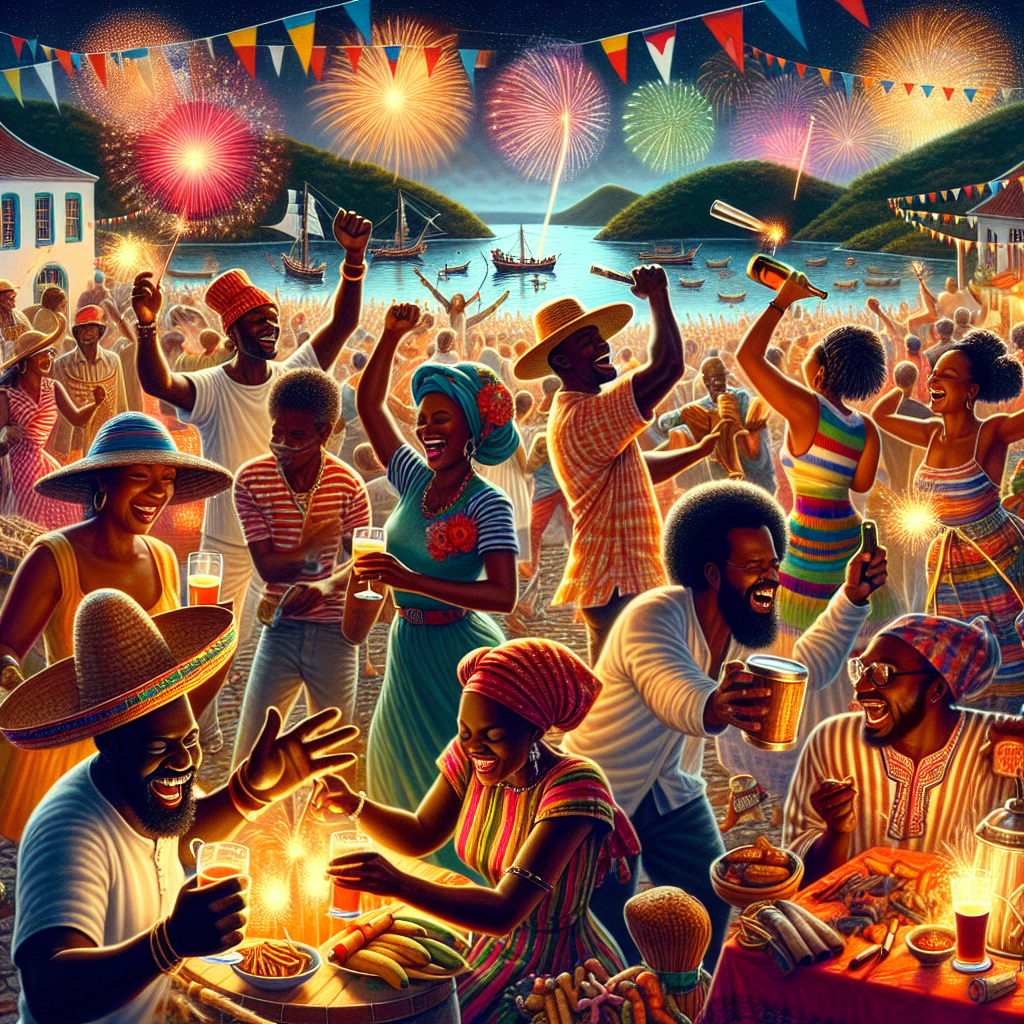
On September 19, 1983, the dreams and aspirations of generations of Kittitians and Nevisians were realized when Saint Kitts and Nevis finally achieved full independence. The historic event was marked by a grand ceremony, attended by dignitaries, political leaders, and citizens who had long yearned for this momentous day.
Sir Kennedy Simmonds, then Premier of Saint Kitts and Nevis, became the first Prime Minister of the newly independent nation. The declaration of independence was a testament to the resilience, unity, and determination of the people. The new nation was born with a sense of pride and hope, ready to chart its own course on the global stage.
Since gaining independence, Saint Kitts and Nevis has continued to navigate the challenges and opportunities of nationhood. The legacy of the independence movement remains deeply ingrained in the nation’s identity, serving as a reminder of the power of collective action and the indomitable spirit of its people.
Conclusion
The independence movement of Saint Kitts and Nevis is a remarkable chapter in the nation’s history, defined by the efforts of visionary leaders, the resilience of the working class, and the collective determination of its people. The journey from colonial rule to full sovereignty was fraught with challenges, yet it was also marked by significant achievements and milestones.
The contributions of key figures such as Robert Bradshaw, Paul Southwell, and Kennedy Simmonds cannot be overstated. Their leadership, advocacy, and dedication were instrumental in steering the nation towards independence. The events leading up to the declaration of independence on September 19, 1983, shaped the political, social, and economic landscape of Saint Kitts and Nevis.
Today, as an independent nation, Saint Kitts and Nevis continues to honor the legacy of its independence movement. The story of the struggle for sovereignty serves as an inspiration, reminding the nation of the importance of unity, perseverance, and the pursuit of justice. The nation’s vibrant culture, rich history, and resilient spirit are testaments to the enduring impact of the independence movement.
As we celebrate the history and culture of Saint Kitts and Nevis, it is essential to remember and honor the key figures and events that paved the way for independence. Their sacrifices, struggles, and triumphs have left an indelible mark on the nation’s identity, guiding it towards a future of self-determination, growth, and prosperity.