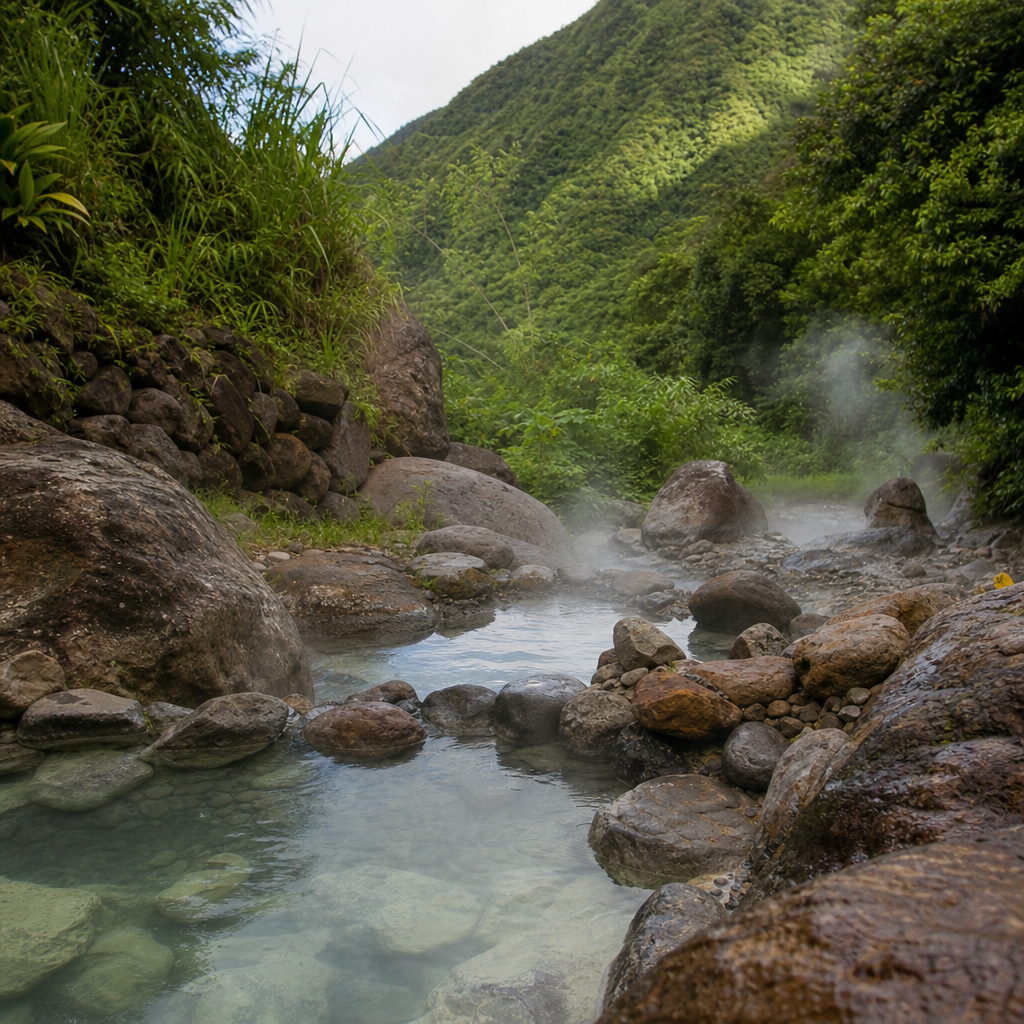
Saint Kitts’ thermal springs offer one of the Caribbean’s most overlooked wellness experiences: naturally heated mineral waters shaped by volcanic geology, local tradition, and the island’s slower, restorative pace. In the Health and Wellness landscape, these springs belong to a miscellaneous category only because they sit at the intersection of several disciplines at once—spa therapy, hydrotherapy, geology, travel medicine, cultural history, and eco-tourism. That blend is exactly what makes them valuable. Travelers searching for natural healing waters in Saint Kitts are usually asking practical questions: where are the springs, what minerals are in them, what benefits are realistic, who should use caution, and how does a visit compare with a conventional spa treatment? Those are the questions this hub article answers directly.
When people refer to thermal springs, they generally mean groundwater heated below the earth’s surface, then brought upward through fractures in rock. In volcanic islands such as Saint Kitts, that process is tied to geothermal activity left by the island’s formation. The result is water that is often warmer than ambient temperature and may contain dissolved minerals such as sulfur compounds, calcium, magnesium, sodium, and silica. Natural healing waters is a broader term. It includes thermal springs, mineral baths, mud-rich pools, and hydrotherapy environments where heat, buoyancy, and mineral content may support relaxation, circulation, and skin comfort. The key word is support. These waters can complement wellness routines, but they are not a substitute for diagnosis, medication, or emergency care.
I have worked on destination wellness content long enough to see the same mistake repeated: places with genuine therapeutic appeal are either romanticized as miracle cures or dismissed because they are not clinical treatments. Saint Kitts deserves neither extreme. Its thermal spring culture is best understood as evidence-based wellness in a natural setting. Warm immersion can reduce perceived muscle tension, improve short-term mobility, and promote stress reduction. Mineral exposure may soothe certain skin conditions for some users, especially when combined with gentle bathing and sun-safe recovery. At the same time, benefits depend on water quality, temperature, duration of exposure, and the individual’s health status. A useful hub page has to explain both the promise and the limits.
That matters because Saint Kitts is increasingly attracting travelers who want more than beaches and cruise excursions. They want restorative experiences rooted in place. Thermal springs fit that demand well. They connect visitors to the island’s volcanic identity, to local knowledge about bathing customs, and to a style of wellness that feels less commercial than imported spa menus. They also create natural internal pathways into broader Health and Wellness topics such as stress relief, recovery travel, mindful tourism, skin care, and active aging. As a hub article, this guide covers the miscellaneous side of the subject comprehensively, giving readers a clear foundation before they branch into deeper articles on hydrotherapy practices, geothermal landscapes, and wellness itineraries across Saint Kitts.
Where Saint Kitts’ Thermal Springs Come From
Saint Kitts is part of the Lesser Antilles volcanic arc, and that geological context explains why thermal springs exist at all. Rainwater percolates through porous soil and fractured rock, travels downward, is heated by residual geothermal energy, and then rises back toward the surface carrying dissolved minerals. On islands with volcanic history, this process can create warm springs, fumaroles, sulfur odors, and mineral-rich runoff. In Saint Kitts, the landscape around Mount Liamuiga and other volcanic features tells the same story. Even where spring development is modest, the island’s thermal waters are part of a larger geothermal system rather than an isolated curiosity.
For wellness travelers, the geology matters because it affects water character. Springs emerging through sulfur-bearing formations may have a recognizable smell similar to hard-boiled eggs, caused by hydrogen sulfide. That odor can be off-putting at first, but it often signals the mineral profile people associate with traditional bathing culture. Temperature also varies. Some springs are comfortably warm for soaking; others may be hotter, shallow, or mixed with cooler water nearby. Reliable local guidance is important because natural sites change with rainfall, maintenance, and seasonal access. The safest assumption is that no natural spring should be treated like a regulated hotel pool unless it is formally managed as one.
What Benefits Natural Healing Waters Can Realistically Provide
The most defensible wellness benefits of Saint Kitts’ thermal springs come from hydrotherapy principles that are well understood. Warm water immersion encourages vasodilation, which can increase superficial blood flow and create a temporary sense of looseness in muscles and joints. Buoyancy reduces weight-bearing load, making gentle movement easier for people with stiffness after hiking, swimming, or long flights. Heat also tends to lower the perception of pain in the short term by relaxing tissue and reducing guarding. In practice, many visitors report better mobility for several hours after soaking, especially in the neck, lower back, calves, and shoulders.
Skin comfort is another frequently cited benefit, though it requires nuance. Mineral water bathing has been studied in contexts such as sulfur baths and balneotherapy in Europe and Asia, with some evidence of symptom relief for selected inflammatory skin conditions and chronic musculoskeletal complaints. That does not mean every spring has the same composition or effect. Still, people with dry skin, post-sun tightness, or mild irritation sometimes find that short soaks followed by rinsing and moisturizer are calming. Stress reduction may be the most universal benefit. Warm immersion, quiet surroundings, and digital disconnection combine to lower perceived stress quickly, which is why thermal springs often outperform ordinary sightseeing as a recovery activity.
Common Uses, Expectations, and Safety Considerations
Most people use Saint Kitts’ thermal springs for three purposes: post-activity recovery, quiet relaxation, and curiosity about natural healing waters. Each use case benefits from realistic expectations. A spring soak after a rainforest walk can ease fatigue. A soak before bed may improve relaxation. A brief visit during a wellness-focused itinerary can create a memorable connection to the island. What it usually will not do is resolve a serious orthopedic problem, cure eczema independently, or compensate for dehydration, alcohol excess, or sun overexposure. In my experience, visitors get the best results when they treat thermal bathing as one element in a wider wellness plan that includes hydration, sleep, moderate activity, and sensible nutrition.
Safety matters more than marketing. Pregnant travelers, people with cardiovascular disease, those with uncontrolled blood pressure, and anyone prone to dizziness should be cautious with prolonged hot-water exposure. Open wounds, active infections, and severe skin flare-ups also call for restraint or medical advice before soaking. Stay hydrated, limit sessions if the water is very warm, avoid entering alone in isolated sites, and use sturdy footwear because mineral surfaces can be slippery. If a spring is undeveloped or lightly managed, water quality testing may not match the standards of a medical spa. That does not make the experience unsafe by definition, but it does mean visitors should favor reputable local operators, current conditions, and common-sense judgment.
How a Spring Visit Compares With a Spa Treatment
Travelers often ask whether Saint Kitts’ thermal springs are better than booking a spa. The honest answer is that they serve different goals. A spa offers controlled temperature, consistent sanitation protocols, trained therapists, and treatment customization. A natural spring offers environmental authenticity, mineral variability, cultural context, and a stronger sense of place. If your priority is precise therapeutic massage, a spa is the better fit. If your priority is immersion in a volcanic landscape and the sensory effect of natural healing waters, the springs deliver something a treatment room cannot replicate.
| Feature | Thermal Spring | Conventional Spa |
|---|---|---|
| Water source | Naturally heated groundwater with variable minerals | Managed water systems with controlled inputs |
| Experience | Outdoor, place-based, rustic to semi-developed | Indoor or resort-based, polished, predictable |
| Best for | Relaxation, recovery, cultural immersion | Targeted treatments, privacy, consistency |
| Main limitation | Variable access, temperature, and facilities | Less connection to local geology and tradition |
For many visitors, the strongest itinerary combines both. Spend part of a day at a spring for soaking and scenery, then use a spa later for massage, hydration therapy, or skin treatment. That layered approach mirrors best practice in wellness travel: use natural settings for restoration and professional settings for precision. Saint Kitts is well positioned for this because its compact size allows travelers to move from beach, trail, spring, and resort in the same day without the logistical burden found in larger destinations.
The Cultural and Tourism Value of Saint Kitts’ Healing Waters
Thermal springs are never only about water. They carry social meaning. In Caribbean destinations, natural bathing sites have historically functioned as gathering places, practical wellness resources, and points of local storytelling. Saint Kitts’ springs should be understood in that wider context. They reflect a relationship between residents and landscape that predates contemporary wellness branding. When visitors approach them respectfully—asking about access, local etiquette, and environmental care—they participate in a more grounded form of tourism than the typical checklist excursion.
There is also a broader economic argument for paying attention to this miscellaneous wellness niche. Natural healing waters diversify the island’s visitor economy beyond cruise traffic and standard resort stays. They appeal to older travelers seeking low-impact activity, couples prioritizing restorative travel, and younger travelers interested in eco-wellness rather than nightlife alone. Destinations that interpret geothermal sites well can support guides, transportation providers, small hospitality businesses, and adjacent wellness services. For Saint Kitts, that means thermal springs are not an isolated attraction; they are a useful hub within the island’s Health and Wellness identity, linking nature, recovery, culture, and sustainable travel choices.
How to Plan a Rewarding Visit
A successful visit starts with timing and preparation. Go earlier in the day if you want quieter conditions and milder heat. Bring water, sandals with grip, a towel, reef-safe sunscreen for time outside the water, and a change of clothes. Keep valuables to a minimum. Confirm access through current local sources rather than relying on old forum posts, because roads, weather, and management practices can change. If you are combining the springs with hiking, leave the soak for after the most strenuous part of the day so the heat works as recovery instead of pre-fatiguing you.
Once onsite, enter slowly, test the temperature, and start with a short soak before deciding whether to stay longer. Rinse if facilities allow, especially if your skin is sensitive to minerals or sulfur. Afterward, cool down gradually, rehydrate, and avoid jumping immediately into prolonged sun exposure or alcohol. These simple steps make a noticeable difference in how restorative the experience feels. For readers exploring the miscellaneous side of Saint Kitts wellness, the practical takeaway is straightforward: thermal springs are worth visiting not because they promise miracles, but because they deliver a credible, place-specific form of natural recovery. Add them to your Saint Kitts Health and Wellness itinerary, and use this hub as your starting point for deeper planning.
Frequently Asked Questions
What makes Saint Kitts’ thermal springs unique compared with other Caribbean wellness experiences?
Saint Kitts’ thermal springs stand out because they combine several rare qualities in one place: volcanic geology, naturally heated mineral water, cultural significance, and a setting that feels far quieter and less commercial than many better-known Caribbean spa destinations. While the region is often associated with beaches and resort-based wellness, Saint Kitts offers an experience rooted more directly in the island’s natural landscape. The heat in these springs is linked to the island’s volcanic origins, which means visitors are not simply soaking in warm water, but engaging with a natural hydrothermal system shaped over long geological time.
Another point of distinction is the atmosphere. In Saint Kitts, thermal springs are often appreciated not only for relaxation, but also for their restorative pace. The island’s slower rhythm encourages visitors to treat the experience as part of a broader wellness journey rather than a quick attraction. That makes the springs appealing to travelers interested in mindful tourism, low-impact eco-experiences, and culturally grounded healing traditions. For many people, the appeal lies in this blend of physical comfort and psychological decompression.
They are also unique because they sit at the crossroads of multiple wellness disciplines. A visit can be viewed through the lens of spa therapy, hydrotherapy, travel recovery, local heritage, and even environmental appreciation. Few experiences in the Caribbean bring together natural science and personal wellbeing so seamlessly. For travelers looking beyond conventional resort treatments, Saint Kitts’ thermal springs offer a more elemental and memorable form of healing immersion.
Are Saint Kitts’ thermal springs believed to have health benefits?
Yes, Saint Kitts’ thermal springs are widely associated with wellness benefits, particularly in terms of relaxation, muscle recovery, and stress reduction. Warm mineral water has long been valued in many cultures for its ability to help the body unwind. Heat can encourage circulation, ease muscular tension, and create a soothing environment for people dealing with fatigue after travel, physical strain, or everyday stress. Many visitors report feeling looser, calmer, and more refreshed after soaking, which is one reason thermal bathing continues to be popular worldwide.
The mineral composition of thermal spring water can also contribute to its reputation as a healing resource. Depending on the spring, naturally occurring minerals may be present in varying concentrations, and these are often linked in public understanding to skin comfort and general therapeutic bathing. That said, it is important to be accurate and responsible: thermal springs should not be treated as a replacement for medical care, and their effects can vary from person to person. People with cardiovascular conditions, pregnancy concerns, skin sensitivities, or other health issues should speak with a healthcare professional before prolonged soaking in hot mineral water.
From a broader wellness perspective, the benefits are not only physical. The setting itself matters. Saint Kitts’ thermal springs offer a rare chance to disconnect from noise, screens, and rushed schedules. That mental reset can be just as valuable as the bath itself. In other words, the springs are best understood as part of a holistic wellbeing experience: gentle hydrotherapy, natural heat, sensory calm, and a stronger connection to place.
How are Saint Kitts’ thermal springs connected to the island’s volcanic geology?
The thermal springs of Saint Kitts are closely tied to the island’s volcanic foundation. Saint Kitts was formed through volcanic activity, and that geological history still influences the landscape today. In simple terms, groundwater moves through underground layers of rock and is naturally heated by geothermal energy associated with the island’s volcanic systems. As that water rises back toward the surface, it can emerge as warm or hot mineral-rich springs. This process is what gives thermal waters their distinctive temperature and, in many cases, their dissolved mineral content.
This geological connection is one of the reasons the springs are so fascinating beyond their wellness appeal. They are living expressions of the island’s natural history. Visitors are not just enjoying a warm soak; they are experiencing a direct result of the same earth forces that helped shape Saint Kitts’ mountains, terrain, and ecological character. That makes thermal spring visits especially meaningful for travelers interested in nature, geography, or sustainable tourism, because the experience bridges leisure with environmental understanding.
The volcanic origin also helps explain why these waters are often discussed in both scientific and cultural terms. Geology provides the mechanism, but local knowledge and tradition give the springs their human context. Over time, communities have interpreted these waters as places of relief, restoration, and natural value. Together, the science and the story deepen the experience, turning a thermal bath into something much more than a simple recreational stop.
What should visitors know before bathing in Saint Kitts’ thermal springs?
Visitors should approach Saint Kitts’ thermal springs with the same respect they would give any natural wellness site. First, understand that water temperature and conditions can vary, so it is wise to test the water carefully before entering, especially if you are sensitive to heat. Start with a short soak rather than an extended session, drink plenty of water to stay hydrated, and avoid overexposure if the heat feels intense. Thermal bathing is generally most enjoyable when taken slowly and mindfully rather than treated like a long endurance soak.
It is also important to consider personal health. People with heart conditions, low blood pressure, certain skin issues, recent injuries, or heat sensitivity should use extra caution. Pregnant travelers and anyone managing a medical condition should consult a doctor before visiting hot springs. If you have cuts, infections, or severe sunburn, waiting until your skin has recovered is the safer choice. Wearing simple footwear can also be helpful, since natural areas may have uneven or slippery surfaces around the water.
Beyond personal comfort, visitors should practice good eco-tourism etiquette. Do not leave litter, avoid using harsh soaps or products in or near natural water sources, and follow any local guidance about access or bathing practices. Respect for the site is essential, especially because part of the appeal of Saint Kitts’ thermal springs is their relative purity and low-key character. Bringing a towel, water, and a relaxed schedule is a good idea. The best experience usually comes when visitors treat the springs not as a rushed attraction, but as a restorative pause in the island journey.
Why are Saint Kitts’ thermal springs considered an overlooked wellness destination?
Saint Kitts’ thermal springs are often described as overlooked because they do not always receive the same international attention as larger spa markets or more heavily promoted Caribbean attractions. Many travelers come to the island expecting beaches, history, and scenery, but may not realize that Saint Kitts also offers a compelling natural wellness experience rooted in geothermal waters. That lower profile, however, is part of what makes the springs so attractive to people seeking authenticity, calm, and a more intimate connection with the destination.
They are also overlooked because they do not fit neatly into a single tourism category. Thermal springs in Saint Kitts appeal to wellness travelers, nature enthusiasts, cultural travelers, and eco-conscious visitors all at once. Because they sit between spa therapy, hydrotherapy, geological interest, and local tradition, they can be missed by travelers searching only for one type of experience. Yet that blend is exactly their strength. They offer a multidimensional form of travel that feels restorative, educational, and place-specific rather than generic.
As wellness tourism continues to evolve, destinations like Saint Kitts are becoming more relevant. Today’s travelers often want experiences that feel natural, sustainable, and meaningful. The island’s thermal springs align perfectly with that shift. They invite visitors to slow down, engage with the landscape, and discover a side of Caribbean wellness that is quieter but no less powerful. For those willing to look beyond the obvious, Saint Kitts’ healing waters can become one of the most memorable parts of the trip.