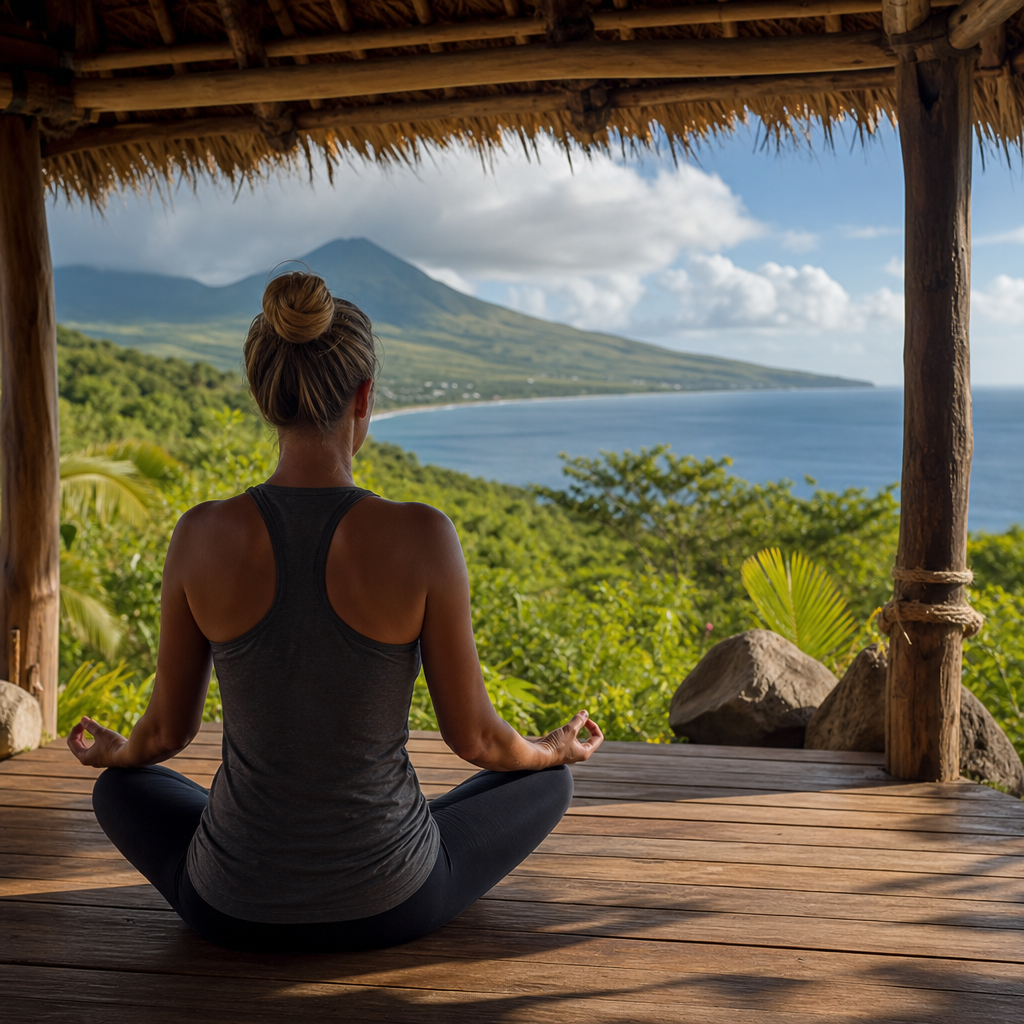
Mindfulness and meditation retreats in Nevis offer a rare combination of mental stillness, restorative landscapes, and practical wellness programming in one of the Caribbean’s quietest islands. Nevis, part of the Federation of Saint Kitts and Nevis, is smaller, less commercialized, and more intimate than many regional resort destinations, which makes it especially well suited to retreat travel. In wellness terms, mindfulness means sustained present-moment awareness without harsh judgment, while meditation refers to structured practices that train attention, emotional regulation, and calm. A retreat brings those practices into a dedicated setting, usually over several days, with guided sessions, nourishing food, nature access, and reduced digital distraction.
I have worked on wellness travel content and evaluated retreat programs across island destinations, and Nevis stands out because the environment itself supports the goal. The island’s volcanic peak, uncrowded beaches, warm climate, and slower pace reduce sensory overload before a formal session even begins. Travelers searching for mindfulness and meditation retreats in Nevis are usually asking practical questions: Why choose Nevis instead of a larger Caribbean island? What types of retreats exist? How do you judge whether a program is credible? What should you expect to pay, pack, and experience? This hub article answers those questions directly and gives you a framework for exploring related wellness topics under this broader miscellaneous retreat category.
The topic matters because stress-related symptoms, burnout, poor sleep, and attention fatigue are no longer niche problems. The World Health Organization has repeatedly linked mental well-being, physical health, and environmental conditions, and retreat travel sits at that intersection. When designed well, a retreat is not escapism; it is a structured reset that can improve sleep quality, stress recovery, and self-awareness. Nevis is particularly relevant for travelers who want wellness without the intensity of a highly commercial biohacking resort or the austerity of a strict silent monastery. It supports gentler, sustainable change, and that balance explains why interest in the island’s wellness offerings continues to grow.
Why Nevis works so well for mindfulness and meditation retreats
Nevis creates favorable retreat conditions because the island removes many of the inputs that keep people mentally activated. It covers roughly thirty-six square miles, has a modest road network, and lacks the dense nightlife and traffic patterns that define busier destinations. In practical terms, that means fewer interruptions, shorter transfer times, and a stronger sense of enclosure. Retreat planners value this because transition friction matters. If guests spend hours moving through crowds, standing in lines, and responding to constant noise, they arrive dysregulated. On Nevis, the shift into retreat mode happens faster.
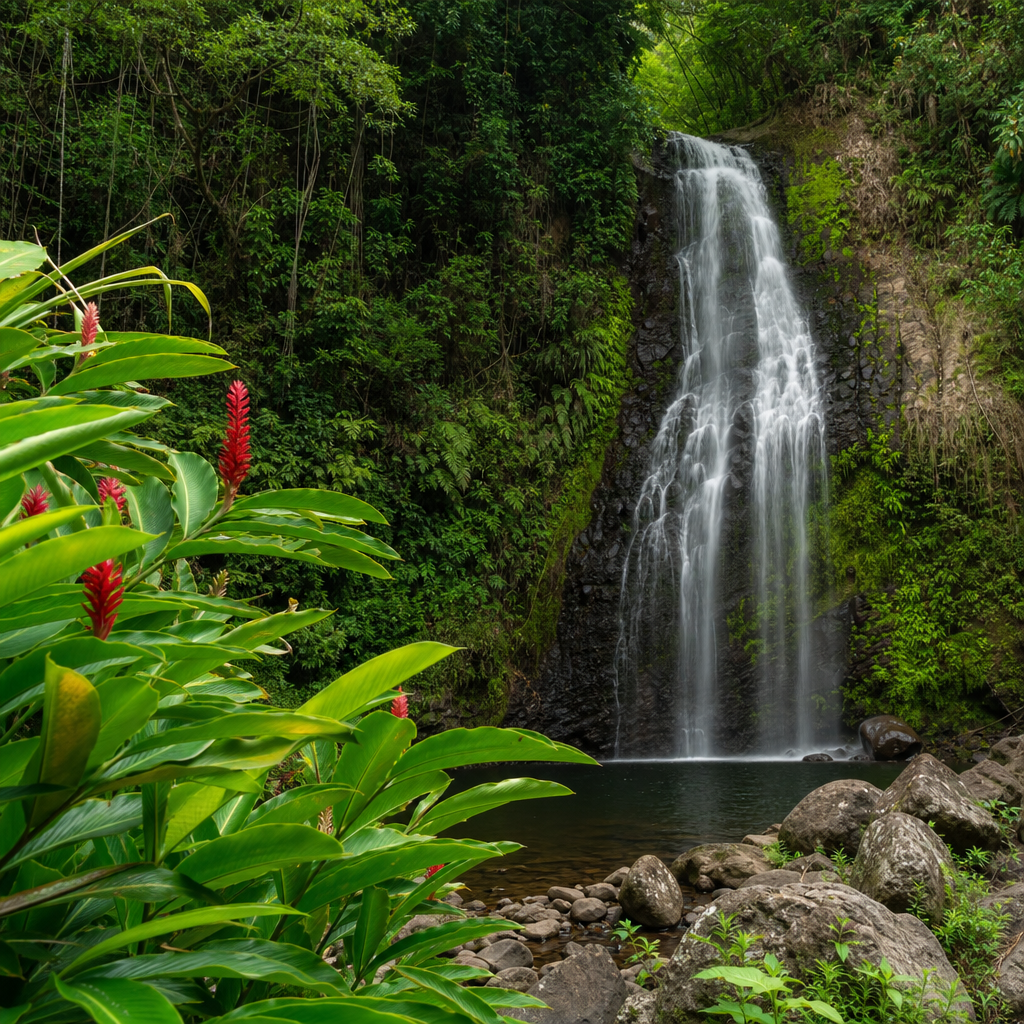
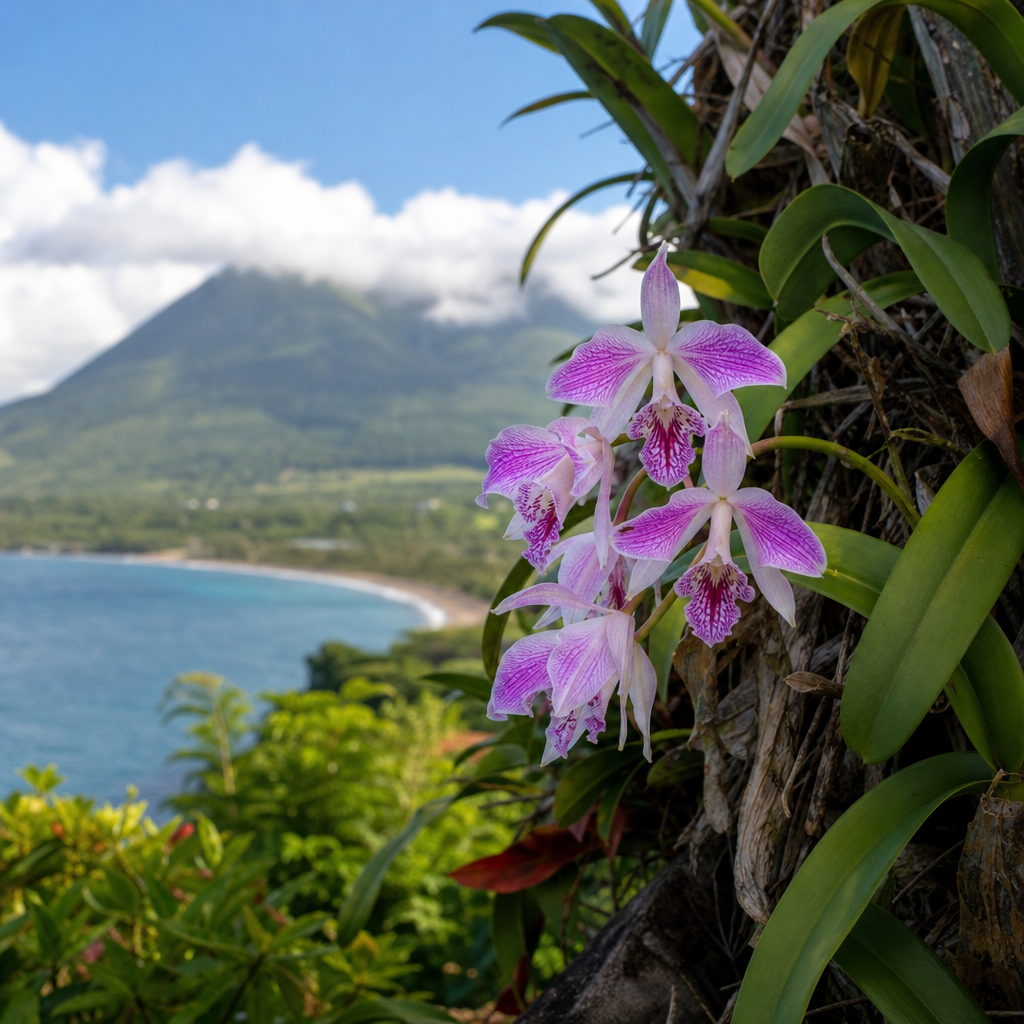
The natural setting is another major factor. Nevis Peak rises dramatically from the island center, creating lush interior vegetation and varied microclimates. Coastal areas provide sunrise walks, open-air breathwork, and grounding practices by the sea, while garden estates and hillside properties offer quieter spaces for seated meditation. I have seen destinations market “tranquility” loosely, but Nevis has concrete assets: lower development density, less visual clutter, and a genuine rhythm of stillness outside resort compounds. Those elements support nervous system downregulation, which is often the real objective behind a mindfulness holiday.
There is also a cultural fit. Nevisian hospitality tends to be warm but understated rather than performative. That matters in retreat settings, where guests often want privacy and emotional safety. Wellness travel works best when service is attentive without feeling intrusive. The island’s established luxury accommodations, boutique inns, villas, and spa properties can host small-group retreats while preserving intimacy. For many travelers, especially beginners, that combination feels more accessible than an ashram-style environment and more meaningful than a generic beach vacation with one yoga class added to the brochure.
What types of mindfulness and meditation retreats you can find in Nevis
Most mindfulness and meditation retreats in Nevis fall into a few recognizable formats. The first is the luxury wellness retreat, typically hosted by a resort or premium villa property. These programs combine guided meditation, yoga, spa treatments, nutrition-focused meals, and leisure time. They appeal to travelers who want comfort, high service standards, and a gentle introduction to contemplative practice. A property such as Four Seasons Resort Nevis has long supported spa and wellness programming, and while not every stay is a dedicated meditation retreat, the infrastructure exists for curated mindfulness experiences, visiting practitioners, and private sessions.
The second format is the boutique small-group retreat. These are often led by an independent teacher, therapist, or wellness company that books a villa, inn, or estate for five to twenty guests. In my experience, this is where Nevis performs especially well. Small groups can use beach platforms for morning meditation, indoor lounges for workshops, and gardens for journaling or mindful movement. Programming usually includes seated meditation, walking meditation, breathwork, reflective writing, and discussions about stress patterns, habits, and emotional regulation. Because the group is small, teachers can adapt the schedule to participant needs.
A third option is the transformational retreat that blends mindfulness with complementary disciplines. Examples include mindfulness plus hiking, meditation plus sound healing, or contemplative travel paired with nutrition coaching and sleep support. Some retreats add restorative therapies such as massage, hydrotherapy, or Ayurvedic-inspired treatments, though travelers should verify credentials and treatment scope rather than assuming every wellness term has clinical depth. The best programs explain exactly what is offered, who leads it, how much silence is expected, and whether the retreat is suitable for beginners, experienced meditators, or both.
| Retreat type | Best for | Typical features | Main tradeoff |
|---|---|---|---|
| Luxury resort retreat | First-time wellness travelers | Private sessions, spa access, premium dining, flexible schedule | Higher cost, less group depth |
| Boutique group retreat | Travelers seeking connection and guided practice | Small cohorts, workshops, shared meals, teacher interaction | Less privacy, fixed itinerary |
| Transformational hybrid retreat | Guests wanting broader personal change | Meditation, journaling, movement, coaching, healing modalities | Quality varies widely by facilitator |
| Private custom retreat | Couples, executives, or families | Tailored schedule, one-on-one instruction, villa setting | Requires careful planning and larger budget |
How to evaluate retreat quality, teachers, and program design
A credible retreat is defined less by the property and more by the clarity of its program. Start with the teacher. You want to know their training lineage or professional background, how long they have led retreats, and whether their approach is secular, spiritual, therapeutic, or mixed. Strong facilitators state this plainly. For meditation instruction, teachers may come from mindfulness-based stress reduction, Buddhist contemplative traditions, trauma-informed somatic practice, clinical psychology, or integrative coaching. None is automatically superior, but the retreat should accurately represent the framework and avoid exaggerated claims.
Next, examine the daily structure. Effective retreats balance guidance, silence, movement, rest, and integration. A sample day might include a sunrise sit, mindful breakfast, workshop, free time, afternoon walking meditation, evening reflection, and an early digital wind-down. If every hour is packed, guests often leave overstimulated. If there is no structure at all, beginners drift and gain little. I look for clear session lengths, realistic breaks, and explicit statements about optional versus required activities. Good retreat design also includes orientation, emotional support boundaries, and practical guidance for what to do if meditation brings up anxiety or grief.
Food, accommodations, and group size also matter. Nutrient-dense meals, steady hydration, and reduced alcohol intake support meditation better than heavy banquet-style dining. Rooms should allow sleep and privacy, because emotional processing is harder when rest is poor. Group size affects depth. Under twelve participants usually allows significant individual attention; beyond twenty, the retreat behaves more like an event. Finally, review the cancellation policy, inclusions, transportation logistics, and weather backup plan. On an island destination, these details are not minor. They determine whether the retreat feels grounded and trustworthy from arrival to departure.
What to expect from the Nevis retreat experience day to day
A typical day on a mindfulness retreat in Nevis begins early, often around sunrise, because cooler temperatures and softer light make outdoor practice more comfortable. Morning meditation may take place on a terrace overlooking the Caribbean, in a shaded garden, or on a quiet beach before other visitors arrive. Teachers usually start with breath awareness or body scanning because these methods anchor attention without requiring prior experience. Breakfast tends to follow in silence or near silence, allowing participants to notice taste, pace, and appetite signals rather than treating the meal as background activity.
Late morning sessions often expand from practice into education. Participants may learn how attention works, why the mind loops around stress, or how mindfulness relates to sleep, emotional reactivity, and interpersonal patterns. The strongest retreats translate theory into direct exercises. For example, after discussing automatic thought patterns, the facilitator may guide a mindful walking exercise through a garden path or coastal trail, asking guests to notice physical sensation before interpretation. On Nevis, this works well because the island offers natural settings that feel immersive without demanding extreme exertion.
Afternoons are usually lighter. Guests may receive massage or spa treatments, swim, journal, or take a quiet excursion to sites such as Pinney’s Beach, the Botanical Gardens of Nevis, or heritage estates. Evening practice often shifts toward reflection, gratitude, or loving-kindness meditation, which many people find more emotionally accessible after a full day of slowing down. Some retreats include sound baths or restorative yoga, though these should complement meditation rather than replace it. The overall aim is rhythm: practice, rest, nourishment, and reflection repeated consistently enough that the body and mind begin to settle.
Planning, costs, seasonality, and practical travel advice
Planning a retreat in Nevis starts with transport. Most international travelers reach nearby Saint Kitts first, then transfer to Nevis by water taxi or short connecting flight. That extra step can feel inconvenient on paper, but it also filters out mass tourism and contributes to the island’s calmer atmosphere. Build buffer time into your itinerary, especially in hurricane season or periods of rough seas, and confirm who arranges transfers. Many retreat operators include this coordination, while others leave it to guests. Clear logistics are a sign of an experienced host.
Costs vary widely. A shorter boutique retreat may begin around the low four figures per person, while luxury resort-based programs or private custom retreats can rise several times higher depending on accommodations, spa inclusions, and one-to-one instruction. Ask whether rates include meals, airport and ferry transfers, excursions, gratuities, and taxes. In Caribbean travel, those add-ons materially change the real price. The cheapest retreat is rarely the best value if it skimps on teacher access, meal quality, or logistics. Conversely, the most expensive option is not automatically more effective if the schedule is superficial.
Timing matters. The drier season generally runs from roughly December through April, bringing more predictable weather and higher prices. Shoulder periods can offer better value, greener landscapes, and fewer visitors. Pack light but intentionally: breathable clothing, a reusable water bottle, reef-safe sun protection, a journal, insect repellent, and any meditation supports you rely on, such as a shawl or small cushion. Keep expectations realistic. A retreat can meaningfully improve clarity and regulation, but it does not erase chronic stress in a week. The real benefit comes from learning practices you can continue once you return home.
How this hub connects Nevis retreats to wider wellness travel choices
As a hub page within health and wellness, this topic sits in a broader miscellaneous category because retreat travelers often cross-shop adjacent interests rather than searching in neat silos. Someone researching mindfulness and meditation retreats in Nevis may also want articles on yoga retreats, spa hotels, digital detox travel, healthy dining, hiking for mental well-being, couples wellness escapes, or multigenerational restorative trips. In content strategy terms, this page should orient the reader, answer core questions, and point naturally toward those related subjects through clear thematic connections. That helps users build a fuller itinerary instead of treating meditation as an isolated activity.
Nevis supports that broader wellness ecosystem unusually well. A mindful traveler can combine seated practice with snorkeling, gentle trail walks, thermal-style spa treatments, anti-inflammatory menus, and low-key cultural exploration without losing the retreat’s calm center. The island’s scale makes this possible. Distances are short, scenery changes quickly, and there is little pressure to optimize every hour. That flexibility matters for miscellaneous wellness planning, where one traveler wants structured meditation and another wants a lighter restorative holiday with optional practice woven throughout. Nevis can serve both, provided the program is honest about intensity and goals.
The main takeaway is simple: mindfulness and meditation retreats in Nevis work because the destination, format, and pace align. Choose a retreat with a qualified teacher, transparent structure, realistic promises, and logistics that reduce friction rather than create it. Use this page as your starting point for the wider health and wellness content around Nevis, then narrow your options by budget, group style, and desired depth of practice. If you are comparing Caribbean wellness destinations or planning a restorative trip now, shortlist Nevis and review the related guides that match your travel goals.
Frequently Asked Questions
Why is Nevis considered a strong destination for mindfulness and meditation retreats?
Nevis stands out because it offers something many wellness travelers are actively looking for but often struggle to find: genuine quiet. Compared with larger Caribbean destinations, the island is less commercialized, less crowded, and far more intimate in scale. That matters for mindfulness and meditation because environment plays a major role in how easily people can slow down, regulate stress, and sustain attention. On Nevis, the atmosphere is naturally supportive of retreat work. There are fewer distractions, less traffic, less nightlife noise, and a more relaxed daily rhythm, which helps guests settle into present-moment awareness more quickly.
The island’s landscapes also contribute to the retreat experience in practical ways. Ocean views, tropical gardens, volcanic mountain scenery, and warm sea air create a setting that encourages reflection and nervous system recovery. For many people, mindfulness deepens when they are removed from overstimulating environments and placed somewhere that feels visually calming and emotionally spacious. Nevis offers that without feeling remote in a harsh or inaccessible way. It combines Caribbean beauty with a slower pace, making it ideal for travelers who want restorative surroundings rather than a packed itinerary.
Another reason Nevis works well is that retreats there often blend contemplative practice with approachable wellness programming. Guests may find guided meditation, breathwork, yoga, mindful walking, nourishing meals, rest periods, and digital disconnection built into the schedule. The result is not just a scenic vacation but a structured opportunity to reset habits, reduce mental clutter, and reconnect with the body. For travelers who want more than luxury and are specifically seeking stillness, clarity, and meaningful renewal, Nevis is an especially compelling choice.
What can you typically expect from a mindfulness and meditation retreat in Nevis?
While every retreat has its own style, most mindfulness and meditation retreats in Nevis are designed around a balance of structure and spaciousness. A typical day may begin with early morning meditation, gentle movement such as yoga or stretching, and quiet time before breakfast. From there, guests might participate in guided mindfulness sessions, breathwork, reflective workshops, nature-based practices, journaling, or mindful eating experiences. Some retreats also include body-based wellness elements like massage, spa therapies, sound healing, or restorative movement classes to support relaxation and recovery.
One of the defining features of a good retreat in Nevis is that the programming usually takes advantage of the island itself. Meditation may happen outdoors with views of the sea, in garden pavilions, on shaded terraces, or in peaceful open-air studios. Mindful walking sessions may include beach paths or tropical grounds, and some retreats incorporate the natural cadence of sunrise and sunset into the daily schedule. This creates a more immersive experience than simply attending classes indoors. The environment becomes part of the practice, helping guests engage their senses, anchor attention, and feel more present.
At the same time, retreats in Nevis tend to leave room for rest, which is important. Mindfulness is not only about formal meditation sessions; it is also about how you relate to unstructured time, meals, movement, and silence. Many programs intentionally avoid overscheduling so guests can integrate what they are learning. Depending on the retreat, you may also encounter optional excursions, one-on-one coaching, wellness consultations, or small group discussions. Overall, the experience usually combines contemplative practice, physical restoration, and a setting that supports emotional decompression, making it suitable for both beginners and more experienced practitioners.
Are mindfulness and meditation retreats in Nevis suitable for beginners?
Yes, many retreats in Nevis are very welcoming to beginners, and in fact the island’s gentle pace makes it an excellent place to start. People often assume meditation retreats are only for advanced practitioners who can sit in silence for long periods, but that is not the case for most wellness-oriented programs. Beginner-friendly retreats usually introduce mindfulness in accessible, practical ways. Instructors may explain how to work with breath, attention, wandering thoughts, and physical restlessness without pressuring guests to “perform” meditation correctly. That nonjudgmental approach is central to mindfulness itself.
Nevis is especially helpful for newcomers because the setting reduces friction. Learning mindfulness is easier when you are not contending with the usual demands of daily life, such as constant notifications, commuting, noise, and multitasking. On a quieter island, beginners often find they can notice subtle shifts in mood, energy, and awareness more clearly. The retreat structure also helps. Rather than trying to build a practice alone, guests are guided through sessions step by step and supported by teachers who can normalize common challenges like impatience, distraction, or emotional release.
That said, not every retreat is the same, so it is wise to read the program description carefully. Some retreats emphasize gentle introduction and holistic wellness, while others are more intensive and silence-based. Beginners should look for language such as “all levels welcome,” “introductory meditation,” or “guided daily practice.” It is also helpful to ask about schedule intensity, accommodation style, group size, and whether private support is available. In most cases, if you choose the right program, a mindfulness retreat in Nevis can be a highly approachable and rewarding first experience, offering both instruction and the kind of calm environment that helps new habits take root.
What are the main wellness benefits of attending a mindfulness retreat in Nevis?
The benefits can be both immediate and longer term. In the short term, many guests notice reduced stress, better sleep, improved mood, and a stronger sense of calm simply from stepping away from overstimulation and entering a more intentional rhythm. Guided meditation, slow breathing, gentle movement, time in nature, and regular rest can help regulate the nervous system and reduce the mental fatigue that builds up from modern routines. Even a few days of this kind of immersion can create a meaningful sense of reset, especially for travelers arriving from high-pressure work or urban environments.
There are also deeper benefits tied to mindfulness practice itself. Mindfulness helps people observe thoughts, emotions, and physical sensations with more clarity and less reactivity. Over time, that can improve emotional regulation, self-awareness, concentration, and resilience. A retreat setting strengthens these effects because it gives participants repeated opportunities to practice throughout the day rather than in isolated moments. On Nevis, the surrounding calm can make that practice feel more natural. Guests are not just learning a technique; they are experiencing what it feels like to live with less urgency, more attention, and more deliberate connection to the present moment.
For some travelers, the retreat also serves as a lifestyle turning point. Being in a beautiful, quiet environment while following a wellness routine can make healthy behaviors feel realistic again. Guests may return home with simple practices they can continue, such as daily meditation, mindful eating, breathwork during stressful moments, or a clearer boundary around digital overload. The value of a retreat in Nevis is not only that it feels restorative while you are there, but that it can help translate abstract wellness ideas into habits that support mental and physical well-being long after the trip ends.
How should you choose the right mindfulness and meditation retreat in Nevis?
Choosing the right retreat starts with being honest about what you need most. Some travelers are looking for deep silence and intensive meditation, while others want a softer wellness reset that includes meditation as one part of a broader experience. In Nevis, you may find retreats centered on mindfulness instruction, yoga and meditation combinations, luxury wellness escapes, or more holistic programs that incorporate nutrition, bodywork, nature immersion, and stress reduction techniques. Knowing whether your priority is emotional rest, spiritual depth, physical rejuvenation, or practical skill-building will make it much easier to choose well.
Next, pay attention to the retreat format. Review the daily schedule, teaching style, and amount of free time. A well-designed retreat should align with your energy level and comfort zone. If you are new to meditation, you may want guided sessions, shorter practice periods, and room for personal downtime. If you are more experienced, you might prefer longer sits, silent periods, or a more disciplined structure. Also consider practical details such as accommodation standards, meal approach, group size, transportation logistics, and whether the setting feels secluded, beachfront, garden-based, or resort-oriented. These details shape the overall experience more than many people expect.
Finally, look closely at the facilitators and the retreat’s overall philosophy. Strong teachers should communicate clearly, create psychological safety, and present mindfulness as a grounded practice rather than a vague trend. Reviews, testimonials, and retreat descriptions can help you assess whether the experience is likely to feel sincere, organized, and well supported. In a destination like Nevis, where the environment already provides tranquility, the best retreats are the ones that match that natural calm with thoughtful programming and skilled guidance. When those elements come together, the retreat can be not only relaxing but genuinely transformative.